

The problem with paper and pods
Billions of paper filters and plastic pods end up in landfills every year. Moving away from disposables isn't just about being green; it's about making a better cup of coffee without the constant trash.
The environmental impact is significant. Paper filters, while often compostable, require resources to produce and transport. Plastic-lined coffee pods are far worse, contributing to plastic pollution and often being difficult to recycle. Thankfully, consumer awareness is growing, and people are actively seeking sustainable alternatives. Demand for eco-friendly products is rising, and coffee lovers are realizing they don't have to compromise quality for conscience.
Zero-waste coffee isn’t about deprivation, it's about elevation. It's about savoring your coffee even more, knowing you're minimizing your footprint. It’s about a mindful approach to a daily ritual, and frankly, it often leads to a better-tasting cup. It’s a shift towards valuing durability, reusability, and a deeper connection to the origins of your coffee.
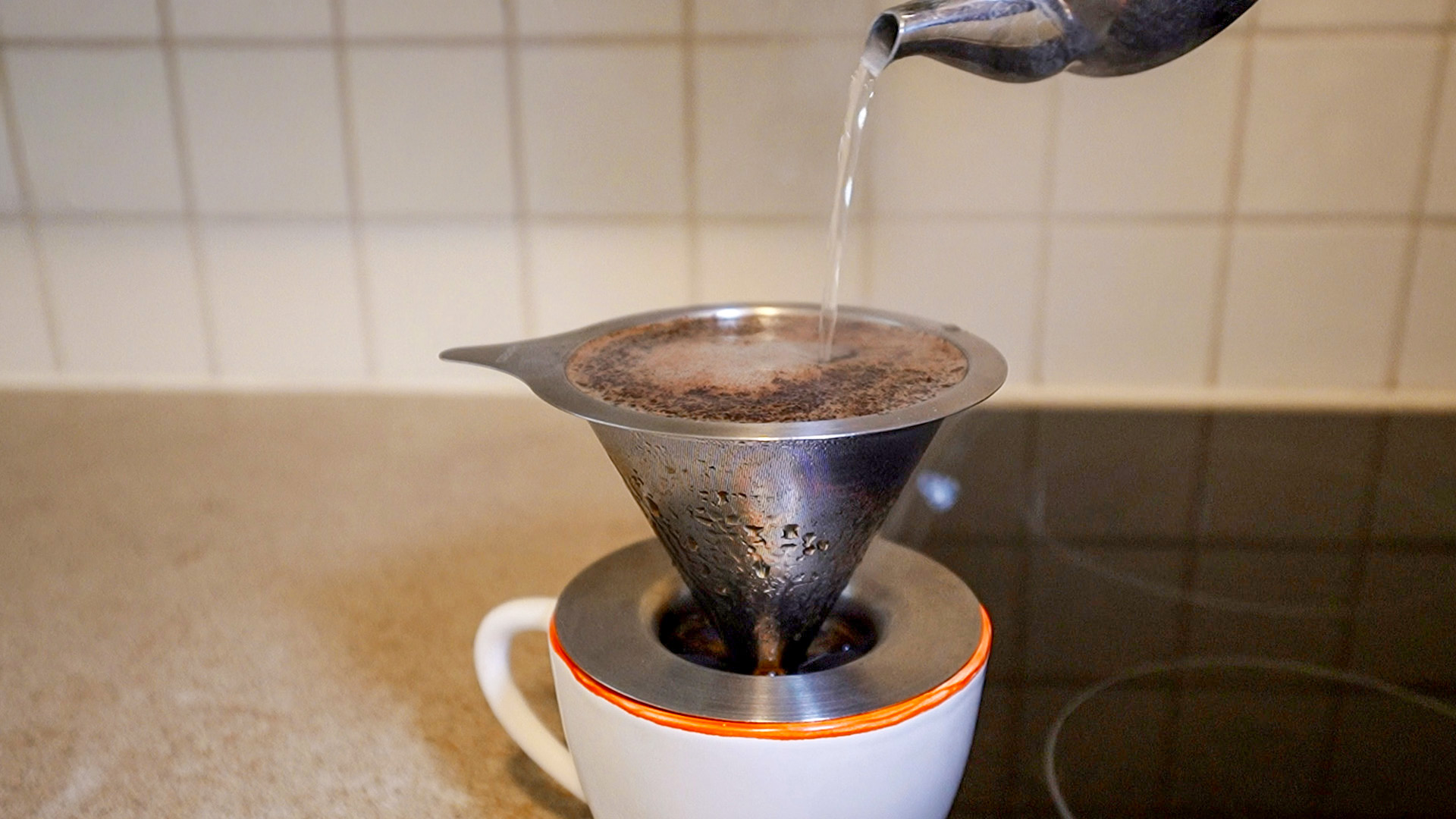
Steel, cloth, or bamboo?
So, you’re ready to ditch the disposable filters? Excellent. Now comes the question: which reusable filter is right for you? The most common materials are stainless steel, cloth (typically cotton or hemp), and increasingly, bamboo fiber. Each comes with its own set of strengths and weaknesses, and the 'best' option depends on your priorities.
Steel filters last forever and are easy to scrub. Some people complain about a metallic taste, but I've found that only happens with cheap mesh or poor cleaning. Cloth filters produce a cleaner cup by letting more oils through, though you have to wash them constantly and they eventually look pretty stained.
Hemp is a solid alternative to cotton because the plants grow fast with less water. Bamboo filters are the newest option and they're biodegradable, but we don't know how long they actually last yet. Even 'permanent' filters wear out eventually, so keep that in mind before you buy. Steel costs the most upfront, while cotton is usually the cheapest.
Here’s a quick comparison:
- Stainless steel is durable and easy to clean, though cheap ones can taste metallic.
- Cotton Cloth: Clean cup, allows more oils, requires frequent washing, affordable.
- Hemp Cloth: Sustainable material, clean cup, requires frequent washing, moderate cost.
- Bamboo Fiber: Biodegradable, neutral flavor, durability data still emerging, competitive cost.
Reusable Filter Material Comparison
| Cost | Flavor Impact | Cleaning Effort | Durability | Environmental Impact |
|---|---|---|---|---|
| Medium | Minimal | Easy | High | Low |
| Low | Noticeable | Medium | Medium | Low (depending on growing practices) |
| Medium | Subtle | Difficult | Medium | Low (biodegradable, but potential for microfibers) |
| High | Neutral | Medium | High | Medium (resource intensive production, but renewable) |
Illustrative comparison based on the article research brief. Verify current pricing, limits, and product details in the official docs before relying on it.
Adapting your pour over
The beauty of zero-waste coffee brewing is that it doesn’t require a complete overhaul of your routine. If you already enjoy pour over coffee, you can easily adapt your method with a reusable filter. Most popular pour over devices – Hario V60, Kalita Wave, Chemex – can accommodate reusable filters, though compatibility varies.
For the Hario V60, a fine-weave cloth filter often works best, capturing the finer particles while allowing a good flow rate. Stainless steel filters are also usable, but may require a slightly coarser grind to prevent clogging. The Kalita Wave, with its flat-bottomed design, generally pairs well with stainless steel filters, providing excellent clarity and flavor. I’m still researching the best reusable filter options for the Chemex. It seems many people have success with specialized Chemex-compatible cloth filters, but stainless steel options are less common and may not fit properly.
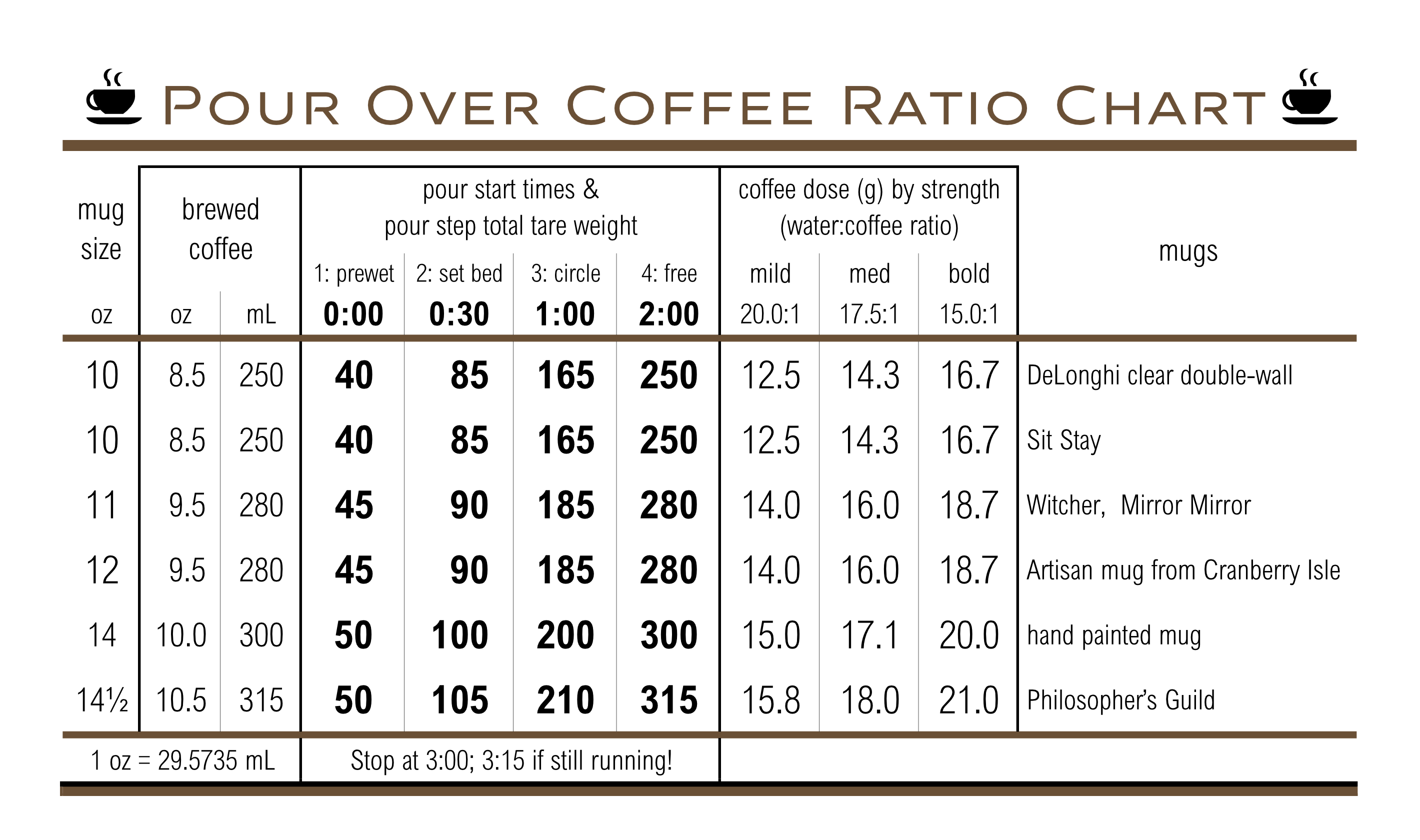
The key is to experiment. Grind size and bloom time may need slight adjustments depending on the filter material. A cloth filter, for example, might require a slightly longer bloom to allow for proper saturation. Don’t be afraid to play around with your technique to find what works best for your setup and taste preferences. The transition to a reusable filter should be seamless, not frustrating.
Gear that lasts
Zero-waste brewing extends beyond just the filter. The coffee maker itself plays a significant role in the overall sustainability of your coffee routine. Unfortunately, many coffee makers are designed for obsolescence—cheaply made and difficult to repair. Investing in a durable, high-quality coffee maker is a crucial step towards a more sustainable approach.
Consider brands known for their longevity and repairability. Technivorm Moccamaster, for example, is renowned for its build quality and a 10-year warranty. While expensive upfront, they are designed to last. Manual methods like French presses and Aeropresses are inherently more sustainable, requiring no electricity and generating minimal waste. They are also relatively inexpensive and easy to maintain.
Don’t overlook the used market. Buying a refurbished or used coffee maker is a great way to reduce waste and save money. You can often find high-quality machines at a fraction of the cost of a new one. Look for models with easily replaceable parts to extend their lifespan. Choosing a coffee maker built to last is an investment in both your coffee and the planet.
- The Technivorm Moccamaster is built like a tank and comes with a 10-year warranty.
- French Press: Manual, minimal waste, affordable.
- Aeropress: Manual, versatile, portable.
- Used/Refurbished Coffee Makers: Sustainable, cost-effective.
Durable Pour Over Brands
- Hario - A Japanese company renowned for its hand-blown glass and consistent quality. Hario popularized many pour-over methods and focuses on simple, functional design. Their V60 drippers are a staple in the specialty coffee world.
- Kalita - Another Japanese brand, Kalita is known for its Wave drippers, which feature a flat-bottomed filter and consistent extraction. They emphasize ease of use and repeatable results.
- Chemex - An American brand with a distinctive all-in-one glass carafe and bonded filter design. Chemex focuses on elegant aesthetics and producing a clean, sediment-free cup of coffee. They’ve maintained a relatively consistent design for decades.
- Fellow - A design-focused brand offering aesthetically pleasing and functional coffee equipment. Fellow's Stagg pour-over drippers are known for their precise spouts and durable stainless steel construction.
- Kinto - A Japanese lifestyle brand that creates minimalist and beautifully designed coffee equipment. Kinto focuses on blending form and function, offering durable glass and ceramic pour-over options.
- Bodum - A Swiss company with a long history of producing affordable and durable coffee makers. While known for French presses, Bodum also offers pour-over systems with robust glass and plastic components.
- Pour-Over Stand Co. - Specializing in handcrafted wooden stands for various pour over devices, they focus on durability and sustainability using responsibly sourced materials. Their stands are designed to extend the life of your existing pour over setup.
Cleaning and maintenance
Proper cleaning and maintenance are vital for extending the life of your reusable filters and coffee maker. Build-up of coffee oils and minerals can affect flavor and reduce performance. For stainless steel filters, a thorough cleaning with dish soap and warm water after each use is essential. For cloth filters, regular washing is crucial—ideally after every use. Avoid using harsh detergents or bleach, as these can leave residue and impact the taste of your coffee.
Descaling your coffee maker regularly is equally important. Mineral deposits from hard water can clog the machine and reduce its efficiency. A simple solution of equal parts white vinegar and water can effectively remove these deposits. Run the solution through a brewing cycle, then rinse thoroughly with fresh water. Many coffee makers also have a dedicated descaling cycle.
When your reusable filter eventually reaches the end of its life, dispose of it responsibly. Stainless steel filters can be recycled. Cloth filters can be composted (if made from natural fibers) or repurposed as cleaning cloths. Avoiding harsh chemicals in your cleaning routine not only benefits the environment but also ensures a cleaner, more flavorful cup of coffee.
No comments yet. Be the first to share your thoughts!