
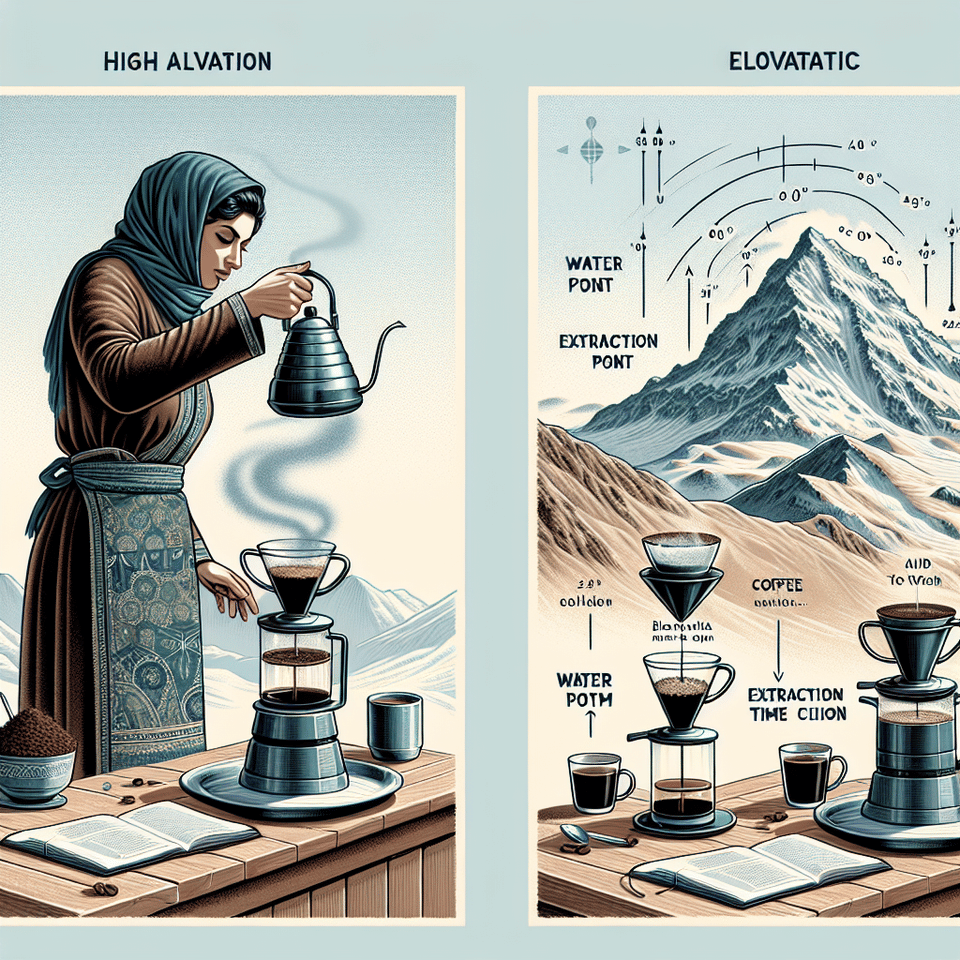

The pursuit of the perfect cup of pour over coffee is much like a quest for the Holy Grail – full of trials, nuances, and profound satisfaction upon discovery. One factor that significantly influences this quest is the elevation at which coffee is brewed. High altitude environments present unique challenges and opportunities for coffee aficionados, impacting everything from taste to brewing time. Let's ascend this mountain of knowledge together and explore how elevation reshapes the pour over experience.
The Impact of Altitude on Coffee Bean Growth
Before delving into the brewing process, it's essential to understand how altitude affects coffee beans at their source. Generally, coffee plants thrive at high elevations in tropical climates, where cooler temperatures slow down bean development. This protracted growth period allows beans to accumulate more sugars, resulting in a denser bean with complex flavor profiles. However, not all high-altitude coffees are created equal; factors such as soil composition and local climate also play pivotal roles.
Boiling Point and Brewing Temperature
At sea level, water boils at 212°F (100°C). However, as one ascends to higher altitudes, the atmospheric pressure decreases, causing water to boil at lower temperatures. This phenomenon has profound implications for pour over brewing. The optimal temperature range for extracting flavors from coffee grounds is between 195°F to 205°F (90°C to 96°C). At higher elevations, reaching these temperatures becomes challenging due to the reduced boiling point of water.
For instance, in Denver, Colorado – known as the Mile High City – water boils around 202°F (94°C). This slight decrease may not seem significant but can result in under-extraction if not compensated for properly. To combat this, baristas may need to adjust their brewing methods or equipment when operating at high altitudes.
Brewing Time Adjustments for High Altitude Pour Over
The relationship between altitude and brewing time is another critical consideration for pour over enthusiasts. As we've established that water boils at a lower temperature up high, it also means that it cools down more rapidly once removed from heat. Therefore, brewing times may need to be shortened to prevent under-extraction or alternatively lengthened if compensating with a finer grind size.
To achieve a well-balanced cup of pour over coffee at high altitudes, one must be willing to experiment with grind size and brew time meticulously.
Elevation Brew Guide
- Sea Level (0m) - Optimal brew time: 3-4 minutes. Use a medium grind, akin to sea salt in texture. The atmospheric pressure allows for a balanced extraction.
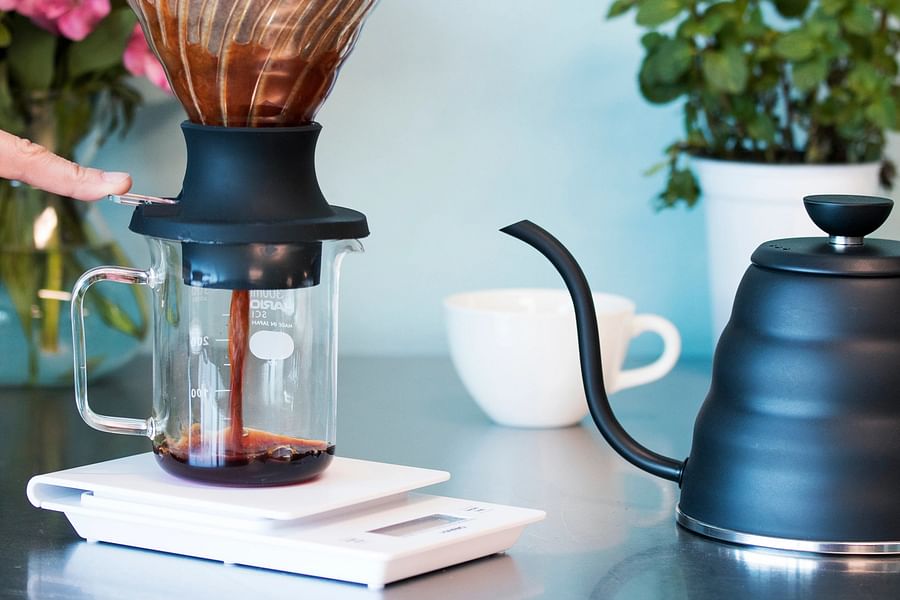
- 1,000m (3,281ft) - Increase brew time slightly to 4-5 minutes. Grind size should be a bit coarser than at sea level, to accommodate for the faster water flow due to reduced air pressure.
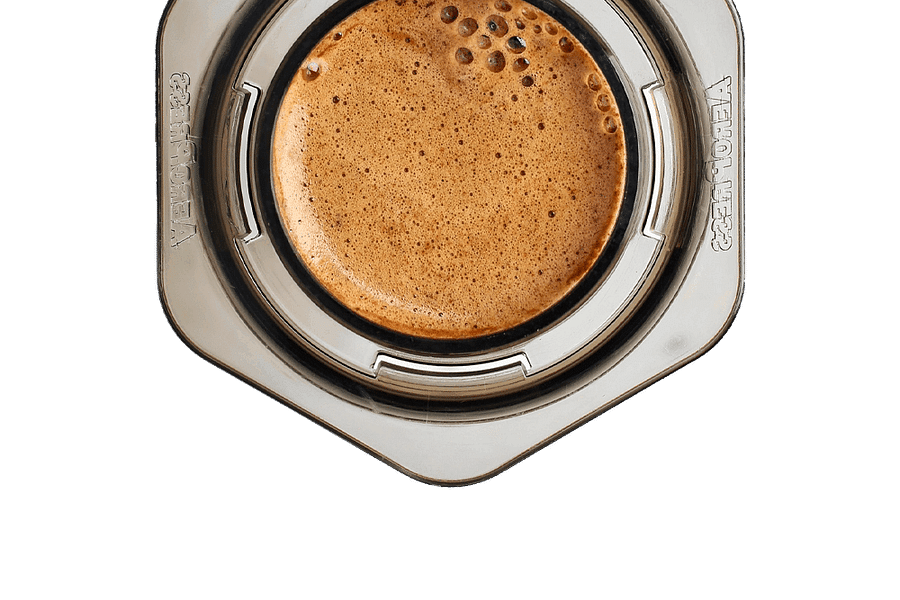
- 2,000m (6,562ft) - Brew time should be extended to 5-6 minutes. The grind size needs to be coarser still, as the lower boiling point of water at this altitude speeds up the extraction process.
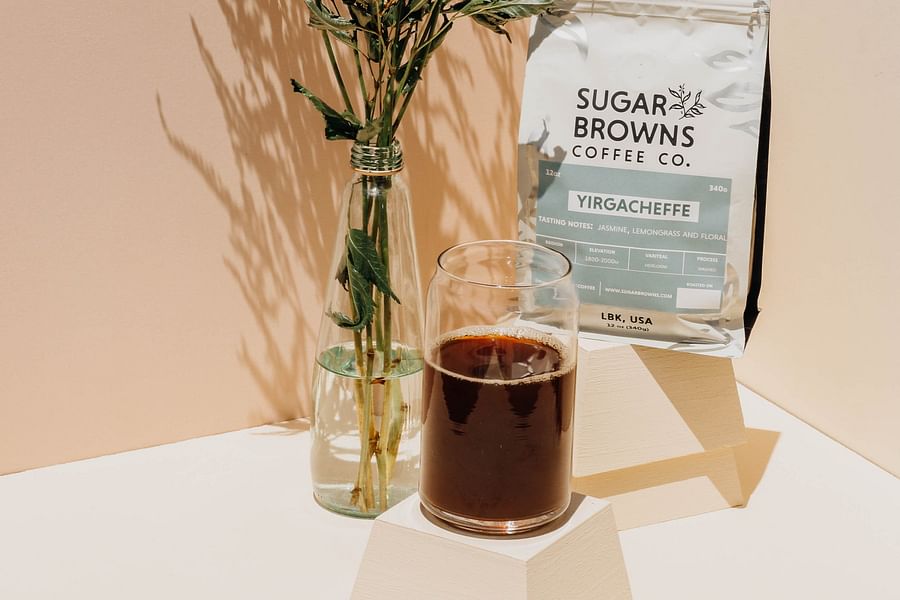
- 3,000m (9,843ft) - Aim for a brew time of 6-7 minutes. At this elevation, a very coarse grind is necessary, similar to rock salt, to prevent over-extraction due to the significantly lower boiling point of water.
- 4,000m (13,123ft) and above - Brew times can extend beyond 7 minutes. The grind should be as coarse as possible while still allowing for flavor extraction, to counteract the rapid boiling of water at these high altitudes.
Understanding these adjustments is crucial because they directly affect extraction levels—the process by which flavors are pulled from the coffee grounds into your cup. At higher elevations where water temperature cannot reach ideal levels naturally, finer grinds can help increase surface area contact and facilitate better extraction within a shorter timeframe.
Yet even with adjustments in grind size and brew time accounted for, there remains an element of personal preference when it comes to taste profiles. Some may find that certain flavors are amplified or muted due to the unique conditions present at high altitudes.
Elevation's Effect on Taste Profile
Elevation doesn't just alter how we brew our pour over; it changes how we experience its taste as well. The same attributes that make high-grown beans more flavorful can also lead them to exhibit more pronounced acidity—a characteristic that some coffee drinkers cherish while others might find overpowering.
In conclusion—though we're far from finished on this ascent—the journey through high altitude brewing reveals an extraordinary intersection where environment meets craftsmanship. Whether you're sipping on a Kenyan AA cultivated thousands of meters above sea level or adjusting your brewing technique atop a mountain retreat, elevation undeniably leaves its imprint on every drop of pour over coffee.
Understanding the impact of altitude on pour over coffee extends beyond the mere acknowledgment of its existence. It is a complex interplay of atmospheric pressure, temperature, and humidity that shapes the final cup. As we delve deeper into this subject, let's explore how these factors come together to influence not just taste but also the brewing time and technique required for that perfect high-altitude pour over.
The Science of Brewing at High Elevations
At higher altitudes, the boiling point of water decreases due to lower atmospheric pressure. This can have a significant effect on extraction since optimal extraction temperatures are harder to achieve. The sweet spot for brewing coffee is typically between 195°F and 205°F (90°C - 96°C), but at elevations above sea level, water boils at lower temperatures. This means that your pour over may require a longer brew time to compensate for the cooler water temperature and ensure proper extraction.
Moreover, humidity levels tend to drop as elevation increases, which can affect the moisture content in your coffee grounds. Dryer air leads to dryer grounds, which could potentially speed up the extraction process since water will penetrate dry coffee more quickly. However, this also means you may need to adjust your grind size or brewing time to avoid over-extraction.
Tweaking Your Pour Over Technique for Altitude
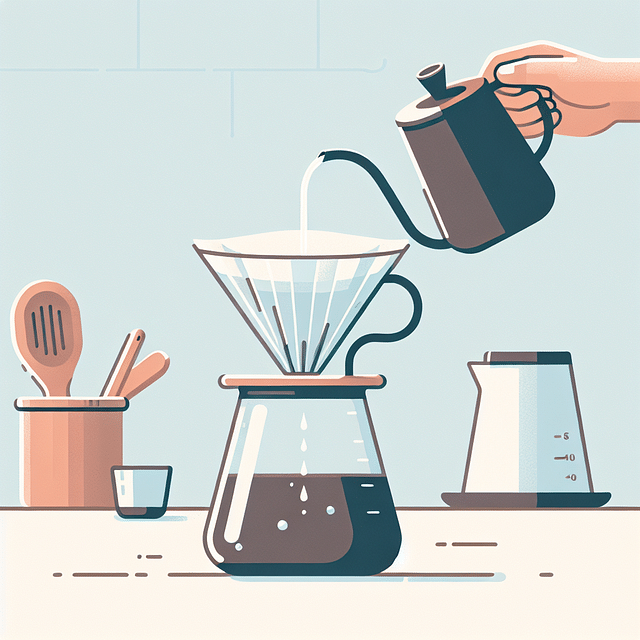
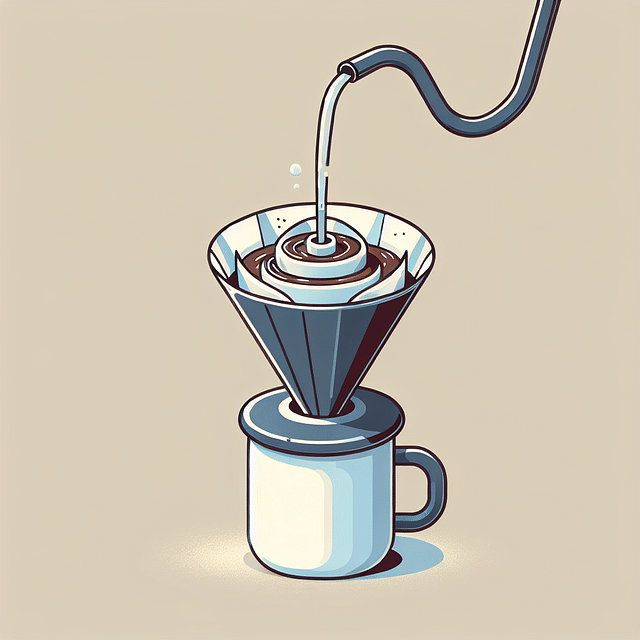
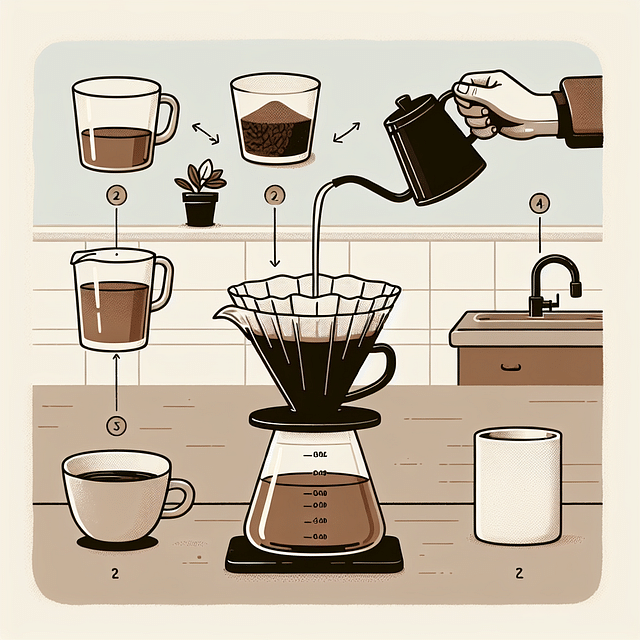
To combat these challenges, one might consider pre-wetting their coffee grounds with hot water before starting the brew process—a technique known as "blooming." This allows for even saturation and helps release any carbon dioxide trapped in the coffee grounds, leading to a more even and controlled extraction.
Mastering the Bloom: A High-Altitude Pour Over Coffee Guide

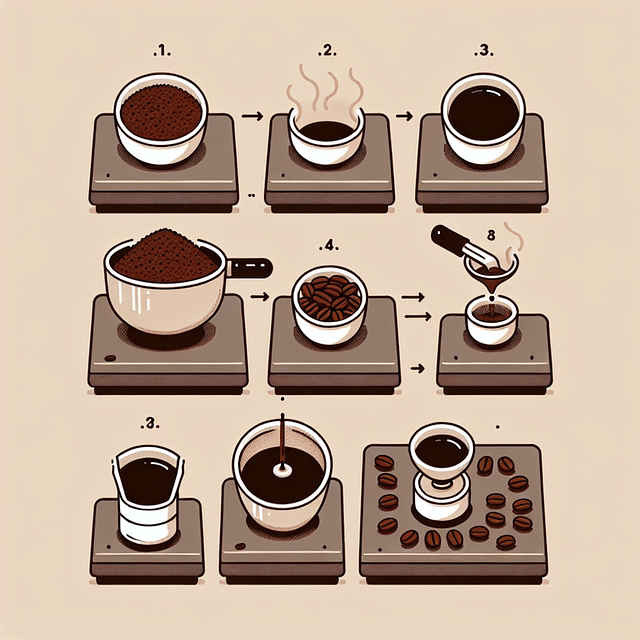
Another adjustment might be in your grind size. At higher altitudes where boiling points are lower, a finer grind might help increase extraction rates. Conversely, if you find your brew is too bitter or strong due to over-extraction from dryer conditions, coarsening your grind could be beneficial.
"Remember that coffee brewing is an art as much as it is a science. Each variable must be considered thoughtfully to achieve that harmonious balance in your cup."
A crucial aspect often overlooked is how elevation affects our taste perception. The same cup of coffee brewed at sea level versus several thousand feet above can taste remarkably different due to changes in our sensory abilities at high altitudes. This phenomenon further underscores the importance of tailoring your pour over method based on where you are.
Finding Your High Altitude Brew Ratio
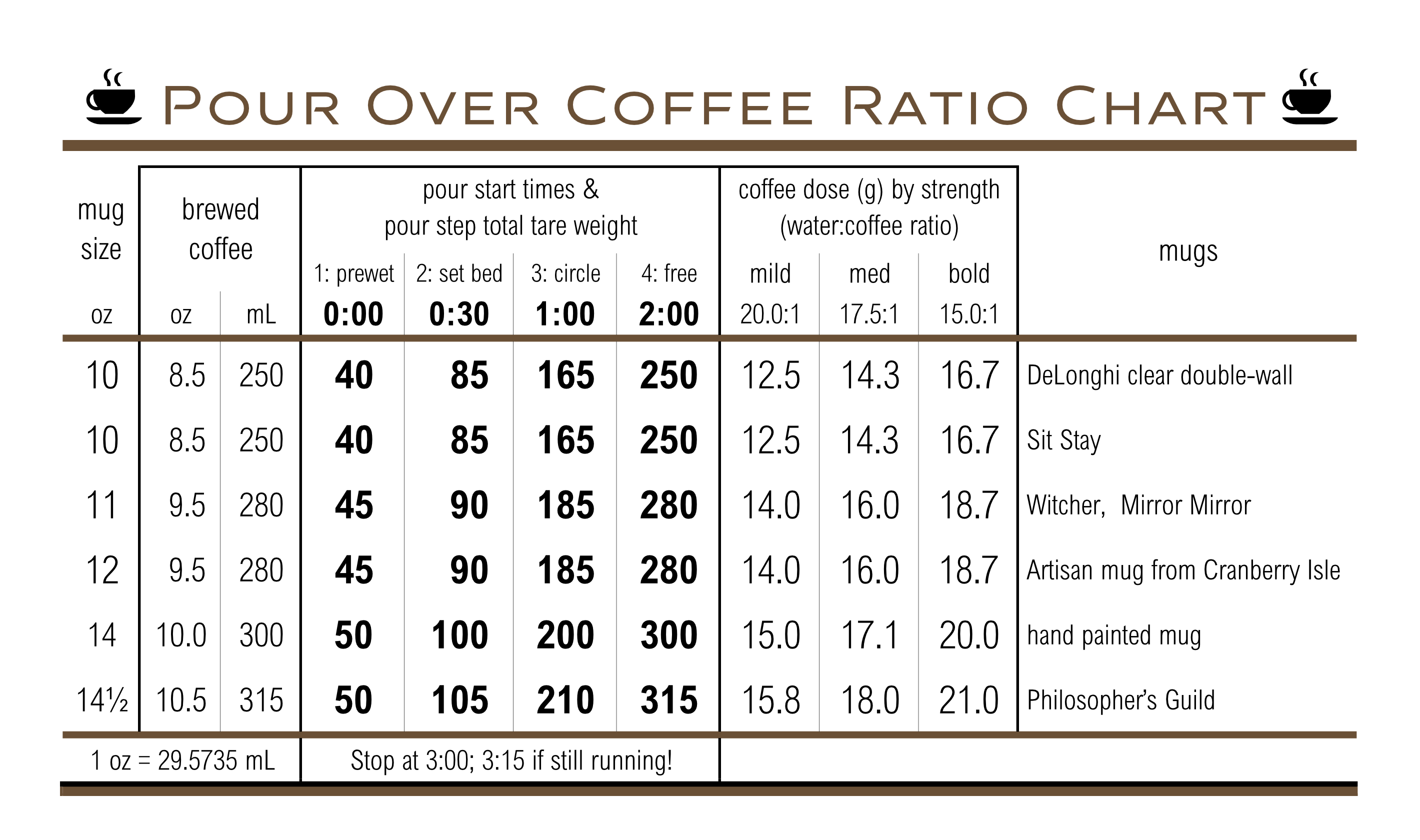
One key element in any brewing method is the coffee-to-water ratio. At higher elevations, you might find that traditional ratios don't produce the same results. It's not uncommon for high-altitude brewers to use slightly more coffee or less water to enhance flavor profiles diminished by lower atmospheric pressure.
As you experiment with these ratios, keep detailed notes on your adjustments and outcomes. Coffee enthusiasts often overlook this step, but tracking changes can be incredibly insightful when honing in on your ideal brew settings.
- Significance of Pour Over Coffee
- Recommended Coffee Bean Grind & Steep Time
- Perfecting Pour Over Coffee: A Comprehensive Guide
- Which Brewing Method Makes The Tastiest Cup?
- Tips for Making Pour Over Coffee
- Unique Brewing Techniques for Coffee
In conclusion—without explicitly stating it as such—the quest for mastering pour over coffee at high altitudes requires patience and an open mind willing to adapt traditional methods. From tweaking grind sizes and bloom times to adjusting ratios and understanding taste perception shifts—each element plays a pivotal role in crafting a delightful cup that resonates with both heart and palate.
To further refine your skills and knowledge about pour over coffee at any elevation, consider taking our quiz or exploring our comprehensive guides linked below:
[quiz: Test Your Pour Over Coffee Knowledge with this engaging quiz]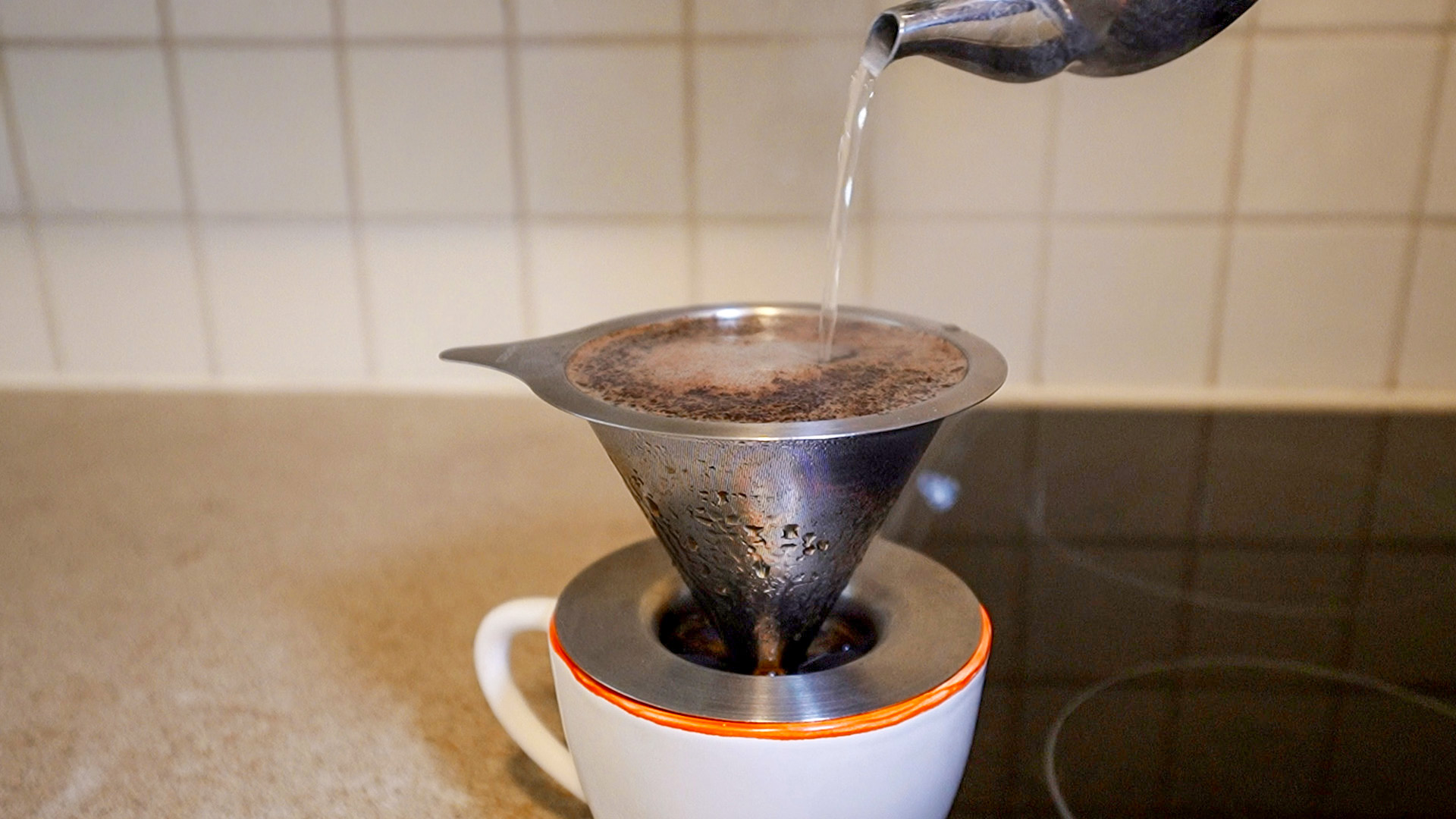
No comments yet. Be the first to share your thoughts!