

Precision over guesswork
I've lost count of how many pots of coffee I've ruined by being lazy with a scoop. One day it's a bit thin, the next it's battery acid. Most of the time, the beans are fine; I'm just measuring them like an amateur. Eyeballing a splash of water or a 'heaping' scoop is why your Tuesday brew tastes nothing like your Sunday morning cup.
The issue is extraction. Underextraction happens when not enough flavor is pulled from the grounds, resulting in sour, thin coffee. Overextraction leads to bitterness and astringency. Even small shifts in the coffee-to-water ratio can drastically alter the final result. A slight increase in coffee can turn a pleasant brew into something harsh, and vice versa. It’s a delicate balance, and eyeballing it just isn’t precise enough to consistently achieve it.
Historically, coffee measurement was, well, imprecise. Early coffee brewing relied heavily on intuition and tradition. As coffee culture evolved, so did the tools. The advent of dedicated coffee scales marked a turning point. While it can feel a bit fussy at first, taking the time to weigh your coffee and water opens up a world of control. It allows you to move beyond guesswork and understand exactly how your choices impact the flavor. It’s about repeatable results, and ultimately, a better cup of coffee.
The 1:15 ratio is just a suggestion
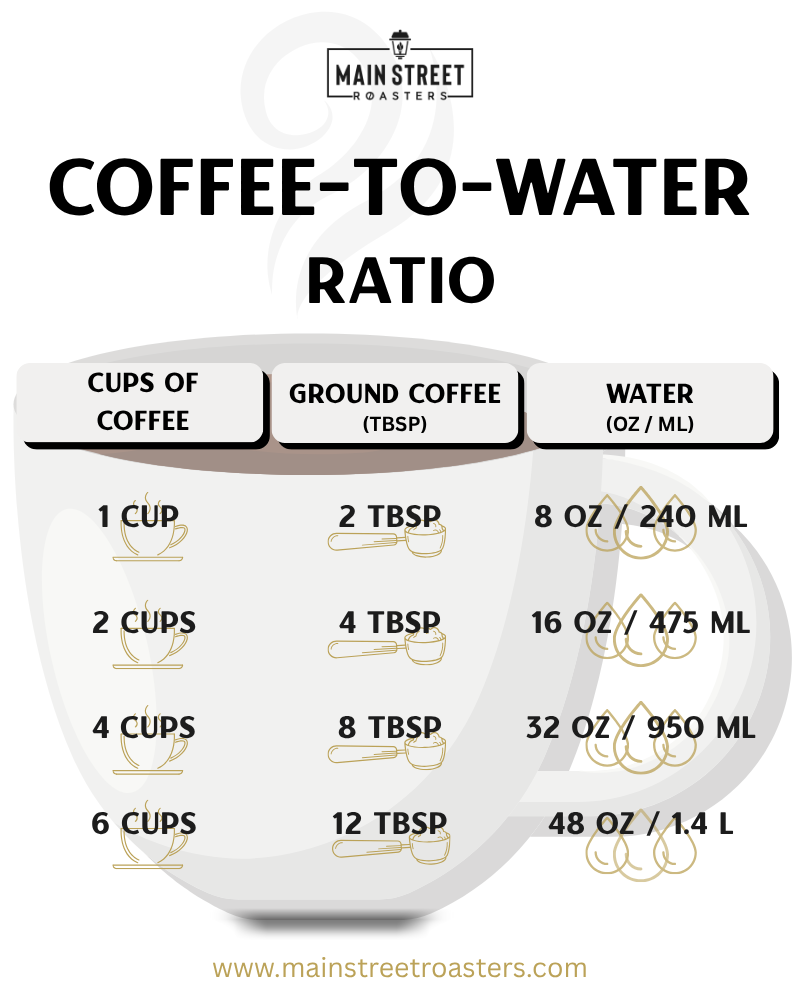
You’ve probably heard of the "golden ratio’ for coffee brewing: 1:15. This means 1 gram of coffee for every 15 grams of water. A recent article in Yahoo Scout highlighted this as a standard for professionals, and it"s a solid starting point. It's a widely recommended ratio because it generally produces a balanced and flavorful cup for many coffees and brewing methods.
However, it’s crucial to understand this isn’t a hard and fast rule. Taste is subjective. What I find balanced, you might find too weak or too strong. The golden ratio is a fantastic baseline for experimentation, not a destination. Consider it a jumping-off point for finding your ideal brew.
Several factors influence the ideal ratio. Water hardness plays a role – harder water can extract more flavor, potentially requiring a slightly lower ratio. Bean age matters too; older beans lose flavor and might benefit from a higher ratio. The roast level is also a significant factor. Darker roasts are more soluble and may need a lower ratio than lighter roasts. Methodical Coffee’s guides emphasize tailoring the ratio to the specific bean and desired outcome, rather than rigidly adhering to a single number.
What to look for in a scale
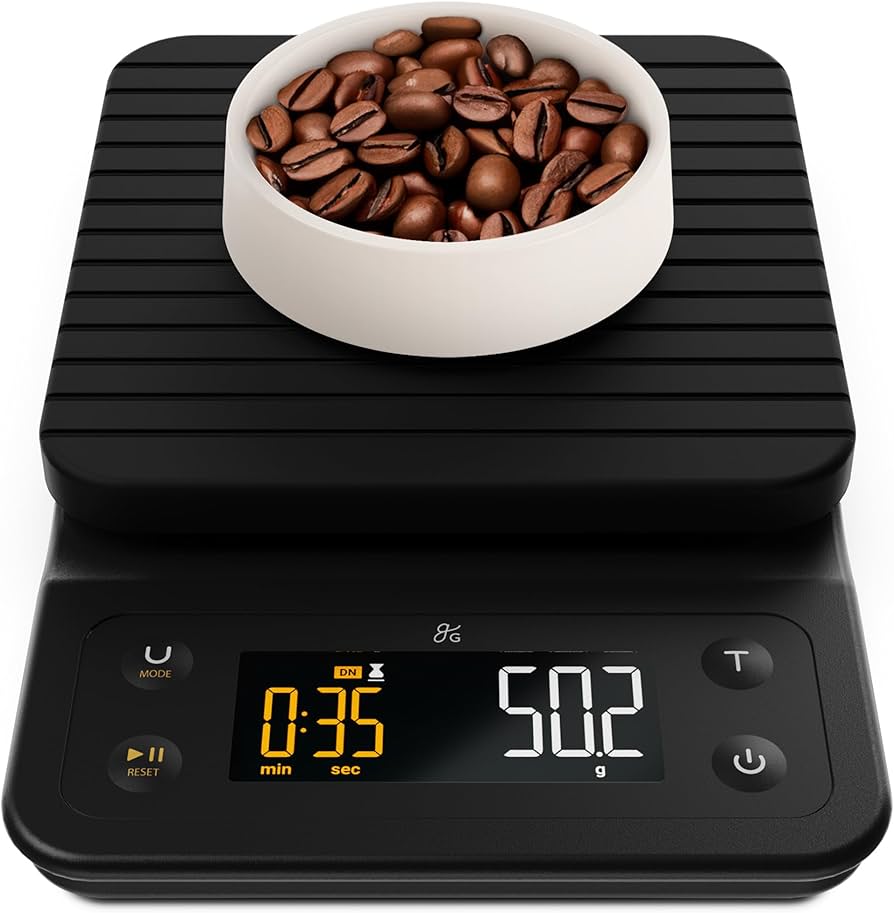
Investing in a good digital scale is the first step towards precision brewing. Accuracy is paramount. Look for a scale that measures to at least 0.1 gram increments. This level of granularity is essential for consistently replicating your brews. A built-in timer is also incredibly useful, allowing you to track brew times without needing a separate device.
Consider the scale’s capacity. A 500-gram capacity is generally sufficient for most home brewing, but if you frequently brew larger batches, a 1000-gram or higher capacity might be preferable. Build quality is important too. A sturdy platform and durable construction will ensure the scale lasts. A stable surface is critical; vibrations can throw off accurate readings.
Bluetooth connectivity is becoming increasingly common, allowing you to connect the scale to your smartphone or tablet. This opens up possibilities for data logging and automated brewing profiles, which we’ll discuss later. Platform size is another factor. A larger platform can accommodate larger pour-over devices or French presses more easily. Don't underestimate the benefit of a scale that's easy to clean.
Connected scales in 2026
Scales are getting smarter, for better or worse. New models now log your pour speed and weight automatically to an app. I find the data useful for spotting why a specific V60 draw-down took longer than usual, which helps me adjust my grind size for the next bag.
App integration is another key trend. Many scales now connect to smartphone apps via Bluetooth, providing a visual interface for data tracking and analysis. Some apps even offer pre-programmed brewing profiles for different coffee beans and brew methods. The potential for automated brewing profiles is particularly exciting; imagine a scale that automatically adjusts the brewing parameters based on your preferences and the characteristics of the beans.
However, it’s important to be mindful of privacy concerns. Data logging raises questions about how your brewing data is being stored and used. Choose a scale from a reputable brand with a clear privacy policy. The practical benefits of these scales, though, are significant. Consistent data allows for precise adjustments, leading to a more predictable and enjoyable brewing experience. It’s about turning intuition into informed decision-making.
Ratios in Practice: Brew Method Variations
The ideal coffee-to-water ratio varies depending on the brew method. Pour-over methods, like V60 and Kalita Wave, generally benefit from a ratio of 1:16 to 1:17. This allows for a clean, nuanced cup. Chemex, with its thicker filter, often works well with a slightly lower ratio of 1:15 to 1:16.
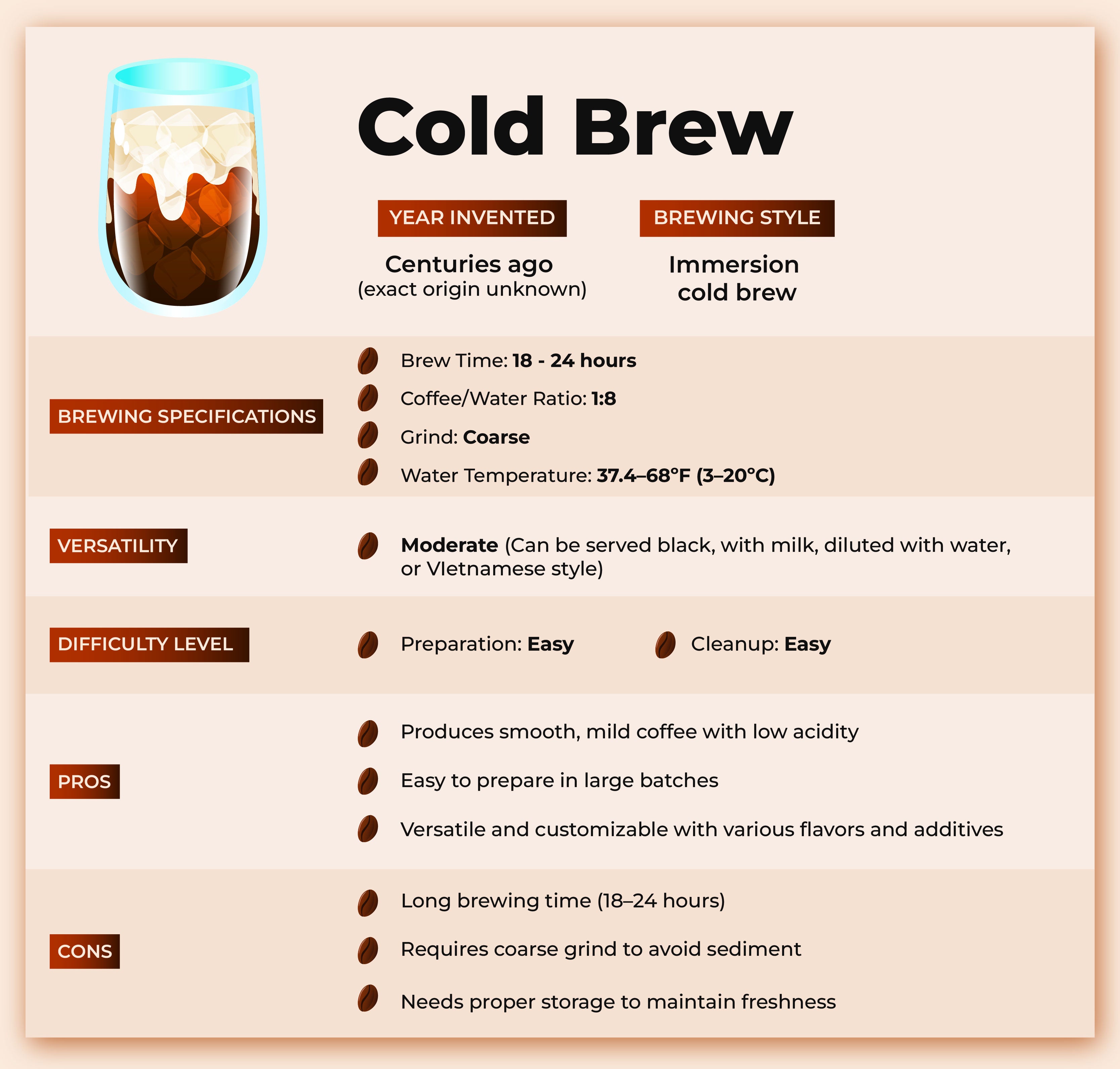
French Press, due to its full immersion brewing style and coarser grind, requires a different approach. A ratio of 1:12 to 1:15 is common. Aeropress is incredibly versatile, but a good starting point is 1:10 to 1:12. Espresso, of course, demands a much higher ratio—around 1:2 to 1:3—to produce a concentrated shot.
These are guidelines, not rules. The reason for these differences lies in the brewing process itself. French Press needs a coarser grind and a longer brew time, requiring a higher ratio to avoid overextraction. Pour-over methods, with their faster brew times and finer grinds, benefit from a lower ratio. The key is to experiment and find what tastes best to you. Don’t be afraid to adjust the ratio slightly to fine-tune the flavor.
Troubleshooting Common Ratio Issues
So, you’ve dialed in a ratio, but your coffee still isn’t quite right? Let’s troubleshoot. If your coffee tastes sour, it’s likely underextracted. Try increasing the ratio (using more coffee) or grinding finer. Conversely, if your coffee tastes bitter, it’s likely overextracted. Reduce the ratio (using less coffee) or grind coarser.
Weak coffee often indicates a ratio that's too low – you need more coffee. Strong coffee suggests a ratio that’s too high – you need less. Remember that grind size and ratio are interconnected. A finer grind increases surface area, leading to faster extraction. Therefore, a finer grind typically requires a lower ratio. A coarser grind requires a higher ratio.
Dialing in your coffee is an iterative process. Make small adjustments to the ratio and grind size, one at a time, and carefully evaluate the results. Keep a brew journal to track your experiments and record your findings. This will help you identify patterns and consistently brew delicious coffee.
Beyond the Ratio: Other Important Variables
While precision coffee ratios are crucial, they’re not the only factor influencing the final cup. Water temperature is vital; aim for 195-205°F (90-96°C). Water quality matters too – filtered water is always preferable to tap water. Grind size distribution is also key; a consistent grind ensures even extraction.
Bloom time, the initial wetting of the grounds, allows for degassing and prepares the coffee for optimal extraction. Bean freshness is paramount; use freshly roasted beans whenever possible. Stale beans lose flavor and aroma. All these variables interact with the coffee-to-water ratio to create the final flavor profile.
Precision brewing isn’t just about getting the ratio right; it’s about controlling all the variables. It’s about understanding how each element contributes to the overall experience and making informed adjustments to achieve your desired outcome. It’s a journey of exploration, and the rewards are well worth the effort.
What is your go-to coffee-to-water ratio for pour-over brewing when using a digital scale for consistency?
Vote below and share which ratio you rely on most for a balanced pour-over brew.
No comments yet. Be the first to share your thoughts!