

Brewing for the planet
There's a shift happening in the coffee world. More and more of us are realizing that enjoying a great cup shouldn’t come at the expense of the planet. Demand for sustainable practices – from bean to cup – is growing, and for good reason. Traditional coffee brewing, while enjoyable, can have a significant environmental impact. Think about the water used, the waste from disposable filters and grounds, and the energy consumed by brewing machines.
Small changes in how we brew make a difference. I focus on coffee-to-water ratios and zero-waste methods that work in a normal kitchen without ruining the flavor of the beans.
Appreciating coffee means respecting the environment that grows it. It comes down to being mindful of the resources we use every morning.
Ratios that reduce waste
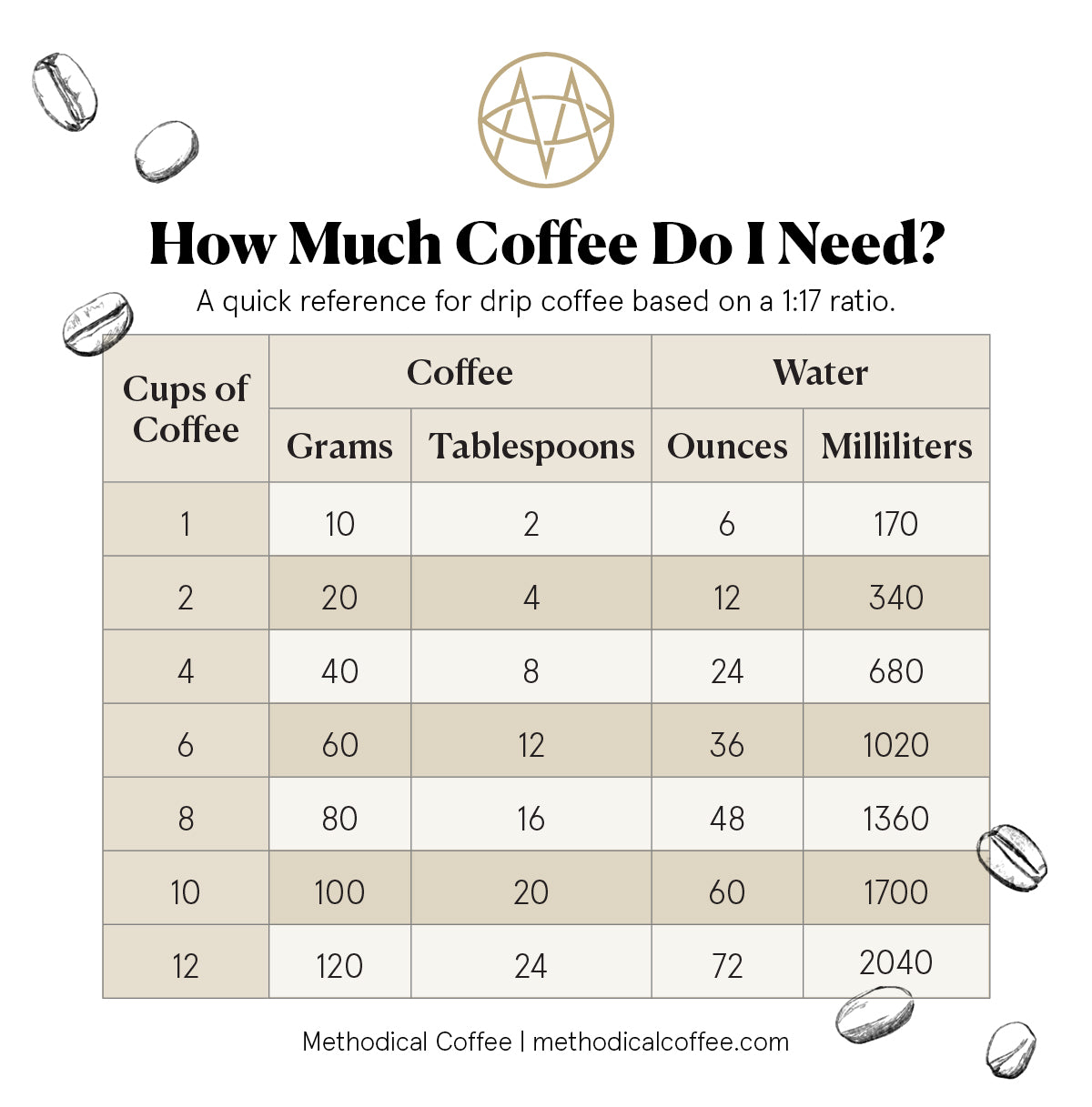
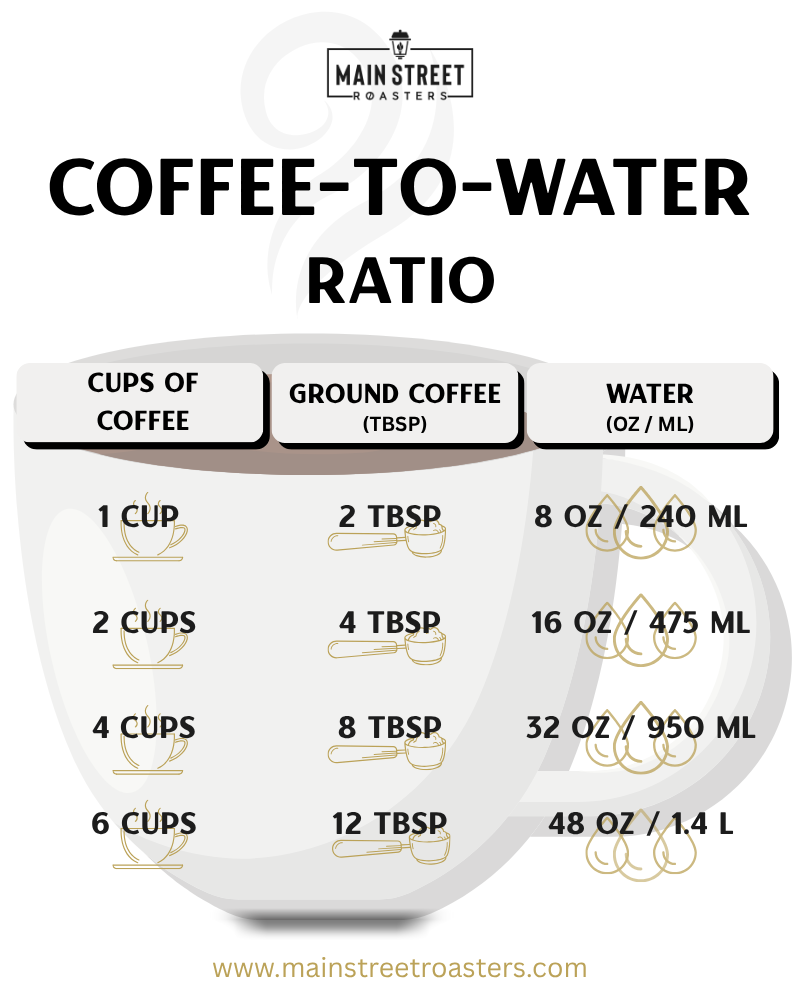
At the heart of sustainable brewing lies the coffee-to-water ratio. Using the right ratio isn’t just about taste; it’s about efficiency. When you use too little coffee, you end up with a weak, sour brew, often leading you to brew a second cup. Conversely, using too much coffee can result in a bitter, over-extracted taste, and wasted beans.
The standard starting point is a 1:16 ratio – that’s one gram of coffee for every 16 grams of water. This is a good baseline, but it’s not a rigid rule. Different beans, roast levels, and brewing methods all require adjustments. Lighter roasts, for example, often benefit from a slightly lower ratio (closer to 1:15) to fully extract their flavors. Darker roasts might do well with a 1:17 or 1:18 ratio to avoid excessive bitterness.
Over-extraction happens when you pull too much from the coffee grounds, resulting in a harsh, bitter taste. Under-extraction occurs when you don’t pull enough, leaving the coffee sour and underdeveloped. Both scenarios mean you’re not getting the most out of your beans, and you’re ultimately wasting coffee. Experimentation is key. Start with 1:16 and adjust based on your taste preferences and the specific coffee you’re using.
Filter options that aren't paper
Disposable paper filters are convenient, but they contribute significantly to landfill waste. Luckily, there are several excellent alternatives. Reusable metal filters, made from stainless steel or gold-plated mesh, are a popular choice. They’re durable, easy to clean, and eliminate the need for paper altogether. However, they can sometimes allow more sediment to pass through, resulting in a slightly 'muddy' cup.
Cloth filters, typically made from organic cotton or hemp, are another option. They produce a clean cup of coffee and are biodegradable. The downside is that they require more maintenance than metal filters – they need to be thoroughly cleaned after each use and occasionally bleached to prevent buildup. Failing to clean them properly can impart off-flavors to your coffee.
DIY filter options exist too, though they require a bit more ingenuity. Some people use a fine-mesh sieve lined with cheesecloth, while others fashion filters from reusable muslin. These options are cost-effective but may not be as consistent in terms of filtration. The environmental impact also depends on the materials used and how often they need to be replaced.
The best choice depends on your priorities. Metal filters offer convenience, cloth filters offer a clean taste and biodegradability, and DIY options offer affordability. Consider the trade-offs between cost, maintenance, flavor, and environmental impact when making your decision.
- Stainless steel filters are durable and easy to clean, though they often leave some fine sediment at the bottom of the cup.
- Gold-Plated Filters: Similar to stainless steel, often considered a bit more refined.
- Organic Cotton/Hemp Filters: Biodegradable, require regular cleaning, can affect flavor if not maintained.
- DIY Filters (Cheesecloth/Muslin): Cost-effective, inconsistent filtration, environmental impact varies.
Filter Type Comparison for Sustainable Coffee Brewing
| Filter Type | Cost | Maintenance | Flavor Impact | Environmental Impact | Lifespan |
|---|---|---|---|---|---|
| Paper | Low | Easy | Neutral | High | Short |
| Stainless Steel | Medium | Moderate | Bright | Medium | Long |
| Gold | High | Moderate | Muted | Medium | Long |
| Cloth | Medium | Difficult | Neutral | Low | Medium |
Illustrative comparison based on the article research brief. Verify current pricing, limits, and product details in the official docs before relying on it.
Grounds for Good: Composting & Reuse
Spent coffee grounds are far from useless. They're a valuable resource that can be repurposed in a variety of ways. Composting is arguably the most beneficial option. Coffee grounds are rich in nitrogen, making them an excellent addition to your compost pile. They help balance the carbon-to-nitrogen ratio and provide essential nutrients for plant growth.
When composting, it’s best to mix coffee grounds with other organic materials like leaves, grass clippings, and fruit scraps. Avoid adding too much coffee grounds at once, as this can make the compost too acidic. Also, be mindful of what not to compost with coffee grounds – avoid meat, dairy, and oily foods.
Beyond composting, coffee grounds have several creative reuse applications. They can be used as a gentle abrasive in homemade scrubs, as a natural dye for fabrics and paper, or even as a pest deterrent in your garden. There’s a surprising amount of value hidden in those "waste" grounds.
- Composting: Adds nitrogen to the pile, balances carbon-to-nitrogen ratio.
- I use old grounds as a body scrub; the grit is a great natural exfoliant.
- Natural Dye: Can be used to dye fabrics and paper.
- Pest Control: Repels certain insects in the garden.
Water Wisdom: Reducing Consumption
Water is a precious resource, and coffee brewing can use a surprising amount of it. Minimizing water waste is a crucial part of sustainable brewing. One simple step is to use only the amount of water needed for the number of cups you’re brewing. Avoid overfilling your kettle or coffee maker.
I pour my filter rinse water directly into my houseplants rather than down the drain. It's also worth switching to a pour-over; drip machines often waste more water during the heating and cleaning cycles.
Using filtered water is also important. Filtered water improves the flavor of your coffee, reducing the need for re-brewing and minimizing waste. It also prolongs the life of your coffee maker by preventing mineral buildup.
Eco-Friendly Equipment Choices for 2026
When it comes to coffee makers and accessories, sustainability isn’t just about the brewing process; it’s about the product itself. Look for equipment that’s built to last, made from durable materials, and designed for repairability. Avoid cheaply made appliances that are likely to end up in a landfill after a year or two.
Energy efficiency is another key consideration. While manual brewing methods (pour-over, French press) are inherently more sustainable due to their low energy consumption, if you prefer an electric coffee maker, look for models with an Energy Star rating. These models are designed to use less energy during operation and standby mode.
Ethical sourcing is also important. Consider where the materials come from and whether the manufacturing process is environmentally responsible. I think it’s reasonable to expect transparency from brands regarding their supply chains and sustainability practices. Choosing manual methods over automatic ones is a great starting point for reducing energy usage.
Sustainable Brewing Checklist
- Energy Star Certification - Look for coffee makers with this label, indicating energy efficiency and reduced electricity consumption.
- Stainless Steel Components - Prioritize brewers and grinders utilizing stainless steel, known for its durability, recyclability, and resistance to corrosion.
- Borosilicate Glass - Choose carafes and brewing vessels made from borosilicate glass; it’s heat-resistant, chemically inert, and recyclable.
- Repairability & Parts Availability - Select brands that offer replacement parts and support repair services, extending the lifespan of your equipment. Breville is one example known for parts availability.
- Minimal & Recyclable Packaging - Opt for products with reduced packaging, and ensure the packaging materials are recyclable (cardboard, paper) rather than excessive plastic.
- Ethically Sourced Materials - Research brands committed to responsible sourcing of materials used in their products, considering fair labor practices.
- Manual Brewing Methods - Consider manual brewing like pour-over (Hario V60) or French press, as they require no electricity and often use durable materials.
- Reusable Filters - Utilize reusable metal or cloth filters instead of disposable paper filters to minimize waste. Fellow offers stainless steel filters.
Ratios in Practice: Standout Sustainable Brews
Let’s put these concepts into practice. Here are a few brewing recipes that exemplify sustainable practices. First, a classic pour-over: 15 grams of coffee (medium roast) to 240 grams of water (1:16 ratio), using a reusable stainless steel filter. Second, a French press: 16 grams of coffee (dark roast) to 256 grams of water (1:16 ratio), with grounds composted afterwards.
Finally, a slightly adjusted pour-over for a lighter roast: 16 grams of coffee to 224 grams of water (1:14 ratio), using an organic cotton filter. Remember to adjust these ratios to your taste preferences and the specific coffee you’re using. The key is to experiment and find what works best for you.
These recipes aren't just about achieving a great cup of coffee; they're about making a conscious choice to minimize waste and support sustainable practices. It’s a small change that can have a significant impact, one cup at a time.

No comments yet. Be the first to share your thoughts!