


Why your Real Coffee Club coffee needs care
The beans delivered through your Real Coffee Club subscription are roasted to highlight specific regional characteristics. These specialty-grade beans contain delicate volatile compounds that define their flavor profile. Without precise handling, those nuances disappear, leaving behind flat or harsh notes.
Proper brewing technique acts as the extraction filter. It determines which compounds dissolve into your cup and which remain behind. Over-extraction pulls out bitter tannins, while under-extraction leaves the coffee sour and thin. The goal is balance, ensuring the sweet spots of the bean shine through.
The Specialty Coffee Association (SCA) outlines specific parameters for optimal extraction. Their guidelines emphasize that consistency in grind size, water temperature, and brew time is essential. Deviating from these standards often results in a muddy or unbalanced cup, regardless of bean quality.
Your subscription provides the raw potential. Your technique unlocks it. By respecting the science of extraction, you ensure that every cup reflects the care put into roasting the beans.
Setting the right coffee ratios
The relationship between coffee grounds and water is the primary lever for controlling extraction. This ratio determines whether your brew tastes sour (under-extracted) or bitter (over-extracted). For pour-over methods, especially those using thick glass brewers like the Chemex, a precise ratio is essential to balance the slower brew time and thicker filter paper.
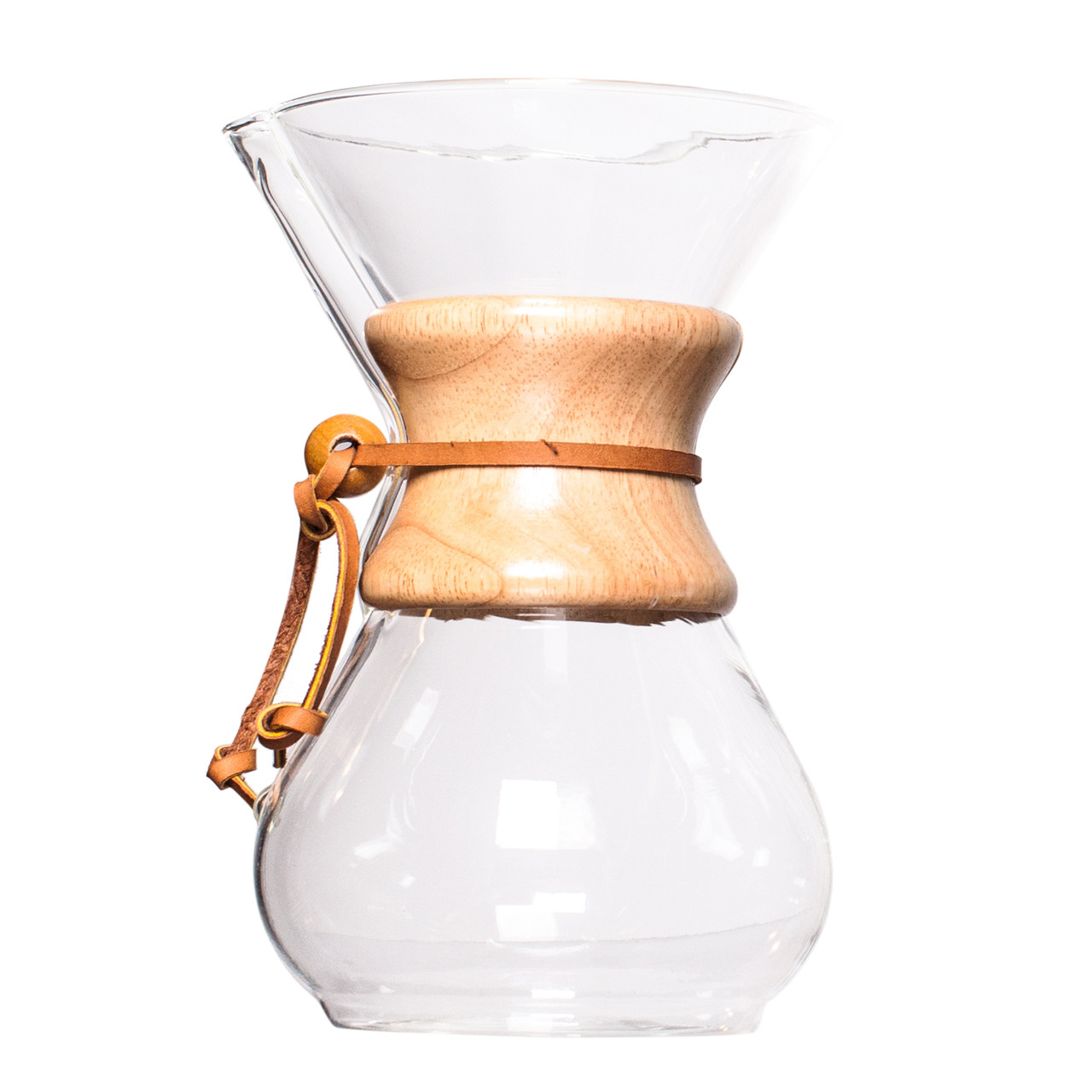
The Specialty Coffee Association (SCA) generally recommends a ratio between 1:15 and 1:18 grams of coffee to grams of water. However, the 1:15 to 1:17 range is widely considered the sweet spot for Chemex brewers. The Chemex filter removes more oils and sediment than other methods, which can mute subtle flavors. A slightly stronger ratio (1:15) helps maintain body and intensity, while a weaker ratio (1:17) highlights delicate floral and tea-like notes.
Ratio Comparison for Chemex Brewing
| Ratio | Flavor Profile | Best For |
|---|---|---|
| 1:15 | Full body, intense, sweet | Darker roasts, chocolatey notes |
| 1:16 | Balanced, clean, structured | Medium roasts, versatile daily brew |
| 1:17 | Light, tea-like, complex | Light roasts, floral/citrus notes |
To achieve this, measure your coffee by weight. For a standard 600ml Chemex batch, use 37-40 grams of coffee. If you prefer a lighter cup, aim for 35-37 grams. Weighing your water as well ensures consistency, as volume measurements can vary based on temperature and meniscus errors. This mathematical foundation allows you to adjust grind size and pour technique with confidence, knowing the base extraction is correct.
The pour over brewing process
Making great coffee is about control. You manage the variables to get a clean, consistent cup. This guide breaks down the pour over method into clear steps. Follow this sequence for reliable results.
1. Bloom the grounds
Place your filter in the dripper and rinse it with hot water. This removes paper taste and warms your vessel. Discard the rinse water. Add your ground coffee and start a timer. Pour just enough water to saturate the grounds. You will see bubbles rise. This is the bloom. It lets carbon dioxide escape. Wait 30 seconds before you continue.
2. Pour the first phase
Start pouring in the center. Move slowly in small circles. Keep the water level low. Do not pour on the filter edges. Aim for half your total water. The goal is even saturation. If you pour too fast, you create channels. Channeling leads to uneven extraction. Keep the flow steady and gentle.
3. Pour the second phase
Continue pouring until you reach your target weight. Use a gooseneck kettle for precision. The total brew time should be around 3 minutes. Watch the drawdown. The water should drain evenly. If it stops or gurgles, your grind might be off. Adjust your next batch accordingly.
4. Final drawdown
Let the water drain completely. The coffee bed should look flat and dry. Do not stir the grounds at the end. This disturbs the sediment. Pour your coffee immediately. Drink it black to taste the true flavor. Clean your equipment after each use.
Fixing common brewing mistakes
Most off-flavors in pour over coffee stem from two variables: extraction time and temperature. If your cup tastes bitter or astringent, the water has pulled too many compounds from the grounds (over-extraction). If it tastes sharp, sour, or thin, it hasn’t pulled enough (under-extraction). Adjusting your grind size or water temperature is the most direct way to correct these issues.
Correcting bitterness (over-extraction)
Bitterness often signals that the water spent too much time in contact with the coffee or was too hot. The first adjustment is to coarsen your grind. A coarser grind creates larger channels for water to flow through, reducing the total contact time. If you are using a V60, aim for a medium-coarse setting similar to sea salt.
You can also lower your water temperature. If you are currently brewing at 205°F (96°C), try dropping to 195°F (90°C). Lower temperatures extract acidic and sweet compounds more readily while slowing the extraction of bitter tannins. The Specialty Coffee Association (SCA) recommends a temperature range of 195°F to 205°F for optimal extraction, so small adjustments within this band are safe to experiment with.
Correcting sourness (under-extraction)
Sourness indicates that the water passed through the grounds too quickly or wasn’t hot enough to dissolve the sugars. The immediate fix is to use a finer grind. A finer grind increases the surface area of the coffee, allowing the water to extract more solids and sweetness. If your current grind is medium, try moving to a medium-fine setting, similar to table salt.
Increasing water temperature is the second lever. If you are brewing at 195°F, try 200°F or higher. Hotter water is more aggressive in its extraction, helping to balance out the sharp acidic notes. Be careful not to go above 208°F (98°C), as this can scorch the grounds and introduce burnt flavors.
Real Coffee Club subscription checklist
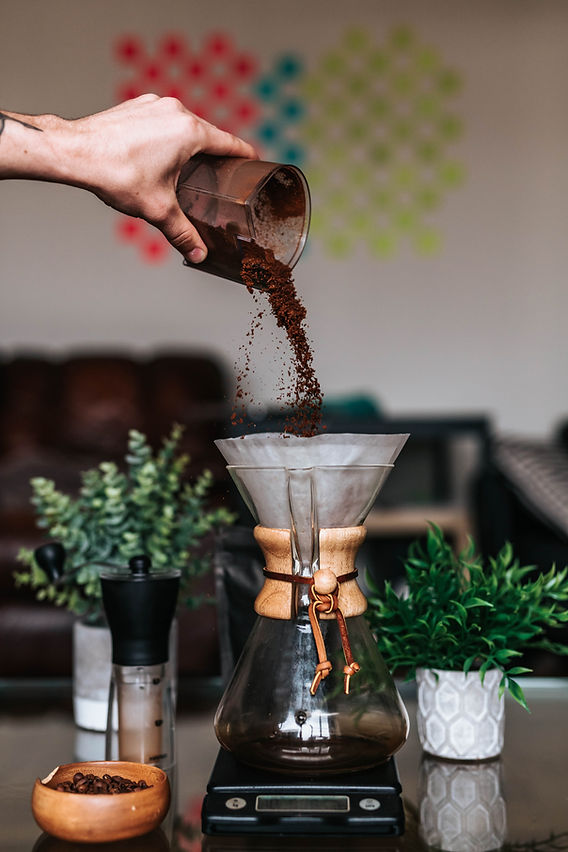
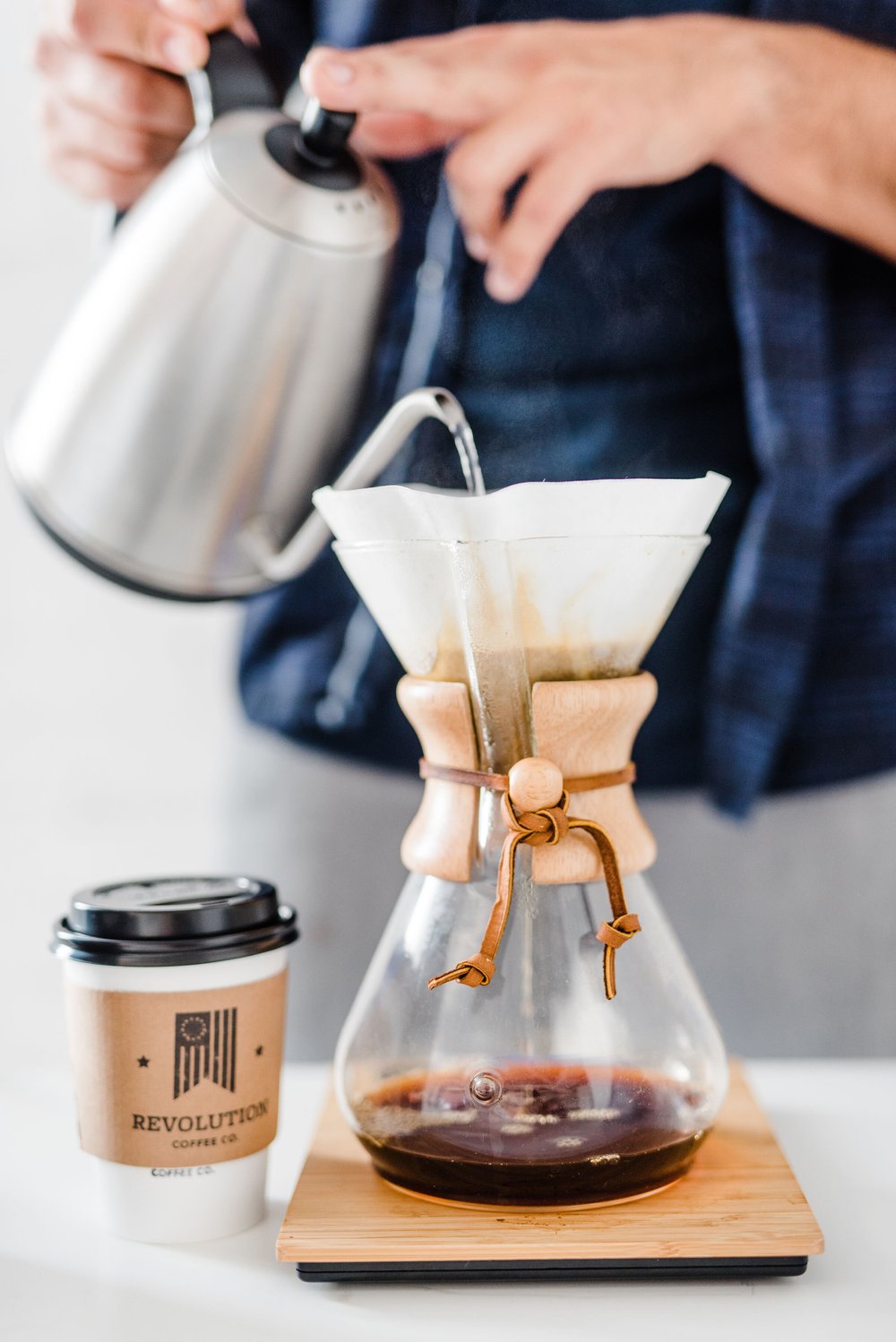
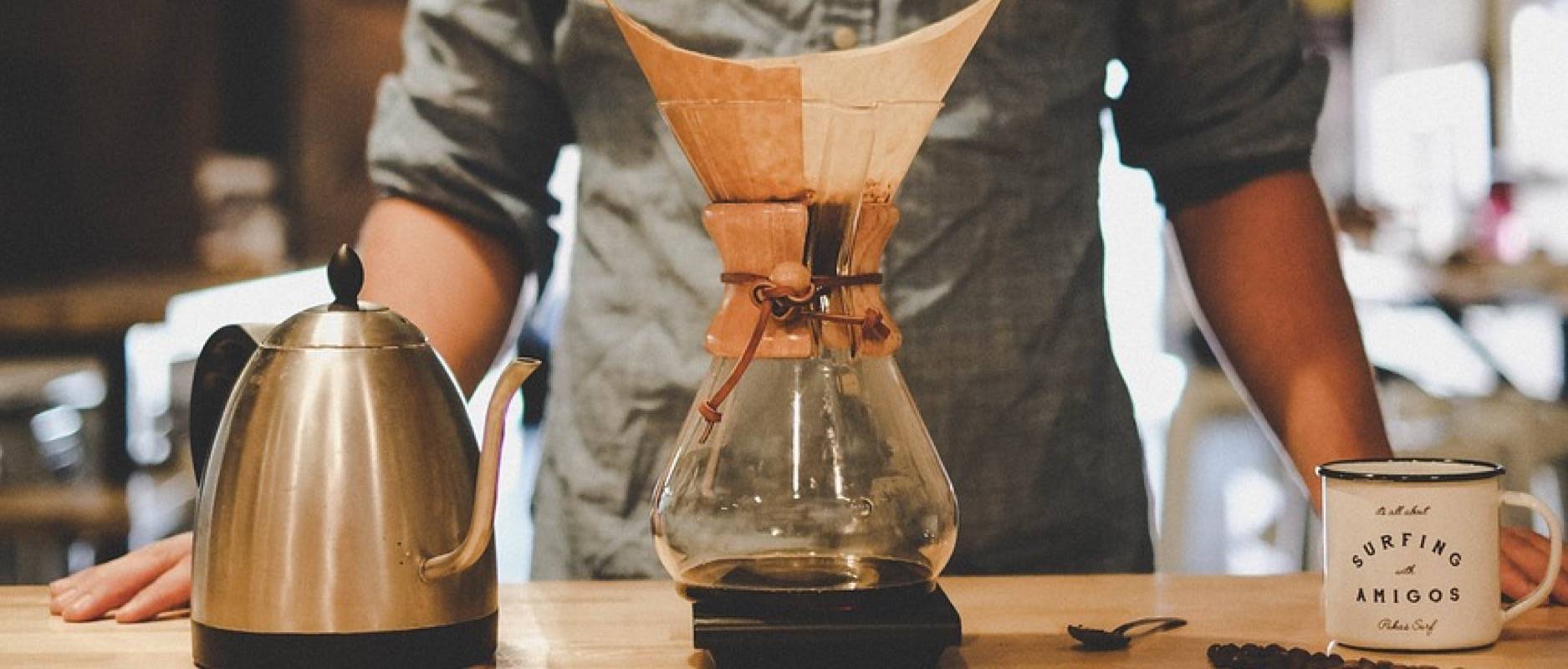
Before you begin your pour over session, ensure you have the necessary gear and beans ready. This checklist aligns with the Real Coffee Club subscription model, which delivers fresh, award-winning blends directly to your door.
-
Fresh beans from Real Coffee Club subscription
-
Clean pour over brewer (Chemex, V60, or Kalita)
-
Burr grinder set to medium-coarse
-
Filtered water at 96°C (205°F)
-
Digital scale and gooseneck kettle
Having these items ready ensures a smooth brewing process. For detailed brewing guidelines, refer to the Specialty Coffee Association's brewing standards. This checklist helps you maintain consistency and enjoy the full potential of your subscription beans.
Frequently asked questions about brewing
The difference between good and great pour over often comes down to small, consistent adjustments. Here are answers to the most common technical questions about water, grind, and freshness.
No comments yet. Be the first to share your thoughts!