
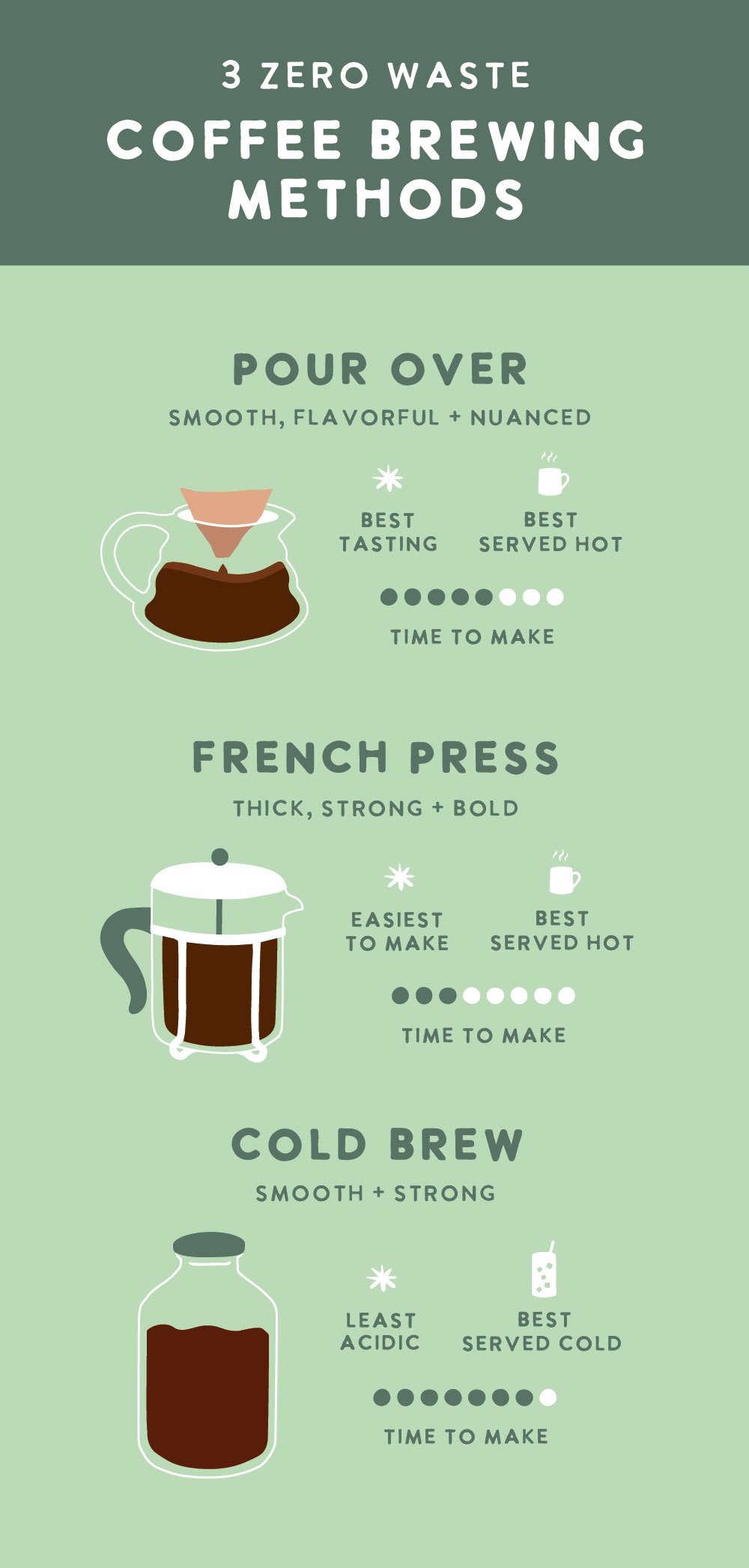

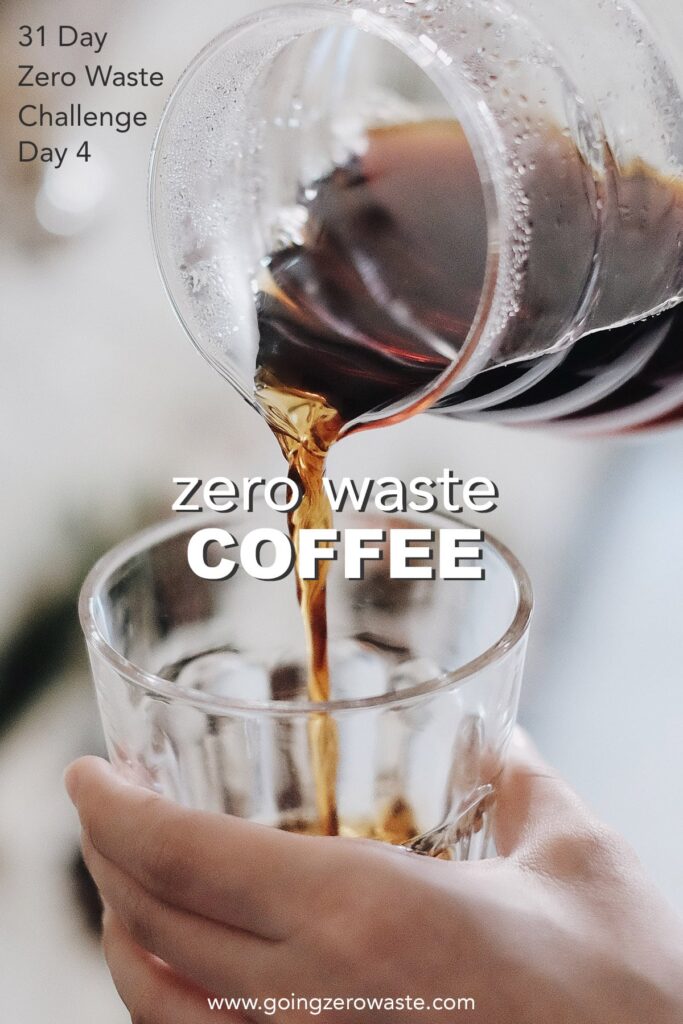
Brewing Without the Waste
Achieving a zero-waste coffee routine isn't about overnight perfection, but about shifting from a linear "buy-use-toss" model to a circular lifecycle. The most immediate impact comes from addressing the daily disposables. While unbleached paper filters are a step up from bleached versions, they still represent a recurring waste stream.
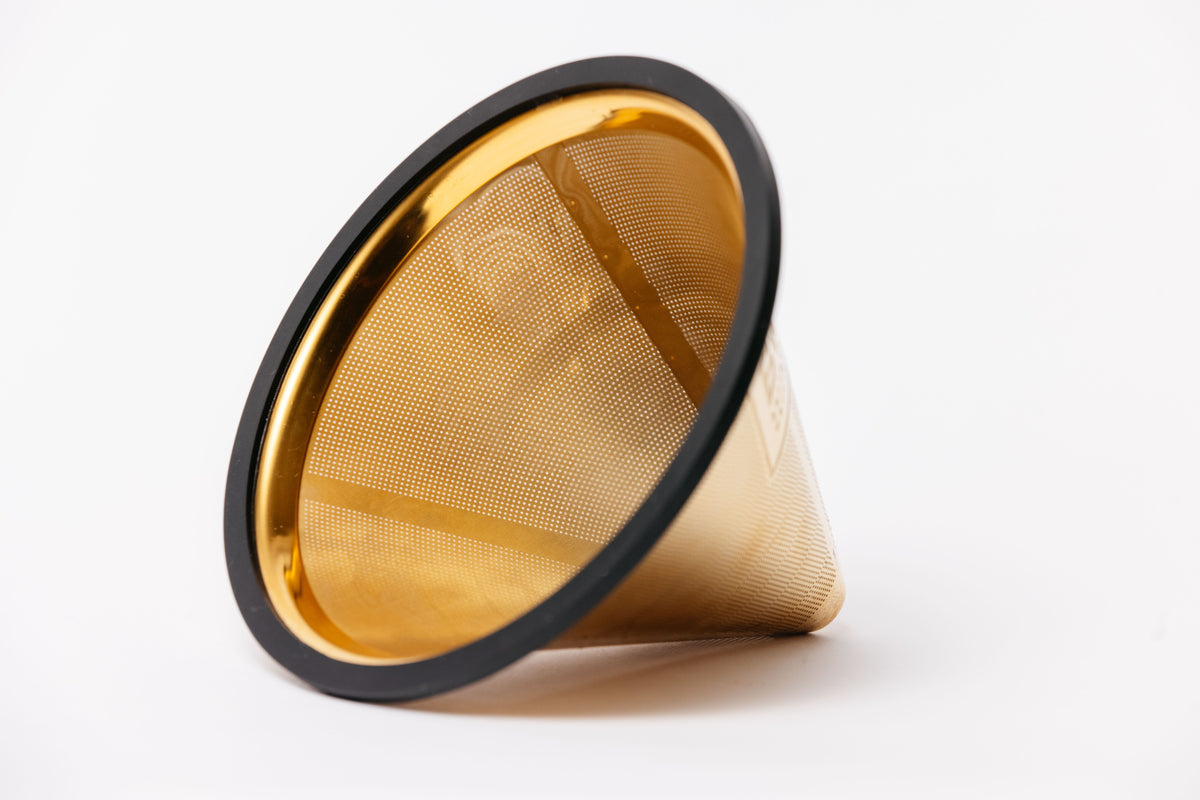
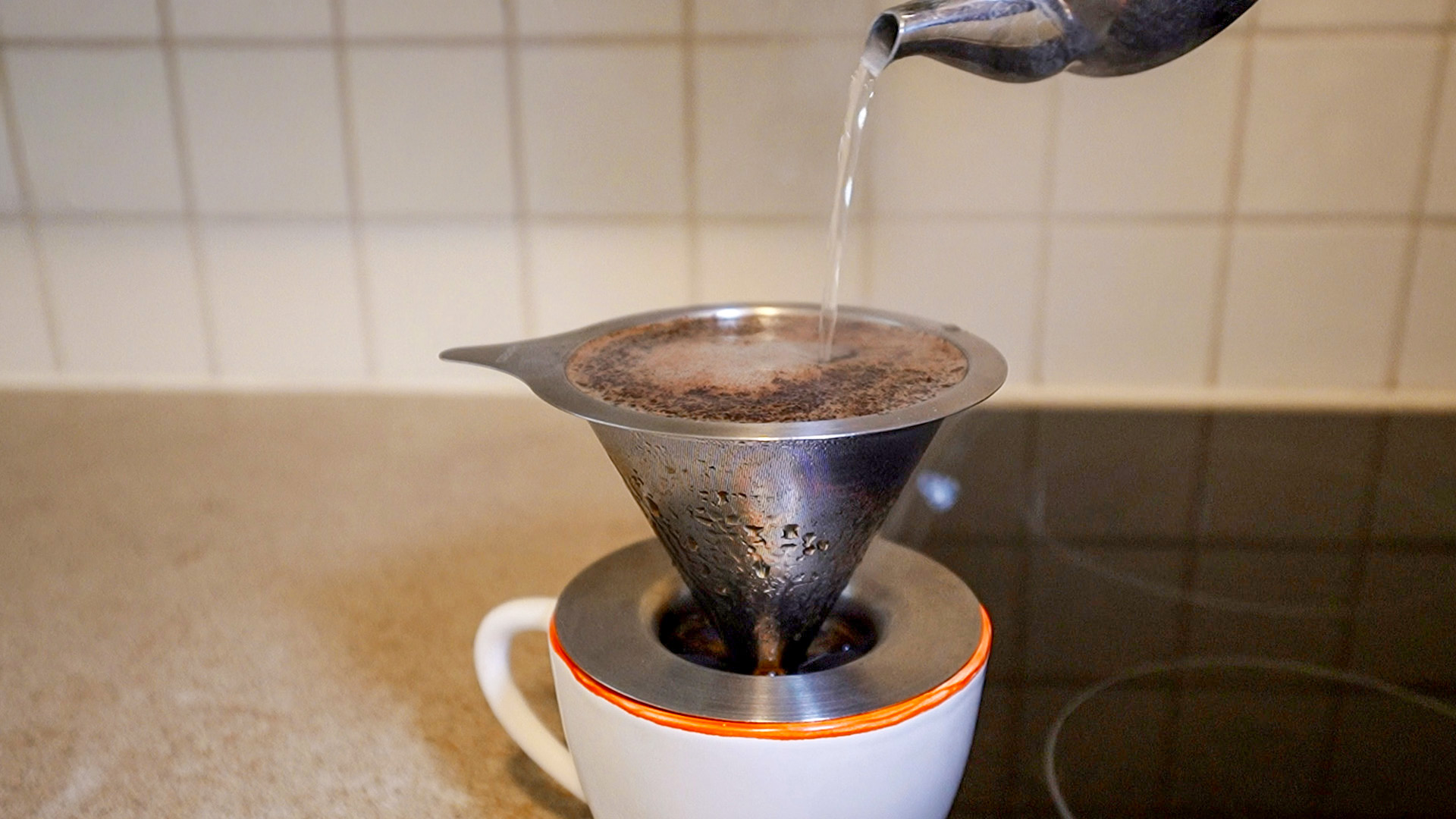
Moving toward reusable options—such as stainless steel mesh or organic cotton cloth—eliminates this waste entirely. However, there is an honest trade-off: metal filters allow more oils and sediment into the cup, resulting in a heavier body and a less "clean" flavor profile than paper. For those who prioritize the clarity of a traditional pour-over, composting remains the most viable path.
Beyond the filter, a holistic approach considers the water source and the bean's origin. By focusing on long-term gear and organic waste management, the morning ritual becomes a sustainable loop rather than a source of landfill contributions.
The Filter Dilemma: Taste vs. Sustainability
Choosing a sustainable filter is rarely just about waste; it is a trade-off between the "clean" cup you prefer and the environmental footprint you leave behind. The filter acts as the gatekeeper for coffee oils and fine sediments, which fundamentally alters the body and mouthfeel of your brew.

Comparing Your Options
For those prioritizing a zero-waste workflow, the choice usually falls between compostable paper, washable cloth, or permanent metal. Each impacts the final flavor profile differently.
| Filter Type | Waste Level | Flavor Profile | Maintenance |
|---|---|---|---|
| Unbleached Paper | Low (Compostable) | High clarity, crisp | Disposable |
| Organic Cloth | Very Low | Balanced, medium body | Rinse & store in fridge |
| Stainless Steel | Zero | Full body, oily | Dishwasher safe |
Finding Your Flavor Balance
If you enjoy a bright, tea-like coffee with distinct tasting notes, unbleached paper is the most reliable choice. Because paper traps most of the coffee's cafestol (oils) and micro-sediments, it produces a polished cup. While not "zero waste" in the strictest sense, these filters are compostable, making them a viable middle ground for those who cannot sacrifice clarity.
For a heavier, more textured brew, stainless steel is the gold standard for sustainability. Metal mesh allows oils to pass through into the cup, resulting in a richer mouthfeel similar to a French Press. However, you may notice a small amount of "sludge" at the bottom of your carafe.
Cloth filters sit comfortably in the middle. They offer more body than paper but more clarity than metal. To get the most out of a cloth filter, it is recommended to boil a new filter for ten minutes in fresh water to sanitize the fabric and pre-shrink the material before its first use. To prevent rancidity between brews, store your damp cloth filter in a container in the refrigerator.
Building a Plastic-Light Brewing Station
Transitioning to a zero-waste setup starts with removing the polymers that touch your hot water. While many modern drippers are made of lightweight plastics for convenience, these can degrade over time and may leach chemicals when exposed to boiling temperatures. Switching to inert, durable materials isn't just an environmental choice; it's a move toward gear that lasts a lifetime.

When selecting your hardware, prioritize materials that are chemically stable and easy to clean.
Sustainable Material Guide
-
Borosilicate Glass
Highly resistant to thermal shock and non-reactive, making it the gold standard for clean flavor profiles. -
Ceramic
Excellent heat retention properties that help maintain brew temperature, though they require a longer pre-heat. -
Stainless Steel
The most durable option for filters and carafes; completely plastic-free and virtually indestructible.
It is important to be honest about the trade-offs: ceramic and glass are more fragile than plastic, and stainless steel filters can allow more sediment and oils into the cup compared to paper. However, for those prioritizing a non-toxic environment, the shift is straightforward. Focus on the "wet path"—everything the water touches from the kettle to the cup.
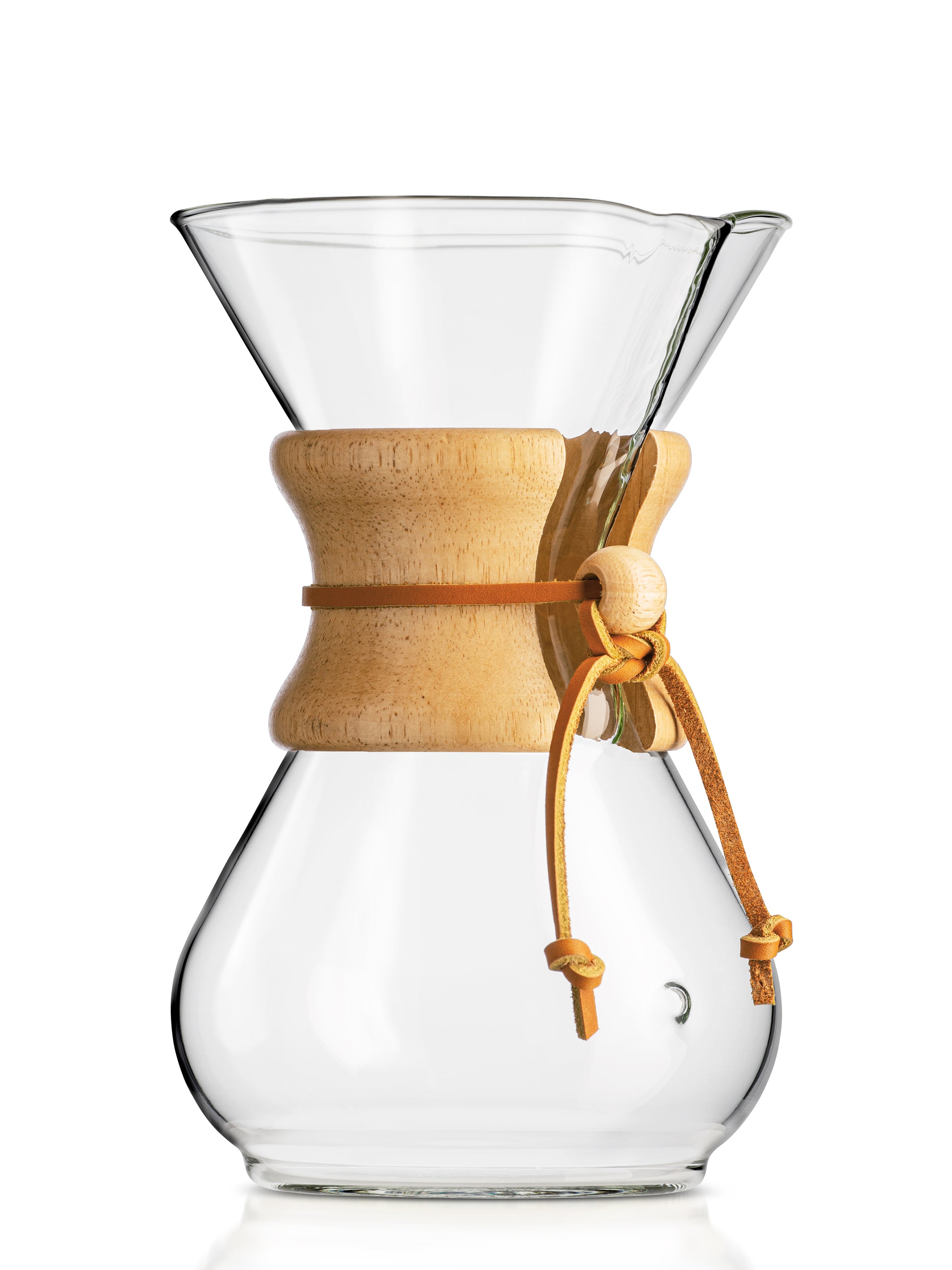

- High thermal mass
- Precision spiral ridges
- Sustainable ceramic build
As an Amazon Associate, we may earn from qualifying purchases.
How to Maintain Reusable Cloth Filters
Cloth filters provide a sustainable alternative to paper, but they require a specific maintenance routine to prevent rancid oil buildup and mold. Because fabric is porous, coffee oils can trap themselves in the fibers, which may lead to a bitter or "off" taste if the filter isn't cleaned thoroughly.
Before the first use, boil your new filter in fresh water for 10 minutes. This process sanitizes the fabric and pre-shrinks the material to ensure a snug fit in your dripper.
Immediately after brewing, rinse the filter under hot running water. Use your fingers to gently rub away the remaining grounds before they dry and adhere to the fabric.
Once a week, soak the filter in a mixture of hot water and a small amount of baking soda or a mild, fragrance-free soap to strip away accumulated oils.

Store the filter in a clean, airtight container in the refrigerator or freezer. This prevents the residual coffee oils from oxidizing and inhibits mold growth.
The After-Brew: Sustainable Disposal
Once the coffee is poured, the waste management phase begins. For most pour-over enthusiasts, this means dealing with a saturated puck of grounds and a discarded filter. Both are organic materials, but they require specific handling to ensure they benefit your soil rather than disrupting it.
Managing Your Grounds
Coffee grounds are nitrogen-rich "greens," making them an excellent addition to a compost pile. However, adding too many can lead to an imbalance in soil chemistry or create a dense, anaerobic layer that slows decomposition.
If you don't have a backyard bin, many municipal organics programs accept coffee grounds. If you apply them directly to the garden, mix them into the top layer of soil rather than leaving them in a thick mat, which can repel water.
Filtering for the Bin
Not all paper filters are created equal. To ensure your filter breaks down safely without leaving chemical residues in your garden, check the packaging for a specific label: Unbleached.
Bleached filters often use chlorine during processing, which is less ideal for a closed-loop composting system. Unbleached paper filters are fully compostable and can be tossed directly into the bin along with the grounds. If you have transitioned to cloth filters, these can be composted at the end of their lifespan, provided they are free of synthetic blends.
Sourcing Beans for 2026
Sustainable brewing starts before the water hits the filter. While many labels claim "eco-friendly" status, there is a clear hierarchy in how these certifications actually impact the land and the farmers.
Broad certifications like Fairtrade and Rainforest Alliance provide essential baseline protections for labor and basic environmental standards. However, for those seeking a truly regenerative impact, look for the Smithsonian Bird Friendly or Regenerative Organic certifications. These standards require shade-grown environments that preserve biodiversity and actively restore soil health.
Be aware that moving toward highly specialized, bird-friendly, or regenerative beans can sometimes result in a different flavor profile—often more nuanced and less "standardized" than mass-market organic blends. This is a trade-off for a supply chain that prioritizes ecosystem health over industrial consistency.
Common Sustainable Brewing Questions
Transitioning to a zero-waste setup often raises practical concerns about whether sustainability comes at the cost of coffee quality or convenience. While most sustainable alternatives are seamless, some require a slight adjustment in technique or taste expectations.
Daily Zero-Waste Coffee Checklist
-
Use a reusable filterRinse and dry it fully so it stays part of the routine.
-
Keep hot water off plasticFavor glass, ceramic, or stainless steel in the brew path.
-
Compost spent groundsBalance coffee grounds with dry carbon-rich material.
-
Buy beans with less packagingLook for bulk refill, returnable, or compostable packaging options.
No comments yet. Be the first to share your thoughts!