

The Rise of the Intelligent Brewer
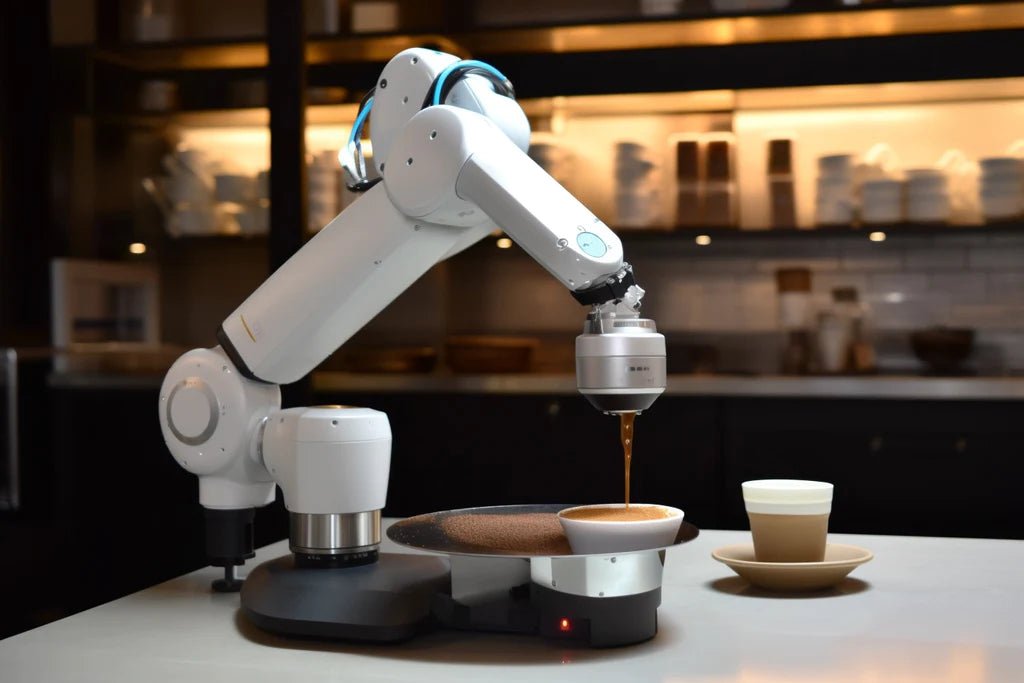
For years, 'smart' coffee makers meant programmable timers and app control. Now, artificial intelligence is changing how coffee is brewed, moving beyond convenience to fundamentally alter the process itself. This isn't about a robot arm pouring coffee; it's about the coffee maker becoming smarter about how it brews.
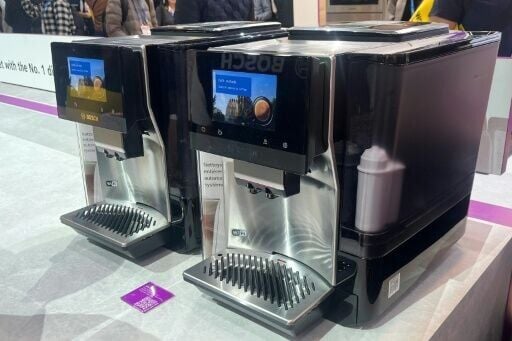
Innovations at events like CES, as TechRadar reported in early 2024, showed a move toward more sophisticated automation and data-driven brewing. Early examples like condensing espresso machines and faster cold brew systems hint at what's next. The focus is shifting from automating tasks to optimizing them with data and machine learning.
The goal is to elevate the consistency and quality of your daily cup, not replace the human element. It's like bringing a skilled barista's expertise into your kitchen, available at the touch of a button. This development promises to reshape our morning routines.
Decoding AI Brewing: What's Actually Happening?
Machine learning algorithms are at the heart of this revolution. They analyze brewing data—water temperature, bloom time, water flow rate, ambient humidity—to identify patterns and optimize the brewing process. More data processed means a more refined understanding and better coffee.
Predictive modeling is another key component. AI can predict the optimal coffee-to-water ratio for a given bean type and desired strength. This goes beyond pre-programmed settings, dynamically adjusting parameters based on real-time feedback to create a brewing profile tailored to your specific preferences.
Bean recognition is a potential, though still developing, area. A coffee maker could identify the type of bean you're using—Arabica, Robusta, a specific origin—and automatically adjust brewing parameters. This requires sophisticated image recognition or sensor technology and is likely several years away from being standard, but the possibility exists.
The AI isn’t "making" decisions in the human sense. It identifies correlations and applies them to achieve a desired outcome—a perfectly brewed cup of coffee. It's about data analysis and precise control, not artificial creativity.
Automated Pour Over: The Precision Revolution
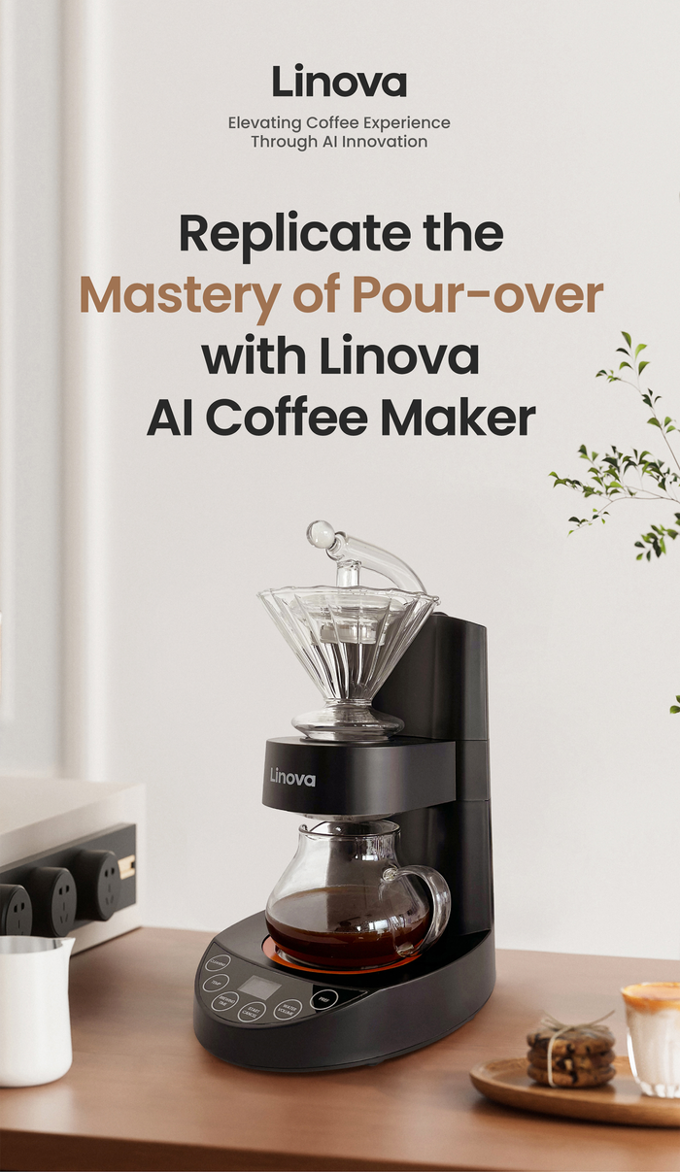
Pour over coffee, with its emphasis on technique and precision, is a natural fit for AI-powered automation. Traditionally, a perfect pour over requires a steady hand, precise water temperature control, and consistent pouring speed—all areas where AI excels. Imagine a machine that replicates a skilled barista's technique, every single time.
AI-driven pour over systems maintain consistent water temperature throughout brewing, ensuring optimal extraction. They control flow rate with incredible accuracy, delivering consistent and even saturation of coffee grounds. The bloom phase—the initial wetting of the grounds—is also carefully controlled, maximizing flavor development.
Compared to the skill and consistency required of a human barista, these automated systems offer unattainable repeatability. This democratizes access to high-quality pour over coffee, allowing anyone to enjoy a perfectly brewed cup without years of practice. As detailed in our pour over guide on Real Coffee Club, consistency is key, and AI delivers that.
The result is a more nuanced and flavorful cup of coffee, free from the inconsistencies that often plague manual brewing methods. This is a significant step forward for coffee enthusiasts.
Beyond Pour Over: AI in Other Brewing Methods
AI's potential isn't limited to pour over. Drip coffee makers could optimize the bloom phase and extraction process, adjusting water temperature and flow rate based on the amount of coffee used. This could result in a more balanced and flavorful cup, even with a standard drip machine.
Espresso machines could benefit from AI-powered grind size and pressure adjustments. The machine could learn your preferred espresso profile—crema thickness, shot volume, extraction time—and automatically adjust settings to achieve it, eliminating much of the guesswork in dialing in a perfect espresso shot.
Even cold brew, a typically passive brewing method, could be enhanced by AI. Controlling steeping time and temperature—factors that significantly impact final flavor—could produce a smoother, less acidic cold brew. It's about fine-tuning the process to extract optimal flavor compounds.
While these applications are still largely speculative, they illustrate AI's broad potential to revolutionize coffee brewing. The core principle remains: using data and machine learning to optimize the brewing process for a consistently delicious cup.
Personalized Coffee: Your Taste, Optimized
AI's real power in coffee brewing lies in personalization. Imagine a coffee maker that learns your preferences—strength, flavor profile, even the time of day you typically drink coffee—and automatically adjusts brewing parameters. No more manual adjustments or experimentation; the machine knows what you like.
This personalization could extend to bean recommendations. Based on your past choices and ratings, the AI could suggest new beans you might enjoy. This is valuable for coffee drinkers looking to explore different origins and flavor profiles. It's a seamless way to discover your next favorite coffee.
Integration with coffee subscription services is a natural extension. Your AI coffee maker could automatically order beans when they're running low, ensuring you never run out of your favorite brew. This convenience and automation is a game-changer for busy coffee lovers.
The goal is to create a coffee experience tailored to your individual tastes, effortlessly and consistently. It's about taking the guesswork out of brewing and delivering a perfect cup, every time.
Find Your Perfect Brew: A Flavor Profile Quiz
As AI-powered coffee makers become more sophisticated, understanding your preferred flavor profile is key to unlocking the perfect cup. This short quiz will help you identify your ideal taste, guiding you towards optimal bean choices and brewing parameters for the future of smart brewing.
The Data Privacy Question
With AI-powered coffee makers collecting data about your brewing habits, privacy concerns are paramount. These machines could track how much coffee you drink, what types of beans you prefer, and when you typically brew. This data, if mishandled, could be a privacy risk.
Manufacturers must address these concerns proactively. Data encryption is essential to protect your brewing data from unauthorized access. Anonymization techniques can remove personally identifiable information. User control over data sharing is also crucial—you should be able to opt out of data collection or delete your brewing history.
Transparency is key. Manufacturers should clearly explain what data they collect, how they use it, and what security measures protect your privacy. Building trust with consumers is essential for widespread adoption of AI-powered coffee makers.
It's a delicate balance—leveraging personalization benefits while respecting your
What to Expect by 2026: A Realistic Outlook
By 2026, I anticipate that AI-powered features will become increasingly common in high-end coffee makers, but a complete revolution isn’t likely. We’ll see more widespread adoption of intelligent brewing algorithms, personalized brewing profiles, and automated pour over systems. However, fully autonomous, self-aware brewing systems are still likely several years away.
Expect incremental improvements rather than radical breakthroughs. AI will be used to refine existing brewing methods, optimizing parameters and enhancing consistency. The focus will be on making coffee brewing more convenient, more personalized, and more enjoyable.
Price points will likely range from $300 to $800 for a fully featured AI coffee maker. These machines will target coffee enthusiasts who are willing to pay a premium for the latest technology and the highest quality brew. More affordable options with limited AI features may also emerge.
The market will be driven by a desire for convenience and customization. Consumers are increasingly looking for products that can simplify their lives and cater to their individual preferences. AI-powered coffee makers are well-positioned to meet this demand.
The Future of Bean-to-Cup
Looking further ahead, the potential for AI to integrate with the entire coffee supply chain is immense. Imagine a system that not only brews your coffee perfectly but also automatically orders beans when they’re running low, based on your consumption patterns and preferred roasters.
AI could also play a role in bean sourcing and roasting, optimizing the entire process to ensure the highest quality and sustainability. It’s a vision of a truly seamless coffee experience, from bean to cup, all powered by artificial intelligence.
This is, of course, a long-term vision. But as AI technology continues to evolve, the possibilities are endless. The future of coffee is intelligent, personalized, and incredibly convenient.
No comments yet. Be the first to share your thoughts!