

Why ratio matters more than grind
Most home brewers chase the perfect grind size, assuming it is the single lever that controls flavor. This is a common misconception. While grind size dictates extraction speed, the water-to-coffee ratio is the primary driver of flavor clarity and strength. You can have a perfectly uniform grind, but if the water volume is wrong, the cup will still taste unbalanced.
Think of the ratio as the foundation of a house. The grind size is the paint on the walls. You can choose any color you like, but if the foundation is cracked, the house will not stand. In pour over brewing, the ratio determines the concentration of dissolved solids. A change in ratio shifts the entire flavor profile, moving the cup from watery and sour to syrupy and bitter. A change in grind size only adjusts the rate at which those flavors are extracted.
The Real Coffee Club approach prioritizes precise measurement because it isolates variables. When you fix the ratio, you can then tweak the grind to fine-tune the extraction without worrying about changing the strength. This methodical process ensures that every cup is consistent, allowing you to identify exactly which variable is responsible for any off-flavors. Without this baseline, you are not brewing; you are guessing.
Calculate your Chemex water to coffee ratio
The Chemex is a unique brewer. Its thick, proprietary filters remove more oils and sediment than a standard cone, resulting in a cleaner, brighter cup. Because the filter is so restrictive, the standard 1:15 ratio often produces a flat or under-extracted brew. To balance the filtration power, you need to adjust your grind size and water volume precisely.
Think of the Chemex ratio as a dial for clarity. Too little coffee, and the thick paper swallows the flavor entirely. Too much, and the water cannot pass through efficiently, leading to over-extraction and bitterness. Finding the sweet spot requires calculating the exact grams of coffee for your desired water volume.
Use the calculator below to determine the precise coffee weight for your Chemex. Input your desired water volume in milliliters and select your preferred strength. The tool applies the recommended ratios for Chemex brewing to give you the exact gram amount needed.
Step 1: Weigh your water first
Precision starts with the water. The Chemex is sensitive to volume because the filter absorbs a significant amount of liquid before it even touches the coffee grounds. Most brewers weigh the water in the kettle or carafe to ensure accuracy. For a standard Chemex, aim for 600ml to 1000ml of water, depending on your serving size.
Step 2: Apply the ratio
The calculator above handles the math, but understanding the baseline helps. For a Standard Chemex brew, use a 1:13.3 ratio (roughly 7.5% coffee). For a Mild brew, use 1:15 (6.67%). For a Strong brew, use 1:12.5 (8%). These ratios account for the filter's absorbency and the need for a longer contact time to extract flavor from the coarse grind.
Step 3: Grind coarse and consistent
Once you have your coffee weight, grind your beans to a coarse consistency, similar to sea salt. The Chemex requires a coarse grind to prevent clogging and over-extraction. If the grind is too fine, the water will sit on top of the bed, leading to a bitter, muddy cup. If it's too coarse, the water will flow through too quickly, resulting in a weak, sour brew.
Filter thickness and vessel geometry
The thickness of the filter paper and the shape of the brewer determine how water flows through the coffee bed. Thicker filters, like those used in the Chemex, trap more oils and fines, requiring a slightly different ratio to maintain clarity without extracting too much bitterness. Thinner paper, as found in the Hario V60, allows more oils through, often calling for a marginally higher coffee dose to balance the increased extraction speed.
The vessel geometry also plays a role. A flat-bottomed Kalita Wave slows down the flow compared to the spiral ridges of a V60. This slower flow allows for a slightly coarser grind and a different water-to-coffee balance. Understanding these mechanical differences helps you adjust your ratio for the specific equipment in your kitchen.

The table below outlines the standard ratios recommended by Real Coffee Club for three popular pour-over methods. These starting points account for the unique flow dynamics of each brewer.
| Brewer | Ratio (Coffee:Water) | Grind Size | Filter Type |
|---|---|---|---|
| Chemex | 1:16 | Medium-Coarse | Thick bonded |
| Hario V60 | 1:15 | Medium | Thin paper |
| Kalita Wave | 1:16 | Medium | Flat paper |
Avoid common pouring mistakes
An accurate ratio is useless if the extraction process is flawed. The way you pour water determines how evenly the coffee grounds dissolve. Inconsistent pouring creates channels where water flows too fast, leaving behind bitter compounds and weak flavor.
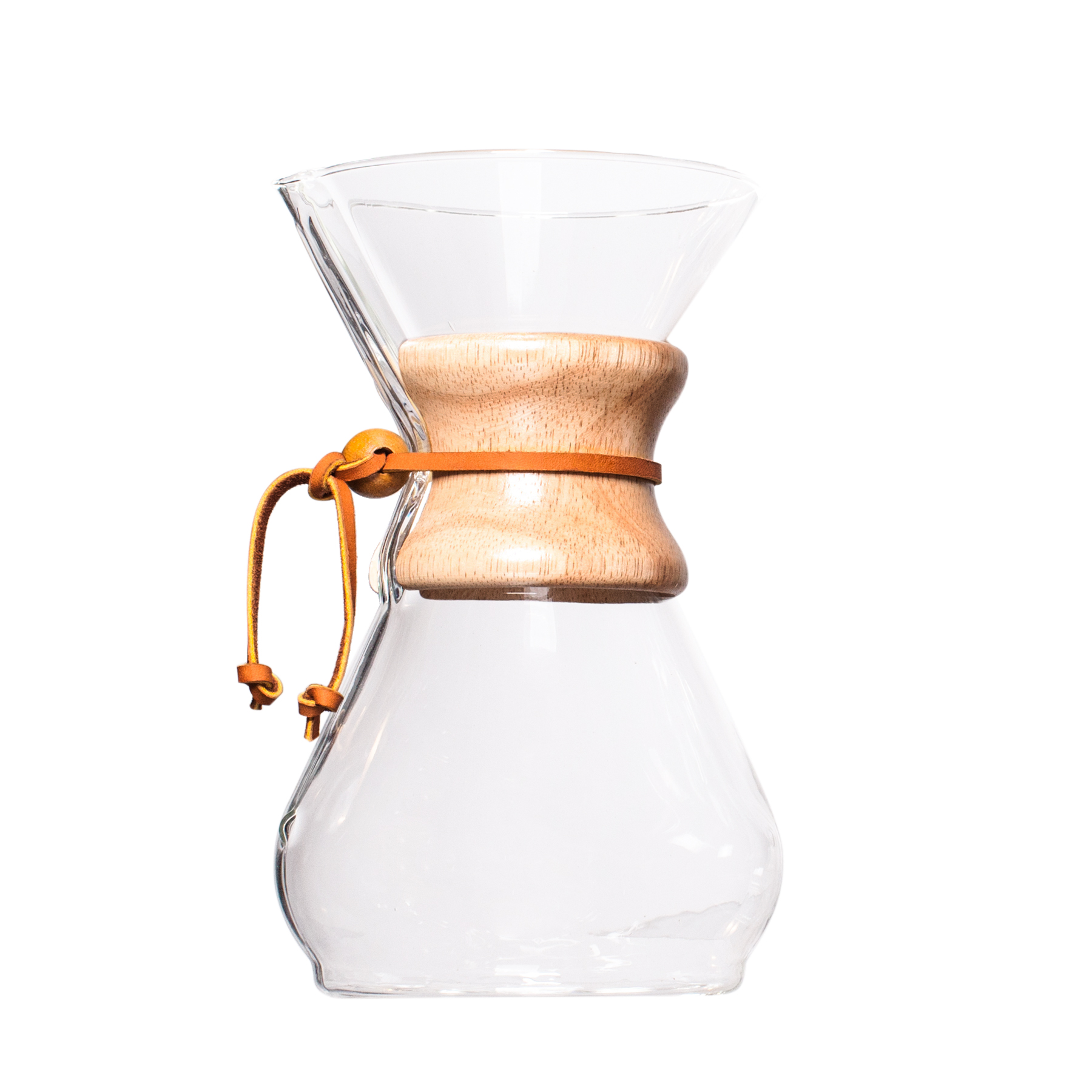
Pouring in tight, continuous spirals can agitate the bed too much, leading to over-extraction in the center and under-extraction at the edges. Instead, pour in small, controlled circles, moving outward and then back inward. This ensures every part of the coffee bed receives equal water volume and agitation.
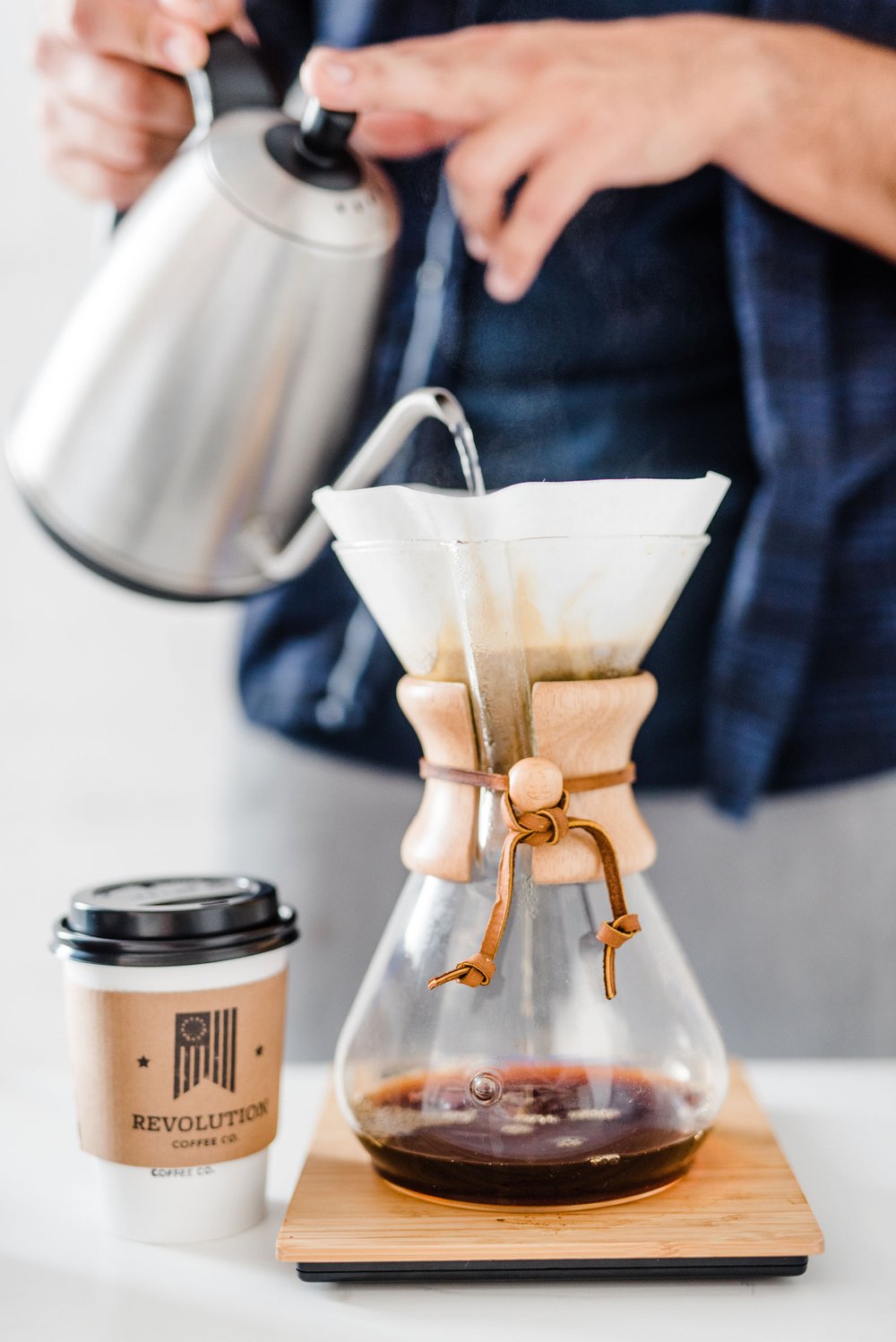
Pouring directly onto the filter paper bypasses the coffee grounds entirely. This water washes through without extracting flavor, diluting your brew and creating a sour, watery cup. Aim for the center of the coffee bed, keeping the stream steady and focused on the grounds.
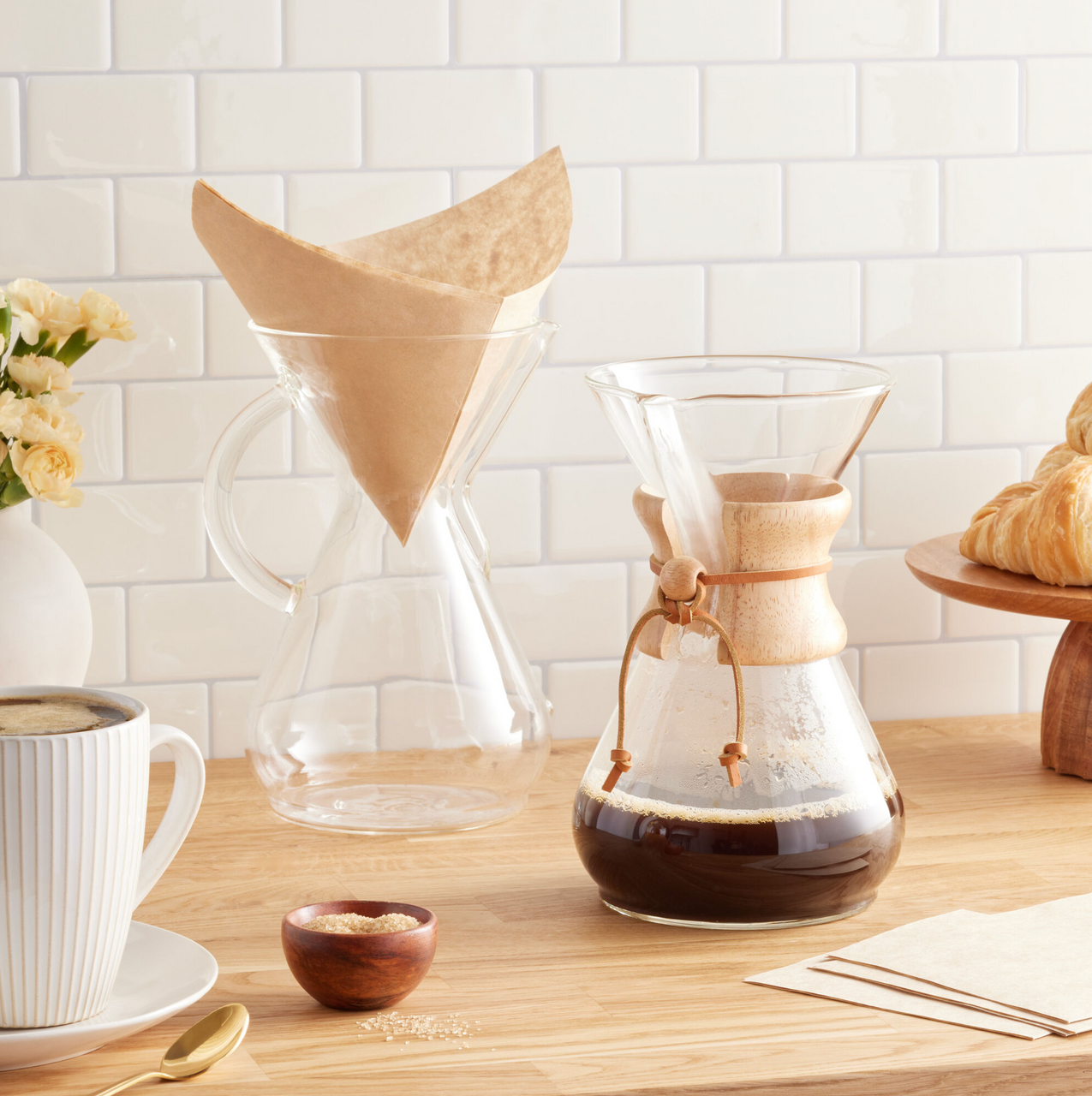
Over-pouring is the most common error. If your recipe calls for 300 grams of water, stop pouring once the scale reaches 300g. Adding extra water dilutes the concentration, negating your carefully calculated ratio. Trust the scale, not your intuition.
These mistakes are subtle but cumulative. A single inconsistent pour can shift your total dissolved solids (TDS) by 0.2%, enough to make a balanced cup taste sharp or muddy. Precision in pouring is just as important as precision in weighing.
Taste notes and adjustment tips
Your pour over ratio is the primary lever for balancing acidity and bitterness. Understanding how these variables interact allows you to dial in a clean, sweet cup rather than guessing blindly. When the brew tastes sour or sharp, the coffee is under-extracted. When it tastes dry, hollow, or harsh, it is over-extracted. These sensations are direct signals that your grind size or water-to-coffee ratio needs correction.
Sourness indicates that the water flowed through the grounds too quickly or lacked the strength to dissolve enough sugars. To fix a sour cup, you must increase extraction. You can achieve this by using a finer grind, which exposes more surface area to the water, or by slightly increasing the coffee dose relative to the water. A finer grind slows the flow rate, giving the water more time to pull out the complex carbohydrates that provide sweetness.
Bitterness signals over-extraction, often caused by water sitting in the coffee bed too long or the grind being too fine. To reduce bitterness, coarsen your grind to speed up the flow, or use a slightly lower coffee dose. If your water is too hot, it can also scorch the grounds, leading to astringency. Aim for a balanced profile where the initial acidity is bright but rounded by a clean, sweet finish. Adjust one variable at a time to isolate the effect on the flavor profile.
Frequently asked questions about brewing
What is the best water-to-coffee ratio for Chemex?
For a Chemex, a ratio between 1:15 and 1:16 is standard. Because the thick filter removes more oils and sediment, a slightly higher water volume (lower coffee dose) compared to other brewers helps maintain clarity without making the cup taste watery. Start with 1:16 for a balanced cup.
How does filter thickness affect extraction?
Thicker filters, like those in the Chemex, trap more oils and fines, resulting in a cleaner cup but requiring a coarser grind to prevent clogging. Thinner filters, like those in the Hario V60, allow more oils through, which can add body but may require a finer grind to ensure sufficient extraction time.
Why does my Chemex brew taste sour?
Sourness typically indicates under-extraction. In a Chemex, this is often caused by a grind that is too coarse or a ratio with too much water. Try grinding slightly finer or reducing the water volume to increase the concentration and extraction yield.
Why does my Chemex brew taste bitter?
Bitterness usually signals over-extraction. This can happen if the grind is too fine, causing the water to flow too slowly, or if the water temperature is too high. Try coarsening your grind or lowering your brewing temperature to reduce bitterness.
No comments yet. Be the first to share your thoughts!