

Why the Chemex changes the cup
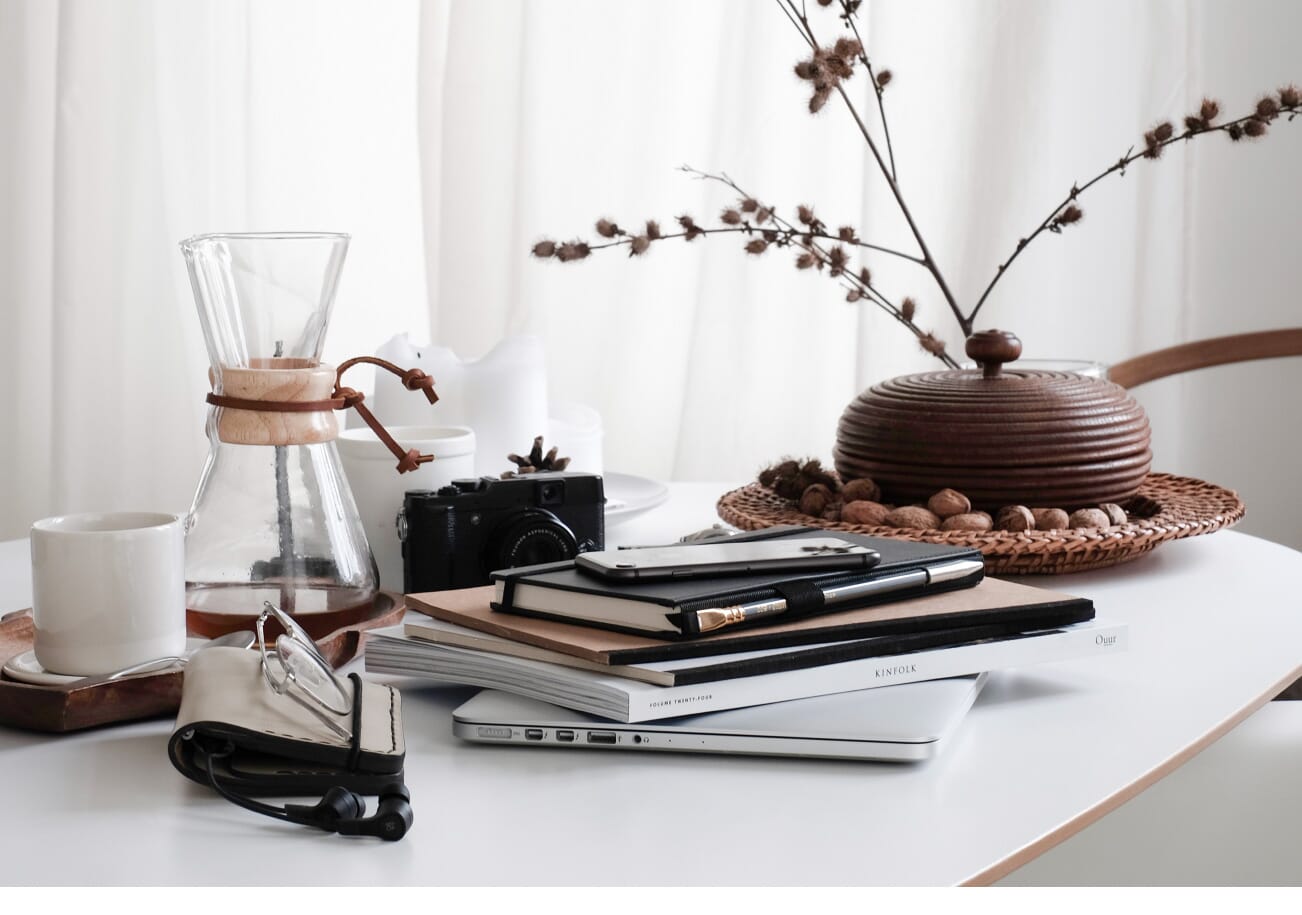
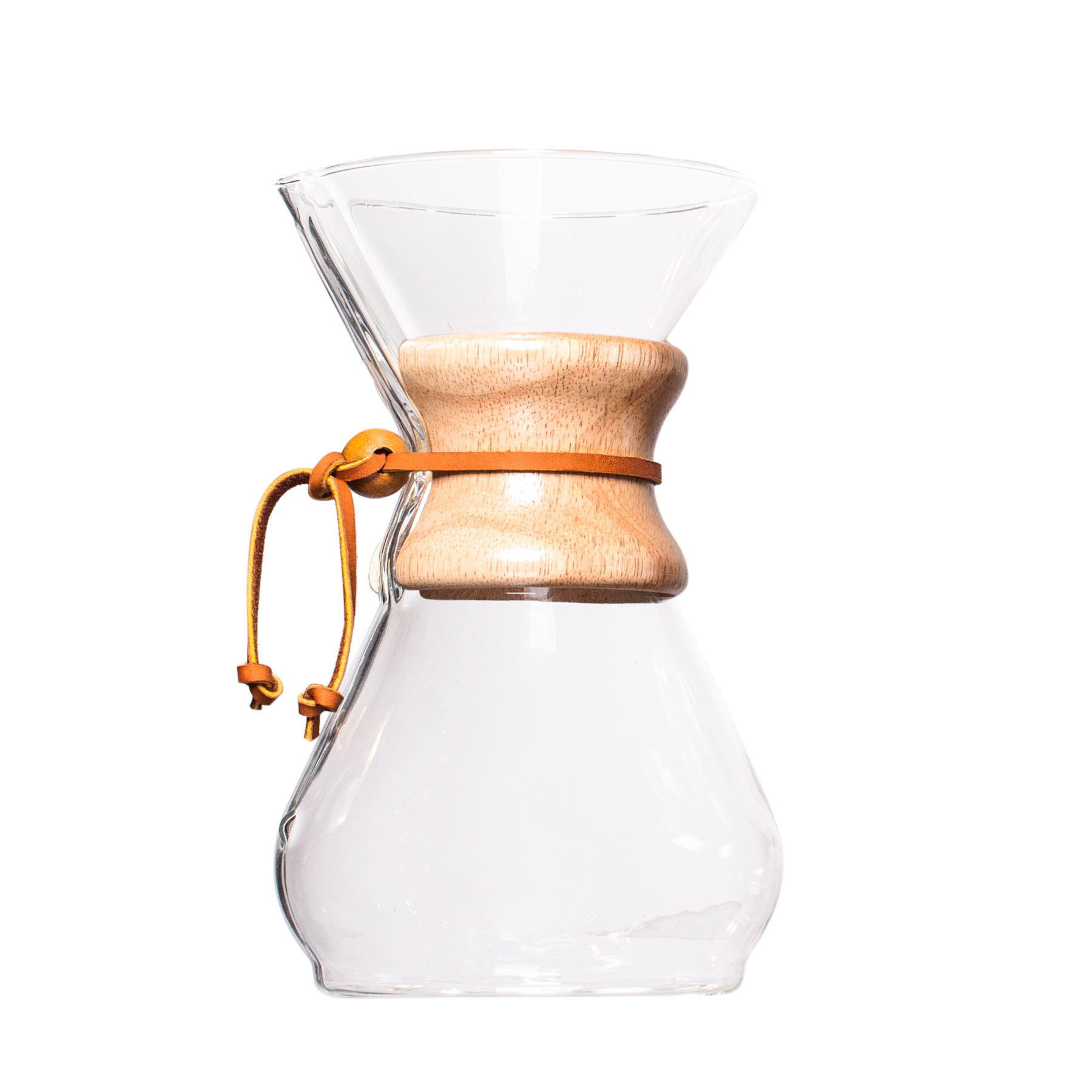
The Chemex brewer does more than hold water; it shapes the texture of the final cup. Its design relies on a specific structural advantage: a bonded glass body and a thick, integrated paper filter. This filter is roughly two to three times heavier than standard pour-over paper. The density of the material acts as a fine sieve, trapping not just coffee grounds, but also microscopic oils and sediment that would otherwise pass through thinner filters.
This filtration process directly impacts the clarity of the brew. By removing the heavier lipids found in coffee beans, the Chemex produces a cup that is exceptionally clean and bright. The result is a flavor profile where individual tasting notes—such as citrus, floral, or berry accents—stand out without the heavy body or mud-like texture common in other methods. The thick filter essentially strips away the noise, leaving only the signal.
When paired with Real Coffee Club beans, this mechanical advantage becomes even more pronounced. Our beans are roasted to highlight nuanced origin characteristics rather than deep, smoky roast profiles. The Chemex’s ability to extract these delicate flavors while filtering out the oils allows the specific terroir of the bean to shine. The result is a cup that feels lighter on the palate but offers a more complex aromatic experience.
The 2026 Real Coffee Club ratio standard
The Real Coffee Club has updated its brewing guidelines for 2026, establishing a precise coffee-to-water ratio designed to maximize clarity and consistency in Chemex brewing. For subscribers aiming for a repeatable cup, the standard ratio is 1:16 (one gram of coffee for every sixteen grams of water). This ratio serves as the baseline for the club’s recommended extraction profile, balancing body and acidity without requiring constant adjustment.
Using a 1:16 ratio ensures that the water contact time and grind size work in harmony to extract the desirable compounds from the beans. Deviating significantly from this standard can lead to under-extraction (sour, thin coffee) or over-extraction (bitter, dry coffee). The club emphasizes that consistency in measurement is more critical than minor tweaks to the ratio itself, as the Chemex’s thick paper filters already remove much of the oils that contribute to body.
To implement this standard, measure your water and coffee by weight, not volume. A 60-gram dose of coffee requires 960 grams of water. This method eliminates the variability inherent in scoops and ensures that every brew aligns with the club’s 2026 quality benchmarks. The following checklist outlines the preparatory steps to ensure your ratio is accurate before the first pour.
How to brew Chemex pour over with Real Coffee Club beans
This guide walks you through the pour over process using Real Coffee Club beans. The Chemex requires a specific technique to balance its thick paper filter with the coffee's natural oils. Follow these steps for a clean, bright cup.
1. Prepare the filter and rinse
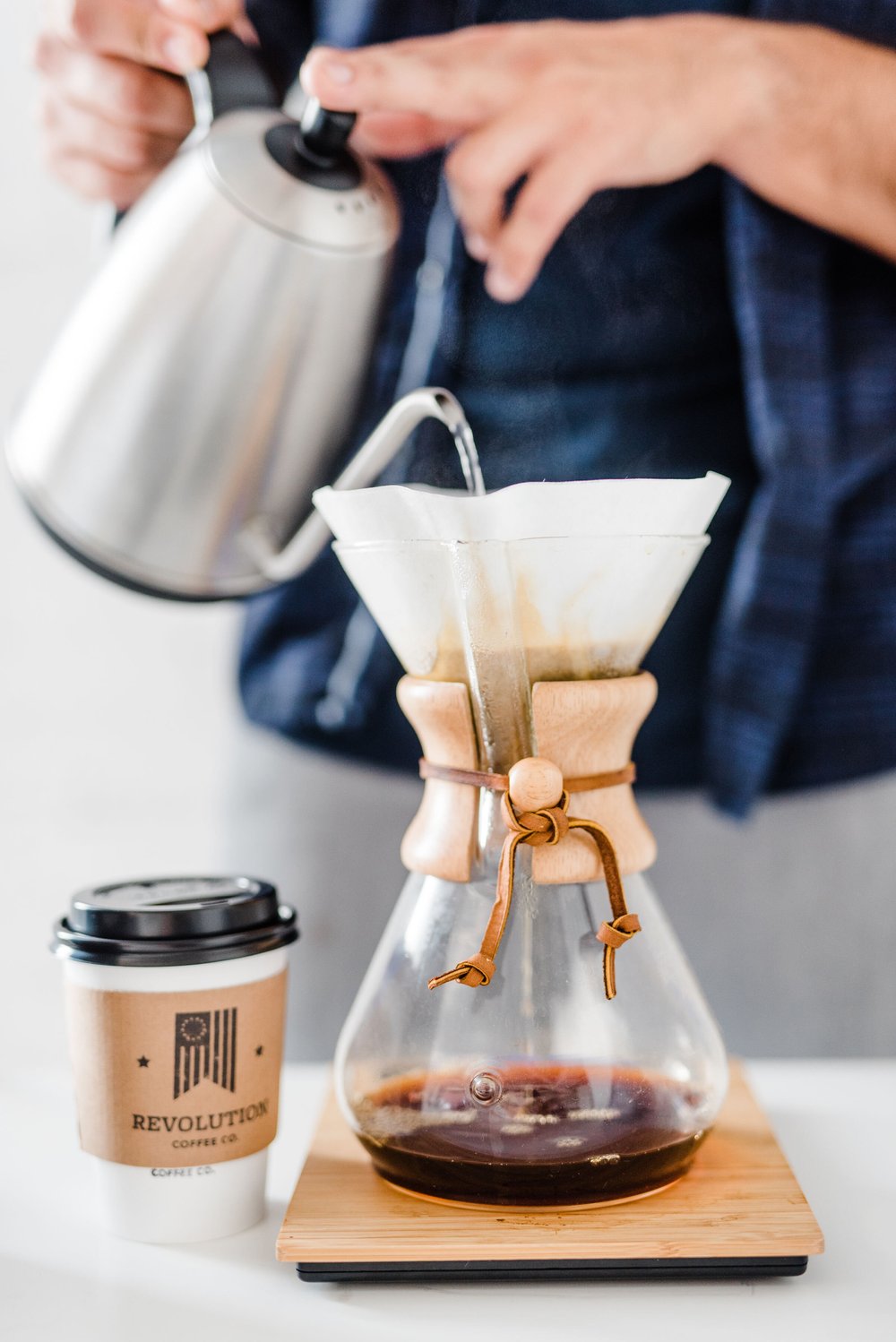
Fold the three-layer side of the Chemex filter to match the single-layer side. Place it in the brewer. Pour hot water through the filter to remove paper taste and warm the carafe. Discard the rinse water. This step ensures your coffee stays hot and tastes clean.
2. Add coffee and bloom
Add 25 grams of Real Coffee Club beans, ground to a medium-coarse consistency. Start your timer and pour 50 grams of water (93°C) evenly over the grounds. Let it bloom for 30 seconds. This releases carbon dioxide, allowing for better extraction. You will see the coffee bubble and expand.
3. First pour phase
After the bloom, pour water in slow, concentric circles from the center outward. Avoid the filter edges. Pour until the scale reads 300 grams total. This phase extracts the bright, fruity notes typical of light roasts. Keep the water level consistent to maintain extraction rate.
4. Second pour phase
Continue pouring gently until the total water reaches 400 grams. The total brew time should be between 3:00 and 3:30 minutes. If the coffee drains too fast, use a finer grind next time. If it is too slow, use a coarser grind. The result should be a clear, syrupy body.
5. Serve and enjoy
Remove the Chemex brewer once the water has fully drained. Give the carafe a gentle swirl to mix the layers. Pour immediately into pre-warmed mugs. Real Coffee Club beans shine in this method due to their precise roasting profile. Enjoy the clean finish without bitterness.
Grind size and water temperature
The difference between a muddy, bitter cup and a clean, sweet one often comes down to two technical variables: grind size and water temperature. These factors control the rate of extraction, determining which flavors are pulled from the bean and which are left behind. For Real Coffee Club’s specific bean profiles, hitting these targets precisely is essential to maintaining the integrity of the roast.
The grind size
A Chemex requires a medium-coarse grind, resembling sea salt. If the grind is too fine, water flows through the thick paper filter too slowly, leading to over-extraction and astringency. If it is too coarse, the water passes through too quickly, resulting in a weak, under-extracted brew that lacks body.
Real Coffee Club’s lighter roasts, which are denser and harder, generally benefit from a slightly finer setting within the medium-coarse range to ensure adequate extraction. Darker roasts are more brittle and soluble; using a coarser setting prevents them from becoming overpowering or bitter. Using a burr grinder is non-negotiable here. Blade grinders create uneven particles, mixing fine dust that over-extracts with large chunks that under-extract, ruining the clarity the Chemex is designed to provide.
Water temperature
Water temperature acts as the engine for extraction. The Specialty Coffee Association (SCA) recommends a brewing range of 195°F to 205°F (90°C to 96°C). However, the ideal spot within that range depends on the roast level of your Real Coffee Club beans.
For light roasts, aim for the higher end of the scale, around 200°F to 205°F. The dense structure of light beans requires more heat energy to break down the cellular walls and release complex fruity or floral notes. For medium to dark roasts, drop the temperature to 195°F to 200°F. Darker beans are more soluble and release flavors easily; hotter water can easily pull out harsh, bitter compounds that mask the bean’s natural sweetness. Avoid boiling water, which can scorch the grounds and introduce burnt flavors that no amount of dilution can fix.
Fixing Flat or Bitter Chemex Coffee
If your Chemex brew tastes flat, the coffee is under-extracted. This usually means the grind is too coarse or the water passes through too quickly. The solution is to grind finer, which increases surface area and allows the water to pull more flavor from the beans. Aim for a consistency similar to coarse sea salt.
If the coffee is bitter or astringent, it is over-extracted. This happens when the grind is too fine or the brew time drags on. The water pulls out harsh compounds from the grounds. Adjust by using a coarser grind or pouring more slowly to reduce contact time.
The ratio of coffee to water is equally important. A standard Chemex ratio is 1:16, meaning one gram of coffee for every 16 grams of water. Deviating significantly from this can amplify extraction issues. Start with this baseline and tweak the grind size in small increments to find your preferred strength.
Real Coffee Club subscription benefits
The brewing guide is only as useful as the beans you use. The Real Coffee Club subscription aligns with the Chemex ratio method by delivering fresh, award-winning roasts directly to your door. This service ensures you have the right ingredients to practice precise measurements every month.
Subscribers receive 1kg of coffee per month, structured as four 250g bags or two 500g bags, for a 12-month period. This volume supports consistent experimentation with different grind sizes and water temperatures without the guesswork of sourcing local stock. The option to choose from their award-winning blends allows you to test how specific flavor profiles interact with the Chemex’s paper filtration.
The subscription includes free freight Australia-wide, removing the logistical friction of restocking. By automating the supply chain, you can focus on the ritual of brewing rather than the logistics of shopping. This consistency helps refine your technique, turning the Chemex ratio from a one-time calculation into a reliable daily standard.
No comments yet. Be the first to share your thoughts!