

Why pour over coffee matters
Manual brewing methods like pour over coffee offer a level of control that automatic machines simply cannot match. By managing variables such as water temperature, pour rate, and grind size, you gain direct influence over the extraction process. This precision allows you to highlight the specific flavor profiles of your beans, turning a daily routine into a deliberate craft.
The Real Coffee Club’s award-winning blends are crafted with these manual methods in mind. Each month, subscribers receive fresh, high-quality beans designed to shine when brewed with care. Whether you choose a single-origin light roast or a complex dark blend, the pour over method reveals nuances that might otherwise be lost. This approach ensures that every cup reflects the true character of the coffee.
For those seeking to deepen their appreciation of specialty coffee, mastering the pour over technique is a rewarding step. It transforms the act of making coffee from a simple necessity into an engaging ritual. By focusing on the process, you not only improve the taste of your brew but also develop a deeper connection to the beans you enjoy.
Choosing the right Real Coffee Club blend
Selecting the correct bean profile is the first step in mastering pour over extraction. The Real Coffee Club subscription offers a structured way to explore different roast levels and origins, but not every bag performs equally across all brewing methods. Pour over coffee relies on precise water contact time and temperature to extract flavor compounds. Your choice of beans should align with the specific characteristics you want to highlight in your cup.
Single Origin vs. Blend
Single origin beans come from one specific region or farm, offering distinct flavor notes that reflect the local terroir. These beans often have brighter acidity and complex fruit or floral notes. They are excellent for pour over because the method allows you to taste these subtle nuances without interference. A light roast single origin, for example, will shine in a V60 or Chemex, where the clean flow highlights the bean's natural sweetness.
Blends, on the other hand, combine beans from multiple origins to create a balanced and consistent profile. Real Coffee Club’s award-winning blends are designed to provide a harmonious mix of body, sweetness, and acidity. These are ideal for drinkers who prefer a reliable, full-bodied cup that works well with a wider range of pour over techniques. The consistency of a blend can be forgiving if your grind size or water temperature varies slightly.
Matching Beans to Your Pour Over Style
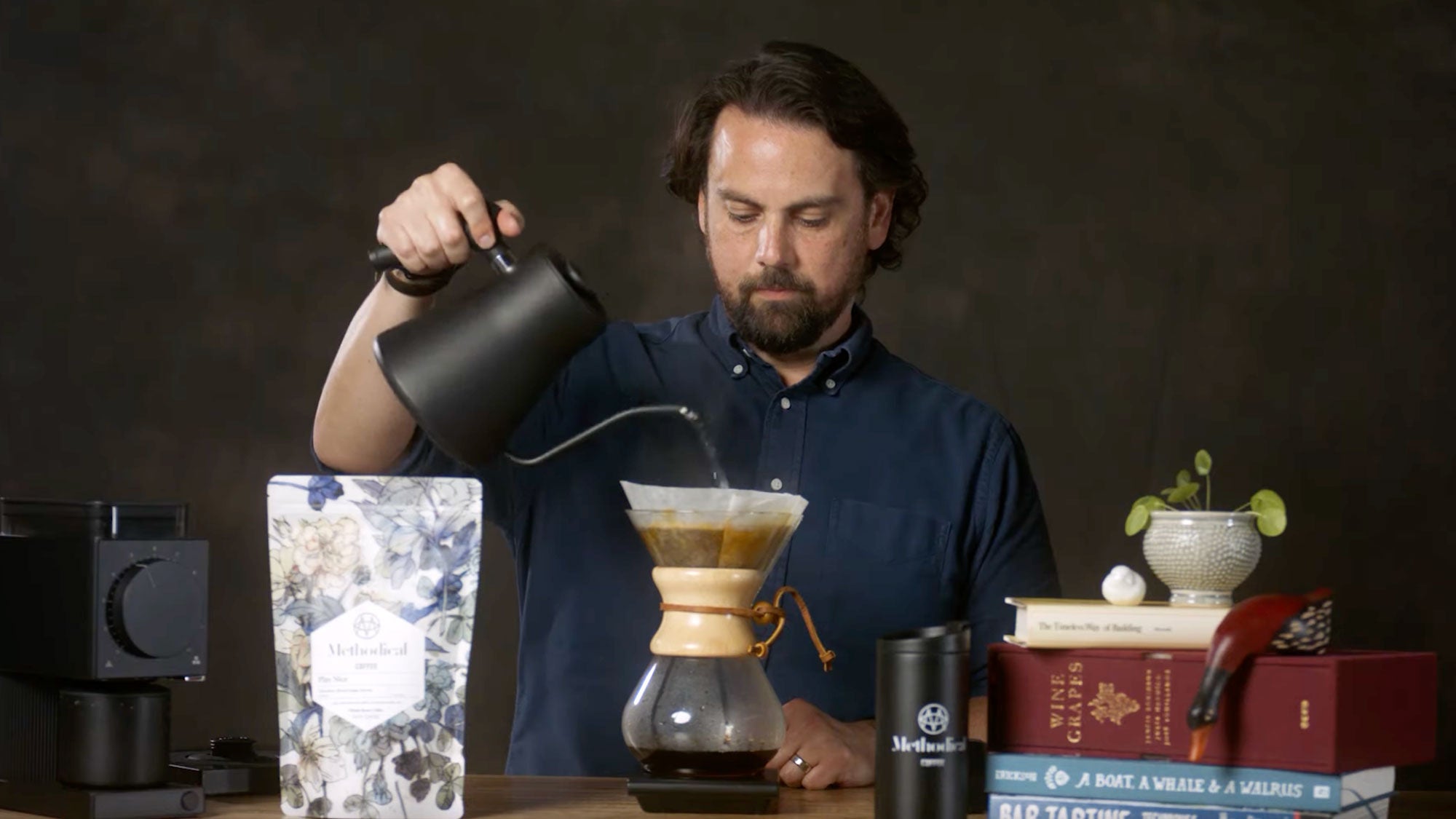
The grind size and pour speed you use should dictate your bean choice. For a fast, aggressive pour like the Hario V60, a lighter roast or single origin works best. The quick extraction time prevents over-extraction of the delicate acids. For a slower, more methodical pour like the Chemex or Kalita Wave, a medium roast or a blend provides enough body to stand up to the longer contact time. This ensures the coffee remains sweet and not overly sour.
When starting with the Real Coffee Club, consider your preferred flavor profile. If you enjoy bright, tea-like coffees, start with their light roast single origins. If you prefer chocolatey, nutty notes, their medium roast blends are a safer bet. The subscription allows you to rotate these profiles monthly, giving you the opportunity to test how different beans interact with your specific pour over technique. This iterative process helps you refine your brewing skills and find the perfect match for your palate.
Setting the correct coffee to water ratio
The ratio of coffee to water is the single most important variable in pour over brewing. It determines the strength and balance of your cup. Get this wrong, and no amount of skill with your pour technique will save the brew. A ratio that is too low produces a weak, watery cup. A ratio that is too high results in a bitter, over-extracted mess.
The Specialty Coffee Association (SCA) recommends a starting ratio of 1:16. This means for every gram of coffee, you use 16 grams of water. This standard provides a balanced extraction that highlights the coffee’s natural flavors without overwhelming bitterness.
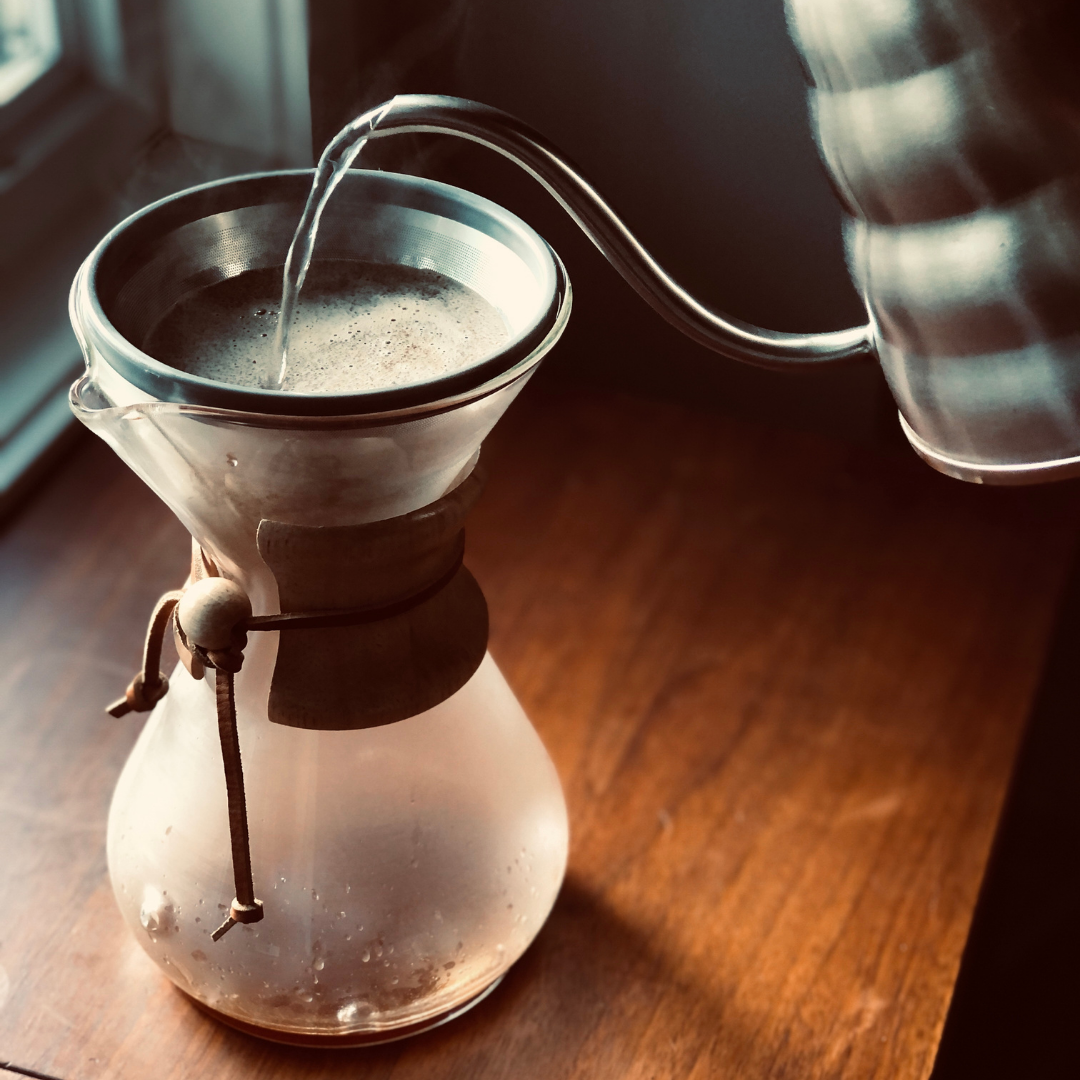
To apply this, you need a digital scale. Measuring by volume (tablespoons) is unreliable because coffee density varies by roast and grind. Weighing your beans and your water ensures consistency. Start with 15 grams of coffee and 240 grams of water. This is a manageable amount for a single cup or a small Chemex.
If your coffee tastes sour or underdeveloped, increase the coffee amount slightly (e.g., 1:15). If it tastes harsh or dry, decrease the coffee (e.g., 1:17). Adjust in small increments until you find the balance that suits your palate. This mathematical approach removes guesswork and turns brewing into a repeatable process.
Grind Size and Consistency
Grinding your beans is the most adjustable variable in pour-over coffee, yet it is also where most errors occur. The goal is uniform extraction: every particle should release its flavors at roughly the same rate. When grind size is inconsistent, fine particles over-extract and create bitterness, while large chunks under-extract, leaving the cup sour and thin. This imbalance happens because water flows through the path of least resistance, bypassing the larger grounds entirely.
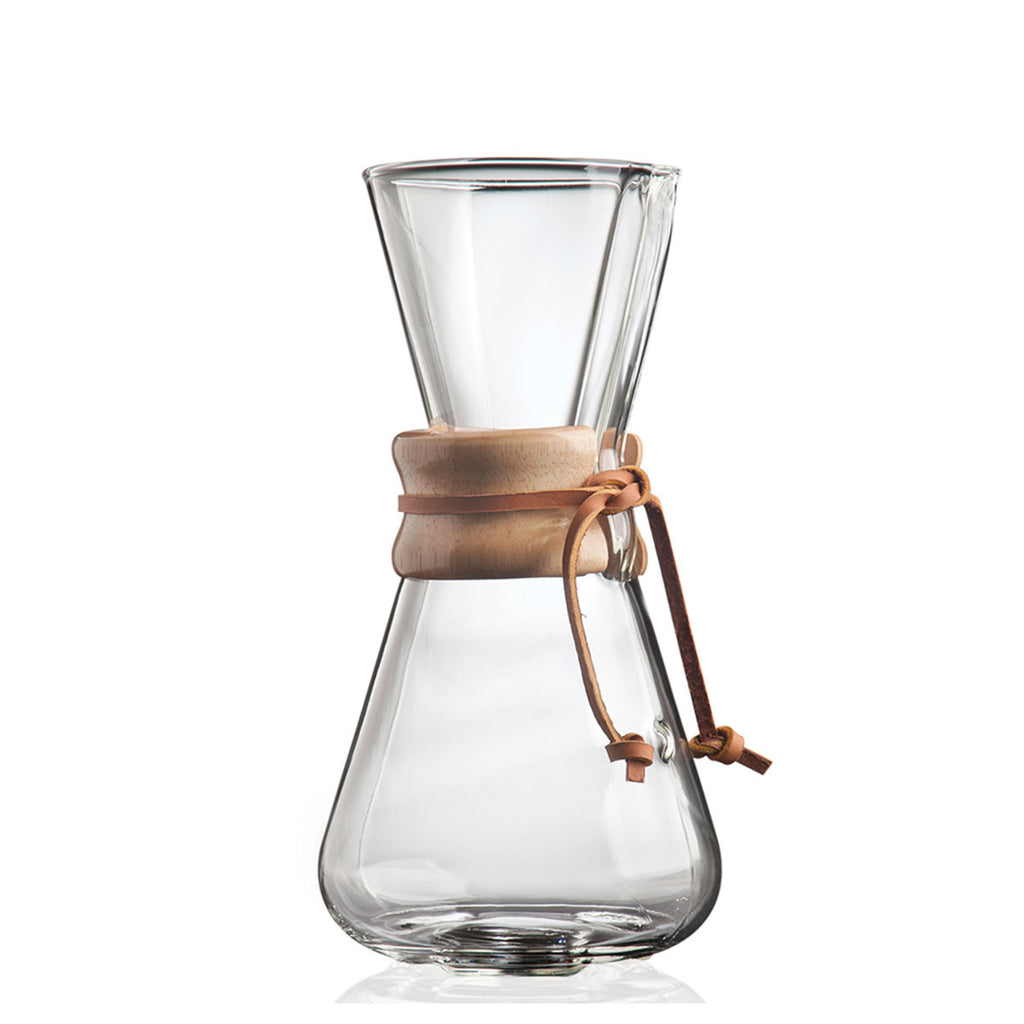
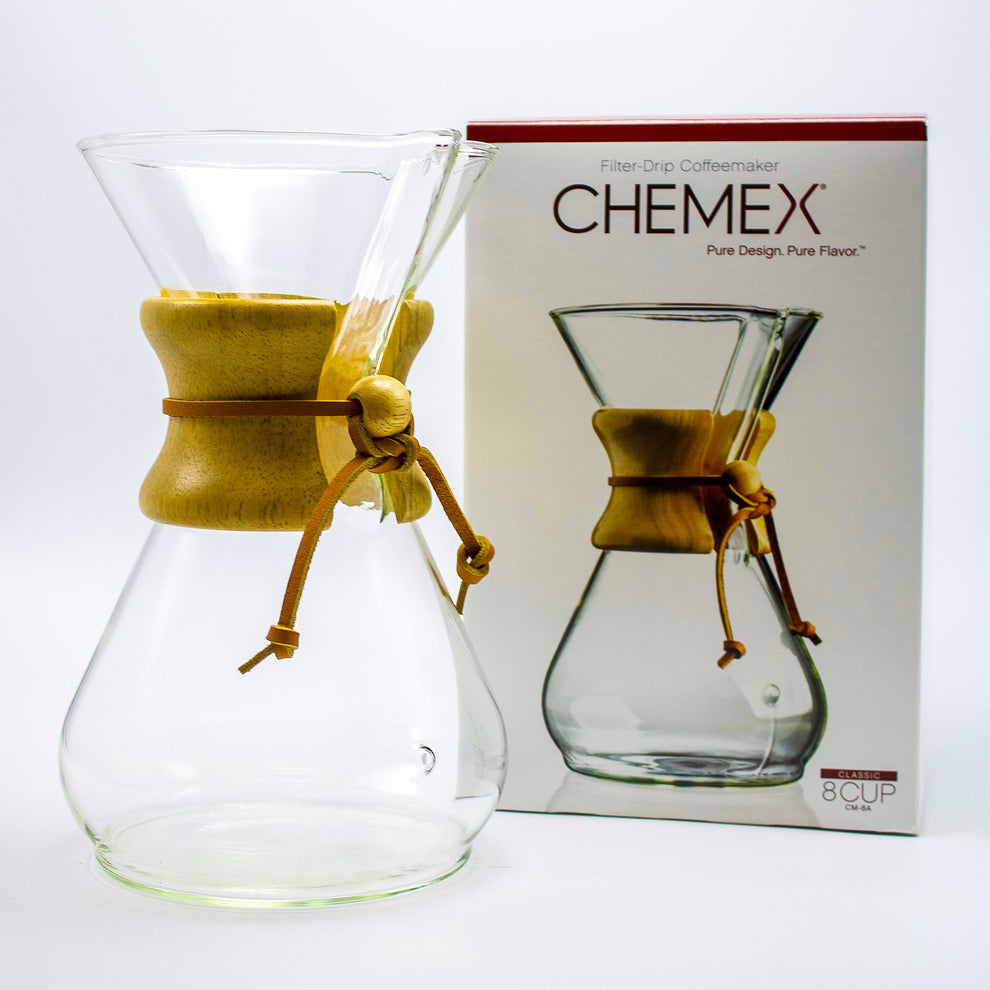
The ideal grind size depends heavily on your brewer. A Chemex uses a thick paper filter that slows water flow, requiring a coarser grind to prevent the brew from becoming muddy or taking too long. In contrast, a Hario V60 has a faster drainage rate and thinner paper, allowing for a finer grind that extracts more quickly and highlights bright, acidic notes. Adjusting your grinder setting by small increments—just one or two clicks—can shift the balance from sour to sweet.
A burr grinder is essential for achieving this consistency. Blade grinders chop beans randomly, creating a mix of dust and boulders that makes controlled extraction impossible. With a burr grinder, you set the distance between the stones to ensure every particle is the same size. This uniformity allows the water to interact with the coffee evenly, resulting in a clean, balanced cup that reflects the bean’s true character.
Executing the pour over technique
The difference between a good cup and a great one often comes down to consistency in your pour. This section walks through the mechanical steps of brewing pour over coffee, focusing on the interaction between water and coffee grounds. By following a structured sequence, you can control extraction rates and avoid common pitfalls like under-extraction or channeling.
Place your paper filter in the dripper and rinse it thoroughly with hot water. This removes any papery taste and pre-heats the vessel. Discard the rinse water from your carafe or mug before adding your grounds. This step ensures the brewing temperature stays stable from the first drop.
Add your freshly ground coffee to the filter. Aim for a medium-fine grind, similar to sea salt. Gently shake the dripper to level the coffee bed. A flat, even bed is crucial for uniform water flow, preventing channels where water bypasses the coffee entirely.
Start your timer and pour just enough water to saturate the grounds—about twice the weight of the coffee. You will see the grounds bubble and expand as carbon dioxide escapes. Let this bloom last for 30 to 45 seconds. This degassing phase allows for better extraction in the subsequent pours.
Begin the main pour slowly, starting from the center and moving outward in thin, concentric circles. Avoid pouring directly on the filter paper, as this can cause water to bypass the coffee. Maintain a steady stream, keeping the water level consistent. Aim to reach your target total water weight by the end of this phase.
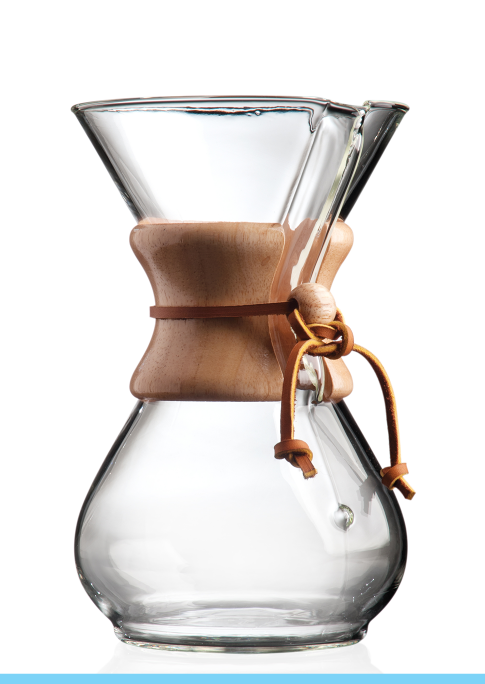
Once all the water is added, let the coffee draw down through the filter. The total brew time should be between 3 to 4 minutes. When the bed is flat and dry, remove the dripper. Give the carafe a gentle swirl to mix the brew, ensuring a balanced flavor profile before pouring into your cup.
A quick checklist to keep in mind during the process: rinse the filter, bloom for 30 seconds, pour in steady circles, and aim for a total brew time of 3-4 minutes. Consistency in these small details will significantly improve the clarity and sweetness of your final cup.
Troubleshooting Common Brewing Mistakes
Even with fresh beans, pour over coffee can turn out bitter or sour. These flavors usually point to extraction issues rather than bad coffee. Think of extraction like a sponge: if you squeeze too hard or too long, you pull out the harsh, bitter compounds. If you don't squeeze enough, you miss the sweet, fruity notes entirely.
The Specialty Coffee Association (SCA) sets the standard for home brewing, recommending a brew ratio between 1:15 and 1:18 coffee to water. Sticking to this ratio is the first step in diagnosing problems. If your cup tastes thin or acidic, you likely under-extracted. If it tastes dry or astringent, you over-extracted.
Fixing Bitterness (Over-Extraction)
Bitterness comes from pulling too many compounds from the grounds. This often happens if the grind is too fine, the water is too hot, or you pour too slowly. To fix this, coarsen your grind slightly and ensure your water temperature stays between 195°F and 205°F (90°C–96°C). A slightly faster pour can also help reduce contact time, balancing the flavor.
Fixing Sourness (Under-Extraction)
Sourness indicates the water didn't pull enough sweetness from the beans. This is common with a grind that is too coarse or water that is too cool. Try grinding finer to increase surface area and ensure your kettle reaches the proper temperature range. If the sourness persists, check that your bloom phase is saturating all grounds evenly to start the extraction process correctly.
No comments yet. Be the first to share your thoughts!