

The shrinking coffee map
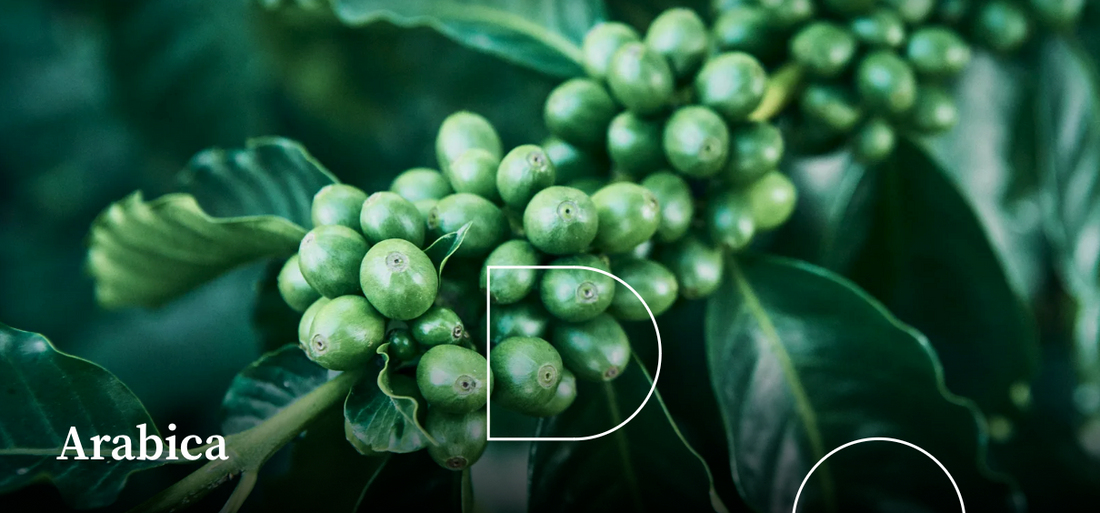
Arabica makes up 60% of the world's coffee, but it is struggling. Higher temperatures and erratic rainfall are shrinking the land where these beans can actually grow. It is no longer a theoretical threat; the map of viable coffee farmland is physically getting smaller.
A recent report highlighted in a YouTube video shows traditional coffee growing areas are demonstrably shrinking, forcing a reckoning within the industry. Brazil, a major coffee producer, is already experiencing significant impacts, and other regions are expected to follow suit. This isn’t a distant problem; it’s happening now, and it’s impacting both the availability and the cost of your morning cup.
The economic consequences for coffee farmers are severe. Reduced yields and increased crop failures threaten livelihoods and contribute to instability in coffee-producing communities. Ultimately, the crisis isn’t just about the quality of coffee; it’s about whether there will be coffee to enjoy in the years to come. Adaptation is no longer optional, it’s essential.
Breeding a tougher bean
Scientists are breeding new varieties to survive this shift. Instead of laboratory GMOs, they are using traditional cross-breeding to find plants with natural toughness. They are looking for wild traits that handle heat better than the fragile Arabica we use today.
These new varieties are being engineered for specific improvements. Drought tolerance is a major focus, enabling plants to survive longer periods with less water. Disease resistance is another key attribute, reducing the need for pesticides and protecting yields. Heat tolerance is also crucial, allowing coffee to thrive in warmer temperatures that would previously have been unsuitable.
Genetically, these varieties differ from traditional Arabica in complex ways. They often possess genes that enhance their ability to regulate water use, improve root development, and strengthen their immune systems. The goal isn’t to create a completely different coffee, but to fortify the existing genetic base of Arabica with traits that will allow it to survive and produce quality beans in a changing climate.
The process is painstaking and relies on identifying and propagating plants that exhibit these desirable characteristics. It’s a long-term investment, but one that’s vital for the future of coffee production.
How the flavor is changing
A natural question arises: will climate-resilient coffee taste as good as the beans we’re accustomed to? The answer is nuanced. While the goal is to maintain quality, some changes in flavor profiles are likely. Early testing suggests that these new varieties may exhibit differences in acidity, body, sweetness, and aroma.
Flavor is subjective, but these new beans lean toward heavy, earthy notes. You will likely lose the bright, floral acidity of high-altitude Arabica. Expect more chocolate and nut profiles—flavors that are sturdy rather than delicate.
Some experts predict a shift in acidity, potentially resulting in a smoother, less vibrant cup. Body might become heavier, contributing to a more substantial mouthfeel. Sweetness levels could also be affected, though this will vary depending on the specific variety and growing conditions.
Here are a few anticipated flavor shifts:
* Acidity: potentially less bright, more mellow
* Body: likely to be fuller, more substantial
* Aroma: may lean towards chocolate and nuts instead of floral notes
* Sweetness: variable, dependent on variety and growing conditions
Emerging Flavor Notes
- Citrus Blossom - Often brighter and more floral than traditional citrus notes, found in varieties like those developed by World Coffee Research, potentially due to altered acid development under stress.
- Brown Sugar - A deeper, more molasses-like sweetness, appearing in some Castillo and Colombia varieties bred for resistance to coffee leaf rust. This is linked to increased carbohydrate storage.
- Red Fruit - Notes of cranberry or red currant are becoming more common in newer hybrids, possibly a result of changes in polyphenol composition as a defensive mechanism against climate stressors.
- Almond - A subtle, nutty flavor sometimes present in Sarchimor varieties, potentially enhanced by increased protein content in the beans as a response to environmental challenges.
- Stone Fruit - Flavors reminiscent of peach or apricot are appearing in some Pacamara and other hybrid selections, potentially due to alterations in ester formation during bean development.
- Herbaceous/Savory - A more pronounced savory quality, sometimes described as green bell pepper or olive, is observed in certain Catimor varieties, potentially linked to changes in chlorogenic acid levels.
- Caramelized Onion - A deeper, savory sweetness, sometimes found in newer selections of Timor Hybrid, potentially resulting from Maillard reaction changes during processing due to bean composition.
New brewing ratios for 2026
These new beans will almost certainly require adjustments to our brewing parameters. The density and solubility of climate-resilient varieties may differ from traditional Arabica, impacting how they interact with water during extraction. What worked perfectly with your favorite bean in 2024 might not yield the same results in 2026.
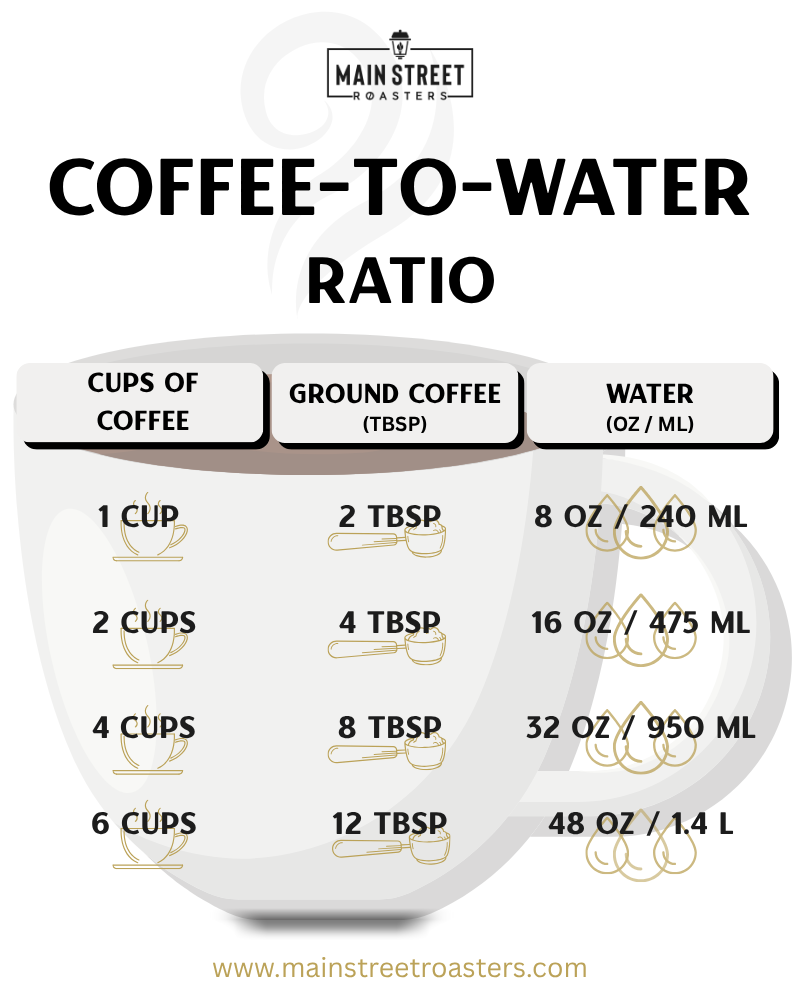
Let’s look at some initial recommendations. For pour over, I’d suggest starting with a slightly coarser grind than you’re used to. The increased density of the beans may require a longer bloom time – around 45-60 seconds – to allow for proper degassing. A coffee-to-water ratio of 1:16 (e.g., 20g coffee to 320g water) is a good starting point, but be prepared to adjust based on your taste.
With a Chemex, a similar approach applies. Coarser grind, longer bloom, and a 1:17 ratio are good starting points. Chemex filters are relatively slow, so the longer contact time should help extract the flavors from these denser beans.
For French press, the coarser grind is even more critical. A 1:15 ratio is a good starting point, with a brew time of around 4 minutes. Be mindful of sediment, as these beans might produce a slightly more particulate brew.
Even with espresso, adjustments may be needed. You might find you need to increase the dose or adjust the grind finer to achieve the desired extraction time. Experimentation is key. These are merely suggestions, and the optimal parameters will vary depending on the specific variety and your individual preferences. Don’t be afraid to play around with different ratios, grind sizes, and brew times to find what works best for you.
Brazil's Lead and Global Adoption
Brazil is taking a leading role in the development and implementation of climate-resilient coffee strategies. The YouTube video highlighted their proactive approach, which includes large-scale breeding programs, investment in research and development, and farmer training initiatives. They’re essentially acting as a testing ground for new varieties and techniques.
Other coffee-producing regions are beginning to follow suit, but adoption rates vary considerably. Countries in Central America, facing particularly severe climate impacts, are showing strong interest. However, widespread adoption is hampered by several challenges. The cost of new seedlings can be prohibitive for smallholder farmers, and training is needed to ensure they can properly cultivate these varieties.
Consumer acceptance is another hurdle. Some consumers may be hesitant to embrace coffees with altered flavor profiles, even if they are more sustainable. Marketing and education will be crucial to overcome this resistance. There is also a real possibility that these beans will be initially more expensive, potentially impacting accessibility for some consumers.
The transition won't be seamless, but the urgency of the situation is driving momentum. Collaborative efforts between governments, research institutions, and the private sector are essential to accelerate the adoption of climate-resilient coffee practices.
Comparative Analysis of Funding Mechanisms for Climate-Resilient Coffee Bean Development
| Funding Source | Speed of Deployment | Primary Focus | Accessibility for Small Farmers | Long-Term Sustainability |
|---|---|---|---|---|
| Government Grants | Moderate | Research & Development | Variable, often requires complex applications | Potentially High, dependent on continued public support |
| Private Investment (Venture Capital) | Fast | Implementation & Scaling | Limited, prioritizes high-growth potential | Moderate, tied to profitability |
| NGO Funding | Moderate to Slow | Research & Community Support | Generally High, often with direct farmer engagement | Moderate to High, dependent on grant cycles & donor priorities |
| International Development Organizations | Slow to Moderate | Implementation & Infrastructure | Moderate, often focused on regional projects | High, with a long-term development focus |
| Farmer Cooperatives (Self-Funding) | Slow | Implementation & Local Adaptation | Very High, direct control and benefit | Moderate, reliant on collective resources & market access |
| Public-Private Partnerships | Moderate | Research, Implementation & Market Access | Moderate, aims to balance interests | Potentially High, leverages combined resources |
Illustrative comparison based on the article research brief. Verify current pricing, limits, and product details in the official docs before relying on it.

No comments yet. Be the first to share your thoughts!