

The shift to hyper-local beans
By 2026, 'Ethiopian Yirgacheffe' is too broad a label. I'm seeing roasters move toward micro-lots that name the specific farm and even the exact trees. It's hyper-local sourcing driven by a need to know exactly where the money goes and how the soil affects the taste.
Several factors are converging to drive this trend. Improvements in logistics and shipping allow for smaller, more frequent shipments of these limited-quantity beans. Direct trade relationships between roasters and farmers are becoming more common, fostering transparency and ensuring fair prices. Most importantly, there’s a growing consumer demand for authenticity and a deeper connection to the origins of their food and beverages. People want to know where their coffee comes from and the story behind it.
This increased specificity also allows for a more nuanced understanding of terroir – the influence of the environment on the coffee’s flavor. Subtle variations in elevation, soil composition, and microclimate can have a significant impact, and these distinctions are becoming more apparent as we pinpoint the exact origins of the beans. It’s a fascinating time to be a coffee enthusiast, with a level of detail and transparency previously unavailable.
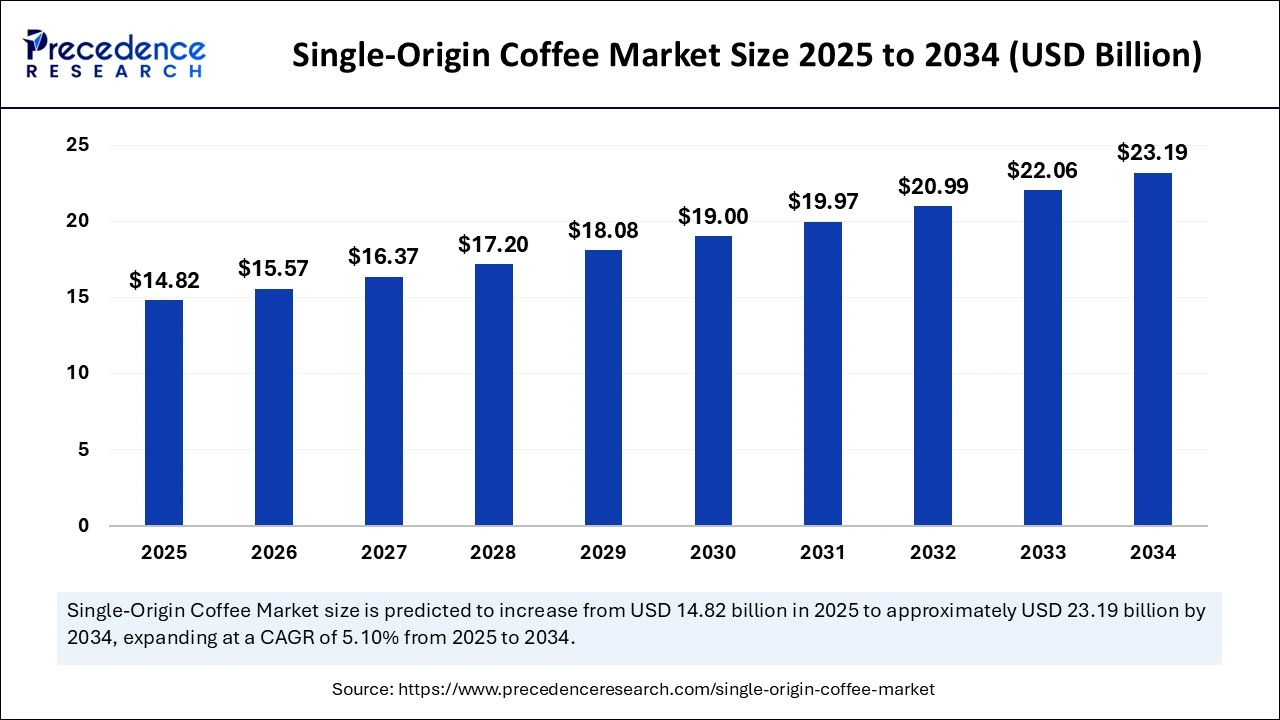
Top six coffees for 2026
According to Roast Coffee’s ranking from March 22, 2026, here are the six best single-origin coffees of the year. Each bean offers a unique experience, and understanding their individual characteristics is key to appreciating their quality.
1. Finca Hartmann Estate, Guatemala: This coffee boasts a bright acidity, notes of green apple and jasmine, and a clean finish. Grown at an elevation of 1,500 meters, it’s best suited for a light to medium roast to preserve its delicate floral aromas. Roast Coffee notes a particularly good pairing with a pour-over method.
2. El Injerto, Huehuetenango, Guatemala: Another standout from Guatemala, El Injerto offers a more complex profile with notes of caramel, chocolate, and orange. A medium roast brings out the coffee's sweetness, and it performs well in both pour-over and French press brewing. The farm’s dedication to sustainable practices is also a highlight.
3. Ninety Plus Gesha Estates, Panama: Gesha varieties consistently command high prices, and Ninety Plus is a leader in this category. This particular coffee displays intense floral aromas, notes of bergamot and peach, and a silky body. A light roast is essential to showcase its delicate flavors, and it’s best enjoyed as a black coffee to fully appreciate its complexity.
4. Kayanza, Burundi: This coffee offers a unique flavor profile with notes of red currant, black tea, and a hint of spice. Grown at a high elevation, it benefits from a medium-dark roast to develop its full body and sweetness. Roast Coffee suggests a Chemex brewer to highlight its nuanced flavors.
5. Yirgacheffe Kochere, Ethiopia: A classic Ethiopian coffee, this Yirgacheffe offers bright citrus acidity, floral aromas, and a clean, tea-like body. A light roast preserves its delicate flavors, and it’s excellent brewed as a pour-over or in an Aeropress. The washed processing method contributes to its clarity.
6. Sulawesi Toraja, Indonesia: This coffee presents a bold, earthy flavor profile with notes of dark chocolate, spice, and a full body. A medium-dark roast enhances its richness, and it’s well-suited for French press or espresso. It’s a good choice for those who prefer a more robust coffee experience.
- Light roasts preserve delicate floral aromas.
- Roast Level: Medium – balances acidity and sweetness.
- Roast Level: Medium-Dark – enhances body and richness.
Roast Coffee's Top 6 Single-Origin Coffees - 2026
| Origin | Flavor Notes | Body | Acidity | Recommended Brew Method |
|---|---|---|---|---|
| Ethiopia Yirgacheffe | Floral, Lemon, Bergamot | Light | Bright | Pour Over |
| Kenya Kirinyaga | Black Currant, Tomato, Winey | Medium | High | Chemex |
| Colombia Huila | Caramel, Nutty, Chocolate | Medium-Full | Medium | Drip |
| Guatemala Antigua | Cocoa, Spice, Apple | Full | Medium-High | French Press |
| Panama Geisha | Jasmine, Peach, Honey | Light-Medium | Delicate | Pour Over |
| Sumatra Mandheling | Earthy, Herbal, Cedar | Full | Low | Cold Brew |
Illustrative comparison based on the article research brief. Verify current pricing, limits, and product details in the official docs before relying on it.
Liberica and excelsa: life beyond arabica
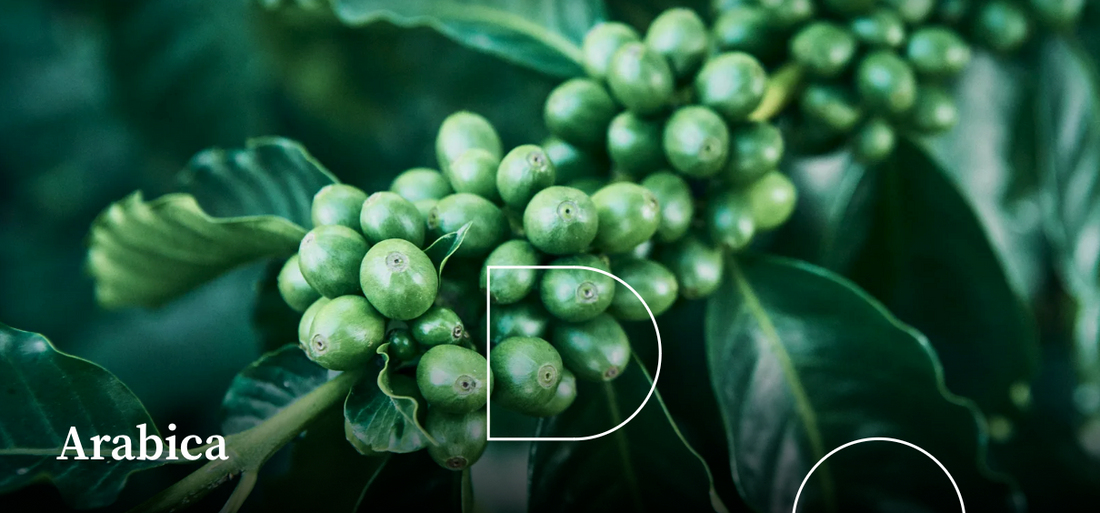
While Arabica accounts for the vast majority of the specialty coffee market, there’s a growing interest in exploring other species. Liberica and Excelsa, in particular, are gaining attention for their unique and often unconventional flavor profiles. These varieties offer a departure from the familiar flavors of Arabica and present exciting opportunities for innovation.
Liberica, originally from West Africa, is known for its smoky, woody, and even floral aromas. It often has a bold, almost pungent flavor that can be polarizing – some love it, others find it too intense. Excelsa, now classified as a member of the Liberica family, offers a tart, fruity flavor with a light body. It’s often used in blends to add complexity and brightness.
Growing and roasting these lesser-known species presents challenges. They often have lower yields and require specific processing techniques. However, the potential rewards – unique flavor profiles and a differentiated product – are attracting adventurous roasters and consumers. I suspect we’ll see more blends incorporating Liberica and Excelsa to create truly distinctive coffee experiences.
Brewing Ratios: The Shift Towards Precision
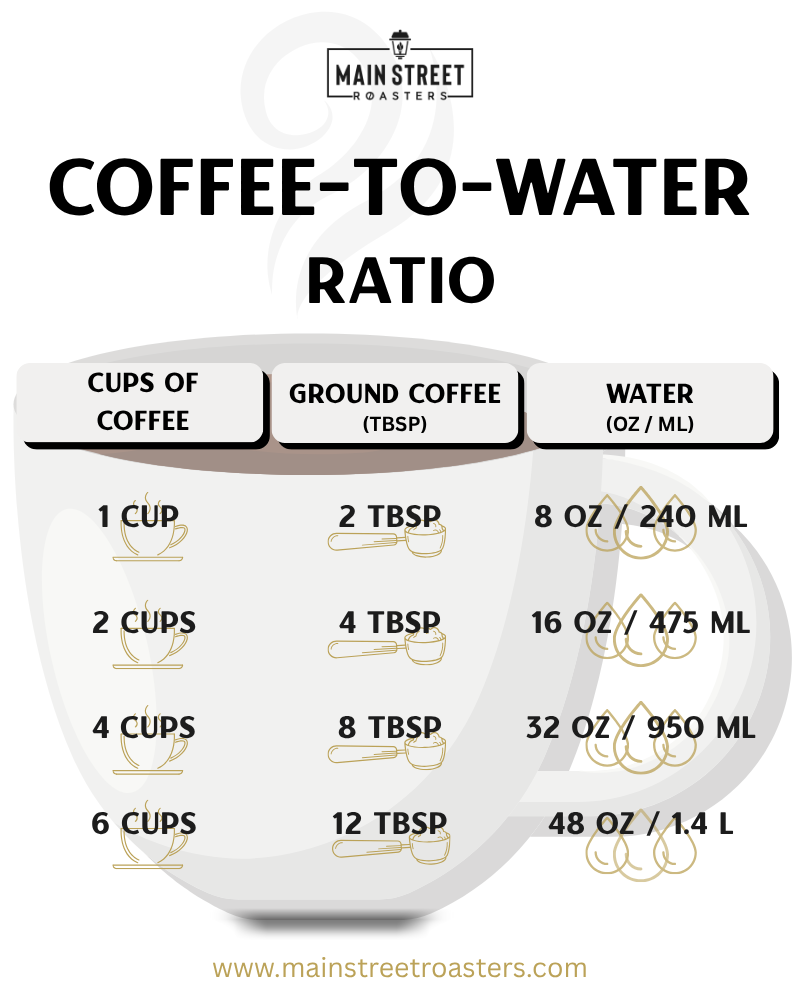
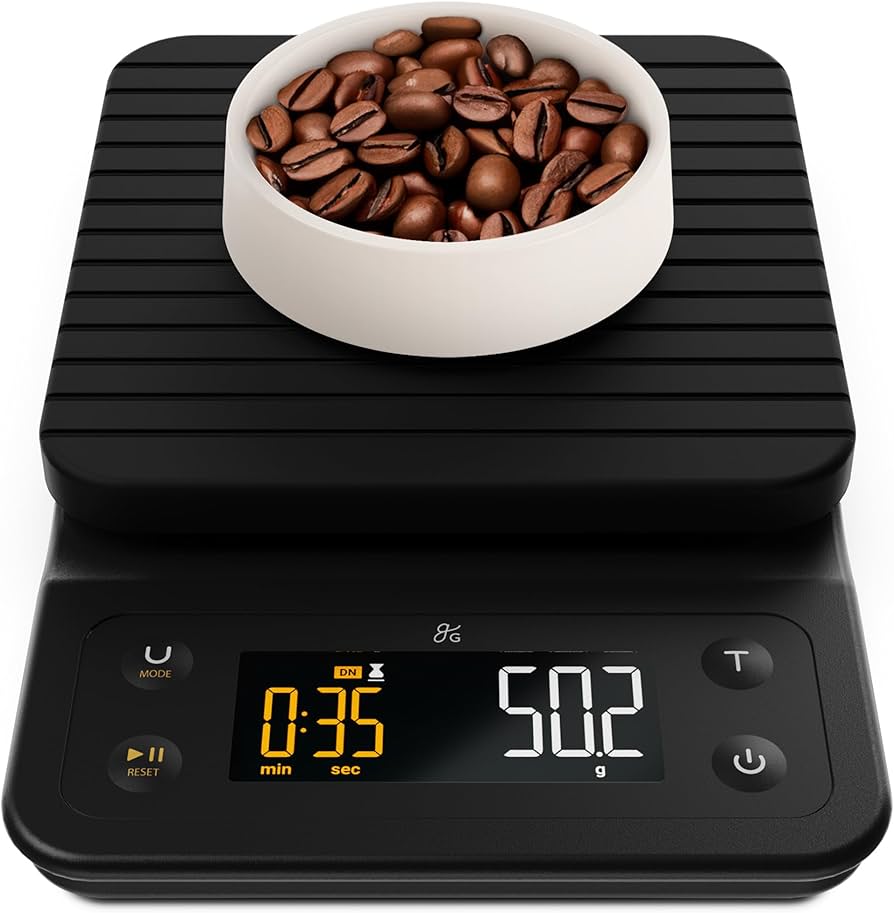
The "golden ratio’ of 1:15 (coffee to water) has long been a starting point for many coffee enthusiasts. However, by 2026, there’s a growing understanding that the optimal ratio isn"t one-size-fits-all. Factors like bean density, roast level, and desired extraction all influence the ideal ratio, and a more precise approach is becoming the norm.
Denser beans, like those from Sumatra, often require a slightly coarser grind and a higher water ratio (closer to 1:17 or 1:18) to avoid over-extraction. Lighter roasts, with their higher acidity, may benefit from a lower water ratio (around 1:14 or 1:15) to emphasize their brightness. Ultimately, experimentation is key to finding the sweet spot for each specific bean.
Different brewing methods also call for different ratios. Pour-over methods like Hario V60 often work well with a ratio of 1:16, while Chemex, with its thicker filters, may require a slightly coarser grind and a ratio of 1:17 or 1:18. French press, with its full immersion brewing, typically uses a ratio of 1:12 to 1:15. It’s about tailoring the process to the bean and the desired outcome.
Fermentation Techniques: A New Frontier
Innovative fermentation techniques are revolutionizing the world of single-origin coffee. Roasters are experimenting with methods like anaerobic fermentation, carbonic maceration, and controlled fermentation to manipulate the flavor profiles of the beans. These techniques involve carefully controlling the fermentation process, influencing the development of unique and complex flavors.
Anaerobic fermentation, where coffee cherries are fermented in a sealed, oxygen-free environment, often results in fruity and wine-like flavors. Carbonic maceration, similar to the winemaking process, involves fermenting the cherries in carbon dioxide, which can enhance sweetness and acidity. Controlled fermentation allows roasters to precisely manage temperature, humidity, and fermentation time, leading to a wider range of flavor possibilities.
I’ve been tasting coffees that exhibit remarkable complexity and nuance as a result of these techniques. Some coffees display notes of tropical fruits, berries, and even floral aromas that were previously uncommon in specialty coffee. It’s an exciting area of exploration, and I expect to see even more innovative fermentation techniques emerge in the coming years.
sometimes i think the best treasures are hidden in the echoes of forgotten conversations anyone else find lost packets of rare coffee beans a better prize than any digital reward?
— Michael Owens (@MichaelOwejaus) May 1, 2026
Content is being updated. Check back soon.
No comments yet. Be the first to share your thoughts!