

The future of automated pour over
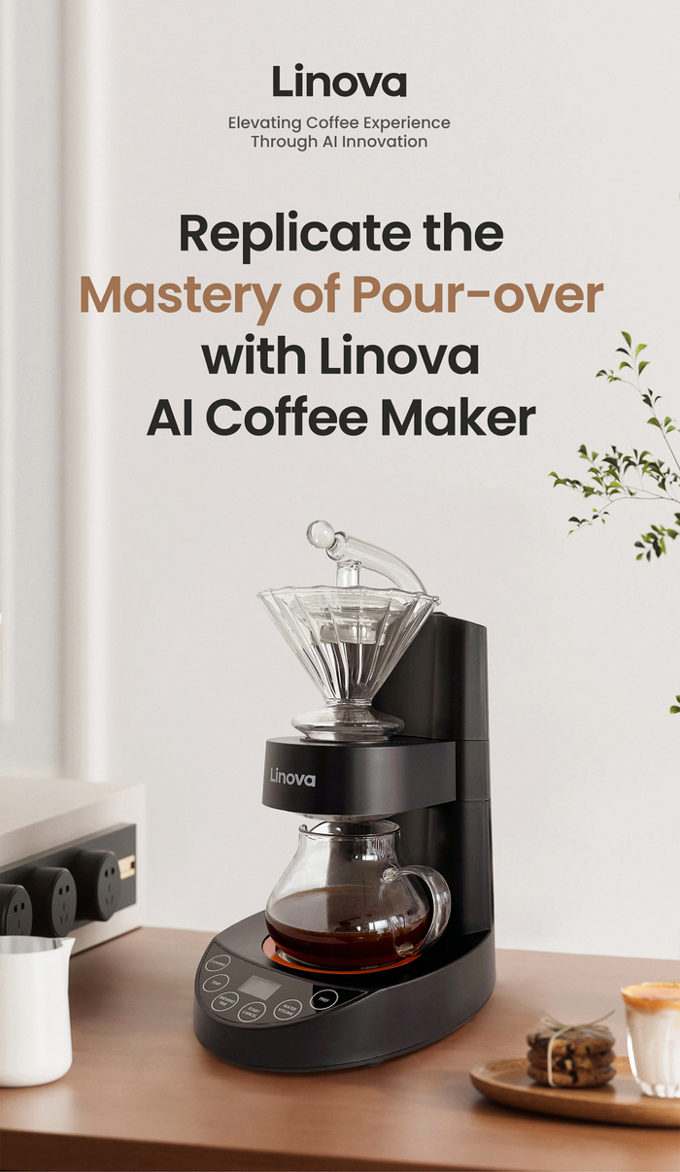
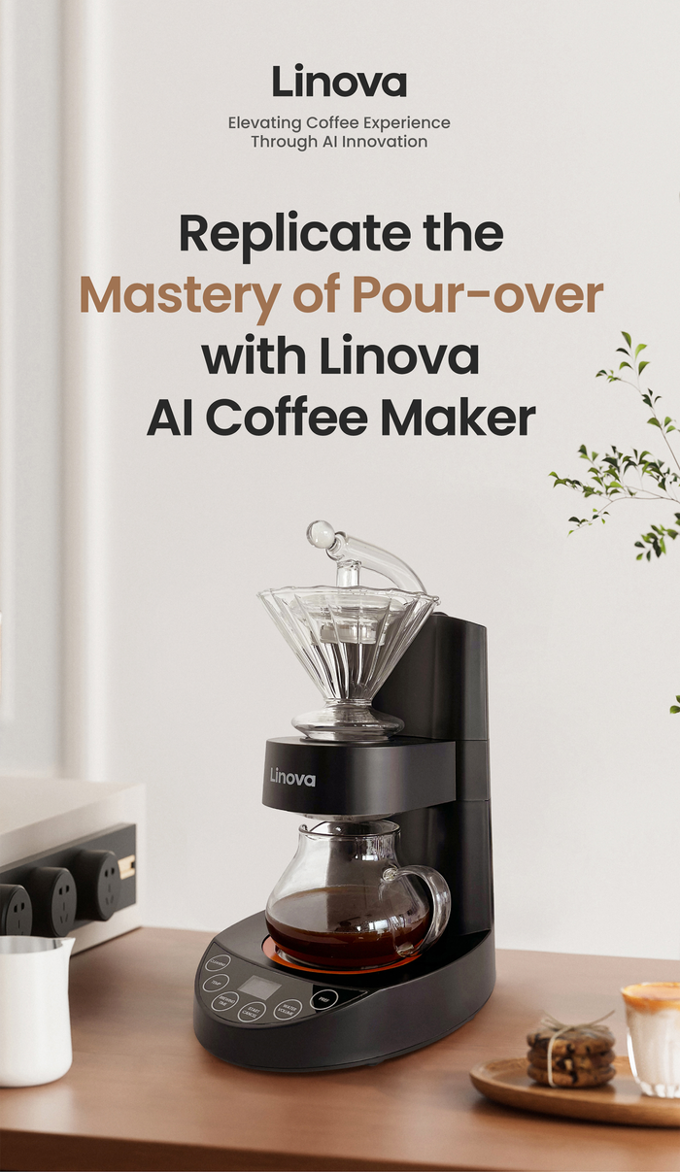
Pour over enthusiasts spend years chasing the perfect cup by manually tweaking variables. New machines are now using sensors to replicate that control. I've seen a surge in hardware specifically for Chemex and V60 styles that aims for better results than a tired human can manage on a Monday morning.
Pour over is notoriously finicky. If your water is too hot or your pour is shaky, the cup is ruined. AI handles these mechanical tasks with a level of precision I find hard to match manually. By 2026, these tools will likely be standard for anyone who wants to stop guessing if they got the bloom right.
I believe the next few years will bring a significant change in how many people approach their morning coffee. The goal isn’t necessarily to create a fully robotic experience, but to empower users with tools that deliver exceptional, repeatable results. This isn’t just about automating a process; it’s about refining it.
How sensors track the brew
These machines rely on a network of sensors. Most high-end models now include probes that keep water between 195 and 205°F. They also use flow meters to track how fast water hits the grounds, which is the main way to control how long the coffee actually brews.
Beyond the basics, more advanced machines are incorporating sensors to measure bloom time, the initial wetting of the coffee grounds that allows for degassing. Some are even attempting to measure coffee bed height, ensuring even saturation. The accuracy of these sensors is paramount. Even a small deviation can impact the final cup. I’ve seen some manufacturers focusing heavily on calibration routines to ensure sensor reliability.
We’re starting to see discussion around sensors capable of assessing bean density, though this technology is still in its early stages. It’s an ambitious goal – understanding the physical properties of the bean could allow the AI to further refine brewing parameters. Whether this will be widespread by 2026 remains to be seen, but it’s a clear direction of development.
AI-Assisted Coffee Maker Comparison (as of late 2023/early 2024)
| Brand | Model | Key AI Features | Pour Over Capability | User Feedback |
|---|---|---|---|---|
| Ratio | Eight | Automated bloom, pulse pouring, recipe storage & sharing | Yes, designed specifically for pour over | Generally positive; praised for consistency, some report a learning curve with recipe customization. |
| Brewista | Smart Pour Over System | Automated water flow control, adjustable pulse rates, integration with mobile app | Yes, requires compatible Brewista kettle | Mixed; users appreciate the control, but some find the app less intuitive than expected. |
| Fellow | Ode Brew Grinder Gen 2 (with software updates) | Algorithm-based grind size retention, grind consistency adjustments | Partial - impacts pour over quality through grind precision | Highly rated for grind consistency, but AI features are subtle and focus on grinder performance rather than brewing process. |
| De'Longhi | PrimaDonna Soul | Bean Adapt Technology (adjusts brewing parameters based on bean type), automatic milk frothing | No | Positive overall; users appreciate the convenience and customization, but it's an automatic espresso machine, not pour over. |
| Smarter | Coffee 2nd Generation | Wi-Fi connectivity, app control, automated brewing schedules | No | User reviews are varied; some praise the convenience, others report connectivity issues and reliability concerns. |
| June | Smart Coffee Maker | Automated brewing profiles, learning algorithms to optimize taste | No | Focuses on drip coffee; AI primarily adjusts brewing parameters for optimal flavor, not pour over techniques. |
Qualitative comparison based on the article research brief. Confirm current product details in the official docs before making implementation choices.
No comments yet. Be the first to share your thoughts!