

The Rise of the Intelligent Brewer
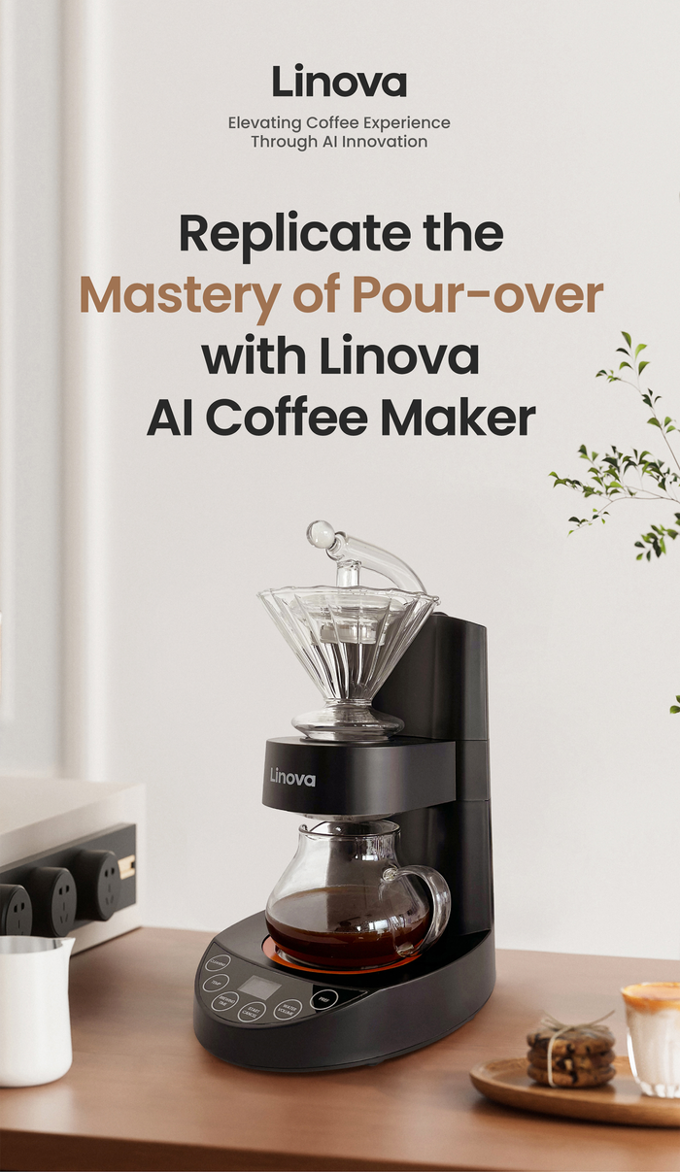
Connecting your coffee maker to an app feels quaint now. Artificial intelligence is reshaping how we approach even ritualistic brewing methods like pour-over coffee. It’s not about replacing the skilled barista, but about bringing precision and consistency to home brewing.
Automated coffee makers evolved from basic timers to machines that ground beans and brewed directly into a carafe. These early attempts often sacrificed quality for convenience. The current wave of AI integration aims to offer both ease of use and exceptional results.
Consumers want the convenience of a push-button experience without compromising on the flavor and aroma of a carefully crafted pour-over. This demand drives innovation, pushing manufacturers to explore AI's potential for delivering the perfect cup every time.
Decoding AI in Coffee: What's Actually Happening?
The term 'AI' is often used without clarity. For coffee makers, it means applying machine learning, sensor data analysis, and computational techniques to optimize brewing. These systems learn and adapt, rather than just following pre-programmed routines.
Machine learning optimizes ratios, with the machine adjusting the coffee-to-water ratio based on bean type, grind size, and desired strength. Computer vision analyzes grind consistency for uniform extraction. Sensor data monitors water temperature and flow rate for optimal brewing conditions.
More data leads to better prediction of ideal settings. This continuous cycle of learning and refinement uses sophisticated data analysis to achieve predictability and repeatability, removing guesswork from pour-over.
The Top Contenders: 2026's Smart Pour-Over Machines
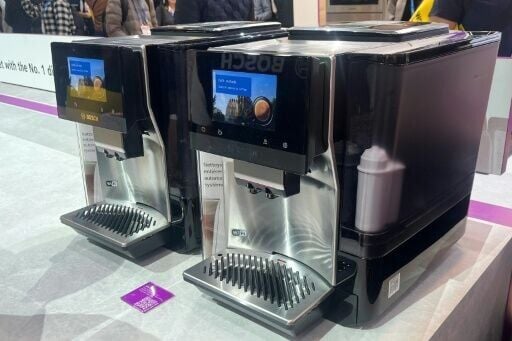
AI-powered pour-over machines will become more available soon. The Bosch 300 Series VeroCafe is expected to feature intelligent bean recognition, automatically adjusting brewing parameters based on coffee type to simplify the process for users.
DeLonghi's Magnifica Evo Next is rumored to include a 'Taste Profile' feature, learning your preferred strength and aroma. The DeLonghi Rivelia focuses on automated bloom control using sensor data to optimize degassing. These machines attempt to understand user preferences.
Café Affetto's upcoming model aims for a professional-grade experience, using machine learning and user input to create personalized brewing recipes shared through a connected platform. Gaggia’s new smart machines will simplify maintenance with AI-powered diagnostics to predict and prevent issues.
However, Bosch models can struggle with oily beans, requiring more frequent cleaning. The DeLonghi Magnifica Evo Next’s "Taste Profile’ feature needs significant user input for accuracy. Café Affetto"s recipe-sharing platform raises privacy concerns due to user data collection and analysis.
Dr. Coffee’s F11 promises fully automated grind size adjustment based on bean density, a feature that could improve consistency. Independent testing will be crucial to verify its effectiveness.
AI-Powered Coffee Makers - 2026 Comparison
| Machine Name | AI Focus (Ratio, Temp, Grind) | Key Benefit | Price Range (estimate) | User Profile |
|---|---|---|---|---|
| BrewGenius X500 | Adapts ratio and temperature based on bean type and roast level | Consistently excellent results with minimal user input | Mid-Range | Enthusiast |
| AromaSense Pro | Learns user preferences for strength and flavor profile, adjusting grind size accordingly | Personalized coffee experience that evolves over time | High-End | Enthusiast/Expert |
| PourCraft AI | Focuses on precise temperature control and bloom phase optimization | Exceptional clarity and nuanced flavor extraction | Mid-Range | Enthusiast |
| BeanWise One | Simplifies the pour over process with automatic ratio and flow rate adjustments | Easy to use for beginners while still delivering quality | Entry-Level | Beginner |
| FlavorForge 3000 | Analyzes bean characteristics and suggests optimal brewing parameters | Provides educational insights into coffee brewing science | High-End | Expert |
Illustrative comparison based on the article research brief. Verify current pricing, limits, and product details in the official docs before relying on it.
Beyond the Brew: Connectivity & Data
Smart coffee makers offer more than just brewing. They are increasingly connected, providing app control, recipe sharing, and data tracking. Users can start brews remotely, adjust settings, and monitor the process from their smartphones.
Data tracking records brew history, preferences, and bean types. This data refines brewing parameters, suggests recipes, and provides personalized recommendations, allowing integration with smart home devices like voice assistants.
Connectivity raises privacy concerns about data collection, usage, and third-party sharing. Manufacturers must be transparent and provide users with control over their information. The level of control varies significantly between brands.
Ratios Reimagined: AI and the Perfect Cup
Coffee enthusiasts debate the 'ideal' coffee-to-water ratio, generally accepted as 1:15 to 1:18, though optimal ratios depend on many factors. AI-powered coffee makers dynamically adjust the ratio based on bean type, roast level, and desired strength.
Algorithms analyze bean characteristics and predict optimal extraction parameters. Some systems incorporate user feedback, learning preferences over time to deliver a cup tailored to individual palates, moving beyond general guidelines.
Personalization offers exciting potential. Imagine a machine suggesting ratios based on preferred flavor profiles – bright and acidic, or dark and chocolatey. This customization could revolutionize home brewing, with machines interpreting both the science and art of coffee taste.
Calibration & Maintenance: The Human Touch Remains
Even smart coffee makers need regular calibration and maintenance for optimal performance. This includes adjusting grind size, checking water hardness, and regular cleaning. Neglecting these tasks leads to inconsistent brews and potential malfunctions.
While AI automates brewing, it can’t replace the human touch for maintenance. Descaling, cleaning the brew group, and replacing filters are still necessary tasks.
AI is a powerful tool, but not a substitute for good coffee habits. A well-maintained machine, even a smart one, produces better results than a neglected one. AI acts as an assistant that needs user support.
What About Cost? The Price of Intelligent Brewing
AI-powered coffee makers are at the higher end of the price spectrum, with existing smart models ranging from $300 to $800. More sophisticated models are expected to exceed $1000.
The added cost is justified by the convenience, consistency, and personalization these machines offer. However, they aren’t for everyone. The target customer is someone who values quality, appreciates technology, and is willing to invest in a premium coffee experience. It's a considered purchase.
Whether the added cost is worth it ultimately depends on your individual needs and preferences. If you’re a casual coffee drinker, a simpler machine may suffice. But if you’re a dedicated enthusiast who wants the best possible cup, an AI-powered pour-over machine could be a worthwhile investment.
The Future of Pour-Over: Beyond 2026
Looking ahead, the possibilities for AI in coffee brewing are truly exciting. We could see machines that can automatically adjust grind size based on bean density, use computer vision to assess bloom quality, and learn from user feedback in real-time. The integration of sensors and data analysis will only become more sophisticated.
I anticipate a shift towards more personalized brewing experiences. Machines will be able to create custom profiles based on your individual palate, suggesting ratios, temperatures, and brew times that are tailored to your preferences. The goal is to eliminate the guesswork and deliver a perfect cup, every time.
The future of pour-over is not about replacing the human element, but about augmenting it. AI will empower us to brew better coffee, explore new flavors, and deepen our appreciation for this beloved ritual. It’s a fascinating time to be a coffee lover.
No comments yet. Be the first to share your thoughts!