

The 2026 bean reality
Coffee is changing. By 2026, the beans in your hopper are likely Robusta hybrids or new Arabica cultivars bred for heat and weird rain patterns. This isn't a theory anymore; it's what's actually growing on farms.
These beans aren’t necessarily "worse" than the traditional Arabicas many of us are used to. They're different. They often possess unique flavor profiles – sometimes bolder, sometimes with more pronounced chocolate or nutty notes – and, crucially, different physical characteristics. The density and cellular structure of these beans are often altered, which has a direct impact on how we brew them.
For years, we've relied on established coffee ratios as a starting point. But with this shift in bean composition, those ratios require reevaluation. Holding onto outdated standards will likely result in under or over-extracted coffee, masking the potential these resilient beans offer. It’s about understanding how these changes affect the extraction process and adjusting our methods accordingly. This isn’t about abandoning tradition, but about evolving with the coffee itself.
The good news is this evolution is being actively discussed and explored within the coffee community. At the World of Coffee 2026 event, the focus on these new beans and brewing adjustments was palpable, a testament to the industry’s commitment to quality and sustainability.
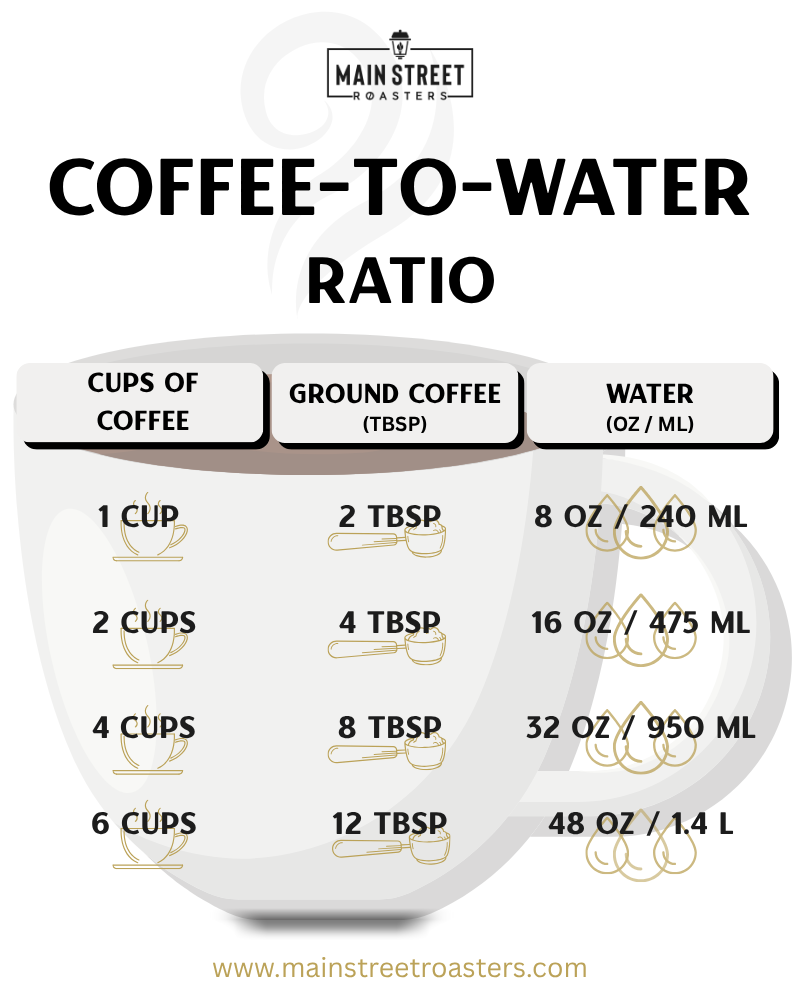
How extraction works now
Coffee ratios – the relationship between coffee grounds and water – are fundamental to brewing. They dictate extraction, the process of dissolving soluble compounds from the coffee grounds. Too little extraction results in sour, underdeveloped flavors, while too much leads to bitterness and astringency. The goal is balance, and that balance is heavily influenced by the bean itself.
Bean density is a key factor. Denser beans require more energy to extract, meaning you might need a slightly higher ratio of water to coffee. Conversely, less dense beans extract more easily, suggesting a lower ratio. The cellular structure also plays a role. A more open structure allows water to flow through more freely, while a tighter structure restricts flow and requires a finer grind or longer brew time.
It’s important to remember that "ideal’ is subjective. Personal preference plays a huge part. However, the underlying principle remains the same: aim for a balanced extraction that highlights the bean’s inherent flavors. Don"t treat ratios as rigid rules, but as starting points for experimentation. Understanding why ratios work is far more valuable than simply memorizing numbers.
New drip coffee guidelines
For standard drip coffee makers, the traditional 1:16 ratio (1 gram of coffee to 16 grams of water) has long been a reliable starting point. However, with climate-resistant beans, I suggest expanding that range to 1:15 to 1:18. If you’re working with a denser bean, lean towards the 1:15 end. For less dense beans, try 1:18.
Don’t forget about grind size. If you’re increasing the ratio (more water), you might need to grind slightly finer to maintain adequate extraction. Conversely, if you’re decreasing the ratio, a coarser grind could prevent over-extraction. These adjustments work in tandem.
Water temperature matters too. Stick between 195-205°F, but I've found some of these new hybrids taste better if you drop the temp a few degrees. It keeps the darker notes from turning harsh.
A simple trick is to start with your usual drip coffee settings, then taste carefully. If the coffee tastes sour, try a finer grind or a slightly lower ratio. If it tastes bitter, go for a coarser grind or a higher ratio. It's an iterative process.
Dialing in pour overs
Pour over methods – V60, Kalita Wave, Chemex – demand even more precision than drip coffee. These methods give you greater control over the brewing process, but also require a deeper understanding of how variables interact. Climate-resistant beans can present unique challenges here.
Pay close attention to the bloom phase. Many of these beans require a longer bloom (30-45 seconds) to allow for adequate degassing. This is particularly important if the beans are very fresh. The bloom is the initial saturation of the grounds, releasing trapped carbon dioxide. A proper bloom sets the stage for even extraction.
I recommend starting with a 1:16 ratio as a baseline, but be prepared to adjust based on your taste. After brewing, carefully evaluate the cup. Is it sour? Increase the ratio slightly or grind finer. Is it bitter? Decrease the ratio or grind coarser. Don't be afraid to make small, incremental changes.
Recognizing under and over-extraction by taste is key. Sourness indicates under-extraction – not enough soluble compounds have been dissolved. Bitterness suggests over-extraction – too many compounds, including undesirable ones, have been extracted. A balanced cup will be sweet, complex, and have a clean finish.
Chemex: A Delicate Balance
The Chemex is a beautiful brewer, but its thicker filters create a slower flow rate. This interacts with the density of climate-resistant beans in a unique way. Because the filtration is slower, you might need to use a slightly higher ratio to compensate – around 1:17 or 1:18 is a good starting point.
Pre-wetting the filter thoroughly is essential with a Chemex. This removes any papery taste and helps to create a consistent flow rate. A slow, even pour is also crucial. Avoid pouring too quickly, as this can disrupt the extraction process.
The Chemex is particularly sensitive to grind size. A grind that’s too fine will clog the filter, while a grind that’s too coarse will result in under-extraction. I recommend starting with a medium-coarse grind and adjusting from there based on your taste.
Espresso's Evolving Needs
Espresso is a different beast altogether. It’s a high-pressure extraction, and climate-resistant beans often have higher sugar content. This can lead to faster extractions and potentially more crema, but also a greater risk of channeling (uneven extraction).
Adjustments to grind size, dose, and tamp pressure are all necessary. You might need to grind finer to increase resistance and slow down the extraction. The dose (amount of coffee) may also need to be adjusted to compensate for the bean’s density. Tamp pressure should remain consistent, but pay close attention to the puck – it should be even and firm.
Dialing in espresso is highly machine-dependent. What works on one machine may not work on another. It requires patience, experimentation, and a willingness to make small adjustments. Don’t be afraid to consult resources specific to your espresso machine.
Espresso Extraction Issues & Potential Solutions
| Issue | Possible Cause | Solution |
|---|---|---|
| Sour Shot | Under-Extraction | Grind Finer |
| Bitter Shot | Over-Extraction | Reduce Brew Time |
| Weak Crema | Incorrect Grind Size | Adjust Grind to Finer Setting |
| Uneven Extraction | Uneven Tamping | Improve Tamping Technique - Consistent Pressure |
| Channeling | Uneven Dose Distribution | Ensure Level Dose Distribution in Portafilter |
| Thin Body | Insufficient Coffee Dose | Increase Coffee Dose |
| Harsh Taste | Water Temperature Too High | Lower Water Temperature |
| Stalled Extraction | Grind Too Fine | Coarsen Grind |
Illustrative comparison based on the article research brief. Verify current pricing, limits, and product details in the official docs before relying on it.
What's the biggest change you've made to your brewing routine in the last year to adapt to evolving coffee bean characteristics?
As we explore the impact of climate on coffee, brewing adjustments are becoming key. Share your most significant change below!
No comments yet. Be the first to share your thoughts!