

The shift toward concentrate
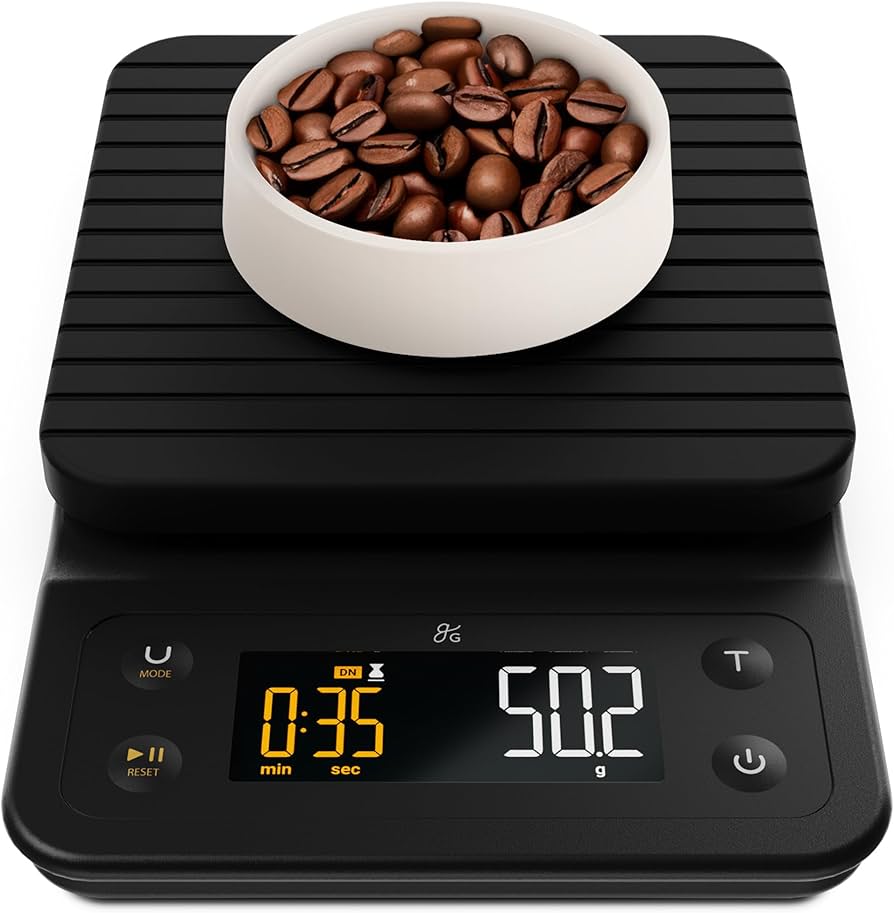
Cold brew is a kitchen staple because it's easy on the stomach and stays fresh for days. But the 'eyeball it' method usually leads to a muddy mess. If you want a consistent cup every morning, you have to weigh your coffee and water.
We’re seeing a distinct shift towards concentrate production. This isn’t just about making a strong coffee; it’s about building a foundation for iced lattes, cold brew cocktails, and everything in between. A well-made concentrate gives you control. It’s a blank canvas for your coffee creativity.
This guide isn’t about declaring a single 'best' ratio. Taste is too personal for that. Instead, we’ll cover the barista-approved starting points, the science behind the numbers, and how to tweak things to find your perfect aromatic cold coffee. We’ll focus on what’s working in 2026, based on current trends and feedback from coffee professionals.
How ratios change the cup
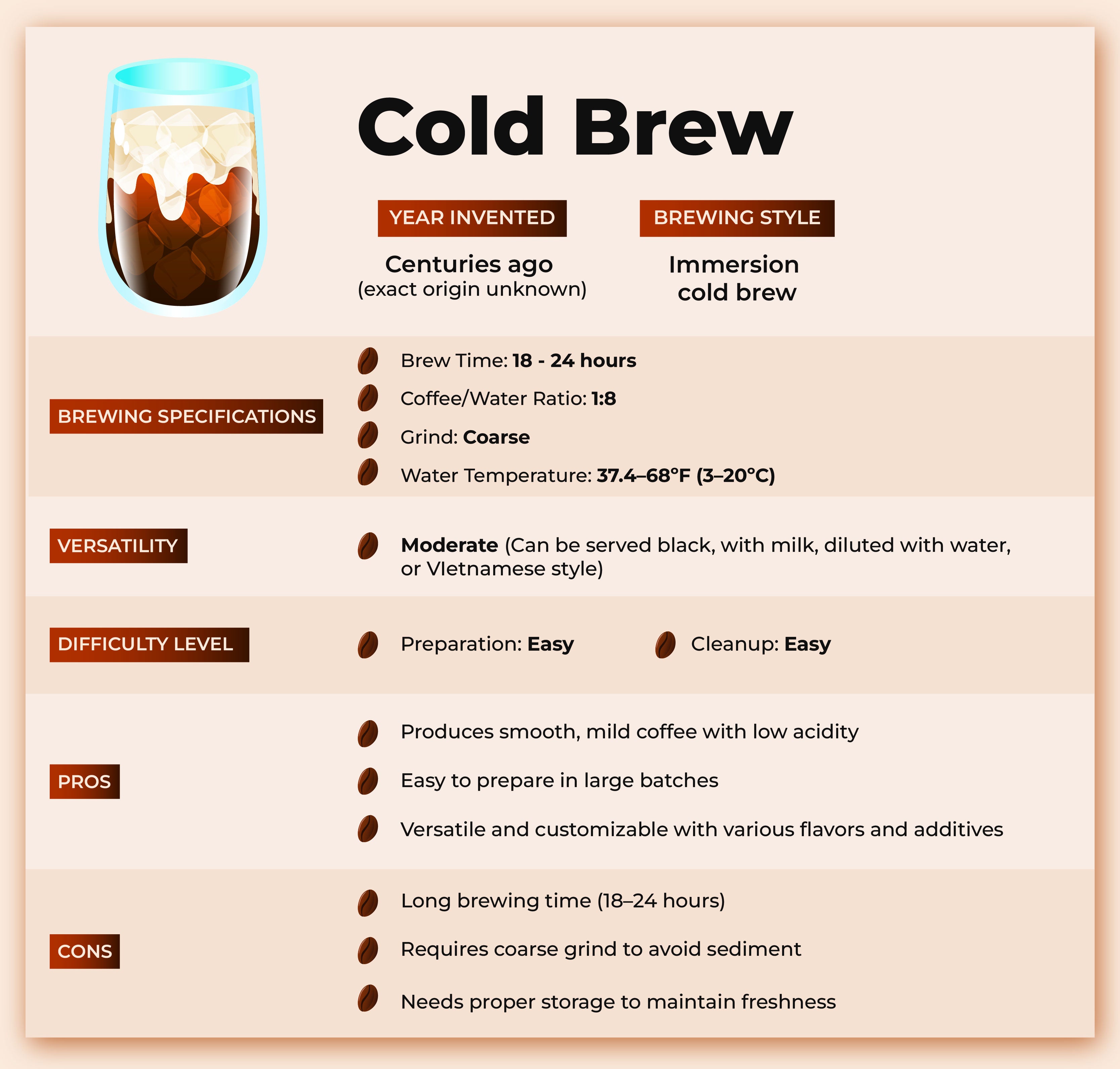
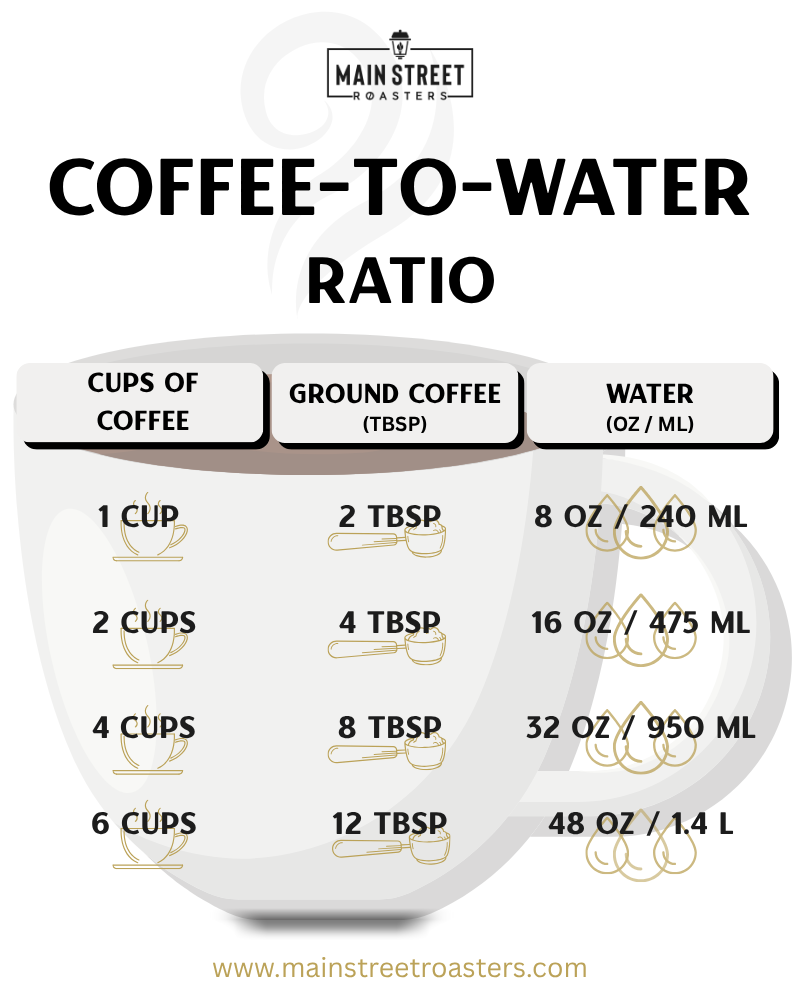
A coffee-to-water ratio, in the context of cold brew, simply expresses the proportion of ground coffee to water used during the brewing process. It’s written as 'X:Y,' where X represents the amount of coffee and Y represents the amount of water. Unlike hot brewing, where ratios are often expressed by weight and volume, cold brew typically uses weight for both, offering more consistent results.
The ratio fundamentally impacts the strength, body, and flavor of your final cold brew. A lower ratio—like 1:4—will yield a stronger, more concentrated brew with a fuller body. A higher ratio—like 1:8—will produce a less concentrated brew that’s closer to a ready-to-drink strength. The flavor profile will also change; lower ratios can extract more oils and potentially more bitterness.
Ready-to-drink cold brew usually sits between 1:10 and 1:16. It's what you pour straight from the jar. Concentrates are much tighter—usually 1:4 to 1:8—and are meant to be cut with milk or water later. Decide which one you want before you start grinding.
The 1:4 baseline
The 1:4 ratio—one part coffee to four parts water—is an excellent starting point for anyone new to cold brew. It’s a forgiving ratio that consistently produces a balanced, flavorful, and drinkable result. It provides a good introduction to the process without being overly strong or requiring extensive dilution. It is a good ratio for a coffee that you want to drink on its own or add a splash of milk to.
For a 1:4 ratio, a coarse grind is essential. Think French press coarse—similar to sea salt. A finer grind will lead to over-extraction and a muddy, bitter brew. The larger particles allow for a slower, more even extraction over the extended steeping period. Investing in a burr grinder is a smart move if you're serious about cold brew; blade grinders produce inconsistent particle sizes.
Here’s a simple step-by-step process: Combine 100 grams of coarsely ground coffee with 400 grams of cold, filtered water in a large container. Stir gently to ensure all the grounds are saturated. Cover the container and steep in the refrigerator for 12-24 hours. After steeping, strain the coffee using a cheesecloth-lined sieve or a French press. Your 1:4 cold brew concentrate is now ready to enjoy. Adjust the steep time to your taste; longer steeping times result in stronger brews.
Stronger concentrates at 1:8
A 1:8 ratio is the standard for most coffee shops. It creates a heavy liquid that holds up well when poured over ice or mixed into a latte. Because it's so concentrated, it also stays fresh in the fridge a few days longer than weaker brews.
The benefits of a concentrate are numerous. Beyond versatility—allowing you to create everything from iced coffee to cold brew cocktails—it’s incredibly space-efficient. A smaller volume of concentrate takes up less room in the refrigerator. It’s also convenient for those who want to make a large batch and enjoy cold brew throughout the week.
A concern with higher ratios and longer steep times is the potential for over-extraction, leading to bitterness. However, this can be mitigated by using high-quality beans, a coarse grind, and careful monitoring of the steep time. Some baristas even experiment with ratios as high as 1:10 or 1:12 for an extremely strong concentrate, often used in specialty coffee drinks. The key is to taste and adjust.
Specific barista recipes
While 1:4 and 1:8 are solid foundations, many baristas are pushing the boundaries and experimenting with less common ratios to unlock unique flavor profiles. Here are a few standouts, based on current discussions in the coffee community.
First, a 1:6 ratio with a medium-light roast Ethiopian Yirgacheffe. Barista @coffeeculture on Instagram notes, “This ratio really lets the floral notes of the Yirgacheffe shine. It’s bright, clean, and incredibly refreshing.” It's a great option if you want to emphasize the delicate aromatics of a lighter bean.
Then there's a 1:10 ratio using a dark roasted Sumatran Mandheling. According to a blog post on BeanSceneMag.com, barista Leo Chen says, “The boldness of the Sumatran Mandheling holds up beautifully at 1:10. It creates a rich, syrupy concentrate with chocolate and earthy undertones.” This is ideal for those who prefer a bolder, more intense flavor.
Finally, a 1:7 ratio with a Colombian Supremo. A discussion on Reddit’s r/coldbrew found user "BrewtifulMind’ praising this ratio: “It hits the sweet spot - strong enough to be a concentrate, but not so strong it"s overpowering. The Colombian beans give it a balanced sweetness.”
Grind and time
The coffee-to-water ratio isn’t the only factor influencing your cold brew. Grind size and steep time are equally important and intricately linked. A finer grind will extract more quickly, potentially leading to a bitter, over-extracted brew. Conversely, a coarser grind requires a longer steep time to achieve full extraction.
Think of it like this: the smaller the particles, the more surface area is exposed to the water, and the faster the extraction. A coarser grind reduces the surface area, slowing down the extraction process. Adjusting steep time is crucial to compensate for these changes. If you switch to a finer grind, reduce the steep time accordingly.
Here’s a troubleshooting guide: Weak cold brew: Increase the coffee-to-water ratio, use a finer grind, or extend the steep time. Bitter cold brew: Decrease the coffee-to-water ratio, use a coarser grind, or shorten the steep time. Cloudy cold brew: Ensure you’re using a good filter and avoid agitating the grounds during steeping.
Choosing beans for your ratio
Different coffee bean origins and roast levels significantly impact the ideal ratio for cold brew. Lighter roasted beans, with their higher acidity and delicate flavors, often benefit from a slightly higher ratio (e.g., 1:6 or 1:7) to ensure sufficient extraction without excessive bitterness. These beans require a bit more coaxing to release their full potential.
Darker roasts, on the other hand, tend to be more soluble and can handle a lower ratio (e.g., 1:8 or 1:9) without becoming overly strong or bitter. Their bolder flavors can easily stand up to a higher concentration. Bean freshness also plays a role; freshly roasted beans will generally extract more efficiently.
Ultimately, understanding the characteristics of your coffee beans is key to dialing in the perfect ratio. Consider the bean's origin, roast level, and processing method, and adjust your brewing parameters accordingly. Don’t be afraid to experiment and trust your taste buds.

No comments yet. Be the first to share your thoughts!