

The shift toward green coffee
There's a noticeable shift happening in the coffee world. Consumers are far more aware of where their coffee comes from and the impact its production has on the planet. It's no longer enough to simply enjoy a good cup; people want to know it was sourced responsibly. This growing demand, coupled with increasing pressure from environmental groups, is fueling what many are calling the 'Sustainable Coffee Revolution'.
Coffee production uses too much water and causes deforestation. By 2026, the industry is moving past basic Fair Trade labels to address the actual volume of waste generated at the source.
We’re witnessing a transition towards a more holistic view of sustainability, encompassing the entire supply chain – from farm to cup. This includes soil health, biodiversity, farmer livelihoods, and, crucially, waste reduction. The conversation has broadened to include regenerative agriculture practices, carbon neutrality, and a more equitable distribution of profits. It's a complex challenge, but one the industry is starting to take seriously.
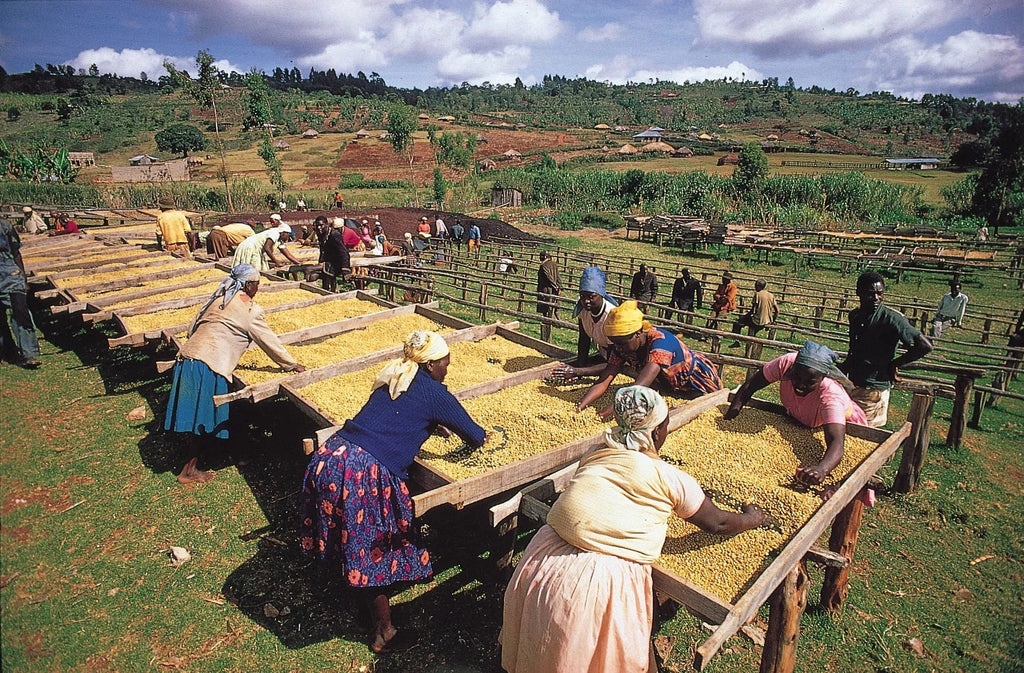
Zero-waste pour over methods
Pour-over coffee offers a fantastic starting point for a zero-waste brewing experience. It’s inherently a more mindful and controlled process, lending itself well to sustainable practices. The biggest immediate change most people can make is switching to a reusable filter. Stainless steel filters are incredibly durable and easy to clean, though some find they allow more sediment into the cup. Cloth filters provide a cleaner brew but require more meticulous care to prevent buildup and maintain flavor.
Composting coffee grounds is another essential step. They’re a fantastic addition to gardens, adding nitrogen and improving soil structure. I've found they work wonders for acid-loving plants like blueberries and azaleas. Beyond the garden, look for innovative brewing devices designed with minimal waste in mind. Some now include integrated grounds containers that simplify composting, eliminating the need for separate disposal.
The challenge often lies in the coffee bag packaging. Thankfully, more brands are offering bulk buying options, allowing you to refill your own containers. Compostable packaging is becoming more prevalent, but it’s important to ensure it’s truly compostable in your local facilities. Brands like Pact Coffee are leading the way with compostable coffee bags, and I’ve been impressed with their commitment to reducing plastic waste.
Switching to a reusable mug and ditching paper filters cuts your daily waste immediately.
Durable coffee makers
Let’s move beyond pour-over. While it’s a great starting point, many of us rely on other brewing methods. The Chemex, for example, is inherently sustainable due to its durable glass construction and longevity. A well-cared-for Chemex can last for decades, reducing the need for frequent replacements. Its repairability is also a major plus – broken parts are often easily replaceable.
When it comes to electric coffee makers, look for models with energy-saving modes and durable construction. Many newer models automatically shut off after a certain period of inactivity, conserving energy. The materials used are also critical. Stainless steel and glass are generally more sustainable choices than plastic, though the manufacturing process of any material has its impact.
I’ve been seeing a rise in modular coffee makers, designed for easy disassembly and component replacement. This is a game-changer because it extends the lifespan of the appliance. If a part breaks, you can simply replace it instead of discarding the entire machine. Brands are starting to recognize the value of designing for repairability, which is a welcome trend.
Ultimately, buying fewer, higher-quality items that are built to last is a key principle of sustainable consumption. It applies to coffee makers just as much as it does to anything else.
Using ratios to cut waste
Precise coffee ratios aren't just about taste—they’re about minimizing waste. If you consistently brew a cup that’s too weak or too strong, you’re likely to discard it, contributing to unnecessary waste. Dialing in your grind size and brew time is essential for achieving optimal extraction. This takes some experimentation, but it’s worth the effort.
Water quality also plays a role. Using filtered water not only improves the flavor of your coffee but can also reduce the need for re-brewing due to unpleasant tastes. Efficient brewing techniques, such as pre-wetting the grounds (blooming), can help ensure even extraction and minimize wasted coffee.
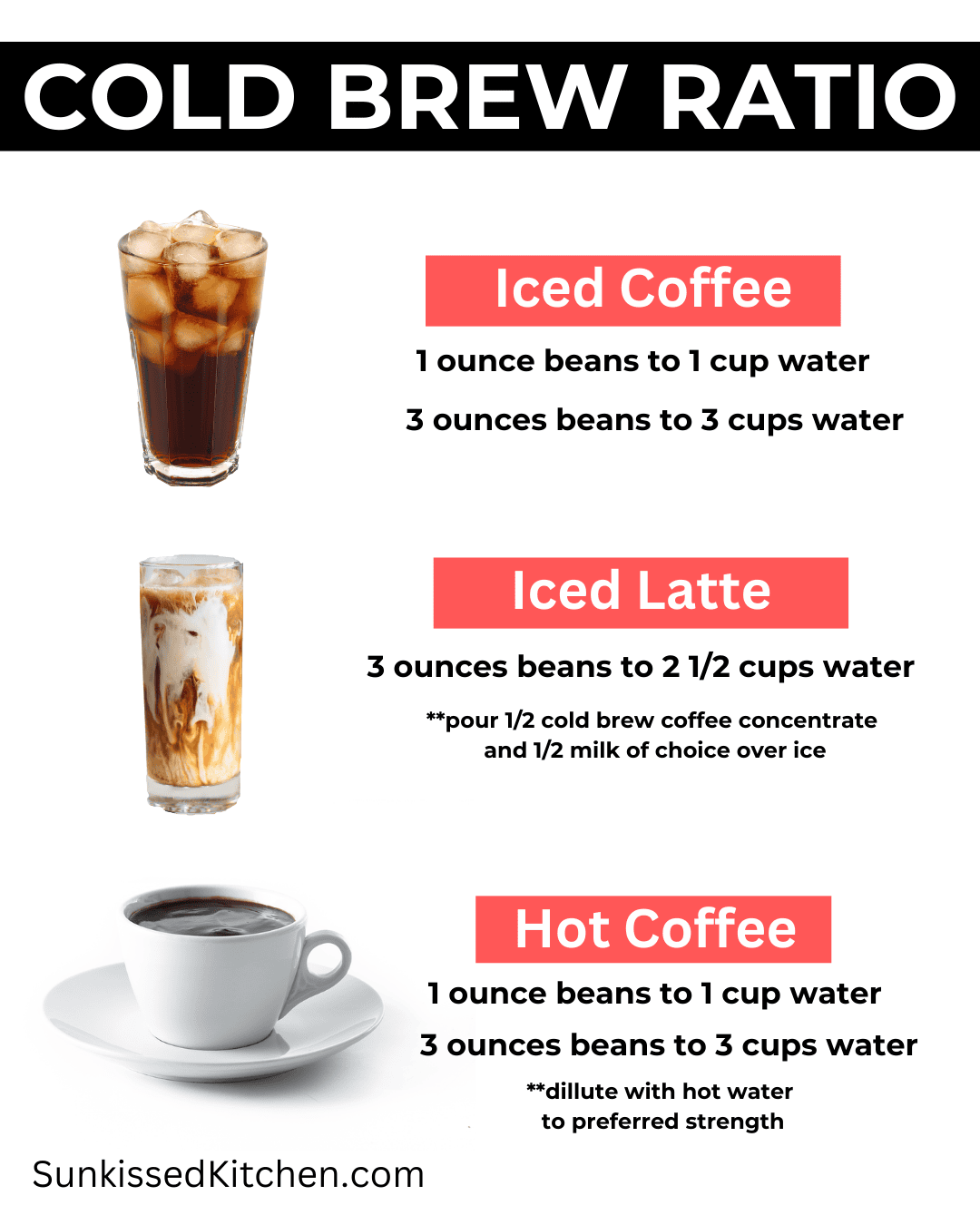
A general guideline for a pour-over is a 1:16 coffee-to-water ratio (e.g., 20 grams of coffee to 320 grams of water). But this is just a starting point. Adjust it based on your taste preferences and the specific coffee beans you're using. A good digital scale and a timer are invaluable tools for achieving consistent results.
It’s about understanding the variables and taking the time to refine your technique. A little effort upfront can lead to a lot less waste in the long run.
Sustainable Coffee Brands: 2026 Standouts
According to Cafe Delicioso, the landscape of sustainable coffee brands is evolving rapidly. Several companies are going above and beyond Fair Trade certification to implement truly holistic sustainability practices. One standout is Grounds for Change, a brand committed to regenerative agriculture. They work directly with farmers to improve soil health and biodiversity, sequestering carbon and enhancing the long-term resilience of coffee farms.
Another brand gaining recognition is Tiny Footprint Coffee. They focus on carbon-neutral shipping and invest in reforestation projects to offset their environmental impact. They also prioritize direct trade relationships with farmers, ensuring they receive a fair price for their beans. It's a comprehensive approach that addresses multiple aspects of sustainability.
Ethical Bean Coffee is also making waves with its transparent supply chain and commitment to community development projects. They invest in education and healthcare initiatives in coffee-growing regions, empowering farmers and their families. Their dedication to social responsibility is as impressive as their environmental efforts.
These brands aren’t just selling coffee; they’re selling a vision for a more sustainable future. They’re demonstrating that it’s possible to produce high-quality coffee while also protecting the planet and supporting the people who grow it.
Beyond the Bean: Packaging & Shipping
Packaging and shipping are often overlooked aspects of coffee sustainability, but they have a significant environmental impact. Traditional coffee packaging, with its layers of plastic and foil, is notoriously difficult to recycle. The carbon footprint of shipping coffee beans across the globe is also substantial.
Innovative packaging alternatives are emerging, including compostable bags made from plant-based materials and reusable containers that customers can refill. Several brands are experimenting with plastic-free packaging options, using materials like paperboard and cellulose film. The key is to find solutions that are both environmentally friendly and effective at preserving the freshness of the coffee.
Reducing the carbon footprint of shipping requires a multifaceted approach. Direct trade relationships, where roasters buy directly from farmers, can eliminate intermediaries and reduce transportation distances. Carbon offsetting programs, while not a perfect solution, can help mitigate the environmental impact of shipping. Optimizing logistics and consolidating shipments can also make a difference.
Local roasting is another promising trend. By roasting coffee closer to the point of consumption, you can significantly reduce transportation emissions. It also supports local economies and provides consumers with fresher coffee.
Coffee Packaging Material Comparison - Sustainability Factors
| Material | Environmental Impact | Cost | Durability | Shelf Life |
|---|---|---|---|---|
| Plastic (Traditional) | High - Contributes to landfill waste and microplastic pollution. Recycling rates are often low. | Low - Generally the cheapest option. | High - Very durable and resistant to damage. | Good - Provides a strong barrier against oxygen and moisture. |
| Foil-lined Bags | Moderate - Recycling is difficult and energy intensive. Resource intensive to produce. | Moderate - More expensive than plastic, but less than compostable options. | Moderate - Offers good protection but can be easily punctured. | Excellent - Provides a very effective barrier, extending shelf life. |
| Compostable Bags | Low - Designed to break down in commercial composting facilities (home composting may be limited). | High - Typically the most expensive packaging material. | Moderate - Can be less durable than plastic or foil, susceptible to tearing. | Moderate - Shelf life can be shorter than traditional packaging, depending on the material. |
| Reusable Containers (e.g., Glass Jars, Stainless Steel) | Very Low - Minimal waste if properly maintained and reused. Requires initial resource investment. | High (Initial Investment), Low (Long Term) - Higher upfront cost, but eliminates ongoing packaging expenses. | High - Very durable and long-lasting. | Good - Maintains freshness well when properly sealed, but requires careful handling. |
| Paper Bags (with barrier lining) | Moderate - Dependent on sourcing and barrier lining material. Paper is renewable, but linings can be plastic-based. | Moderate - Cost varies depending on lining material. | Low to Moderate - Less durable than plastic or foil, prone to tearing. | Moderate - Offers some protection, but generally shorter shelf life than foil or plastic. |
Illustrative comparison based on the article research brief. Verify current pricing, limits, and product details in the official docs before relying on it.
No comments yet. Be the first to share your thoughts!