

Beyond Iced Coffee: The 2026 Cold Brew Shift
Cold brew isn’t a fleeting trend anymore; it’s become a foundational part of coffee culture. What started as a niche offering has rapidly evolved into a mainstream preference, driven by consumers seeking smoother, less acidic coffee experiences. We're seeing a move beyond simply pouring hot coffee over ice, and a real demand for complex flavors that can only be unlocked through extended cold extraction.
This shift is fueled by a desire for convenience, but also for quality. People are willing to spend more for a better beverage, and cold brew delivers on both fronts. The rise of social media, particularly Instagram, has undeniably played a role – the aesthetic appeal of a beautifully presented cold brew is strong. This visually-driven demand has pushed brands to focus on presentation alongside taste.
The market is responding with increased accessibility. You can now easily find pre-ground blends specifically designed for cold brew, simplifying the process for home brewers. The Cold Brew Club, for example, offers 1 lb and 2 lb bags of pre-ground coffee tailored for cold brew, making it easier than ever to experiment with different flavors and brewing techniques. It's a sign of how seriously the market is taking this brewing method.
The conversation has moved past if people will drink cold brew to how they will drink it and what variations they’ll explore. It’s no longer just about a refreshing summer drink; it’s about a versatile coffee base for year-round enjoyment and creative experimentation.
Nitro Cold Brew: The Physics of Tiny Bubbles
Nitro cold brew takes the smoothness of cold brew to another level by infusing it with nitrogen gas. This isn’t just about a visual spectacle – the tiny bubbles dramatically affect the texture and perceived sweetness. Nitrogen creates a cascading effect and a creamy mouthfeel, similar to a stout beer, without adding any actual dairy or sugar.
The science is relatively simple: nitrogen bubbles are smaller than carbon dioxide bubbles, creating a denser, more velvety texture. The nitrogen also suppresses the acidity of the coffee, making it even smoother and easier to drink. This means you can often perceive a greater sweetness even without adding any sweetener.
Setting up a nitro cold brew system requires more than just the cold brew itself. You'll need a keg, a nitrogen regulator, and a specialized tap designed for nitrogen. Home nitro setups are becoming increasingly popular, with smaller kegs and regulators available, but maintaining consistent quality can be tricky. Commercial applications require precise temperature control and careful monitoring of nitrogen levels.
One of the biggest challenges with nitro cold brew is consistency. The pressure and temperature need to be carefully controlled to ensure the right bubble size and texture. Too much pressure, and you'll get a foamy mess. Too little, and you won’t get the signature cascading effect. It’s a balancing act that requires attention to detail.
Flash Chilled vs. Traditional: A Speed & Flavor Test
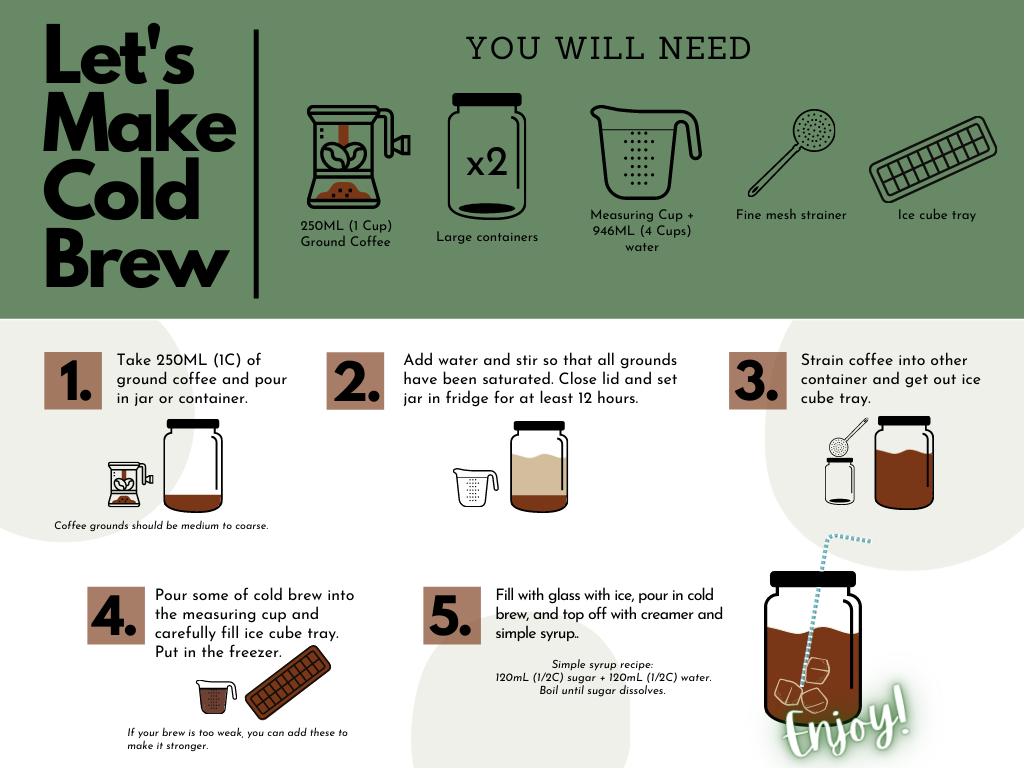
Traditional cold brew involves steeping coffee grounds in cold water for 12 to 24 hours. But a newer method, flash chilling (often called Japanese-style cold brew), offers a significantly faster alternative. Flash chilling involves brewing coffee directly over ice, using a pour-over device like a V60 or Kalita Wave. The hot water extracts the coffee quickly, and the ice instantly chills it.
The impact of brew time on flavor is substantial. Traditional cold brew tends to be lower in acidity and has a fuller body, with a sweetness that develops over the long steeping period. Flash chilled coffee, on the other hand, retains more of the coffee’s original acidity and often has a brighter, more nuanced flavor profile. It can feel cleaner and more delicate.
Equipment differences are key. Traditional cold brew requires a large container and a filter, while flash chilling demands a pour-over device, a server with ice, and a good grinder. The grind size also differs—a coarser grind is generally preferred for traditional cold brew, while a medium-fine grind works best for flash chilling. This is because of the differing extraction times.
Is one method inherently better? Not necessarily. It depends on the bean and your personal preference. If you prefer a very smooth, low-acid coffee, traditional cold brew might be the way to go. If you want to highlight the brighter notes of a lighter roast, flash chilling could be a better choice. Experimentation is key to finding what works best for you.
Flash Chilled vs. Traditional Cold Brew: A Comparative Overview
| Brew Time | Equipment Cost | Flavor Profile (Acidity) | Flavor Profile (Body) | Flavor Profile (Sweetness) | Clarity | Complexity |
|---|---|---|---|---|---|---|
| 15-60 seconds | Low to Medium (requires hot brewing equipment) | Low | Medium | Medium | High | Medium |
| 12-24 hours | Low (basic pitcher/container) | Low to Medium | Full | Medium to High | Medium | High |
Illustrative comparison based on the article research brief. Verify current pricing, limits, and product details in the official docs before relying on it.
Bean Selection: Beyond Dark Roasts
For a long time, dark roasts were considered the only option for cold brew, the idea being that the long steeping time needed a robust flavor to hold up. This is a misconception. While dark roasts can work well, lighter and medium roasts can produce incredibly complex and flavorful cold brew, especially with the more nuanced brewing methods becoming popular.
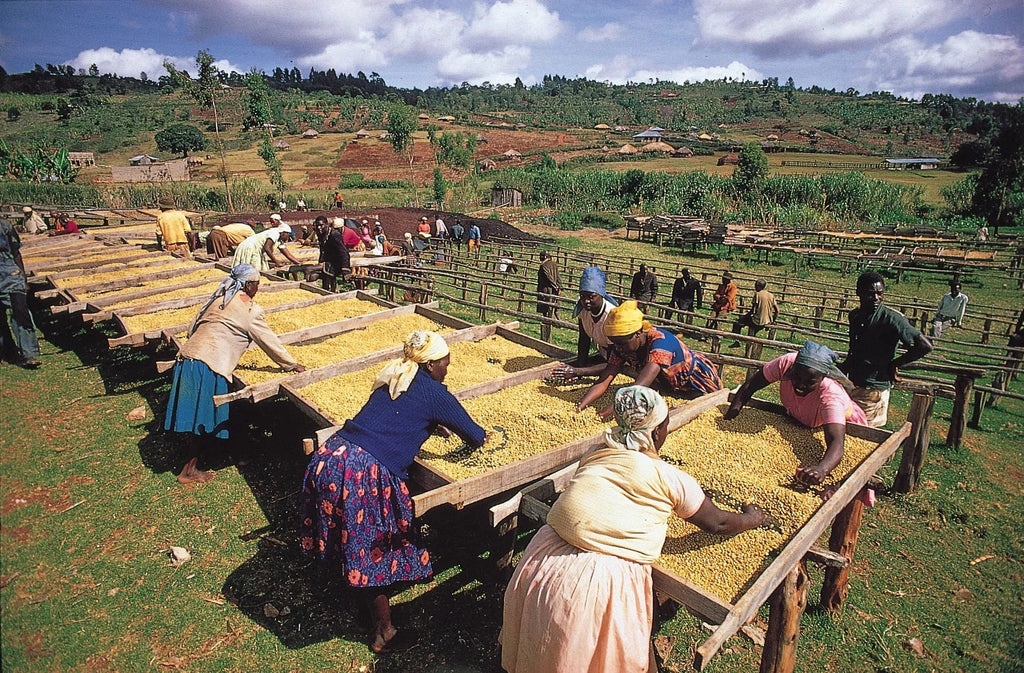
Different origins and processing methods significantly impact the final cup. Washed coffees tend to be cleaner and brighter, while natural processed coffees offer more fruit-forward flavors. Honey processed coffees fall somewhere in between. Exploring these variations can unlock a whole new world of cold brew possibilities.
Consider these bean recommendations: for nitro cold brew, a medium-dark roast from Sumatra or Brazil can provide a rich, chocolatey base. For flash chilled coffee, a light-roast Ethiopian Yirgacheffe can showcase its floral and citrus notes. For flavored cold brew, a medium roast from Central America offers a versatile canvas.
What makes a bean particularly suited to long steeping times? Beans with good body and a complex flavor profile tend to hold up best. It's also important to consider the bean's density—denser beans generally require a longer steep time to fully extract their flavors. Bare Brew, for example, focuses on quality beans that hold their own during extended cold brew, and their blends are worth testing to see how they perform.
Cold Brew Bean Varieties
- Ethiopian Yirgacheffe - Known for its bright, floral aroma and delicate citrus notes. Washed processed, light roast. Excellent for traditional cold brew, highlighting its nuanced flavors.
- Sumatra Mandheling - Earthy and full-bodied with low acidity. Wet-hulled processed, medium-dark roast. Creates a smooth, rich cold brew, particularly well-suited for nitro cold brew due to its body.
- Colombian Supremo - A classic choice, offering a balanced profile with notes of caramel and nuts. Washed processed, medium roast. Versatile for all cold brew methods, providing a consistently enjoyable result.
- Brazilian Santos - Mild and sweet with chocolatey undertones. Natural processed, medium roast. Produces a smooth, approachable cold brew, ideal for those new to the method or preferring a less intense flavor.
- Kenyan AA - Vibrant acidity and black currant notes. Washed processed, light-medium roast. Shines in flash-chilled methods, preserving its bright, fruity characteristics.
- Guatemalan Antigua - Chocolate and spice notes with a full body. Washed processed, medium roast. A reliable choice for traditional cold brew, offering a balanced and satisfying cup.
- Peruvian Organic - Delicate floral aromas and a smooth, clean finish. Washed processed, light-medium roast. Well suited for traditional cold brew or flash chilled, highlighting its subtle sweetness.
Infusions & Flavorings: Cold Brew as a Canvas
Don't limit yourself to simple syrups when flavoring cold brew. The extended brewing process makes it an ideal base for infusing more complex flavors. Spice infusions, using ingredients like cinnamon, cardamom, or star anise, can add warmth and depth. Citrus peels, especially orange or grapefruit, can impart a bright, zesty flavor.
Vanilla bean is a classic infusion, but it’s important to use a high-quality bean and to allow sufficient steeping time to extract the full flavor. Whole spices tend to be better than ground, as they won't cloud the concentrate. Experiment with different combinations – cinnamon and orange peel, cardamom and vanilla, or ginger and lemon.
The sweetener you choose also has a significant impact. Agave nectar offers a subtle sweetness and a smooth texture. Maple syrup adds a unique flavor profile that complements many coffee origins. Honey provides a floral sweetness and a slightly thicker mouthfeel. Avoid refined sugar, as it can often taste artificial.
Creating balanced cold brew cocktails is about layering flavors. Start with a strong cold brew concentrate and add complementary ingredients – a splash of bourbon, a hint of chocolate liqueur, or a squeeze of lime juice. Fruit purees can also be incorporated, but be mindful of the sugar content. A little goes a long way.
Cold Brew Concentrate Ratios: Dialing in Your Strength
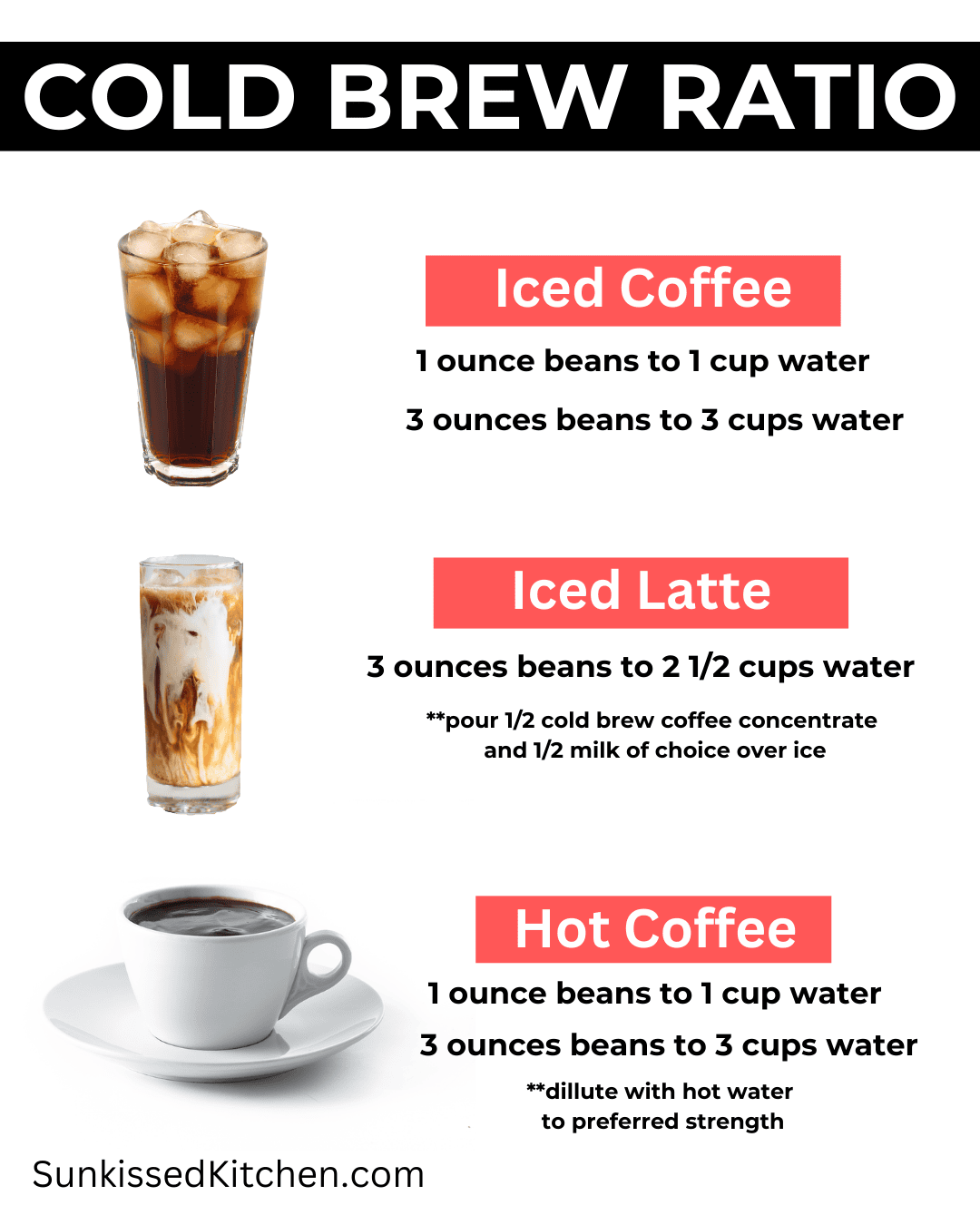
The commonly cited 1:8 coffee-to-water ratio for cold brew concentrate isn’t a universal truth. It’s a good starting point, but the optimal ratio depends on several factors, including the bean density, grind size, and your personal preference. Denser beans require more water, while a finer grind will extract more quickly.
Bean density is crucial. A light, airy bean will extract more easily than a dense, hard bean. Adjust the ratio accordingly – a denser bean might require a 1:6 or even 1:5 ratio. Grind size also plays a role. A coarser grind will result in a weaker concentrate, while a finer grind will produce a stronger one.
If your concentrate is overly bitter, try using a coarser grind or reducing the steep time. If it’s too weak, try using a finer grind or increasing the steep time. Experimenting with different ratios is the best way to find your sweet spot. It’s better to start with a weaker concentrate and add more coffee if needed.
Remember to account for dilution. Cold brew concentrate is typically diluted with water or milk before serving. A 1:1 dilution is common, but you can adjust this to your liking. Keeping a brewing journal to record your ratios and results will help you consistently make the perfect cup.
The Future of Cold Brew: Trends to Watch
The cold brew market is poised for continued innovation. We’ll likely see a surge in ready-to-drink (RTD) options with increasingly sophisticated flavor combinations – think cold brew infused with adaptogens, functional mushrooms, or exotic fruit purees. Brands will likely focus on convenience without sacrificing quality.
Sustainable brewing practices will become more prevalent. Consumers are increasingly aware of the environmental impact of their choices, and they'll demand more ethically sourced coffee and eco-friendly packaging. This could lead to a rise in direct-trade relationships and a focus on reducing waste.
Personalized cold brew subscriptions tailored to individual preferences are a distinct possibility. Imagine a service that analyzes your taste profile and sends you a custom blend of coffee and flavorings each month. Technology could play a role in optimizing cold brew extraction, with smart brewers that automatically adjust the brewing parameters based on the bean and your desired outcome.
The growing focus on functional beverages will also impact the cold brew market. We may see more cold brew products that are fortified with vitamins, minerals, or other health-boosting ingredients. The versatility of cold brew as a base for creative beverages makes it an ideal platform for innovation in this space.
What is the most exciting development you are seeing in the world of cold brew?
Cold brew continues to evolve with new innovations and techniques shaping how we enjoy coffee year-round. We want to hear from the Real Coffee Club community -- which trend has you most excited about the future of cold brew? Vote below and share your thoughts in the comments!
No comments yet. Be the first to share your thoughts!