

Beyond the golden ratio
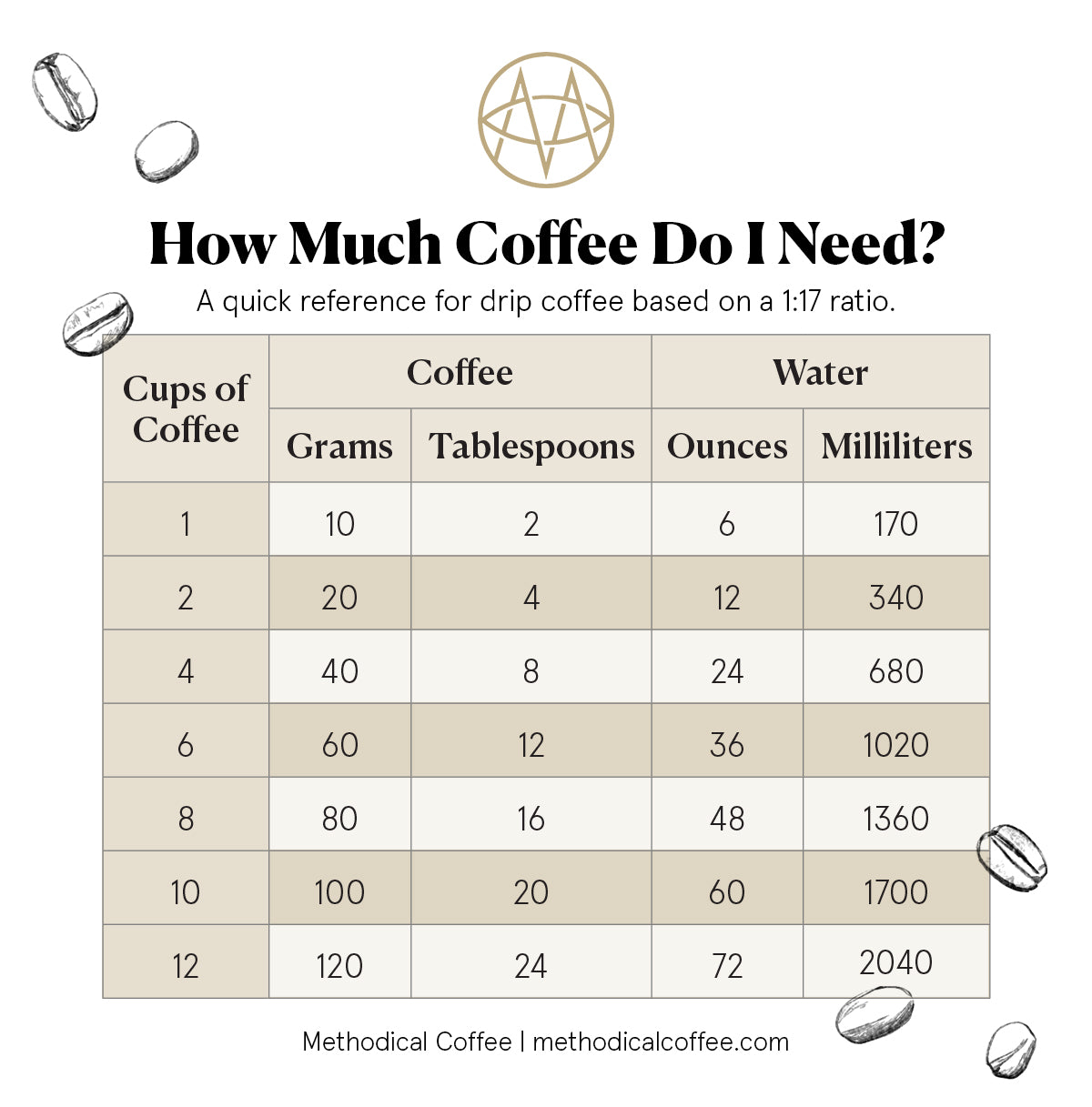
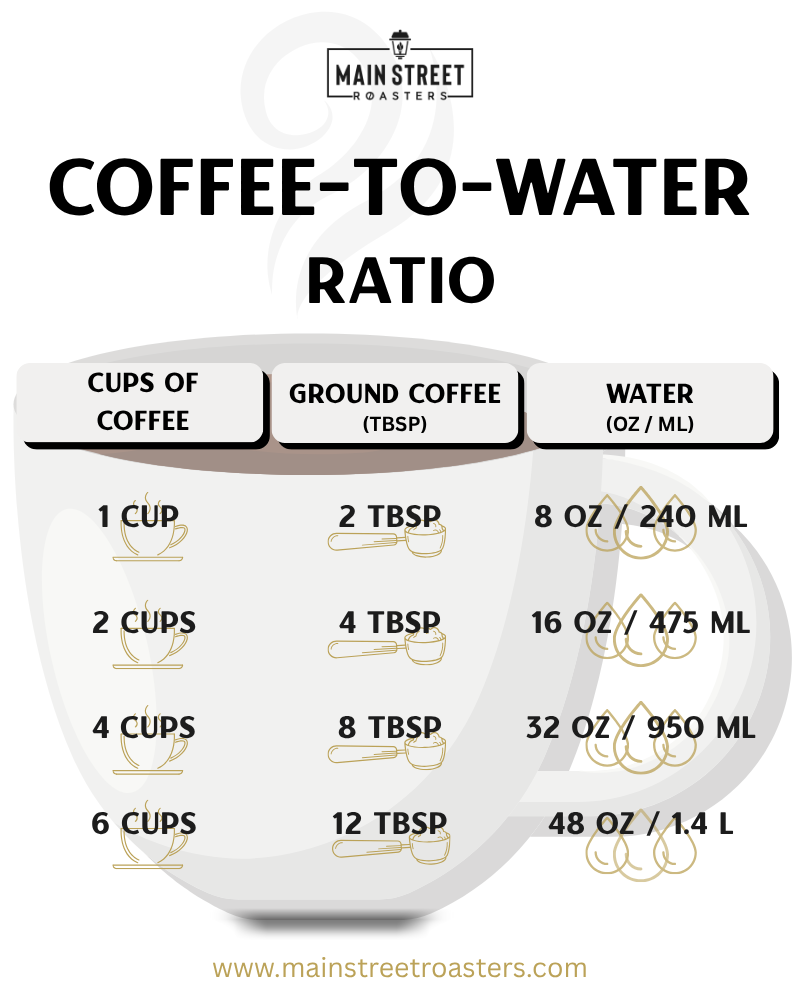
For years, the "golden ratio’ of 1:15 to 1:18 – that’s one part coffee to 15-18 parts water – has been treated as gospel in the coffee world. It"s a good starting point, sure, but to present it as a universal truth does a disservice to the incredible complexity of coffee. The idea that one ratio works for all beans, all roasts, and all preferences is simply inaccurate.
I've noticed more people moving away from rigid rules toward a personalized approach. It isn't about abandoning the basics, but about understanding them well enough to match your specific beans. We're finally seeing data replace guesswork.
This means considering factors often overlooked in quick guides: the inherent characteristics of the bean itself, the level to which it’s been roasted, and, most importantly, your personal flavor preferences. We’ll explore how to move beyond the "golden ratio" and find the sweet spot for your perfect cup.
How bean origin changes your target
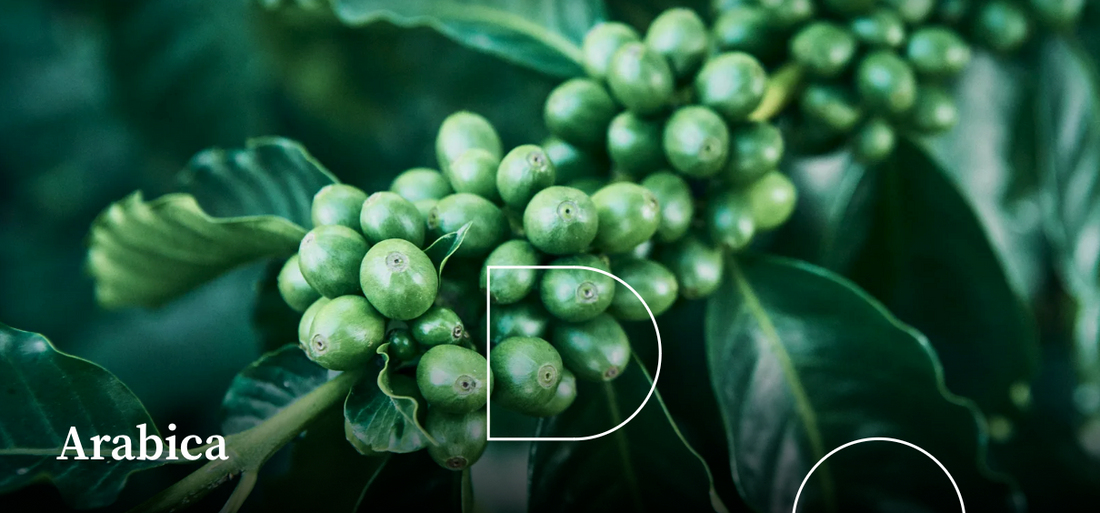
Different coffee bean origins possess unique characteristics that demand specific extraction approaches. Ethiopian Yirgacheffe, known for its bright acidity and floral notes, often benefits from a slightly higher ratio, around 1:15 or even 1:14, to fully develop its flavors. This is because these beans are typically less dense.
Sumatran Mandheling, with its earthy, full-bodied profile, can handle a lower ratio – closer to 1:17 or 1:18 – due to its higher density and lower acidity. Colombian Supremo, a balanced bean, generally thrives around the traditional 1:16 ratio, but even here, variations exist based on processing method. Washed Colombians tend to need slightly more coffee than naturally processed ones.
Processing method plays a huge role. Washed coffees, having had the fruit removed before drying, often require a bit more coffee to compensate for the loss of sugars that contribute to extraction. Natural processed coffees, retaining the fruit during drying, are often more soluble and can use a lower ratio. As a starting point, consider these guidelines: light roast Ethiopian Yirgacheffe – 1:14; medium roast Colombian – 1:16; dark roast Sumatran – 1:18.
Density matters too. Denser beans need more water to pull out the flavor, while softer beans extract so easily they can end up tasting muddy if you use too much water.
Roast levels and solubility
The roasting process fundamentally alters the chemical composition of coffee beans, significantly impacting their solubility. As beans roast, complex sugars and acids break down, creating new compounds responsible for color and flavor. Lighter roasts retain a greater proportion of these original sugars and acids, making them more challenging to extract completely.
Consequently, lighter roasts typically require higher coffee-to-water ratios – closer to 1:14 or 1:15 – and a finer grind to maximize surface area and ensure sufficient agitation during brewing. This is because the sugars and acids are locked within the cellular structure of the bean. Darker roasts, having undergone more extensive chemical changes, have more readily available sugars and oils.
These developed sugars and oils make extraction easier, allowing for lower ratios – around 1:17 or 1:18. However, this ease of extraction also carries a risk: over-extraction can quickly lead to bitterness. The Total Dissolved Solids (TDS) readings will be higher with darker roasts, and the extraction yield will reach its peak more quickly. Understanding this relationship is crucial for dialing in your brew.
Roast level also affects the Maillard reaction, which contributes to browning and flavor development. More Maillard reaction means more soluble compounds, and thus a different ratio is needed.
The math: TDS and extraction yield
To move beyond subjective tasting and into truly data-driven brewing, we need to talk about Total Dissolved Solids (TDS) and extraction yield. TDS, measured with a refractometer, indicates the concentration of dissolved coffee compounds in your brew. A refractometer essentially measures how much light bends when passed through your coffee, giving you a percentage reading.
Extraction yield, expressed as a percentage, represents the amount of soluble coffee grounds that have been dissolved into the water. The "ideal’ extraction yield range is generally considered to be between 18% and 22%. Below 18%, you"re likely under-extracting, resulting in a sour, acidic, and thin-bodied brew.
Go above 22% and the coffee is usually bitter and harsh. Changing your ratio is the fastest way to fix this. You could mess with grind size or temperature, but the math of the ratio is the most reliable lever you have.
Calculating extraction yield requires knowing your brew ratio and the TDS of your brew. There are many online coffee strength calculators available to help with this. For example, the Brew Ratio Calculator at realcoffeeclub.com can assist you in determining your extraction yield and making adjustments.
Ratios for different brew methods
The optimal coffee-to-water ratio isn't one-size-fits-all; it varies significantly depending on the brewing method. Pour-over methods like the V60 and Kalita Wave typically perform well with ratios between 1:15 and 1:17, allowing for precise control over flow rate and extraction time.
The Chemex, with its thicker filter, often benefits from a slightly coarser grind and a ratio closer to 1:16 or 1:17 to compensate for the slower filtration. French Press, utilizing a full immersion method and a metal filter, requires a coarser grind and a lower ratio – around 1:15 to 1:18 – due to the extended brew time and the passage of more oils and sediment.
Aeropress, a versatile method, can accommodate a wide range of ratios, from 1:10 for a concentrated brew to 1:15 for a more traditional cup. Automatic drip machines, often lacking precise control, generally perform best with ratios around 1:16 to 1:18. The key is to experiment and find what works best with your machine.
Ultimately, the longer the coffee is in contact with the water, the lower the ratio should be. This is why French Press uses a lower ratio than Pour Over.
The role of water quality
Often overlooked, water quality profoundly impacts coffee extraction and flavor. The mineral content of your water – its Total Dissolved Solids (TDS) – plays a crucial role. Water that is too soft (low mineral content) can lead to under-extraction, resulting in a flat, lifeless brew.
Conversely, water that is too hard (high mineral content) can inhibit extraction and create a chalky, unpleasant taste. Ideal water for coffee should have a TDS between 150-250 ppm, with a balanced mineral composition.
Different water profiles can highlight different flavor notes in coffee. For example, water with higher magnesium content can enhance sweetness, while water with higher bicarbonate content can reduce acidity. Using filtered water is a good starting point, but experimenting with different mineral additions can take your brewing to the next level.
Personal preference also comes into play here. Some people prefer the clarity of a brew made with softer water, while others enjoy the fuller body and enhanced sweetness of a brew made with harder water.
Building your own ratio profile
The pursuit of the perfect ratio isn't about finding a single, definitive answer; it’s about discovering your perfect ratio. This requires experimentation and a willingness to deviate from established norms. Start by keeping a brewing journal to record your coffee beans, grind size, water temperature, brew time, and, most importantly, your coffee-to-water ratio.
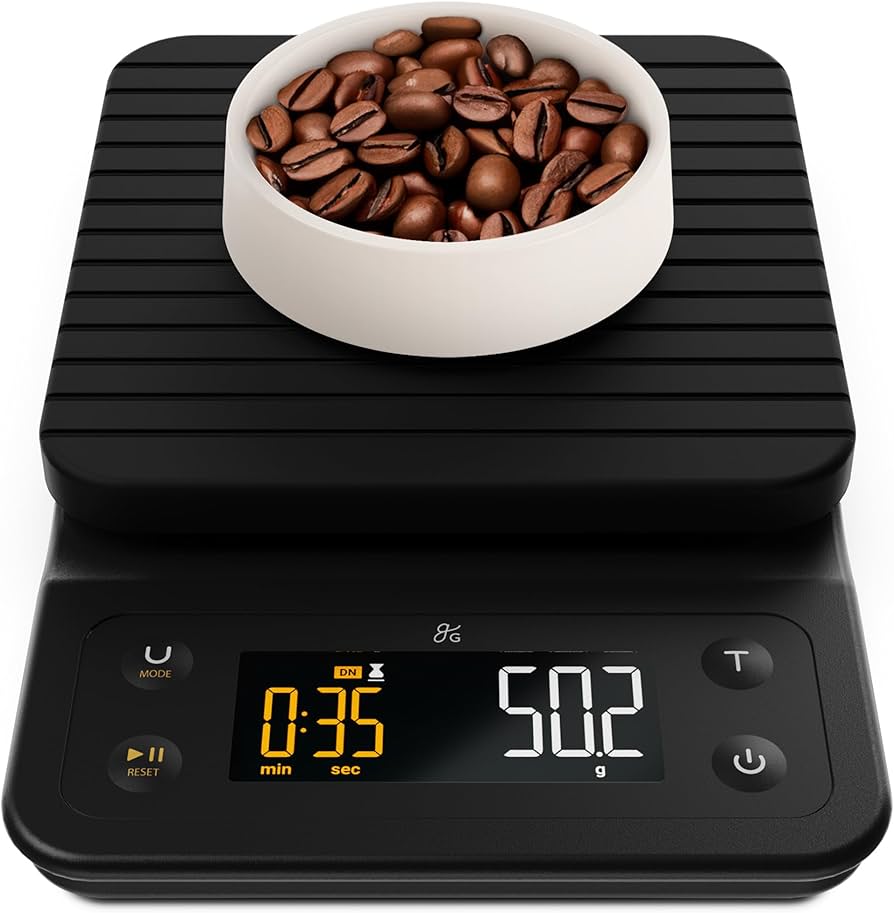
Adjust the ratio in small increments – 0.5g at a time – and carefully evaluate the impact on taste. Pay attention to acidity, body, sweetness, and overall balance. Consider creating a simple evaluation checklist to help you stay consistent.
Here's a sample checklist: Acidity: (Low, Medium, High) Body: (Light, Medium, Full) Sweetness: (Low, Medium, High) Balance: (Unbalanced, Balanced, Harmonious)
Don't be afraid to break the rules. Your palate is unique, and what works for others may not work for you. Embrace the process of experimentation and enjoy the journey of discovering your ideal cup.
- Acidity: check if it's sour or flat
- Body: notice the weight on your tongue
- Sweetness: (Low, Medium, High)
- Balance: (Unbalanced, Balanced, Harmonious)

No comments yet. Be the first to share your thoughts!