

The rise of micro-lots
Coffee has always been about more than just a morning jolt. But lately, something is shifting. We’re seeing a growing fascination with micro-lot coffees – small, meticulously produced batches that represent the pinnacle of single-origin quality. For years, coffee production focused on volume, prioritizing consistency over distinctiveness. Now, drinkers are actively seeking out coffees with unique stories and exceptional flavors, and micro-lots deliver on both fronts.
Traditionally, coffee farms would combine harvests from different areas of their land, or even from multiple farms, to create a consistent product. Micro-lots, however, are defined by their extreme specificity. They come from tiny parcels of land – often just a few acres – and are treated as individual expressions of terroir. This focus on detail is driving a wave of innovation and quality throughout the specialty coffee world.
2026 is shaping up to be a big year for these small harvests. I've seen early reports from producers suggesting the upcoming weather cycles are favoring high-altitude plots in Central America. These beans are a massive departure from the generic commodity coffee found in supermarkets, which is why they're disappearing from roasters' shelves faster than ever.
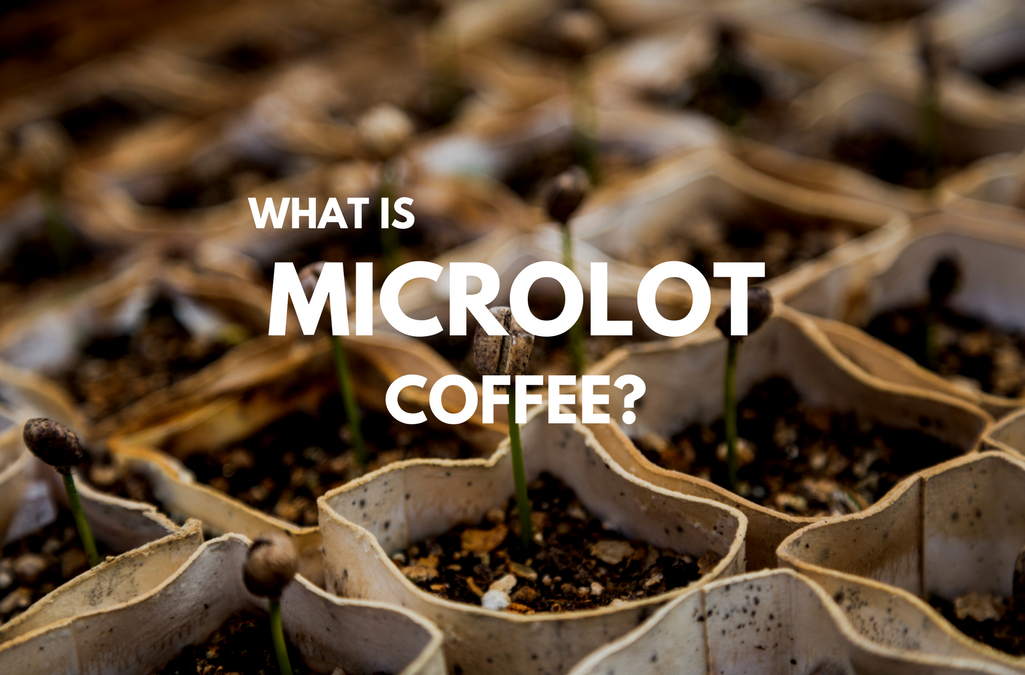
What makes a micro-lot?
Defining a "micro-lot’ isn’t always straightforward, and there isn"t a universally accepted acreage limit. Generally, a micro-lot refers to a coffee produced from a very small area – typically less than five acres, and sometimes even less than one. This small size allows for an incredible level of control and attention to detail throughout the growing and processing stages.
However, acreage is just one piece of the puzzle. True micro-lots are almost always single-estate coffees, meaning they come from a single farm or even a specific section of a farm. This single origin is critical for capturing the unique characteristics of the land. They also often utilize specific, carefully selected processing methods, tailored to bring out the best in the beans. This is where the art really comes in.
Don't confuse these with standard single-origin bags. A 'single-origin' label can cover an entire region or a massive estate. A micro-lot is about scale and intent—it's the difference between a massive vineyard and a single row of vines picked on one specific afternoon.
Where to look in 2026
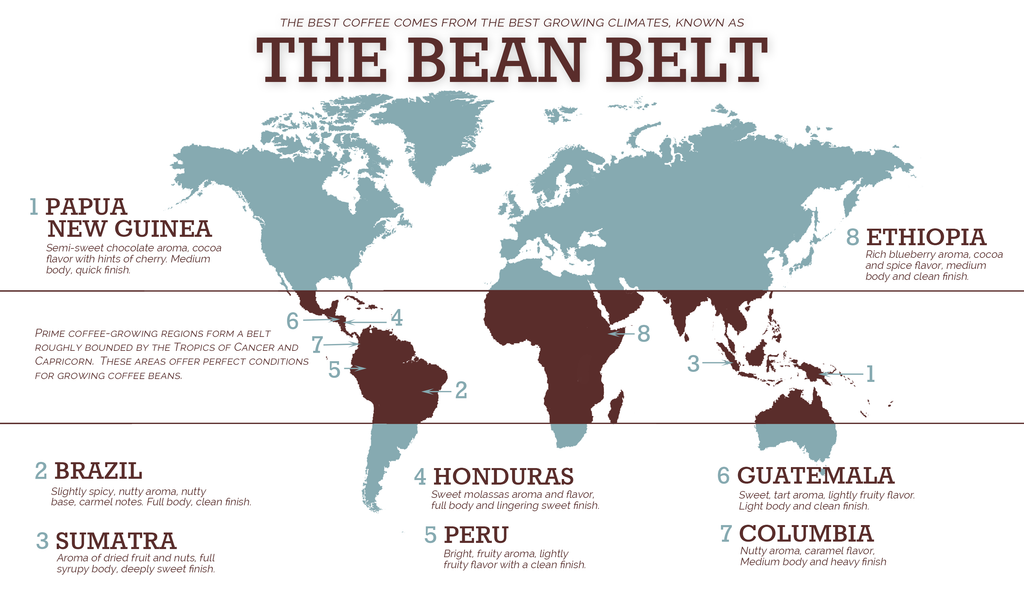
Several regions are leading the charge in micro-lot coffee production. Panama, particularly the Boquete region, is famous for its Geisha varietal, which consistently commands high prices and accolades. These coffees are known for their floral aromas, delicate acidity, and complex flavor profiles. Ethiopia, the birthplace of coffee, continues to be a hotbed of innovation, with micro-lots from Yirgacheffe and Guji showcasing incredible diversity.
Colombia is another key player, with farms in regions like Huila and Nariño producing exceptional micro-lots. The country’s varied altitudes and climates allow for a wide range of flavor profiles, from bright and fruity to rich and chocolatey. I’ve been following the work coming out of the Tolima region closely; they are doing some really interesting things with anaerobic fermentation.
Costa Rica is in a strange spot. They have the infrastructure, but I'm seeing more aggressive experimentation coming out of Honduras and Peru lately. Those two are the ones to watch if you're looking for something that hasn't been over-hyped yet.
- Panama: Home of the Geisha varietal, known for floral notes and high auction prices.
- Ethiopia: Specifically Yirgacheffe and Guji, where the flavor diversity is unmatched.
- Colombia: Huila & Nariño, bright and fruity or rich and chocolatey profiles
- Costa Rica: Historically significant, but potentially losing ground to other regions
- Honduras & Peru: Emerging regions with promising potential
Micro-Lot Coffee Bean Regional Comparison - 2026 Outlook
| Growing Region | Flavor Profile | Typical Varietals | Processing Methods | Overall Complexity |
|---|---|---|---|---|
| Panama | Floral, Jasmine, Citrus | Geisha, Typica | Washed, Natural, Honey | Very High |
| Ethiopia (Yirgacheffe) | Fruity, Berry, Lemon | Heirloom Varieties, Kurume | Washed, Natural | High |
| Colombia (Huila) | Balanced, Caramel, Nutty | Caturra, Castillo, Colombia | Washed, Honey | Medium-High |
| Kenya | Bright Acidity, Black Currant, Tomato | SL28, SL34, Ruiru 11 | Washed | High |
| Costa Rica (Tarrazu) | Clean, Bright, Chocolate | Caturra, Catuaí | Washed, Honey | Medium |
| Guatemala (Antigua) | Chocolate, Spice, Floral | Bourbon, Typica, Caturra | Washed | Medium-High |
| Brazil (Sul de Minas) | Nutty, Chocolate, Low Acidity | Catuai, Mundo Novo | Natural, Pulped Natural | Medium |
Illustrative comparison based on the article research brief. Verify current pricing, limits, and product details in the official docs before relying on it.
Varietals worth the hunt
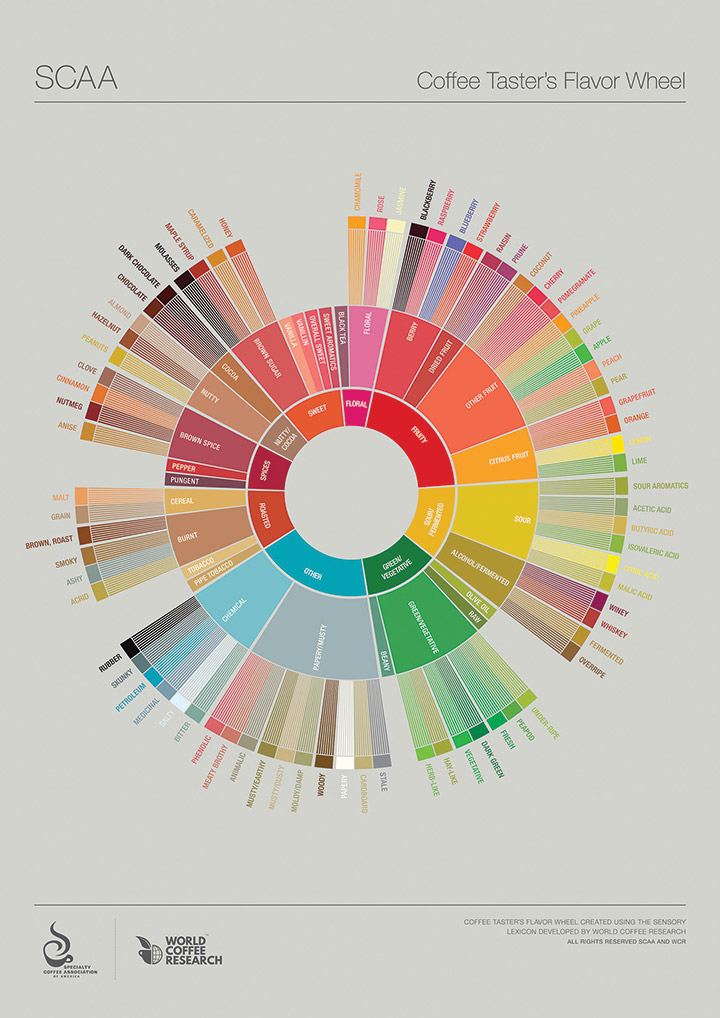
Beyond the origin, the varietal of coffee bean plays a huge role in the final cup. Geisha (also known as Gesha) remains the most highly prized varietal, known for its jasmine-like aroma and tea-like body. It originated in Ethiopia but has found a second home in Panama, where it consistently wins awards and fetches record-breaking prices at auction. Pacamara, a hybrid of Pacas and Maragogype, is another standout, producing large beans with complex, often floral flavors.
SL28, originally developed in Kenya, is gaining popularity for its bright acidity, black currant notes, and overall complexity. It's a challenging varietal to grow, which adds to its appeal. Breeders are also experimenting with newer, hybrid varietals designed for resilience and unique flavor profiles. These are often proprietary and less widely available, but they represent the future of coffee breeding.
The market value of these rare varietals can vary significantly. Geisha can easily command prices of $50-$100 per pound, while Pacamara and SL28 typically fall in the $20-$40 range. However, these prices can fluctuate based on the specific farm, processing method, and overall quality of the coffee.
How processing changes the cup
How coffee cherries are processed after harvesting has a dramatic effect on the final flavor. The traditional washed method removes the fruit before drying, resulting in clean, bright coffees with pronounced acidity. Natural processing, where the cherries are dried with the fruit intact, leads to more fruity, complex, and often winey flavors. It’s become increasingly popular because it can unlock unique flavor profiles.
Honey processing, a hybrid method, leaves some of the sticky mucilage on the bean during drying, creating a balance between the cleanliness of washed coffees and the fruitiness of naturals. Anaerobic fermentation is a newer technique gaining traction, involving fermenting the coffee cherries in a sealed environment. This allows for controlled fermentation and the development of unique and often experimental flavors.
Different varietals respond differently to these processing methods. For example, Geisha often shines with washed processing, allowing its delicate floral aromas to come through, while Pacamara can handle natural processing, resulting in a more intensely fruity and complex cup. Understanding these interactions is key to appreciating the nuance of micro-lot coffees.
Sourcing and transparency
Traceability is paramount in the world of micro-lot coffee. Knowing exactly where your coffee comes from – the farm, the farmer, even the specific section of the farm – is essential for understanding its quality and appreciating its story. Direct trade relationships, where roasters work directly with farmers, are becoming increasingly common. This ensures farmers receive a fair price for their coffee and allows for greater control over quality.
Roasters like Red Field Coffee Roaster are leading the way in transparency, actively sharing information about their sourcing practices and the farmers they work with. This commitment to traceability builds trust with consumers and supports sustainable coffee production. It’s important to look for roasters who are willing to share this information.
Look for detailed information on the coffee bag or website, including the farm name, altitude, processing method, and varietal. A reputable roaster will be proud to share this information and will be happy to answer any questions you have about their sourcing practices.
Finding and brewing
Finding micro-lot coffees can require a bit of effort, but the rewards are well worth it. Specialty coffee shops are a great place to start, as they often carry a curated selection of these rare beans. Online retailers specializing in single-origin coffee are another good option. Look for terms like "micro-lot,’ ‘single-farm,’ or ‘estate coffee" when browsing.
When purchasing, pay attention to the roast date – fresher is always better. Store your beans in an airtight container, away from light, heat, and moisture. Brewing methods like pour-over and Chemex are particularly well-suited for showcasing the nuances of micro-lot coffees, allowing you to fully appreciate their complex flavors and aromas.
Experiment with different grind sizes and water temperatures to find what works best for each coffee. Don’t be afraid to adjust your brewing parameters to unlock the full potential of these exceptional beans. A good starting point is a medium-fine grind and a water temperature of 200°F (93°C).
No comments yet. Be the first to share your thoughts!