

The brewing horizon
The coffee maker market in 2024 is defined by a clear trend: people want more from their morning cup. We’re seeing a surge in interest in specialty coffee enjoyed at home, driving demand for equipment that delivers café-quality results. This isn’t just about convenience; it’s about control, customization, and a deeper engagement with the brewing process. People are investing in grinders, scales, and specialized brewing devices.
By 2026, this desire for control won’t disappear, but it will meet a new force: artificial intelligence. We’re on the cusp of a revolution where coffee makers aren’t just appliances, but intelligent systems capable of learning your preferences and optimizing every aspect of the brew. This isn't some distant future; the groundwork is being laid now, with early iterations of smart coffee makers already appearing in the market.
The shift towards AI isn't replacing the existing market, it’s adding a layer of complexity and choice. While some will embrace fully automated, AI-driven brewing, others will remain committed to the tactile, ritualistic experience of manual methods. The question isn’t which will win, but how these two approaches will coexist and evolve.
The Northwestern reports that AI robotic coffee machines are expected to deliver strong profitability in 2026, suggesting a real market demand for this technology. This isn’t just about novelty; it indicates a willingness to invest in a more intelligent coffee experience. We’re moving beyond simply making coffee to optimizing the coffee-making process.
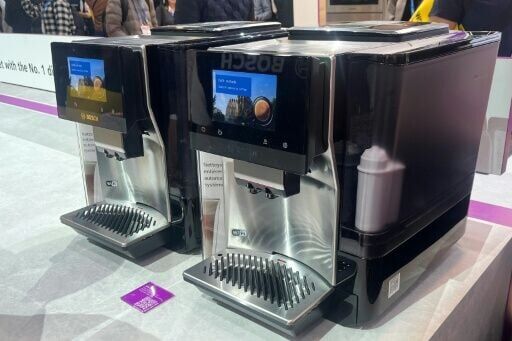
What AI coffee makers actually do
AI coffee makers in 2026 will likely go far beyond simple timers and programmable settings. The core of the technology lies in the machine's ability to learn – to understand your ideal cup and consistently reproduce it. This will involve a suite of sensors and algorithms working in tandem.
Bean recognition is a key feature being developed. Imagine a machine that identifies the type of bean you’ve loaded and automatically adjusts the grind size, water temperature, and brewing time accordingly. This requires sophisticated image recognition and a vast database of bean characteristics. Some prototypes are already experimenting with this, though widespread accuracy is still a challenge.
Beyond bean ID, expect dynamic grind size adjustment. No more pre-set settings; the machine will fine-tune the grind mid-brew based on feedback from sensors monitoring extraction. Temperature control will also be incredibly precise, maintaining optimal water temperature throughout the brewing cycle. Personalized profiles are another crucial component, allowing multiple users to save their preferred settings.
TechRadar’s coverage of CES highlighted innovations like condensing espresso machines and super-fast cold brew, demonstrating a push for both convenience and quality. While not strictly AI, these technologies share a common thread: automating complex processes. We can expect AI to integrate with these types of innovations, further streamlining the coffee-making experience.
Automatic bean ordering is a feature that will likely become standard. The machine will monitor your bean usage and automatically reorder when supplies are low, seamlessly integrating with your preferred online retailer. This relies on connectivity and secure payment integration, raising some privacy considerations.
It's important to be realistic about these advancements. Full automation isn't about eliminating human input entirely; it's about automating the variables to achieve consistent, high-quality results. The goal isn’t to replace the barista, but to empower the home brewer.
Why pour over isn't going away
Despite the rise of AI-powered brewing, the pour over method continues to thrive. This isn't a matter of resisting technology, but rather appreciating a fundamentally different experience. For many coffee enthusiasts, the pour over process is the point. It’s a mindful ritual, a moment of calm in a busy day.
The appeal lies in the control. A skilled pour over brewer has complete mastery over every variable – water temperature, pour rate, bloom time, and saturation. This allows for an incredibly nuanced and customized brew. It’s a hands-on process that engages the senses and fosters a deeper connection with the coffee.
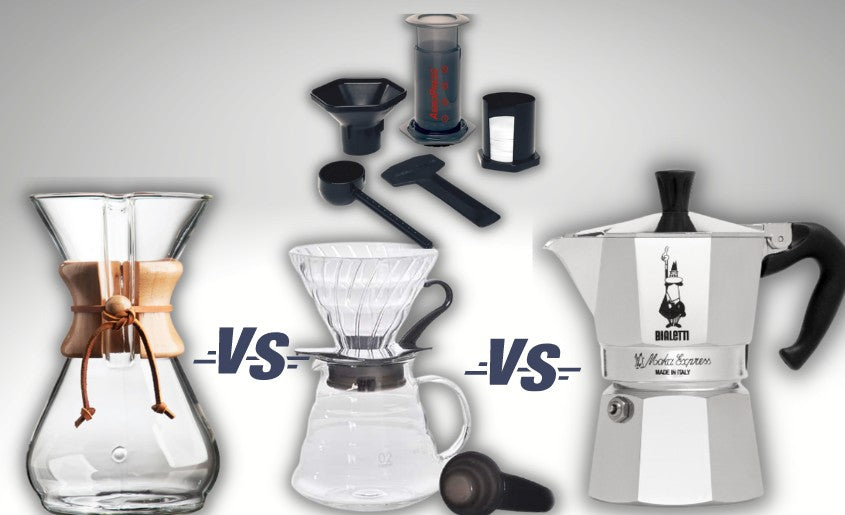
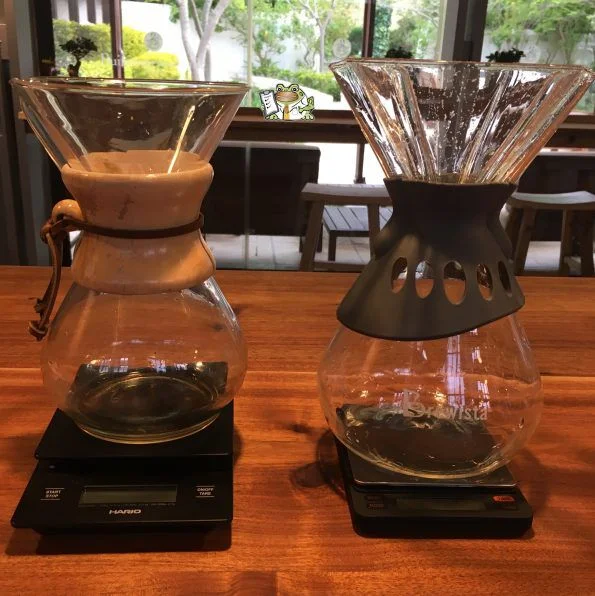
There’s a diversity within the pour over world itself. The Hario V60, with its spiral ribs and conical shape, is known for its clean, bright brews. The Kalita Wave, with its flat bottom, promotes a more even extraction. The Chemex, with its thick filter, produces a particularly clean and sediment-free cup. Each method offers a slightly different experience.
The sensory experience is also key. The aroma of the blooming coffee, the visual satisfaction of a perfectly executed pour, the warmth of the cup in your hands – these are all elements that contribute to the overall enjoyment. AI coffee makers can replicate the flavor, but they can’t replicate the feeling.
Ratios: AI vs. human intuition
Coffee ratios – the proportion of coffee grounds to water – are fundamental to brewing. A slight adjustment can dramatically alter the flavor profile, impacting extraction, bitterness, and acidity. AI coffee makers will undoubtedly handle ratios with precision, but the question is: can they match the nuance of a skilled human?
Most AI machines will offer pre-programmed ratios based on bean type and desired strength. They’ll also likely allow for some degree of customization, allowing you to adjust the ratio within a specified range. The sophistication of this customization will vary between models. Some might allow for minute adjustments, while others may offer only broad settings.
A skilled pour over enthusiast, however, can dial in a ratio with incredible accuracy. Using a scale and meticulous measurements, they can experiment with ratios down to the tenth of a gram, fine-tuning the brew to their exact preferences. This level of control is difficult to replicate with current AI technology.
For example, a standard ratio might be 1:16 (1 gram of coffee to 16 grams of water). But a human brewer might adjust this to 1:15.5 for a slightly stronger brew, or 1:16.5 for a more delicate cup. These subtle adjustments can make a significant difference in the final flavor. The real test will be whether AI can learn to anticipate these nuanced preferences and adapt accordingly.
Beyond the Brew: Smart Features
The 'smart' aspect of AI coffee makers extends beyond the brewing process itself. Integration with smart home ecosystems like Alexa and Google Assistant will be commonplace, allowing you to start your coffee with a voice command. Remote control via a smartphone app will also be standard, enabling you to schedule brews or adjust settings from anywhere.
Data tracking and analysis of brewing habits is another potential feature. The machine could learn when you typically drink coffee, your preferred strength, and even the types of beans you enjoy. This data could be used to further optimize the brewing process and suggest new beans or brewing methods.
The Oxo Brew 9-Cup Coffee Maker, as highlighted by CNET, already offers some smart features like automatic start and stop, demonstrating the direction the market is heading. However, these are relatively basic compared to the AI-powered features we can expect in 2026.
Are these features genuinely useful, or just gimmicks? The value proposition depends on individual needs and preferences. For some, the convenience of voice control and automatic bean ordering will be a game-changer. For others, they may feel like unnecessary additions.
The price of convenience
AI coffee makers will undoubtedly come with a price premium compared to traditional methods. The added technology – sensors, processors, software – all contribute to higher manufacturing costs. We can expect to see entry-level AI machines priced in the $300-$500 range, with high-end models exceeding $1000.
Traditional pour over setups, on the other hand, can be remarkably affordable. A Hario V60, a gooseneck kettle, and a scale can be acquired for under $100. Even a Chemex setup, with its elegant glass carafe, typically costs less than $200.
The ongoing costs also need to be considered. AI machines may require specialized filters or cleaning solutions. Automatic bean ordering, while convenient, could lead to increased spending if you’re not careful. Subscription services for beans and maintenance are also a possibility.
Extrapolating from current trends, the convenience of AI brewing will come at a cost. It’s a trade-off between time and money. Whether it’s worth the price premium depends on your individual priorities and budget.
Featured Products
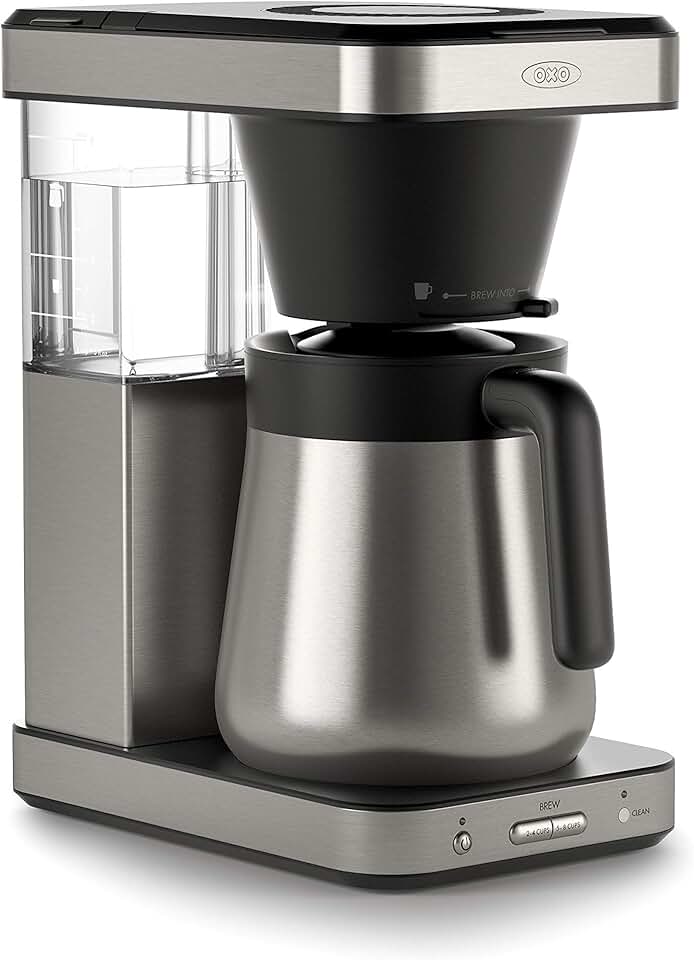
SCA Certified for optimal brewing temperature and time · Brew single-serve or a full carafe · Thermal stainless steel carafe keeps coffee hot
This SCA Certified brewer offers versatility with single-serve and carafe options, featuring a thermal carafe for sustained heat.

Hand-built in the Netherlands · Copper boiling element heats water quickly and quietly · Automatically switches off after brewing
The Technivorm Moccamaster is renowned for its durable construction and precise brewing temperature, ensuring a consistently excellent cup.

Cone-shaped dripper with spiral ribs · Designed for optimal water flow and extraction · Made from durable ceramic
The Hario V60 is a staple for pour-over enthusiasts, prized for its design that promotes even extraction and control over the brewing process.

Iconic hourglass shape · Brewed coffee is pure and aromatic · Made from borosilicate glass
The Chemex Classic Series offers a pure coffee experience, using its unique design and filter to produce a clean, sediment-free brew.

Variable brew settings including pour-over, cold brew, and bloom · Precise temperature control · Digital interface for customization
The Breville Precision Brewer provides advanced control over brewing parameters, mimicking various manual methods with digital precision.
As an Amazon Associate I earn from qualifying purchases. Prices may vary.
Maintenance and longevity
The complexity of AI coffee makers raises concerns about maintenance and longevity. More components mean more potential points of failure. Cleaning and descaling will be essential, and may require specialized procedures.
Access to replacement parts is another important consideration. Will manufacturers continue to support these machines with readily available parts for years to come? Or will they follow the trend of planned obsolescence, encouraging consumers to upgrade to newer models?
Software updates will also be crucial. Regular updates could address bugs, improve performance, and add new features. However, the long-term availability of software support is uncertain.
In contrast, a pour over setup is remarkably simple and durable. There are few moving parts, and cleaning is straightforward. A well-maintained pour over setup can last for decades. The longevity of AI machines remains to be seen.
No comments yet. Be the first to share your thoughts!