
The $200 Coffee Maker Landscape: What Can You Actually Get?
Realistically, $200 won’t get you the most high-end coffee setup, but it can certainly buy a very good one. The affordable coffee maker market in 2024 is surprisingly diverse, and understanding the trade-offs is key. You'll likely sacrifice features like automatic milk frothers, built-in grinders, or precise temperature control to stay within budget. After years of searching for the sweet spot between price and quality, I can confirm it's achievable.
At this price point, you'll generally find three main types of coffee makers: pour over, drip, and basic espresso machines. Pour over offers the most control but requires more effort. Drip machines prioritize convenience and consistency. Espresso machines under $200 are usually a compromise, aiming for espresso-like results but not professional quality. It's about aligning expectations with possibilities.
Many people prioritize convenience, leading them to drip machines. Others, like myself, are willing to put in extra effort for an exceptional cup, and that's where pour over shines. Don't dismiss espresso options immediately, though; they can be a good starting point for those curious about espresso-based drinks without a huge investment. Understanding your priorities and what you value in a coffee experience is key.
Expect mostly plastic construction in this price range, though some models include stainless steel accents. Programmable features like automatic shut-off and brew timers are common. Advanced features like precise temperature control or pre-infusion are unlikely. The focus is on delivering a reliable, consistent brew rather than a highly customizable experience. A solid machine can last for years with proper care.
Pour Over Perfection: Manual Control and Flavor
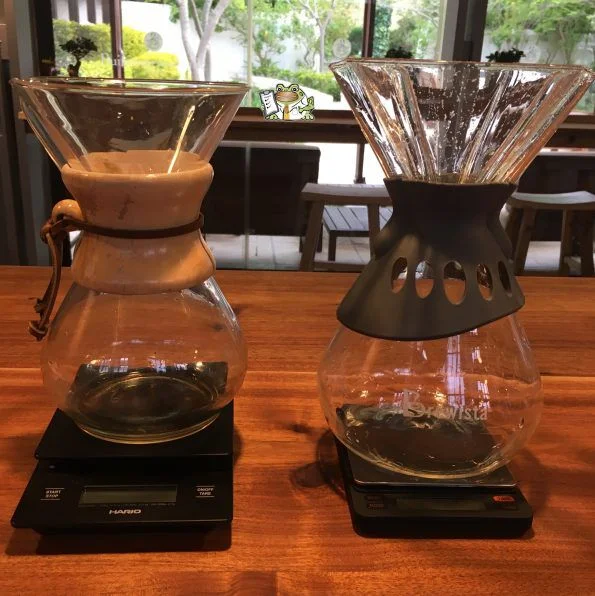
Pour over coffee is the best way to truly appreciate the nuances of your beans. The process is simple in theory – hot water is poured over coffee grounds, and gravity does the rest – but it requires attention to detail. You control water temperature, pour rate, and ground saturation, allowing you to extract maximum flavor. This isn’t a "set it and forget it" method; it's an active brewing experience.
Pour over consistently produces a cleaner, brighter cup of coffee compared to drip machines. You'll taste more of the coffee’s inherent flavors, avoiding bitterness or muddiness. However, there's a learning curve. Mastering the pouring technique and achieving consistent results takes practice. It also takes time – typically 3-4 minutes per brew, which isn't ideal if you're rushing.
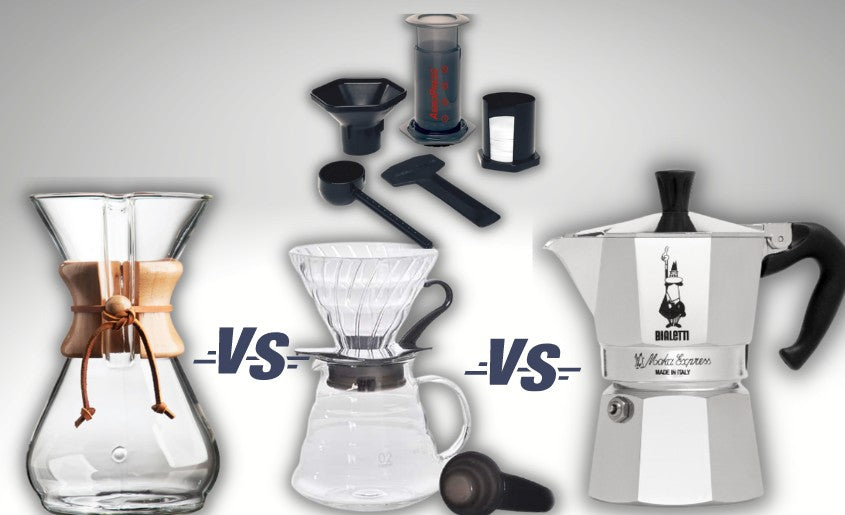
Under $200, the Hario V60 is a fantastic option, costing around $25 for the dripper and under $10 for filters. The Kalita Wave is another excellent choice, known for its flat-bottom design that's more forgiving for beginners. Expect to spend $60-$80 for a Kalita Wave dripper and filters. Don’t forget accessories: a gooseneck kettle is highly recommended for precise pouring ($30-$60), and a scale is essential for measuring coffee and water accurately ($20-$30).
Certain coffee beans shine with pour over. Light to medium roasts, especially single-origin coffees, are ideal. The clarity of the brew allows the unique flavors of the beans to come through. Ethiopian Yirgacheffe, Kenyan AA, and Costa Rican Tarrazú are excellent choices. Brighter, more floral coffees are particularly well-suited to this brewing method. Experiment and find what you like best – that’s the fun part.
Drip Coffee: Convenience and Consistency
Convenience is the most important factor for many people, and that's where drip coffee makers excel. They are easy to use, require minimal effort, and can brew a large pot of coffee with the touch of a button. While they may not offer the same level of control as pour over, they deliver a consistent and reliable brew daily. They are a practical choice for busy mornings and households with multiple coffee drinkers.
When shopping for a drip coffee maker, look for features like a programmable timer, allowing you to wake up to a fresh pot. A thermal carafe keeps coffee hot longer without scorching, unlike glass carafes with hot plates. Brew strength settings are also useful for customizing coffee to your preference. The OXO Brew 9-Cup Coffee Maker, recommended by the New York Times in 2026, is a solid choice, often found around the $150-$200 mark.
A medium grind is generally recommended for drip coffee. Too fine, and the coffee will be bitter; too coarse, and it will be weak. Some drip machines have built-in grinders, but these can be noisy, inconsistent, and difficult to clean. Using a separate burr grinder is recommended for optimal results. A separate grinder offers much more control over the grind quality.
A drip machine probably can't rival a pour over in terms of flavor. However, a good drip machine can produce a very enjoyable cup of coffee, especially with high-quality beans and a good grinder. Managing expectations and prioritizing convenience is key. Don’t underestimate the power of a well-maintained and properly used drip machine. A clean machine is essential.
Top Drip Coffee Makers Under $200 for Your Perfect Brew
SCA Certified brewer · Pre-infusion mode · Thermal carafe
This brewer is ideal for those who appreciate precise temperature control and even saturation for a superior drip coffee experience.
Hand-built in the Netherlands · Copper boiling element · Automatic brew-pause
While slightly above the $200 mark, its unparalleled build quality and brewing consistency make it a worthwhile investment for serious coffee enthusiasts.
Programmable 24-hour brewing · Adjustable brew strength · 14-cup capacity
This versatile machine offers convenience and customization for everyday brewing, fitting perfectly into a busy morning routine.
Integrated grinder · Single-serve or full carafe options · Adjustable brew strength
For those who value freshly ground beans, this all-in-one machine offers the convenience of grinding and brewing in a single unit.
Programmable timer · Multiple brew sizes · Keep warm function
This reliable and user-friendly brewer is a great option for those seeking consistent results and convenient features at an excellent value.
As an Amazon Associate I earn from qualifying purchases. Prices may vary.
Espresso on a Budget: Can You Pull a Decent Shot for Under $200?
True espresso machines are expensive. They require high pressure and precise temperature control to extract the rich, concentrated flavor that defines espresso. Machines under $200 that claim to make espresso are typically a compromise, often using lower pressure systems and lacking the fine-tuned control of more expensive models. However, they can still be a good entry point for those curious about espresso-based drinks.
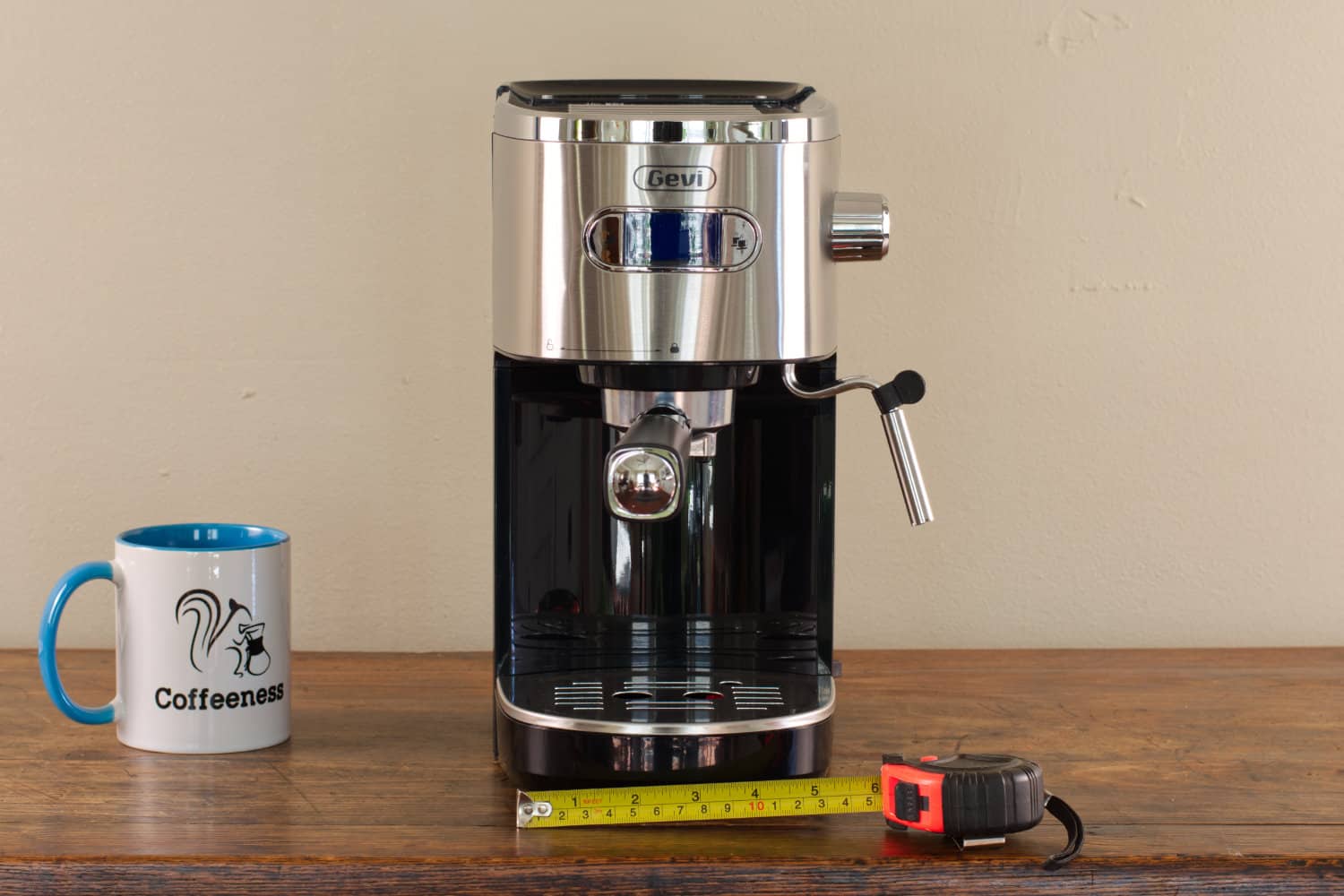
The De'Longhi EC155 is a popular option in this price range, often selling for $100-$150. It has a 15-bar pump and a steam wand for frothing milk. Manage your expectations: the espresso won’t be as rich or crema-filled as from a professional-grade machine. It's more accurately described as a strong, concentrated coffee.
undefined control. You have limited control over the water temperature, pressure, and extraction time. This makes it difficult to dial in the perfect shot. A good grinder is essential, even with a budget machine. Pre-ground espresso will produce subpar results. You need a grinder that can produce a very fine, consistent grind.
These machines are best suited for making basic espresso drinks like Americanos and cappuccinos. Don’t expect to pull perfect shots for latte art. They're a good starting point to explore the world of espresso, but if you’re serious about espresso, you’ll eventually want to invest in a more capable machine. Consider it a stepping stone, not the final destination.
Grind Matters: The Often-Overlooked Component
A good grinder will unlock the full potential of your coffee beans, while a bad grinder will leave you with a muddy, bitter brew. The consistency of the grind is crucial. Unevenly ground coffee will extract unevenly, resulting in a less flavorful and more unbalanced cup.
There are two main types of grinders: burr grinders and blade grinders. Burr grinders use two revolving abrasive surfaces to crush the beans, producing a consistent grind size. Blade grinders use a spinning blade, similar to a blender, which chops the beans into inconsistent pieces. Burr grinders are significantly superior, but they’re also more expensive.
Under $100, the Capresso Infinity is a solid choice for a burr grinder. It offers 16 grind settings, allowing you to adjust the grind size for different brewing methods. The Bodum Bistro Burr Grinder is another good option, known for its compact size and ease of use. You can find both of these grinders for around $80-$100. Don’t skimp on the grinder; it’s an investment that will pay off in the long run.
Adjusting your grind size is essential for optimal extraction. For pour over, a medium-fine grind is typically recommended. For drip coffee, a medium grind is best. For espresso, a very fine grind is required. Experiment with different grind settings to find what works best for your coffee maker and your taste preferences. A little experimentation goes a long way.
Coffee Maker Comparison: Under $200 (2024)
| Coffee Maker Type | Typical Price Range | Brewing Control | Complexity/Learning Curve | Best For |
|---|---|---|---|---|
| Pour Over (e.g., Hario V60) | $20 - $100 (plus kettle & grinder) | High - Manual control over all variables | Moderate - Requires technique and practice | Coffee enthusiasts, flavor exploration, small batches |
| Drip Coffee Maker (Automatic) | $30 - $150 | Low - Automated brewing process | Low - Very easy to use | Convenience, larger batches, everyday coffee |
| Espresso Machine (Entry-Level) | $100 - $200 | Medium - Some control over shot parameters | High - Requires learning tamping, extraction, and milk frothing | Espresso-based drinks (lattes, cappuccinos), those willing to learn a skill |
| French Press | $20 - $75 | Medium - Control over steep time | Low - Simple to use, minimal cleanup | Full-bodied coffee, travel, minimal equipment |
| Chemex | $40 - $150 (plus filters) | High - Manual pour over, unique filter shape | Moderate - Requires pour over technique | Clean, bright coffee, aesthetically pleasing brewing |
| Cold Brew Maker | $25 - $80 | Low - Immersion brewing, minimal intervention | Low - Simple to set up and use | Smooth, low-acid coffee, summer drinks |
Illustrative comparison based on the article research brief. Verify current pricing, limits, and product details in the official docs before relying on it.
Comparing the Costs: Beyond the Machine
The price tag of the coffee maker isn’t the only cost to consider. You also need to factor in the ongoing expenses of filters, coffee beans, and potentially a grinder. Let’s break down the estimated annual costs for each brewing method.
Pour Over: Machine ($25-$80), Filters ($20/year), Coffee ($300-$600/year – assuming 1 lb/month at $25-$50/lb). Total: $345 - $700/year. Drip Coffee: Machine ($80-$200), Filters ($15/year), Coffee ($300-$600/year). Total: $395 - $815/year. Espresso: Machine ($100-$150), Coffee ($400-$800/year – espresso requires more coffee per drink), Filters (if applicable, $10/year). Total: $510 - $960/year.
Maintenance costs should also be considered. Descaling solutions are necessary to remove mineral buildup from your coffee maker, and cleaning supplies are needed to keep everything hygienic. These costs are relatively low, typically around $20-$30 per year. It’s a small price to pay for a well-maintained machine.
Ultimately, the total cost of ownership depends on your coffee consumption habits and your willingness to invest in quality accessories. But by factoring in all the costs, you can make an informed decision and choose the brewing method that best fits your budget and lifestyle.
Annual Filter Costs (Estimated - Based on Regular Use)
| Coffee Maker Type | Filter Type | Filter Unit Cost (Approximate) | Filters Used Per Week (Estimate) | Estimated Annual Filter Cost |
|---|---|---|---|---|
| Pour Over (Hario V60) | Paper Filters | $0.30 - $0.50 per 100 | 20-25 | $31.20 - $65.00 |
| Drip Coffee Maker (OXO) | Paper Filters | $0.40 - $0.60 per 100 | 15-20 | $24.00 - $78.00 |
| Espresso Machine (De'Longhi - Entry Level) | Paper Filters (for portafilter basket, if applicable) | $0.50 - $1.00 per 50 | 5-10 (depending on usage) | $12.00 - $48.00 |
| Pour Over (Chemex) | Chemex Filters | $0.60 - $0.80 per 100 | 10-15 | $18.72 - $39.00 |
| Drip Coffee Maker (Standard) | Paper Filters | $0.30 - $0.50 per 100 | 10-15 | $18.72 - $39.00 |
| Espresso Machine (De'Longhi - Entry Level) | Water Filter (for machine maintenance) | $15 - $25 per filter | 1-2 per year | $15.00 - $50.00 |
Illustrative comparison based on the article research brief. Verify current pricing, limits, and product details in the official docs before relying on it.
Which Coffee Maker is Right for *You*?
So, which coffee maker should you choose? It depends on your priorities. If you’re a coffee enthusiast who values control and flavor above all else, and you’re willing to put in the time and effort, pour over is the best choice. It allows you to experiment with different beans and brewing techniques to create a truly exceptional cup of coffee.
If you need a quick and convenient cup of coffee every morning, and you prioritize ease of use, a drip machine is the way to go. It’s a practical and reliable option for busy lifestyles. Look for features like a programmable timer and a thermal carafe to maximize convenience.
If you’re craving espresso-based drinks but on a tight budget, a budget espresso machine might be worth a try, but manage your expectations. It won’t deliver the same quality as a professional-grade machine, but it can be a good entry point to explore the world of espresso. Be prepared to experiment and don’t expect perfection.
Here’s a quick checklist to help you decide: Do you value control and flavor? (Pour Over). Do you prioritize convenience? (Drip Coffee). Are you craving espresso on a budget? (Budget Espresso Machine). Is grind consistency important to you? (Invest in a good burr grinder, regardless of the machine you choose). Don’t overthink it – choose the option that best aligns with your needs and preferences, and enjoy your coffee!
- Do you value control and flavor? (Pour Over)
- Do you prioritize convenience? (Drip Coffee)
- Are you craving espresso on a budget? (Budget Espresso Machine)
- Is grind consistency important to you? (Invest in a good burr grinder, regardless of the machine you choose)
No comments yet. Be the first to share your thoughts!