

Iced Coffee's 2026 Shift
I drink cold brew in January. Most people I know do too. It isn't just a summer caffeine hit anymore; it's about getting a specific flavor that hot coffee misses. By 2026, I expect we'll stop treating 'cold brew' as one category and start obsessing over the specific extraction methods used to make it.
Social media, particularly Instagram, is playing a huge role in shaping these preferences, with visually appealing brewing setups and recipe sharing driving experimentation. While it’s hard to pinpoint a single method poised for dominance in 2026, there’s a definite surge in interest in techniques beyond the standard cold brew. I believe the biggest single improvement most home brewers can make is understanding and perfecting their coffee-to-water ratio.
Taste is subjective, but a bad ratio ruins even the best beans. If you get the coffee-to-water balance right, you'll actually taste the chocolate or fruit notes instead of just cold bitterness.
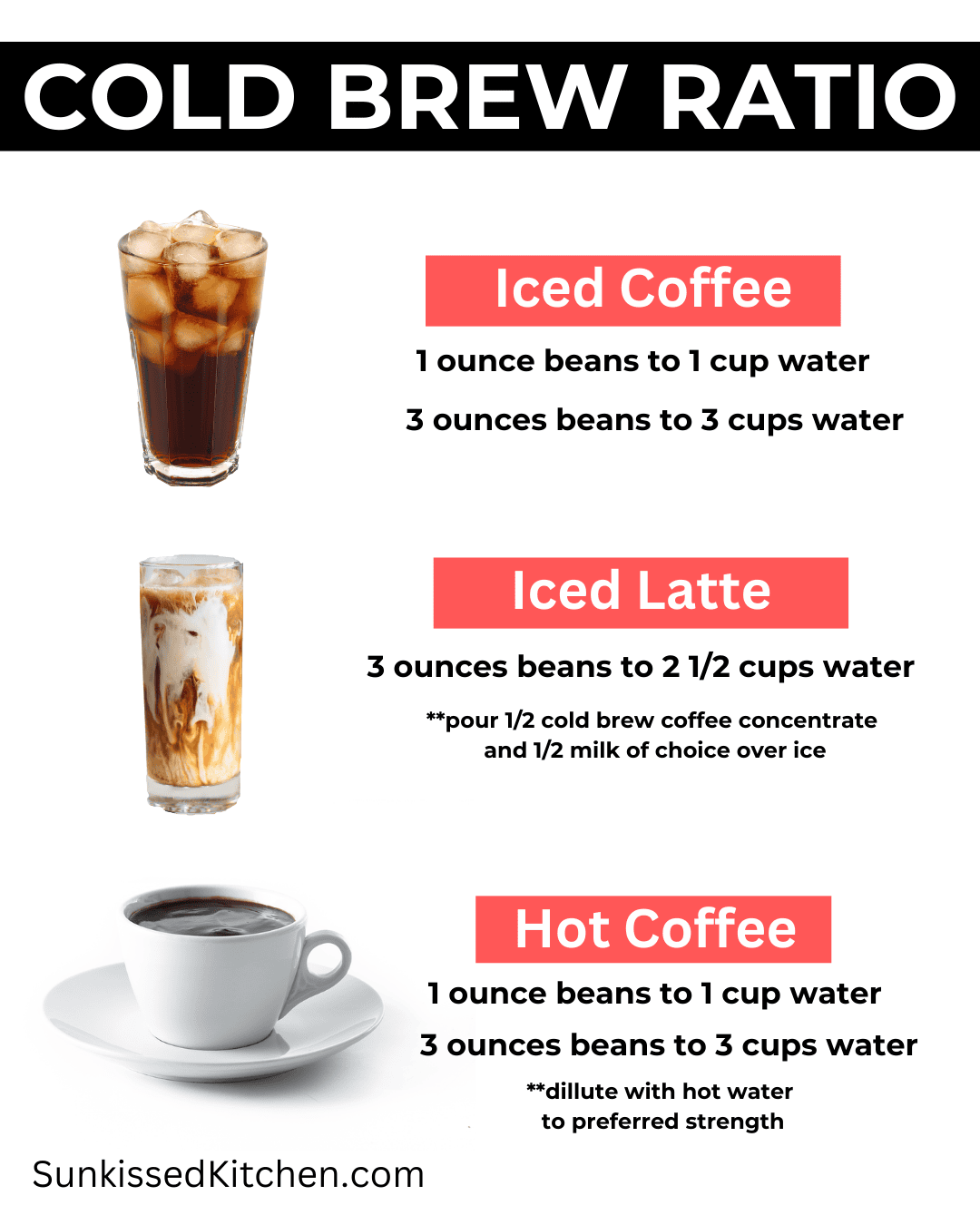
The 1:8 standard
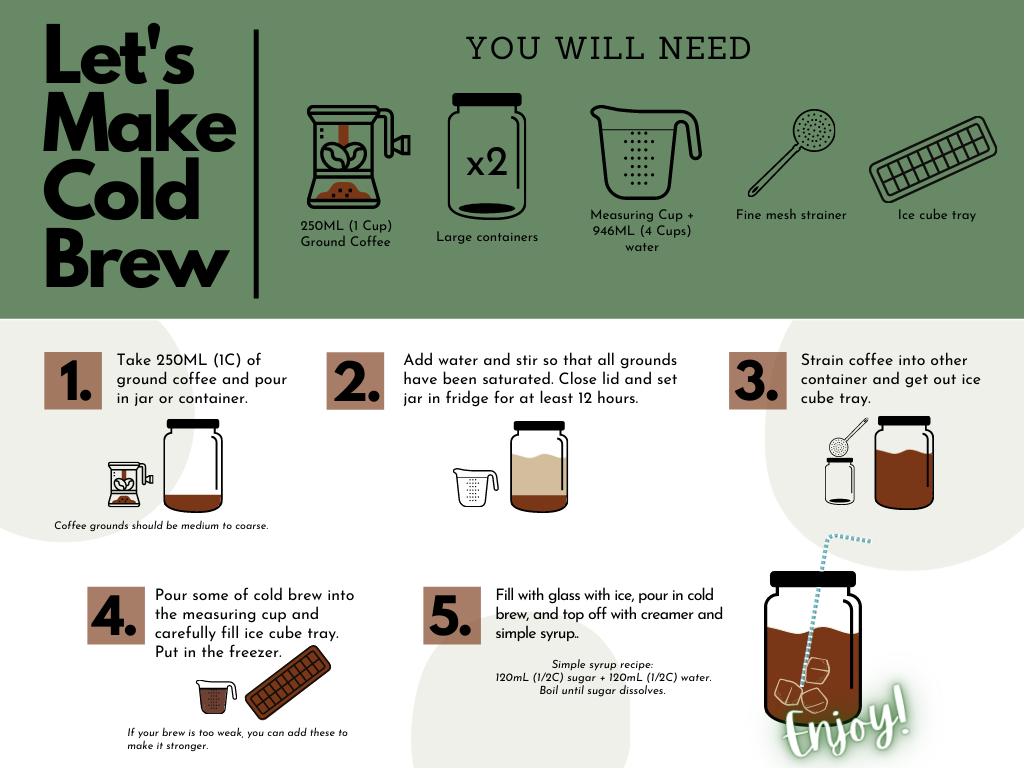
Start with a 1:8 ratio. That's 1 gram of coffee for every 8 grams of water. It creates a heavy concentrate that stays smooth after a 12 to 24-hour steep. You won't get the bite of a hot brew because the cold water doesn't pull out those harsh acids.
A coarse grind is absolutely essential for cold brew. Think French press coarse; you want something that resembles sea salt. Finer grinds will result in over-extraction and a muddy, silty brew. The larger particle size slows down the extraction process, preventing those undesirable bitter compounds from being released. Water quality also matters significantly; filtered water is always recommended to avoid any unwanted flavors impacting the final result.
This 1:8 ratio isn’t set in stone, however. It’s a fantastic starting point, but don't be afraid to experiment. Some coffees, particularly those with delicate floral notes, may benefit from a slightly weaker ratio, like 1:10. The key is to taste and adjust until you find what suits your palate.
- Use 1 part coffee to 8 parts water.
- Grind your coffee coarsely.
- Use filtered water.
- Steep for 12-24 hours.
- Experiment with ratios to fine-tune the flavor.
Japanese flash chill
Japanese flash chill, also known as Japanese iced coffee, offers a drastically different approach. Instead of a long steeping period, you brew hot coffee directly over ice, instantly chilling it. The ideal ratio here is typically 1:1, meaning equal parts coffee and ice (plus water to brew the coffee). This creates a concentrated brew that’s then diluted to your desired strength.
The resulting flavor profile is noticeably different from traditional cold brew. Flash chill tends to be brighter, more acidic, and more aromatic, preserving some of the nuances lost in the longer cold brew process. The quick chilling also helps to retain volatile compounds that contribute to the coffee’s overall complexity. Using good quality ice is crucial; cloudy or impure ice will dilute the flavor and introduce unwanted tastes.
I'm honestly not convinced flash chill will overtake classic cold brew in popularity by 2026, but its appeal is growing, particularly among those who appreciate a more vibrant and nuanced iced coffee. It's a great option when you want a quick and flavorful iced coffee without the wait.
The Toddy system
The Toddy Cold Brew System has become a favorite among those seeking consistent, high-quality cold brew. Due to the Toddy’s design, which uses a felt filter and a slow drip process, the recommended ratio is often slightly different – around 1:6 or 1:7. This allows for a more complete extraction within a reasonable timeframe.
The Toddy’s filter is a key component, removing fine particles and resulting in an exceptionally clean concentrate. The system’s design also promotes even saturation of the coffee grounds, ensuring a consistent extraction. While the Toddy is an investment – typically around $30-$50 – it simplifies the cold brew process and delivers repeatable results.
Using the Toddy system also means you'll likely need to dilute the concentrate more than with a 1:8 brew. The resulting concentrate is potent! It's a fantastic choice for those who want a hands-off approach to cold brew and appreciate a very clean, smooth cup.
French press cold brew
Using a French press for cold brew is a remarkably simple and accessible method. The ratio is more flexible here, but I recommend starting with 1:10. Combine coarsely ground coffee and water in the French press, stir gently, and let it steep in the refrigerator for 12-24 hours. Then, simply press and enjoy (or filter for extra clarity).
One potential downside of the French press method is the presence of sediment. While some people don't mind a little texture, others prefer a cleaner cup. You can minimize sediment by using a paper filter during pressing or by carefully decanting the concentrate, leaving the sediment behind. This method is a great entry point for experimenting with cold brew, as most people already have a French press.
Don’t be afraid to play around with the steeping time and ratio to find your sweet spot. The French press method is incredibly forgiving, making it ideal for those who are new to cold brew.
Slower Extraction: The 1:12 Ratio
For those seeking an even smoother, less acidic cold brew, a 1:12 ratio is worth exploring. This involves using 1 gram of coffee for every 12 grams of water, resulting in a significantly weaker concentrate. The longer extraction time – typically 24-48 hours – allows for a more gentle extraction, minimizing the development of harsh flavors.
This ratio is particularly well-suited for lighter roasted coffees, as it helps to bring out their delicate nuances. However, personal preference is key. Some people find the 1:12 ratio too weak, while others prefer its subtle flavor profile. It's a great option for those who find traditional cold brew too strong or bitter.
Be prepared for a longer wait with this method. The extended steep time is crucial for achieving the desired level of extraction. I recommend tasting the brew after 24 hours and then again after 48 hours to determine when it has reached your preferred strength.
Beyond the Basics: Adjusting for Coffee Type
The "perfect’ cold brew ratio isn’t a universal constant; it"s heavily influenced by the coffee bean itself. Lighter roasts, with their higher acidity and complex flavors, often benefit from a slightly stronger ratio – perhaps 1:7 or 1:8 – to ensure a full extraction. Darker roasts, on the other hand, which tend to be bolder and more bitter, may do well with a weaker ratio, like 1:9 or 1:10.
The origin of the bean also plays a role. Ethiopian coffees, known for their floral and fruity notes, might shine with a slightly higher ratio, while Sumatran coffees, with their earthy and chocolatey flavors, might benefit from a lower one. Experimentation is crucial. Start with a standard ratio (like 1:8) and then adjust based on your tasting experience.
Don't be afraid to keep a coffee journal, noting the ratio, steeping time, and your tasting notes for each brew. This will help you develop a personalized understanding of how different coffees respond to different ratios and fine-tune your cold brew process.
Cold Brew Ratio Adjustments by Roast & Origin
| Roast Level | Origin | Recommended Ratio Range (Coffee:Water) | Notes |
|---|---|---|---|
| Light | African (Ethiopia, Kenya) | 1:15 to 1:17 | Lighter roasts often benefit from a slightly lower ratio to extract more flavor without excessive bitterness. |
| Light | Central American (Guatemala, Costa Rica) | 1:16 to 1:18 | These coffees can be bright and floral; a slightly higher ratio helps maintain clarity. |
| Light | Indonesian (Sumatra, Sulawesi) | 1:12 to 1:15 | Earthier light roast Indonesian coffees can handle a stronger ratio to bring out their body. |
| Medium | African (Ethiopia, Kenya) | 1:14 to 1:16 | A balanced ratio works well, allowing the inherent fruitiness to shine. |
| Medium | Central American (Guatemala, Costa Rica) | 1:15 to 1:17 | A versatile range that suits the balanced profile of these coffees. |
| Medium | Indonesian (Sumatra, Sulawesi) | 1:13 to 1:16 | Medium roast Indonesian coffees often exhibit chocolate notes; adjust to preference. |
| Dark | African (Ethiopia, Kenya) | 1:17 to 1:20 | Darker roasts can become bitter easily; a higher ratio helps mitigate this. |
| Dark | Central American (Guatemala, Costa Rica) | 1:16 to 1:19 | Darker roasts from Central America often have chocolate and nutty flavors; adjust for desired intensity. |
| Dark | Indonesian (Sumatra, Sulawesi) | 1:14 to 1:18 | Darker Indonesian roasts can be bold and smoky; adjust to balance the intensity. |
Illustrative comparison based on the article research brief. Verify current pricing, limits, and product details in the official docs before relying on it.
No comments yet. Be the first to share your thoughts!