

The reality of coffee's footprint
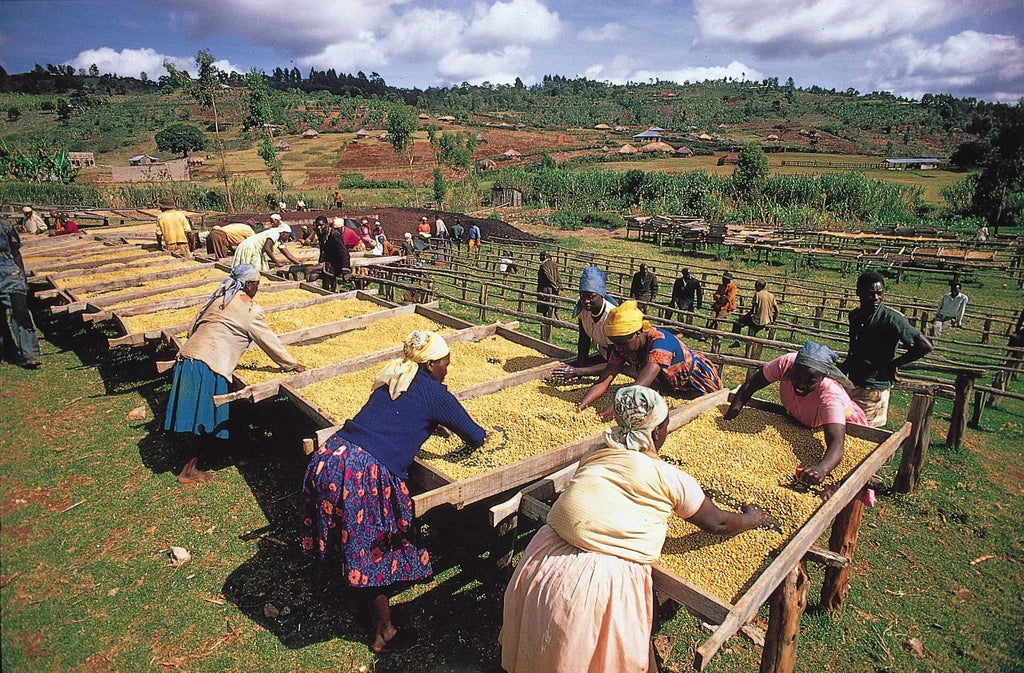
Coffee production is messy. We're still seeing massive deforestation for new farms and the water used in processing is draining local supplies. Between the harvest pulp and the mountain of disposable filters we toss every morning, the waste is hard to ignore.
Consumer awareness is, thankfully, growing. More people are asking questions about where their coffee comes from and how it’s made. This demand for transparency and sustainability is pushing the industry to innovate, but we’re still a long way from a truly circular system. It's easy to feel overwhelmed, but recognizing the problem is the first step toward finding solutions.
The scale of the issue is considerable. Globally, coffee production generates millions of tons of waste annually. Addressing this requires a multi-faceted approach, from improving farming practices to rethinking how we brew and dispose of our daily cup. We need to look beyond simple fixes and embrace systemic change if we want to enjoy coffee responsibly.
Brewing without the waste
Minimizing waste starts with the brewing process itself. For pour-over enthusiasts, the biggest culprit is often the paper filter. Fortunately, reusable options are readily available. Stainless steel filters are durable and easy to clean, though some argue they can slightly alter the coffee’s flavor by allowing more oils to pass through. Cloth filters, made from organic cotton or hemp, offer a more traditional approach, providing a clean cup with minimal environmental impact.
There’s also a resurgence of interest in older brewing methods that inherently produce less waste. The ibrik or cezve, used for Turkish coffee, requires no filter at all – the grounds settle at the bottom of the cup. This method isn’t for everyone, but it’s a powerful example of how coffee was traditionally enjoyed with minimal impact. It’s a reminder that we don’t always need the latest gadgets to make a great cup.
Innovations in filterless brewing are emerging, but haven’t yet reached widespread adoption. Some companies are experimenting with magnetic filtration systems, but it’s still early days. Regardless of the method, proper composting is essential. Coffee grounds are a fantastic addition to gardens, providing nitrogen and improving soil structure. Just ensure they’re mixed with other organic matter to avoid compaction.
- Composting Coffee Grounds: Mix with leaves, grass clippings, and other yard waste.
- Using Grounds in the Garden: Sprinkle around acid-loving plants like blueberries and azaleas.
- Coffee ground skincare: You can make a scrub by mixing grounds with coconut oil, though they are quite abrasive.
Chemex Reimagined: Closing the Loop
The Chemex, with its elegant design and ability to produce a clean, bright cup, remains a favorite among coffee lovers. However, its reliance on proprietary paper filters presents a sustainability challenge. While Chemex does offer unbleached filters, they still contribute to landfill waste. The search for truly eco-friendly alternatives is ongoing.
Several companies are now developing compostable Chemex filters, but their effectiveness varies. It’s important to check certifications and ensure they break down properly in a home composting system. Some "compostable’ filters require industrial composting facilities, which aren"t accessible to everyone. This is a critical distinction.
DIY reusable Chemex filters are possible, but require some ingenuity. Fine-weave stainless steel mesh or tightly woven organic cotton can be fashioned into a Chemex filter, but maintaining the proper flow rate and preventing grounds from escaping can be tricky. It’s a project for the dedicated brewer, but one that can significantly reduce waste.
Better coffee makers
The market for sustainable coffee makers is expanding, driven by consumer demand. But 'eco-friendly' is a broad term, so it’s crucial to look beyond marketing claims. Materials are a key consideration. Machines incorporating bamboo, recycled plastics, or responsibly sourced wood are preferable. Look for products designed for longevity and ease of repair, rather than planned obsolescence.
Energy use matters too. Kettles with precise controls are better because they don't waste power boiling water you don't need. The Breville Precision Brewer Thermal is Energy Star certified and has a thermal carafe, so the coffee stays hot without a heating element running all morning.
Pour-over stands made from reclaimed wood or recycled metal offer a simple, sustainable alternative to electric brewers. Hario and Kalita both offer durable, well-designed stands that can last for years. When evaluating automatic drip machines, consider the ease of disassembly for cleaning and repair. A machine that can be easily taken apart and fixed is far more sustainable than one that ends up in a landfill after a minor malfunction.
- Breville Precision Brewer Thermal: Energy Star certified, durable thermal carafe.
- Hario V60 Pour-Over Stand: Made from durable materials, simple design.
- Kalita Wave Pour-Over Stand: Similar to Hario, known for quality and longevity.
Coffee Maker Sustainability Comparison - 2026
| Brand | Materials | Energy Efficiency | Repairability | Company Ethics | Packaging |
|---|---|---|---|---|---|
| Breville | Medium - Utilizes stainless steel and some recycled plastics, but component complexity can hinder full recyclability. | High - Many models feature auto-shutoff and efficient heating elements. | Medium - Parts availability is generally good, but repairs can be complex and require specialized knowledge. | Medium - Demonstrates some commitment to ethical sourcing, but transparency could be improved. | Medium - Reducing plastic use, but still relies on some polystyrene for protection. |
| Technivorm Moccamaster | High - Primarily uses durable aluminum and glass, designed for longevity. | High - Known for efficient brewing and minimal energy consumption. | High - Simple design and readily available parts make repairs relatively straightforward. | High - Strong commitment to quality and durability, reducing the need for frequent replacements. | Medium - Packaging is functional but could be more minimal and utilize more recycled content. |
| Fellow | Medium - Employs stainless steel and borosilicate glass, with increasing use of recycled materials in newer models. | Medium - Energy efficiency is improving with newer designs, but not class-leading. | Medium - Repair options are limited, and the design can be challenging for DIY repairs. | Medium - Focuses on direct trade and ethical partnerships, but details are not always fully transparent. | Medium - Minimalist packaging, utilizing recycled cardboard, but some plastic components are present. |
| Cuisinart | Low - Often relies heavily on plastic components, limiting recyclability. | Low - Energy efficiency varies significantly between models, with some lacking energy-saving features. | Low - Repairability is often poor due to proprietary parts and complex construction. | Medium - Offers some ethically sourced options, but consistency across the product line is lacking. | Low - Packaging frequently includes significant amounts of plastic. |
| OXO | Medium - Uses a mix of stainless steel, glass, and BPA-free plastics. | Medium - Offers models with auto-shutoff features, contributing to energy savings. | Medium - Parts are available for some models, but repairs can be challenging. | High - Strong commitment to sustainability and ethical sourcing practices. | High - Focus on minimal and recyclable packaging materials. |
| Hario (V60) | High - Primarily utilizes ceramic, glass, and wood – all naturally sustainable materials. | High - Manual brewing requires no electricity. | High - Simple design ensures easy repair and component replacement. | High - Supports fair trade and sustainable farming practices. | High - Minimal, recyclable packaging, often utilizing paper and cardboard. |
Illustrative comparison based on the article research brief. Verify current pricing, limits, and product details in the official docs before relying on it.
Beyond the Bean: Sustainable Coffee Sourcing
A truly sustainable cup of coffee starts with how the beans are grown and traded. Certifications like Fair Trade, Rainforest Alliance, and B Corp can provide some assurance, but they’re not without their limitations. Fair Trade focuses on fair prices for farmers, but doesn’t necessarily address environmental concerns. Rainforest Alliance emphasizes biodiversity and responsible land management, but has faced criticism for its auditing processes.
Increasingly, coffee brands are investing in regenerative agriculture practices, which aim to improve soil health, sequester carbon, and enhance biodiversity. Direct trade relationships, where roasters work directly with farmers, cutting out intermediaries, can also ensure a fairer price and greater transparency. Cafe Delicioso, for example, actively partners with farms committed to these principles.
New sourcing models are emerging, such as blockchain technology, which can track coffee beans from farm to cup, providing consumers with detailed information about their origin and production. While still in its early stages, this technology has the potential to revolutionize the coffee supply chain and promote greater accountability.
What's next for the industry
The future of sustainable coffee hinges on continued innovation and a shift in consumer behavior. Advancements in biodegradable packaging, made from materials like mushroom packaging or seaweed, could significantly reduce waste. Closed-loop coffee systems, where coffee grounds are collected and processed into new products, like biofuels or building materials, are also gaining traction.
Technology will play a crucial role, from precision agriculture techniques that optimize resource use to blockchain-based traceability systems that promote transparency. However, the biggest impact will likely come from consumers making conscious choices – supporting sustainable brands, reducing waste, and demanding greater accountability from the industry.
Challenges remain, including the cost of sustainable practices and the need for greater collaboration across the supply chain. But I remain hopeful. The growing awareness and demand for sustainable coffee suggest a future where enjoying a daily cup doesn’t come at the expense of the planet.
Repurposing Used Coffee Grounds
- Garden Fertilizer - Coffee grounds are rich in nitrogen, phosphorus, potassium, and other beneficial minerals, making them excellent for composting or directly applying to acid-loving plants like roses, blueberries, and azaleas.
- Natural Scrub - The slightly abrasive texture of coffee grounds makes them a fantastic natural exfoliant for skin. Combine with coconut oil or olive oil for a DIY body scrub.
- Odor Absorber - Place a bowl of dried coffee grounds in the refrigerator or freezer to absorb unwanted odors. They can also be used to neutralize smells on hands after handling garlic or onions.
- Insect Repellent - Coffee grounds can deter certain pests, such as ants, slugs, and snails. Sprinkle them around plants or entry points to create a natural barrier.
- Cleaning Agent - Coffee grounds can be used as a mild abrasive cleaner for pots, pans, and sinks. Avoid using on delicate surfaces.
- Hair Rinse - A cooled coffee rinse can add shine and boost volume to dark hair. Be cautious with lighter hair colors, as it may cause staining.
- Mushroom Cultivation - Used coffee grounds provide a nutritious substrate for growing certain types of mushrooms, like oyster mushrooms.


No comments yet. Be the first to share your thoughts!