

The smart brew revolution
For years, home coffee brewing has been largely defined by manual processes and, at best, programmable timers. We’ve seen advancements in temperature control and pre-infusion, but the core experience has remained firmly in the hands of the user. Now, though, that’s changing. Artificial intelligence is poised to disrupt the coffee world, moving beyond simple automation to offer genuinely intelligent brewing.
The current market is saturated with options, from basic drip machines to complex espresso setups. But many of these rely on static settings and generalized instructions. The 'golden ratio' of coffee to water, for example, is a starting point, not a universal truth. AI offers a way to personalize brewing to a degree previously unimaginable, analyzing variables and adapting in real time.
By 2026, it’s reasonable to expect AI-powered coffee makers to be far more than a novelty. They’ll be integrated into the smart home ecosystem, learning our preferences and delivering a consistently excellent cup. This isn't about replacing the barista; it’s about bringing a similar level of expertise and customization into our kitchens. It’s a shift from simply making coffee to crafting an experience.
Intelligent coffee ratios
The foundation of any good cup of coffee is the ratio of coffee grounds to water. For a long time, the 1:15 or 1:16 ratio (coffee to water) has been considered a solid starting point. But this 'golden ratio' is a generalization. Bean origin, roast level, grind size, and even water hardness all influence the ideal ratio. What works for a light-roast Ethiopian Yirgacheffe won’t necessarily work for a dark-roast Sumatran Mandheling.
This is where AI excels. Machine learning algorithms can analyze these variables and suggest optimal ratios tailored to the specific bean and the user’s taste. Some systems are even incorporating feedback loops, adjusting the ratio based on how the user rates each brew. It’s a dynamic process, constantly refining the recipe for the perfect cup. Imagine a machine that learns you prefer a slightly stronger brew on Mondays and a more delicate one on weekends.
The technology isn’t just about finding the right ratio, but understanding why a particular ratio works. AI can identify the subtle nuances of different beans and how they respond to different brewing parameters. This knowledge can then be used to predict the outcome of different brewing scenarios, allowing users to experiment with confidence. We’ve all been there – a brew that’s just…off. AI aims to eliminate that frustration.
Automated pour-over brewing
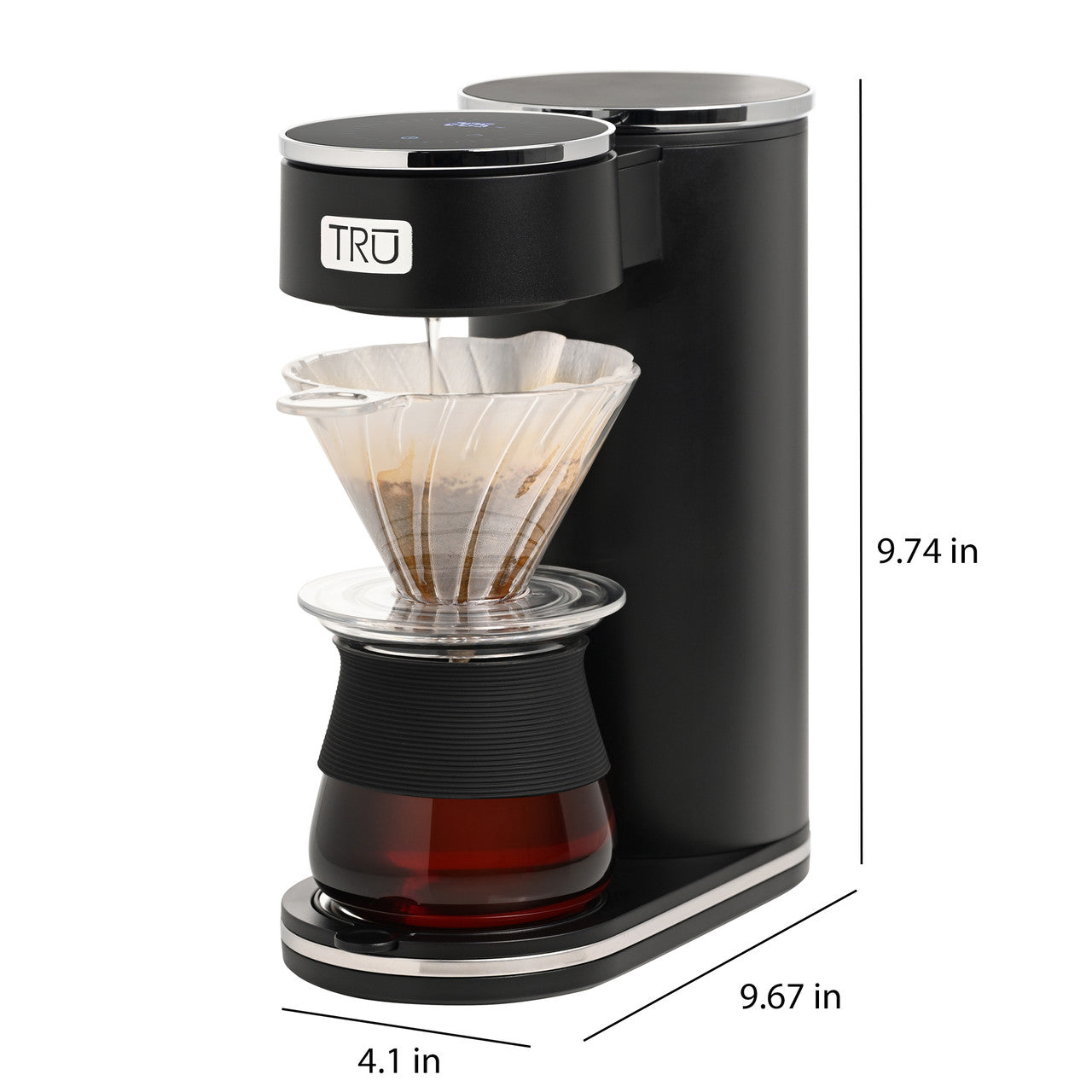
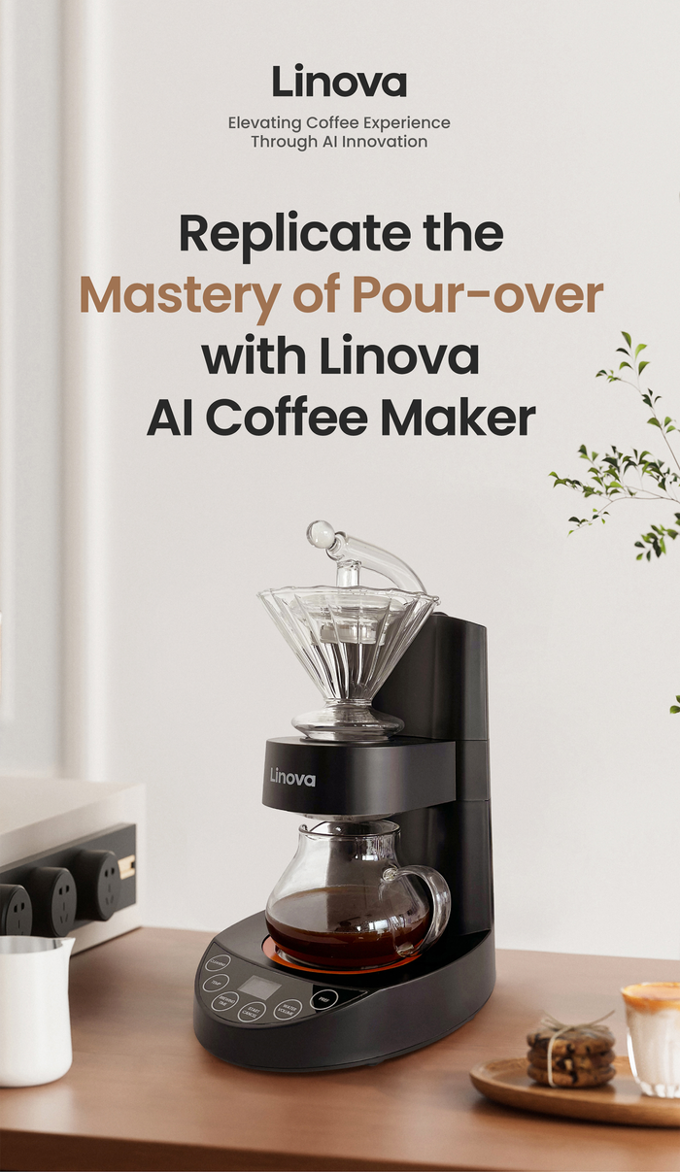
The Chemex is often lauded for its ability to produce exceptionally clean and flavorful coffee, but it demands a practiced hand. The slow, deliberate pour is crucial for even saturation and optimal extraction. Replicating this process with robotics is a significant challenge, but one that’s being actively addressed by developers. By 2026, fully automated Chemex brewers are expected to be commonplace.
These aren't simply drip machines disguised as Chemexes. They employ robotic arms and sophisticated sensors to mimic the movements of a skilled barista. Bloom control is a key focus, ensuring a uniform and even bloom to release trapped CO2. The pouring speed and pattern are also carefully controlled, aiming for consistent saturation of the coffee bed. The Oxo Brew 8 Cup, praised for its simplicity and consistently good coffee, demonstrates the potential for automated brewing.
However, there's a debate about whether automation will truly capture the essence of the Chemex experience. Some argue that the ritualistic aspect – the meditative pour, the careful attention to detail – is integral to the enjoyment. Will an automated Chemex feel soulless? Or will it make exceptional coffee accessible to a wider audience? I'm curious to see if the ritualistic aspect of Chemex will be lost or enhanced by automation.
Early prototypes demonstrate impressive accuracy, but maintaining consistency across different bean types and grind sizes remains a hurdle. The ability to adjust pouring patterns based on real-time feedback is also crucial. Successful implementations will need to balance precision with adaptability.
Bean recognition and profile creation
Imagine a coffee maker that can identify the beans you’ve loaded into it and automatically adjust its settings for optimal brewing. This is the promise of AI-powered bean recognition. While still in its early stages, this technology has the potential to revolutionize the way we brew. The two primary methods being explored are image recognition and RFID tagging.
Image recognition systems use cameras to analyze the shape, color, and texture of the beans. This information is then compared to a database of known bean varieties. RFID tags, embedded in the coffee bag, provide a more direct and accurate identification method. Either way, the goal is to unlock a wealth of information about the beans.
Once identified, the coffee maker can access a pre-programmed brewing profile tailored to that specific bean. These profiles would include optimal ratios, water temperature, bloom time, and even pouring patterns. This is where things get really interesting. Beyond pre-programmed profiles, AI can also learn from user feedback, refining the profile over time.
The potential for cloud-based profiles is also significant. Users could share their custom profiles with a community, creating a collaborative database of brewing knowledge. This would allow everyone to benefit from the collective experience of other coffee enthusiasts. It’s a shared learning system, constantly evolving and improving.
Bean Characteristics Analyzed by AI
- Origin - Identifying the growing region of the beans (e.g., Ethiopia Yirgacheffe, Sumatra Mandheling) to predict expected flavor profiles.
- Roast Level - Determining if the beans are light, medium, or dark roast, impacting acidity and body.
- Processing Method - Recognizing whether beans are washed, natural, or honey processed, significantly altering the final cup's characteristics.
- Acidity - Measuring the brightness and tanginess of the coffee, ranging from low to high.
- Body - Assessing the perceived weight and mouthfeel of the coffee, described as light, medium, or full.
- Flavor Notes - Detecting specific aromas and tastes, such as chocolate, floral, fruity, or nutty, providing a detailed flavor profile.
- Moisture Content - Measuring the water activity within the bean, impacting freshness and grindability.
- Bean Density - Evaluating the compactness of the bean, influencing extraction and brew time.
Predictive maintenance and supply management
AI isn’t just about making better coffee; it’s about making the entire coffee-making process more convenient. One area where AI can make a significant impact is in predictive maintenance. By monitoring the performance of the coffee maker, AI can identify potential issues before they become major problems. This could include tracking water hardness, descaling needs, and filter status.
For example, the system could detect a buildup of mineral deposits and alert the user to descale the machine. It could also monitor filter usage and automatically reorder filters when supplies are low. This isn’t just about preventing breakdowns; it’s about extending the lifespan of the coffee maker and ensuring consistent performance.
The potential for automated coffee bean reordering is equally appealing. By tracking consumption patterns, AI can predict when you’re likely to run out of beans and automatically place an order with your preferred supplier. This isn’t just about convenience; it’s about eliminating the stress of running out of coffee. This isn’t just about better coffee; it’s about convenience.
Data privacy concerns
The convenience and personalization offered by AI-powered coffee makers come with a cost: data collection. These machines need to gather information about your preferences and consumption habits to function effectively. This raises legitimate privacy concerns. What data is being collected? How is it being used? And who has access to it?
Potential security risks include data breaches and unauthorized access to personal information. It’s crucial that manufacturers implement robust security measures, including data encryption and secure storage. Users should also have control over their data, with the ability to opt out of data collection or delete their information.
Transparency is key. Manufacturers should clearly disclose what data they are collecting and how it is being used. They should also provide users with easy-to-understand privacy policies. It’s a real concern, and one that needs to be addressed head-on. Without trust, the adoption of these technologies will be limited.
What to expect in 2026
Predicting the exact models that will dominate the market in 2026 is challenging, but we can look at current trends and announcements to get a sense of what to expect. Several companies are already investing heavily in AI-powered coffee technology. Bennu Coffee on Congress in Austin is a great example of a shop constantly innovating.
One likely contender is a fully automated Chemex brewer from a major appliance manufacturer. Expect a price point in the $500-$800 range, targeting serious coffee enthusiasts who value convenience and consistency. Another possibility is a modular system that can be paired with various brewing methods, offering flexibility and customization.
We're also likely to see more integration with smart home platforms like Amazon Alexa and Google Assistant. This will allow users to control their coffee maker with voice commands and integrate it into their existing smart home routines. The 2026 Global Unmanned Retail Explosion report suggests AI coffee robots will become increasingly common in commercial settings, and we may see scaled-down versions for home use.
I'm not going to speculate wildly, but it’s reasonable to expect AI-powered coffee makers to become increasingly sophisticated and affordable in the coming years. The focus will be on personalization, convenience, and, ultimately, a better cup of coffee.
No comments yet. Be the first to share your thoughts!