

The shift in home brewing
Home brewing is changing. Most people I know aren't satisfied with a basic drip machine anymore; they want the same quality they get at a high-end shop. It's less about saving time and more about the hobby of perfecting a cup from scratch.
The "third wave’ coffee movement, which initially focused on sourcing and roasting, is maturing. Consumers are now demanding more control over the brewing process itself. This means a greater interest in manual brewing methods, precise temperature control, and, crucially, high-quality grinders. It"s a move away from automation and towards a more hands-on approach.
A recent YouTube video posited that 2026 will be "The Year of BIG Espresso" – a somewhat playful prediction, but one that speaks to a larger trend. The increased attention on espresso, even at the home level, signals a willingness to invest in more complex and capable equipment. People want to replicate the experience of their favorite coffee shops, but on their own terms and with a sense of personal accomplishment.
I've noticed a growing community around home barista setups, sharing techniques and modifications online. This collaborative spirit is driving innovation and pushing the boundaries of what’s possible in home coffee brewing. It’s a fascinating time to be involved in this space.
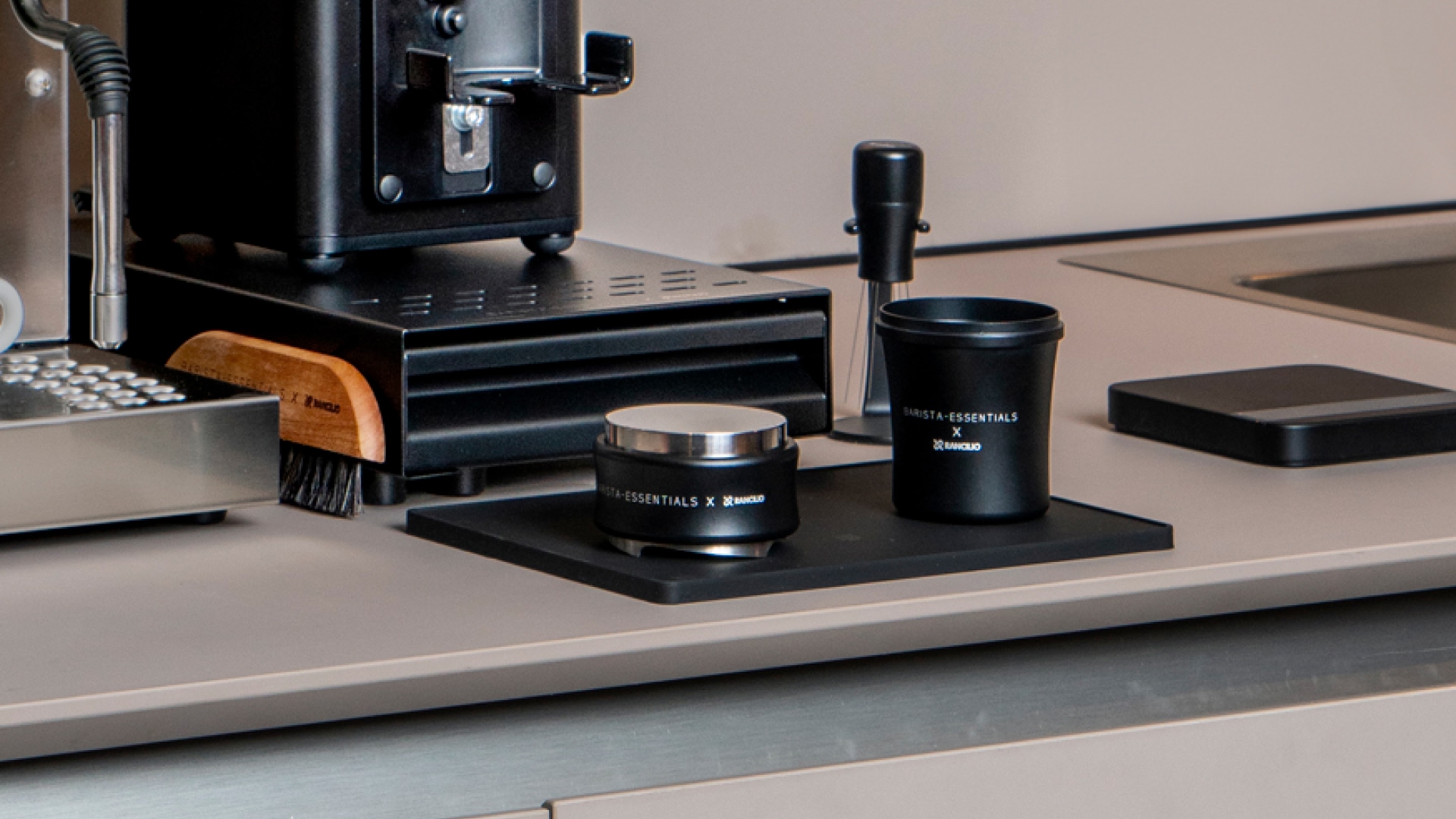
Espresso machine changes
The espresso machine market is becoming increasingly sophisticated. The classic debate between semi-automatic and super-automatic machines continues, but the lines are blurring. Semi-automatic machines offer greater control and a more involved brewing experience, while super-automatic machines prioritize convenience. However, even super-automatic machines are starting to incorporate more advanced features.
Dual boiler and heat exchanger machines remain the gold standard for temperature stability, which is essential for consistent espresso extraction. These features are still considered 'pro' level, often found in machines costing over $1500. But we are seeing more mid-range machines incorporating elements of these technologies, offering a good balance between performance and price.
Temperature control is a standard requirement now. Most new machines have PID controllers to keep the water steady. I expect we'll see more affordable machines adding pre-infusion and pressure profiling, which used to be reserved for $3,000 commercial units.
I'm particularly interested in the emergence of smaller, more affordable espresso machines that still deliver quality. Brands are finding ways to incorporate advanced features into more compact and accessible designs. This is opening up the world of espresso to a wider audience, and that's a good thing.
The push for more control and customization is also driving innovation in machine design. We’re seeing machines with adjustable pre-infusion times, variable pressure profiles, and even the ability to save custom brewing recipes. This level of control was previously only available on high-end commercial machines.
Grinders are the real priority
A good grinder is more important than the espresso machine. If your grind is inconsistent, a $5,000 machine will still produce sour or bitter shots. Spend your money here first.
Burr grinders are the way to go, and there are two main types: conical and flat. Conical burrs are generally quieter and produce less heat, while flat burrs tend to be faster and more consistent. The best choice depends on your budget and preferences. Consistency is absolutely key, and that’s where you should focus your attention.
Single-dose grinders are gaining popularity, allowing you to grind only the amount of coffee you need for each brew. This minimizes waste and ensures maximum freshness. They also make it easier to experiment with different beans and grind settings.
When choosing a grinder, pay attention to the burr material, grind size consistency, and the range of grind adjustments. Look for a grinder with a wide range of settings, allowing you to fine-tune the grind for different brewing methods. I think people often underestimate just how much a better grinder improves their coffee.
- Steel burrs are common for most home use, while ceramic burrs tend to last longer but can be more brittle.
- Grind Size Consistency: Look for a grinder that produces a uniform grind with minimal fines
- Grind Adjustment Range: A wider range allows for more flexibility
- Retention: How much coffee remains in the grinder after use – lower retention is better for freshness
Featured Products

Conical stainless steel burrs for consistent grinding · One-touch automatic smart grind settings · Compact design for easy storage
This grinder offers a user-friendly experience with consistent results, making it an excellent choice for everyday brewing.

Integrated smart grinding technology with 60 precise settings · Dosing IQ automatically adjusts grind time for consistent doses · Suitable for both coffee and espresso
The Breville Smart Grinder Pro provides exceptional control and consistency, allowing for precise adjustments for various brewing methods.
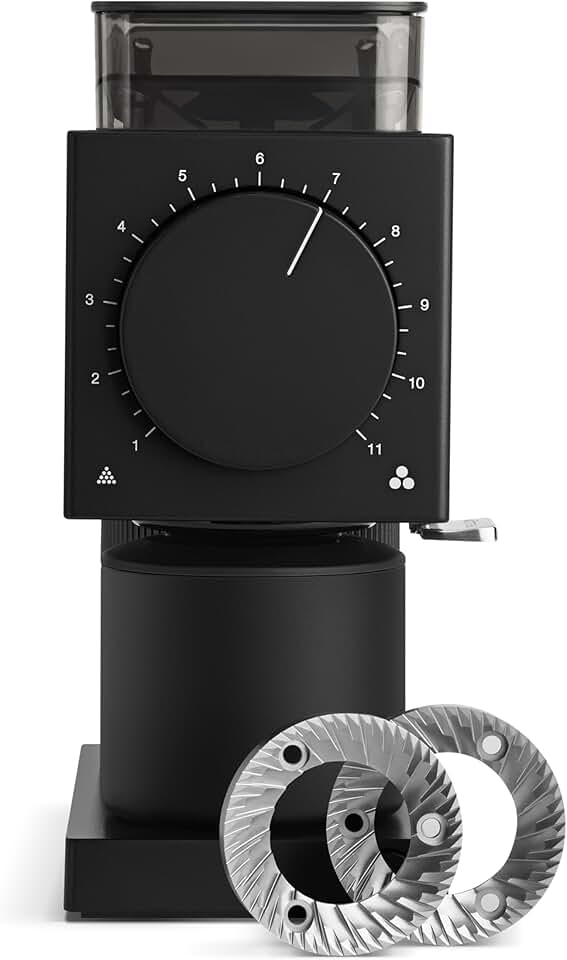
64mm flat burrs for uniform particle size · 31 grind settings with single-dose capability · Anti-static technology for a clean grinding experience
Designed for the discerning coffee explorer, the Fellow Ode Gen 2 delivers exceptional grind quality for pour-over, French press, and cold brew with its advanced features.
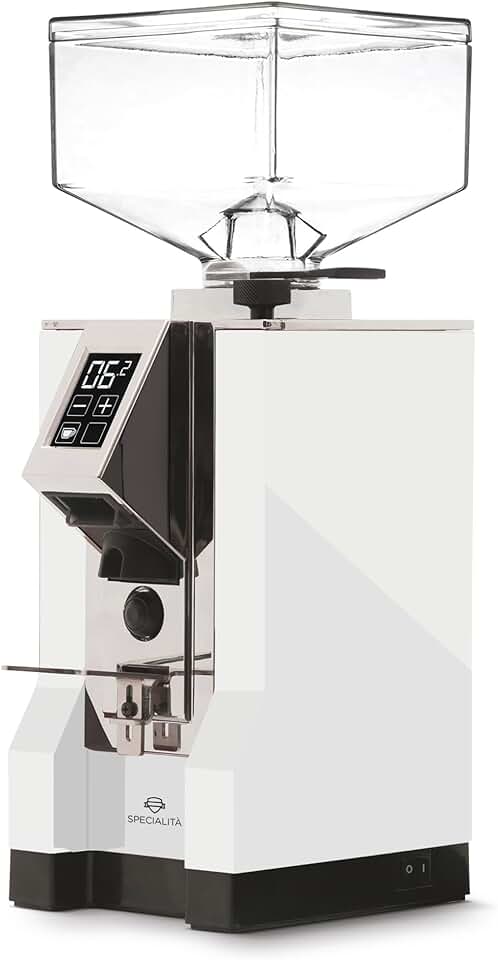
Stepless 55mm flat burrs for micro-adjustments · Silent technology for quiet operation · Intuitive touchscreen interface for easy use
The Eureka Mignon Specialita is a premium choice for espresso enthusiasts, offering unparalleled precision and a remarkably quiet grinding experience.
Conical stainless steel burrs for consistent grinding · One-touch automatic smart grind settings · Compact design for easy storage
This grinder offers a user-friendly experience with consistent results, making it an excellent choice for everyday brewing.
As an Amazon Associate I earn from qualifying purchases. Prices may vary.
Manual brewing refinements
Don’t discount the enduring appeal of manual brewing methods. Pour-over devices like the Kalita Wave and Hario V60 continue to be popular choices for coffee enthusiasts. French presses and Aeropresses also remain relevant, offering different flavor profiles and brewing experiences.
We’re seeing advancements in materials and designs. For example, some manufacturers are experimenting with new filter materials and dripper shapes to improve extraction. Accessories like gooseneck kettles with precise temperature control are also becoming more common.
Manual brewing is about the details—water temperature, bloom time, and how you pour. It's a slow process, but it's the best way to taste the differences between specific bean origins.
I think there’s still a lot of innovation happening in this space. We’re seeing new brewing devices emerge that combine elements of different methods, offering unique and interesting results.
Water quality
Water quality is often overlooked, but it plays a crucial role in coffee brewing. Tap water contains minerals and chemicals that can negatively impact the taste of your coffee. Filtered water is a good starting point, but even filtered water isn’t always ideal.
Water recipes, like those popularized by Third Wave Water, involve adding specific minerals to distilled water to achieve the optimal mineral content for coffee brewing. This allows you to control the water chemistry and consistently produce excellent results.
There are now water filtration systems designed specifically for coffee brewing, offering a more tailored solution than standard water filters. These systems can remove impurities and add the necessary minerals for optimal extraction. I’m surprised how many people still use straight tap water.
Smart tech and automation
Technology is slowly but surely making its way into home coffee brewing. Smart coffee makers with app control allow you to schedule brews, adjust settings remotely, and even receive notifications when your coffee is ready. Automated pour-over devices are also emerging, promising consistent results with minimal effort.
Connected grinders can be controlled via smartphone, allowing you to save grind settings and automate the grinding process. Is this a growing trend? It's hard to say for sure, but there's definitely a market for convenience and automation.
The benefits of smart coffee tech include convenience, consistency, and the ability to experiment with different settings. However, there are also drawbacks, such as the potential for technical issues and the loss of hands-on control. I’m a little skeptical, but I can see the appeal for those who want a truly automated experience.
Essential tools
Beyond the coffee maker and grinder, a few essential accessories can significantly improve your brewing experience. A high-quality scale is non-negotiable, allowing you to accurately measure coffee and water. A timer helps you track brewing times, and a thermometer ensures you’re using the correct water temperature.
Distribution tools, like WDT tools, help to evenly distribute coffee grounds in the portafilter, promoting even extraction. A knock box is essential for disposing of used coffee pucks, and milk frothing pitchers are needed for making lattes and cappuccinos.
I think a good scale and timer are absolutely essential. They’re relatively inexpensive, but they can make a huge difference in the consistency of your brews. Real Coffee Club's accessories section has a good selection of these items.
Don’t underestimate the importance of a good cleaning brush and descaling solution. Regular maintenance is essential for keeping your equipment in top condition.
- A scale accurate to 0.1g is the only way to ensure your ratio is the same every morning.
- Timer: With stopwatch function
- Thermometer: For measuring water temperature
- Distribution Tool: WDT tool or similar
- Knock Box: For disposing of used coffee pucks
- Milk Frothing Pitcher: Stainless steel, various sizes
Your Home Barista Checklist
- Coffee Grinder (Burr) - A Baratza Encore is a reliable entry-level burr grinder, crucial for consistent particle size.
- Pour-Over Device - The Hario V60 is a classic, offering excellent control over bloom and extraction.
- Chemex Brewer - Known for its clean, bright brews, the Chemex requires special bonded filters.
- Gooseneck Kettle - A Fellow Stagg EKG kettle provides precise pouring control, essential for pour-over techniques.
- Kitchen Scale - A Hario V60 Drip Scale with timer ensures accurate coffee and water ratios.
- Coffee Filters - Specifically, Hario V60 filters or Chemex bonded filters, depending on your chosen brewer.
- Coffee Storage - An airtight container, like those from Fellow, preserves bean freshness.
- Tamper (for Espresso) - If venturing into espresso, a calibrated tamper ensures even puck compression. (e.g., Normcore tamper)
No comments yet. Be the first to share your thoughts!