

Cold Brew & Chemex: A Perfect Pairing
Cold brew coffee is popular because it offers a smooth, low-acid experience, unlike the often-bitter results of hot brewing. Steeping coffee grounds in cold water for a long time changes the extraction process. This is different from iced coffee, which is just hot coffee cooled down.
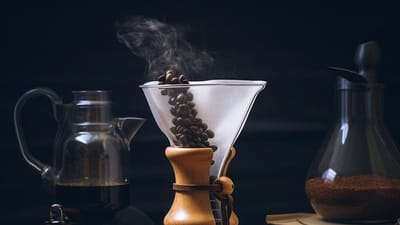
The Chemex, with its elegant design and iconic wood collar, is more than just a pretty face. Introduced in 1941 by chemist Peter Schlumbohm, it was originally conceived as a laboratory apparatus before finding its place in coffee. Its thick, specially-designed filters create an incredibly clean cup. Combining the gentle extraction of cold brew with the clarifying power of the Chemex makes sense.
This pairing isn’t just about looks. The Chemex’s filter paper removes sediment and oils, which can make cold brew taste muddy or heavy. This results in a clear and nuanced cold brew concentrate, ready to be diluted and enjoyed. More coffee enthusiasts are using this method for a refined experience.
Why Chemex for Cold Brew?
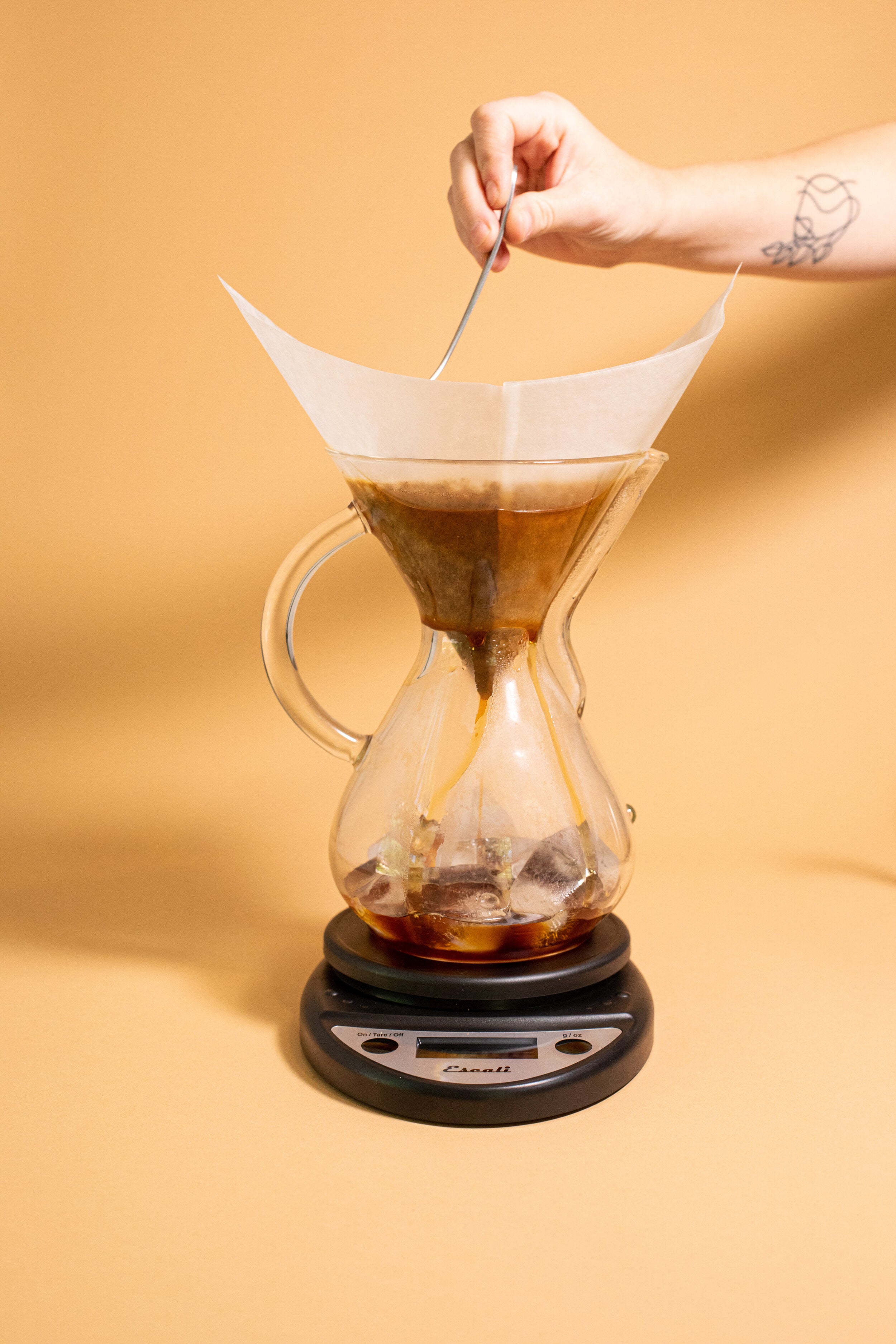
The main benefit of using a Chemex for cold brew is its filtration. Chemex filters are thicker than those in most pour-over devices or dedicated cold brew systems. This density traps fine particles – the "fines" – that create a murky texture and can amplify bitterness. The result is a clean, clear concentrate.
Compared to full-immersion cold brew methods like a Toddy system, the Chemex allows more control. With a Toddy, coffee grounds are fully submerged throughout brewing. In a Chemex cold brew, water is poured over the grounds and then allowed to steep, creating a hybrid approach. This balances immersion ease with pour-over clarity. I think this is a good balance for many home brewers.
Other cold brew methods, like a French press, often require a secondary filtration step to remove sediment. The Chemex eliminates this need. It’s a one-step process that delivers a clean cup. This simplicity, paired with flavor clarity, is why I recommend the Chemex to anyone serious about cold brew. Stumptown Coffee, for example, notes the clarity achieved with Chemex brewing in their guides.
Grind Size: The Foundation of Extraction
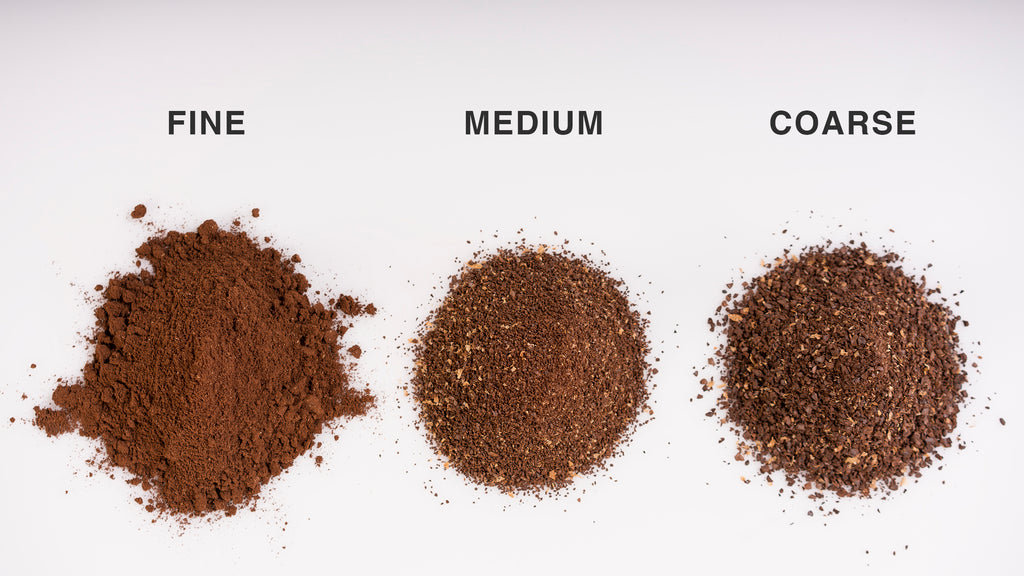
Grind size is the most important factor in cold brew, and even more critical when using a Chemex. Because cold brew involves a long extraction time, you need a coarser grind than for hot brewing. Think about the texture of coarse sea salt or peppercorns. A grind that's too fine leads to over-extraction, resulting in a bitter, muddy brew.
If your grind is too fine, the increased surface area exposed to water pulls out undesirable compounds during the 12-24 hour steep. This creates a harsh, unbalanced flavor profile. If the grind is too coarse, you risk under-extraction, leaving a weak, sour, and underdeveloped cup. It's a delicate balance, but getting it right matters.
Visually assessing your grind is a good starting point. You should see clearly defined, large particles. If you’re unsure, err on the side of too coarse. You can adjust finer in subsequent brews. A burr grinder is essential for consistent results; blade grinders produce an uneven grind that harms your cold brew. It's an investment that pays off in flavor.
- Too Fine: Bitter, muddy, over-extracted
- Just Right: Balanced, smooth, clean
- Too Coarse: Weak, sour, under-extracted
Coffee Ratios: Finding Your Sweet Spot
Once you've dialed in your grind size, the next element is the coffee-to-water ratio. A standard starting point for Chemex cold brew is a 1:8 ratio – 1 part coffee to 8 parts water (by weight). For example, 50 grams of coffee to 400 grams of water. This is a good baseline, but personal preference and the coffee beans you're using will influence the ideal ratio.
A lower ratio (e.g., 1:6 or 1:5) produces a stronger concentrate, requiring less dilution. This is ideal if you prefer a more intense coffee flavor or plan to use the concentrate in coffee cocktails. A higher ratio (e.g., 1:10 or 1:12) results in a lighter, more delicate concentrate. Experimentation is key to discovering what suits your palate. Lighter roasts, particularly Ethiopian Yirgacheffe, benefit from a slightly higher ratio – around 1:9 or 1:10 – to highlight their floral and fruity notes.
The type of bean also matters. Denser beans, like those from Sumatra, may require a slightly higher ratio for adequate extraction. Less dense beans might benefit from a slightly lower ratio. Keep a brewing journal to track your experiments and document your findings. This will help you refine your recipe over time.
A 1:8 ratio will yield a concentrate typically diluted with an equal amount of water or milk. A 1:4 ratio would be much stronger and require a larger dilution. The goal is to find the balance between concentrate strength and final cup flavor. A calculator can help determine the right amount of coffee and water for your desired strength.
Brew Time: Patience is a Virtue
Patience is essential when making Chemex cold brew. The optimal brew time is typically 12 to 24 hours. Shorter brew times may result in under-extraction, while excessively long brew times can lead to over-extraction and bitterness. The best time often depends on your grind size and the coffee beans you’re using.
During brewing, coffee grounds slowly release their flavors and aromas into the water. This is a gradual process that requires time to fully develop. A longer brew time generally extracts more flavor, but it also increases the risk of extracting undesirable compounds. I aim for 18-20 hours, but I’ll adjust based on the bean.
Factors like room temperature can also influence the ideal brew time. Warmer temperatures accelerate extraction, while cooler temperatures slow it down. Some people swear by 36 hours, but that might be too long. Monitor your brew and taste-test periodically to find the duration for your setup and preferences.
Water Quality: Often Overlooked
Water quality significantly impacts the final flavor of your cold brew. Coffee is approximately 98% water, so the water you use directly influences the taste. Avoid using distilled water, as it lacks the minerals necessary for proper extraction. It can result in a flat, lifeless cup.
Filtered tap water is a good starting point, but spring water is often preferred by coffee enthusiasts. Spring water contains a natural balance of minerals that can enhance the coffee’s flavor profile. If your tap water has a strong chlorine taste or odor, use a carbon filter to remove impurities. The Specialty Coffee Association recommends water with a Total Dissolved Solids (TDS) level between 75-250 ppm.
Consider the mineral content of your water. Calcium and magnesium contribute to flavor extraction, while other minerals can affect the brew’s clarity. Experiment with different water sources to see how they impact your Chemex cold brew. It’s a subtle difference, but it's worth exploring.
Troubleshooting Common Issues
Even with careful attention to detail, things can sometimes go wrong. Bitterness is a common problem, usually caused by over-extraction. This can be addressed by using a coarser grind, reducing the brew time, or lowering the coffee-to-water ratio. Sourness, on the other hand, indicates under-extraction. Try a finer grind, increasing the brew time, or raising the ratio.
If your cold brew tastes weak or watery, it’s likely due to an insufficient coffee-to-water ratio or a too-short brew time. Increase the amount of coffee or extend the steeping period. Conversely, if your brew is too strong, dilute it with water or reduce the amount of coffee used in the next batch. Remember, consistency is key – make small adjustments and keep detailed notes.
Sediment in your final cup is usually a sign of a grind that’s too fine or a damaged Chemex filter. Ensure your grind is coarse enough and that the filter is properly seated in the Chemex brewer. If the problem persists, try a different brand of Chemex filters. A little troubleshooting will get you back on track.
- Bitterness: Coarser grind, shorter brew time, lower ratio
- Sourness: Finer grind, longer brew time, higher ratio
- Weakness: More coffee, longer brew time
- Sediment: Coarser grind, check filter
Beyond the Basics: Experimentation
Once you’ve mastered the fundamentals, don’t be afraid to experiment! Try different coffee origins and roast levels to discover new flavor profiles. Ethiopian coffees often produce bright, floral cold brews, while Sumatran coffees offer a more earthy and bold experience. Darker roasts can be delicious, but require careful attention to brew time to avoid bitterness.
You can also experiment with adding flavors during the brewing process. A cinnamon stick, a few cardamom pods, or a strip of citrus peel can infuse your cold brew with subtle aromas and flavors. Be creative and have fun! This is where you can truly personalize your cold brew experience. We encourage you to push the boundaries.
Ultimately, the perfect Chemex cold brew is the one that you enjoy the most. Don't be afraid to break the rules and find what works best for your palate. The journey of discovery is part of the fun.

No comments yet. Be the first to share your thoughts!