

The climate shift and your coffee
The coffee you enjoy each morning is facing a serious threat. Climate change isn’t a future worry for coffee farmers; it’s happening now. Rising temperatures, increasingly erratic rainfall, and the spread of pests and diseases are all putting immense pressure on coffee-growing regions around the world.
These shifts directly impact both the quantity and quality of coffee produced. Traditional Arabica beans, prized for their delicate flavor, are particularly vulnerable to these changes. While Robusta beans are generally more resilient, they often lack the complexity and aromatic qualities many coffee drinkers seek. We’re already seeing the effects in fluctuating prices and, in some cases, limited availability of certain varieties.
It’s not just about hotter weather. Altered rainfall patterns—longer droughts followed by intense floods—disrupt the entire coffee lifecycle. Pests like the coffee berry borer are thriving in warmer conditions, devastating crops. This isn’t a problem for farmers alone; it’s a threat to the entire coffee supply chain and ultimately, to your daily cup.
Change is already here. Scientists are breeding varieties to survive heat and rust. We aren't losing Arabica tomorrow, but we are seeing a shift in what farmers choose to plant to keep their farms alive.
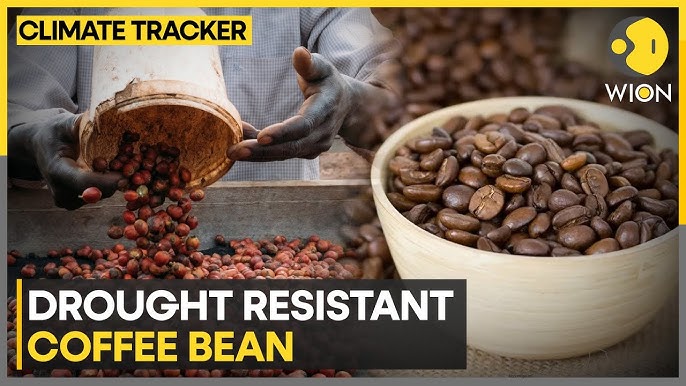
Resilient beans beyond arabica
For years, coffee breeding programs have focused on improving yield and cup quality. Now, the emphasis is shifting toward resilience. Several varieties are gaining traction as viable alternatives to traditional Arabica, offering resistance to common diseases and the ability to thrive in warmer climates. Castillo and Catimor are two prominent examples.
Castillo, developed by Cenicafé in Colombia, is a hybrid known for its resistance to coffee leaf rust, a devastating fungal disease. It’s a cross between Caturra and Timor Hybrid, combining good cup quality with robust disease protection. Catimor, also a Timor hybrid, is widely grown in Indonesia and Vietnam and exhibits similar resistance. These varieties aren't simply about survival; they’re about maintaining production in the face of adversity.
But the work doesn’t stop there. Researchers are continually developing new hybrids and utilizing advanced breeding techniques to create even more resilient beans. These efforts often involve identifying genes responsible for drought tolerance, heat resistance, and disease immunity, then carefully crossing different varieties to combine those traits. It's a complex process, but the potential rewards are significant.
I've tried a few Castillo harvests recently. They don't always have the floral punch of a high-altitude Gesha, but they aren't bland. Roasters are pulling out heavy caramel and chocolate notes, and some hybrids are surprisingly acidic and bright.
- Castillo: Disease resistant, developed in Colombia.
- Catimor: Widely grown in Indonesia and Vietnam, also disease resistant.
- Timor Hybrid: A parent to both Castillo and Catimor, known for its resilience.
Comparing Coffee Bean Characteristics: Arabica, Castillo, and Catimor
| Bean Variety | Flavor Profile (1-5, 1=Mild, 5=Strong) | Disease Resistance | Drought Tolerance | Optimal Growing Altitude |
|---|---|---|---|---|
| Arabica | 3-4 (Floral, Fruity, Chocolatey) | Low | Low | 600-2000 meters |
| Castillo | 3 (Clean, Bright Acidity) | High | Medium | 1200-1800 meters |
| Catimor | 2-3 (Complex, Spicy) | Medium | Medium | 800-1500 meters |
| Typica | 4 (Sweet, Clean) | Low | Low | 900-1500 meters |
| Caturra | 3-4 (Bright, Citrusy) | Medium | Medium | 1100-1600 meters |
| Colombia | 3-4 (Balanced, Nutty) | Low | Medium | 1000-1800 meters |
Illustrative comparison based on the article research brief. Verify current pricing, limits, and product details in the official docs before relying on it.
The 2026 Sustainable Brand Roundup
Consumers are increasingly demanding transparency and sustainability from their coffee. Fortunately, a growing number of brands are responding. According to Cafe Delicioso’s 2026 guide, several companies are leading the way in sourcing climate-resistant beans and prioritizing ethical practices. It’s encouraging to see this commitment to a more sustainable future.
Equator Coffees, based in California, consistently ranks high for its dedication to direct trade and its use of Castillo and other resilient varieties from Colombia and Central America. They prioritize long-term relationships with farmers and invest in projects that improve their livelihoods. You can find more details about their sourcing on their website.
Stumptown Coffee Roasters is another major player embracing sustainability. They’ve expanded their sourcing to include farms utilizing agroforestry techniques and are actively working with farmers to transition to climate-resistant varieties. Their commitment to quality and transparency is commendable.
Peace Coffee is a Minnesota-based brand that’s been a pioneer in Fair Trade sourcing for decades. They're now also focusing on climate resilience, partnering with cooperatives that are growing Castillo and other adaptable beans. They offer detailed information about their sourcing partnerships on their website.
Cafe William is focusing on regenerative agriculture practices. They are working with farms in Honduras and Peru to implement techniques that improve soil health and biodiversity, making coffee production more sustainable in the long run. They also provide detailed sourcing information.
Grounds for Change has a strong commitment to organic and Fair Trade practices, and they’ve started to incorporate climate-resistant varieties into their offerings. They are particularly focused on supporting smallholder farmers in Latin America. They emphasize transparency in their supply chain.
Tiny Footprint Coffee is dedicated to carbon-neutral coffee production. They offset their carbon emissions through various projects and prioritize sustainable farming practices. They highlight farms using climate-adaptive varieties on their website.
Japan's 2050.coffee: A New Approach
A new coffee shop in Alabang, Philippines, @2050.coffee, is making waves with its unique approach to sustainable coffee. Originating from Japan, this cafe is quickly gaining attention for its commitment to climate-resilient beans and innovative brewing methods. It’s a fascinating example of how businesses are adapting to the challenges of a changing climate.
What sets @2050.coffee apart is its complete focus on the future of coffee. They are exclusively sourcing beans that are bred for resilience, prioritizing varieties like Castillo and newer hybrids developed by Japanese research institutions. They’re actively promoting these beans to their customers, educating them about the importance of climate-resistant coffee.
The cafe’s atmosphere is modern and minimalist, reflecting its forward-thinking philosophy. Customers can expect a carefully curated menu of pour-over coffees and espresso drinks, all made with precision and care. The focus is on showcasing the unique flavor profiles of these resilient beans, demonstrating that sustainability doesn’t mean sacrificing taste.
The taste test
The biggest concern for many coffee drinkers is whether climate-resistant beans can deliver a satisfying cup. Fortunately, the answer is increasingly yes. Recent blind taste tests and expert reviews suggest that these varieties can offer a surprisingly complex and enjoyable experience. However, it’s not always a direct substitute for traditional Arabica.
A YouTube roundup of reviews from 2026 highlights several common flavor notes. Castillo beans often exhibit a balanced profile with notes of caramel, chocolate, and a subtle acidity. Catimor can be a bit more earthy, with hints of spice and a fuller body. Newer hybrids are showing even more promise, with some exhibiting bright, fruity notes.
Roasters are playing a crucial role in unlocking the potential of these beans. They’re experimenting with different roasting profiles and brewing methods to highlight their unique characteristics. For example, a lighter roast can accentuate the brighter acidity of Castillo, while a darker roast can bring out the chocolatey notes. Pour-over methods often work well, allowing for greater control over extraction.
It’s important to be realistic. Some climate-resistant varieties may not possess the same level of complexity as the highest-grade Arabica beans. But they offer a viable and delicious alternative, especially as traditional coffee-growing regions become increasingly threatened by climate change. The goal isn’t to replace Arabica entirely, but to diversify our coffee sources and ensure a sustainable future for the industry.
Ultimately, taste is subjective. The best way to find out if you enjoy climate-resistant coffee is to try it for yourself. Seek out brands that are transparent about their sourcing and roasting practices, and don’t be afraid to experiment with different varieties and brewing methods.
7. Sustainable Coffee Living
— Sangwoo (@Sangwoo2024) October 7, 2025
7-3 Stylish and eco-friendly coffee accessories
“Brew Beautifully: Sustainable Coffee Accessories You’ll Love” ☕🌿✨
Sustainability doesn’t mean sacrificing style.
Upgrade your coffee routine with accessories that are both beautiful and… pic.twitter.com/QbBZ2rBFS0
What happens next
Looking ahead to 2030 and beyond, the coffee industry is poised for continued innovation. New technologies are being developed to improve coffee resilience, from advanced breeding techniques to precision agriculture. Gene editing holds promise for accelerating the development of climate-resistant varieties, but it also raises ethical considerations.
Precision agriculture, which uses data and technology to optimize farming practices, can help farmers use resources more efficiently and reduce their environmental impact. This includes using sensors to monitor soil moisture, drones to assess crop health, and data analytics to predict yields. However, these technologies can be expensive and may not be accessible to all farmers.
Consumer demand will play a critical role in driving change. As more consumers become aware of the challenges facing the coffee industry, they’ll likely demand more sustainable and ethically sourced products. This will incentivize brands to invest in climate-resilient coffee and support farmers.
The future of coffee isn’t just about finding new beans; it’s about transforming the entire industry. It’s about building a more equitable and sustainable supply chain that benefits both farmers and consumers. It’s about recognizing that coffee is more than just a beverage—it’s a livelihood for millions of people around the world.
Challenges remain, of course. Climate change is a complex problem with no easy solutions. But by embracing innovation, fostering collaboration, and prioritizing sustainability, we can ensure that future generations can continue to enjoy a delicious and ethically sourced cup of coffee.
Content is being updated. Check back soon.

No comments yet. Be the first to share your thoughts!