
The state of brewing in 2026
Cold brew and pour over aren't just trends; they are the standard for anyone moving away from pod machines. You don't need a $3,000 espresso setup to get a decent cup. Most people I talk to are tired of mystery blends and want to know exactly which farm their beans came from. These two methods are the easiest ways to actually taste those details.
The rise of at-home brewing is a big part of this. We’ve seen a shift away from grabbing a quick coffee on the go to taking the time to craft something special at home. This desire for control over the brewing process is a major draw for both methods. People want to experiment with different beans, grind sizes, and brew times to find their perfect cup. It’s about the ritual as much as the caffeine hit.
Looking ahead to 2026, summer coffee trends will almost certainly continue to favor cold brew, but I believe pour over will maintain a strong following year-round. It’s not just about temperature; it’s about the experience. Pour over offers a mindful, almost meditative process, while cold brew provides a convenient, make-ahead option. Both are finding their place in a consumer market that values quality, convenience, and customization.
Comparing the flavor
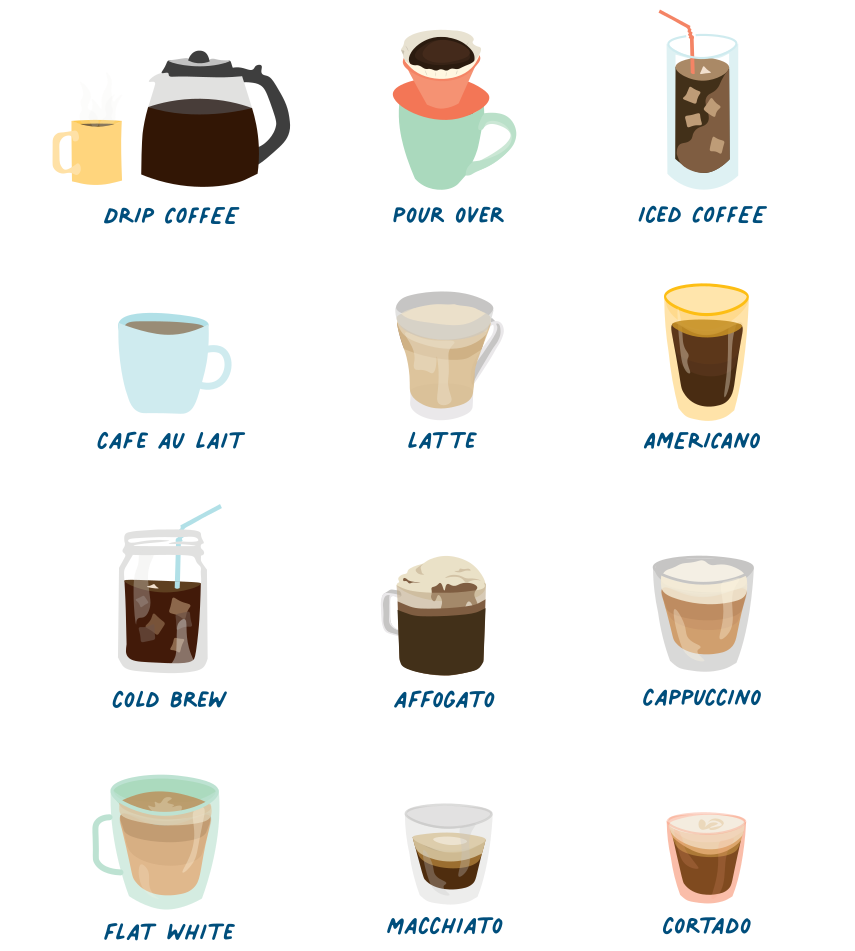
The fundamental difference in flavor between cold brew and pour over comes down to temperature and extraction. Hot water, used in pour over, is a much more efficient solvent than cold water. This means it pulls out a wider range of compounds from the coffee grounds, including acids, oils, and sugars. The result is a brew that’s generally brighter, more acidic, and more complex. You’ll often notice floral or fruity notes that are muted in cold brew.
Cold brew, on the other hand, extracts fewer of those volatile acids and oils. This leads to a smoother, less acidic cup. While some might perceive this as a lack of flavor, it’s more accurate to say that the flavors are different. Cold brew tends to emphasize chocolatey, nutty, and caramel notes. The slower extraction process also creates a different chemical profile, contributing to its distinct taste. I’ve found that single-origin Ethiopian Yirgacheffe beans really pop with a pour over, while Sumatran Mandheling beans shine in a cold brew.
Bean origin plays a huge role. Lighter roasts generally perform better with pour over, allowing those delicate floral and fruity notes to come through. Darker roasts can work well with both, but the chocolatey notes will be more pronounced in cold brew. The type of filter also influences the flavor; paper filters remove more oils, resulting in a cleaner cup, while metal filters allow more oils to pass through, creating a heavier body.
Pick your side based on what you want to taste. If you want to find the hidden notes of jasmine or lemon in a light roast, use a pour over. If you want a heavy, chocolate-like hit that stays consistent even with milk, stick to cold brew.
Brew Time & Effort: Real-World Scenarios
Let's talk practicality. Pour over is relatively quick. Active brew time – the time you’re actually pouring water – is typically around 2-3 minutes. Factoring in grinding and heating the water, you’re looking at about 5-7 minutes total. It’s a great option when you want a fresh cup now. The cleanup is also straightforward: dispose of the filter and rinse the dripper.
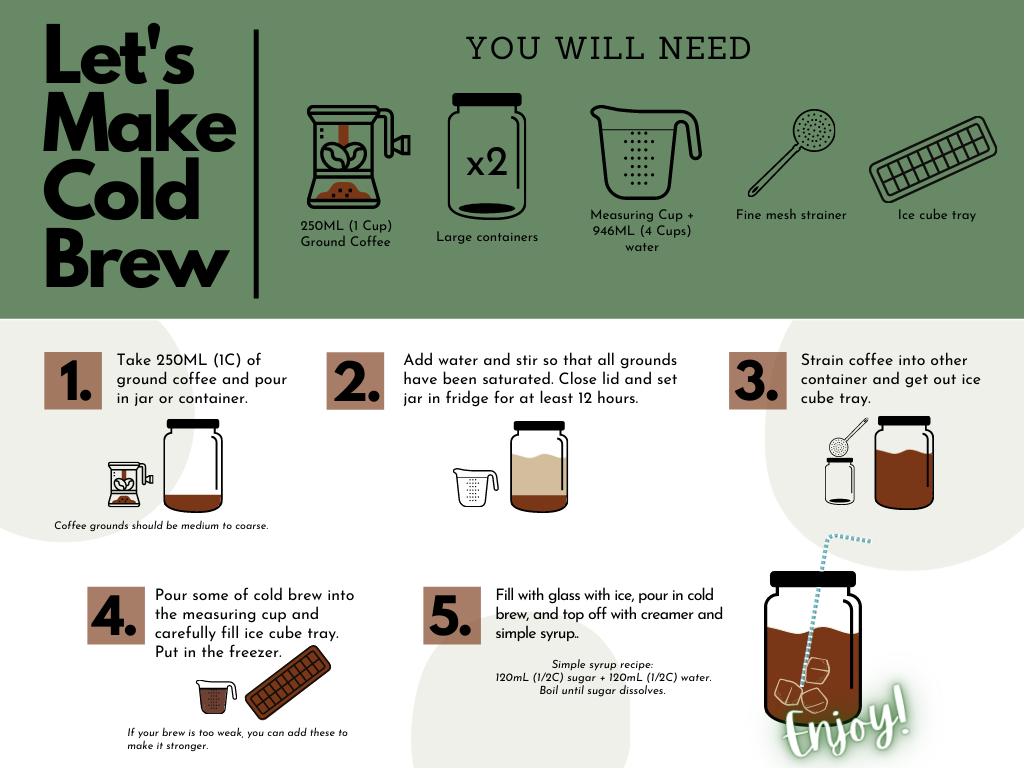
Cold brew is a different beast. The brewing process itself takes 12-24 hours, requiring you to plan ahead. This is passive time, meaning you’re not actively involved, but it's a commitment. However, once brewed, the concentrate can be stored in the refrigerator for up to two weeks. The initial setup—grinding, combining coffee and water—takes about 10 minutes. Cleanup is a bit more involved, usually requiring a cheesecloth or fine-mesh sieve to filter out the grounds.
The idea that cold brew is "easier’ is a bit of a misconception. It"s hands-off, yes, but it requires foresight. You need to remember to start the brew the night before. Pour over demands more attention during the brewing process, but it delivers a quicker result. Both methods are fairly simple, but they cater to different lifestyles and preferences.
- Grind coffee: 2 minutes
- Grind coffee (1-2 minutes)
- Heat water (2-3 minutes)
- Brew (2-3 minutes)
- Cleanup (1 minute)
- Cold Brew:
- Steep: 12 to 24 hours
- Steep (12-24 hours)
- Filter (5-10 minutes)
- Cleanup (5 minutes)
Acidity and body
The lower temperature in cold brew significantly impacts acid extraction. Hot water breaks down the chlorogenic acids in coffee beans more effectively, leading to a higher acidity level. These acids contribute to the bright, tangy flavors often associated with pour over. Cold brew, by contrast, extracts fewer of these acids, resulting in a smoother, less acidic cup. This can be particularly appealing to people with sensitive stomachs.
However, it's not just about acidity. Pour over also extracts more oils and lipids, which contribute to a more complex flavor profile and a lighter body. Cold brew, extracting fewer oils, tends to have a heavier, more syrupy body. This is why cold brew often feels 'thicker' in your mouth. It's a matter of how different compounds are extracted at different temperatures.
Mouthfeel is a crucial, often overlooked, aspect of coffee. It’s the physical sensation of the coffee in your mouth – its weight, texture, and viscosity. Cold brew’s fuller body is a result of the increased concentration of dissolved solids. Pour over, with its lighter body, allows the more delicate flavors to shine through. Understanding this interplay between acidity, oil extraction, and body can help you appreciate the nuances of each brewing method.
What it costs to get started
A plastic Hario V60 costs about $10. It’s the cheapest way to make world-class coffee. The real expense is the grinder. You can skip the $150 gooseneck kettle for a while, but a $100 burr grinder is non-negotiable if you want to avoid a cup that tastes like dust.
Cold brew is also affordable to start. You can use a mason jar or any container for brewing, costing less than $20. A cold brew maker with a built-in filter can range from $20 to $50. More advanced systems, like those reviewed by Serious Eats in their 2026 round-up of cold brew makers, can cost $100 or more. These often feature finer mesh filters and more durable construction.
Don't underestimate the importance of a good grinder for both methods. Pre-ground coffee simply won’t deliver the same level of flavor. Investing in a burr grinder is the single best thing you can do to improve your coffee, regardless of your brewing method. You can build a basic pour over setup for around $50, or a more enthusiast-level setup for $300+. Cold brew can be done on a budget of $30, or with a dedicated maker for $150+.
Essential Gear for Your Perfect Cold Brew and Pour Over Rituals

Durable ceramic dripper for heat retention · Size 02 is ideal for 1-4 cups · Ribbed design promotes optimal extraction
This set is a fantastic entry point into the world of pour-over coffee, offering excellent control and a clean cup.

Iconic hourglass shape made of non-porous Borosilicate glass · Brew up to 8 cups of coffee · Requires Chemex bonded filters for a pure, sediment-free brew
The Chemex is renowned for producing an exceptionally clean and bright cup, highlighting the nuanced flavors of your coffee beans.

Precise temperature control with 1-degree increments · 6 preset temperature settings for common beverages · Gooseneck spout for controlled pouring
Essential for pour-over, this kettle allows for exact water temperature, crucial for consistent and optimal coffee extraction.

Conical stainless steel burrs for uniform grounds · 15 grind settings with micro-adjustments · One-touch automatic smart grind feature
A consistent grind is key to great coffee; this grinder delivers uniformity for both pour-over and cold brew, enhancing flavor extraction.
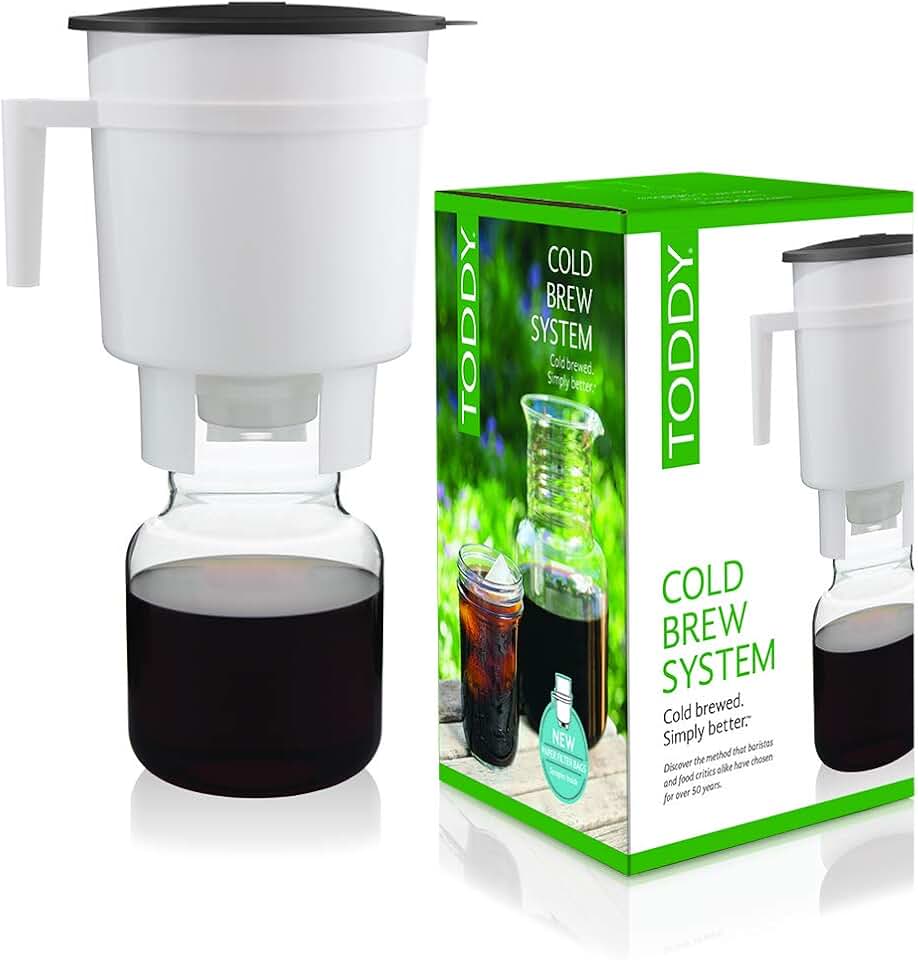
Produces smooth, rich coffee concentrate · Simple, easy-to-use design · Requires no electricity and uses a unique felt-filter system
The Toddy system is a straightforward and effective way to create exceptionally smooth and low-acid cold brew concentrate at home.
As an Amazon Associate I earn from qualifying purchases. Prices may vary.
Beyond the Basics: Variations & Tweaks
Both cold brew and pour over lend themselves to experimentation. Japanese iced coffee, for example, is a pour over brewed directly onto ice, creating a flash-chilled brew that’s bright and refreshing. This differs significantly from traditional cold brew. Nitro cold brew, infused with nitrogen gas, adds a creamy texture and cascading effect – a popular trend in coffee shops.
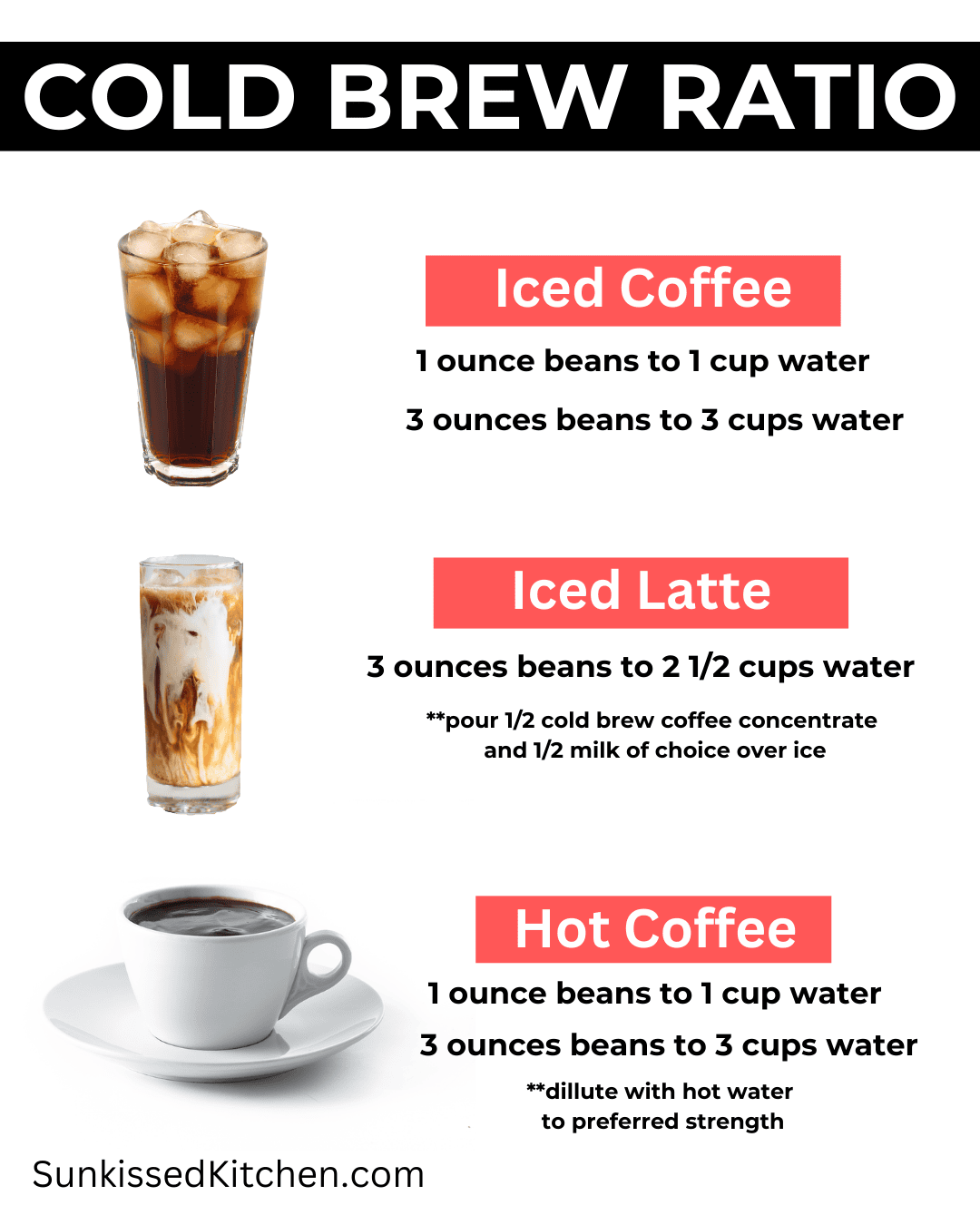
With cold brew, you can adjust the coffee-to-water ratio to create a concentrate that suits your preferences. Some people prefer a 1:4 ratio (1 part coffee to 4 parts water), while others prefer a stronger 1:8 ratio. You can also experiment with different steep times. Pour over allows for adjustments to grind size and pour technique. A finer grind will result in a slower brew and a more intense flavor, while a coarser grind will produce a faster brew and a cleaner cup.
Filter choice also makes a difference. Paper filters remove more oils, resulting in a cleaner cup, while metal filters allow more oils to pass through, creating a heavier body. Cloth filters are another option, offering a balance between the two. Don't be afraid to try different beans, roast levels, and brewing parameters to find what works best for you. It’s all about exploration.
Troubleshooting: Common Mistakes & Fixes
Over-extraction is a common problem in both methods, resulting in a bitter, harsh cup. With pour over, this often happens when the water temperature is too high or the grind is too fine. Try lowering the water temperature or using a coarser grind. For cold brew, reduce the steep time. Under-extraction, on the other hand, leads to a sour, weak cup. Increase the water temperature or use a finer grind for pour over, and increase the steep time for cold brew.
Channeling – where water flows through a specific path in the coffee grounds – is a common issue with pour over. This can be caused by uneven tamping or an inconsistent pour. Make sure to evenly saturate the grounds and maintain a consistent pour rate. Bitterness can also be caused by stale coffee beans or a dirty grinder. Always use fresh beans and keep your grinder clean.
If your cold brew is too weak, try using a higher coffee-to-water ratio or steeping it for a longer period. If it’s too strong, dilute it with water. Don't be afraid to experiment and take notes. Keeping a coffee journal can help you track your results and fine-tune your brewing process. Remember, even experienced brewers occasionally make mistakes – it’s all part of the learning process.
Which brewing method do you think will dominate among coffee enthusiasts in 2026: Cold Brew or Hot Pour Over?
The debate between cold brew and hot pour over continues to heat up in the coffee community. We want to hear from you — cast your vote below and let us know where you stand in this brewing showdown!
No comments yet. Be the first to share your thoughts!