

Single origins: beyond the blend
I've watched coffee drinkers move away from blends for years. It isn't just a trend; people want to know exactly where their beans grew and taste the specific flavors that come from one farm or hillside.
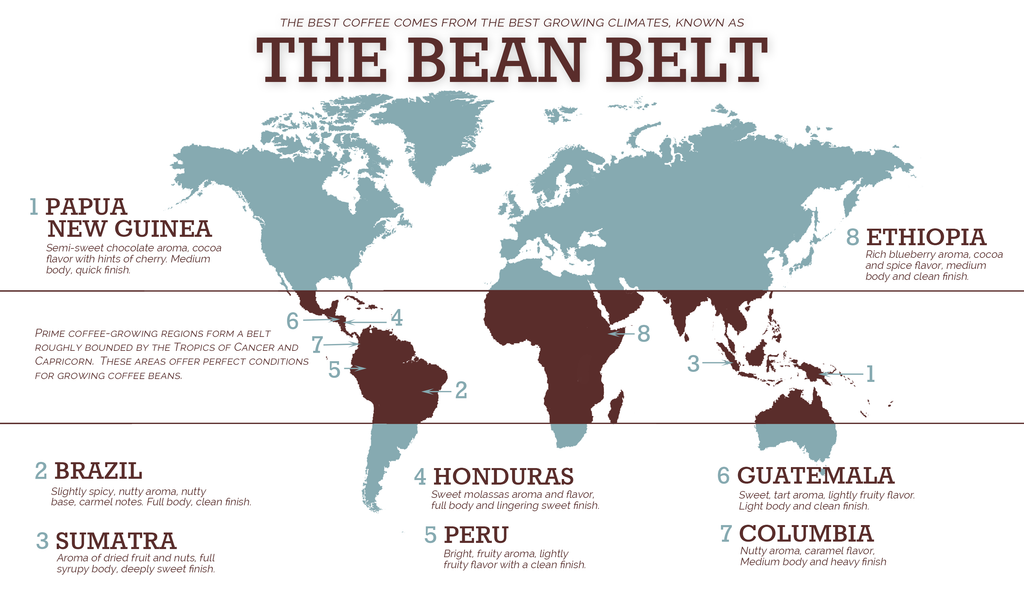
A single-origin coffee, at its simplest, means the beans come from a single farm, a specific region within a country, or a cooperative of farms in a defined area. This traceability is what sets it apart from a blend, where beans from multiple origins are combined to achieve a consistent flavor profile. While blends have their place, single origins offer a level of nuance and complexity that’s often lost in the mixing process.
The beauty of a single origin is that it allows you to truly taste the terroir – the unique combination of climate, soil, and altitude – of a particular place. Expect brighter acidity, more distinct aromas, and flavors that tell a story. However, exploring single origins often requires a bit more attention to detail in brewing. Variables like grind size and water temperature become more important when you're trying to highlight the subtle characteristics of a specific bean. But trust me, the effort is well worth it.
The increased demand is pushing roasters to source more responsibly and highlight the work of individual farmers. It's a win-win for everyone involved, and ultimately leads to a more enjoyable cup of coffee.
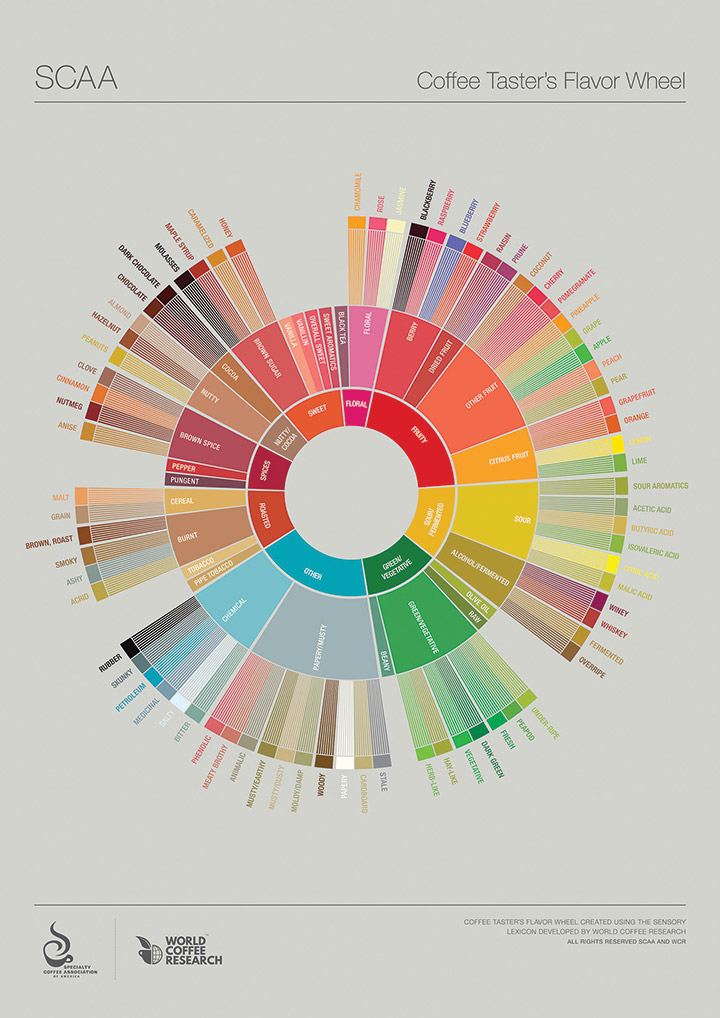
Ethiopia: floral and citrus notes
Ethiopia is widely considered the birthplace of coffee, and its coffees remain some of the most sought-after in the world. The Yirgacheffe and Sidamo regions are particularly famous, consistently producing beans with incredibly bright and floral profiles. These coffees often exhibit a delicate acidity that's incredibly refreshing.
Expect aromas of jasmine and bergamot, alongside citrus notes of lemon and lime. Some Ethiopian coffees, especially those grown at higher altitudes, can even reveal a subtle hint of blueberry. The flavor profile is often described as tea-like, which makes sense given the country’s history with both beverages. The complexity is remarkable.
Ethiopian coffees are processed using a variety of methods, including washed, natural, and honey. Washed processing typically results in a cleaner, brighter cup, while natural processing allows for more fruit-forward flavors to develop. The popularity of naturally processed Ethiopian coffees has exploded in recent years, and while I appreciate the intensity they offer, I sometimes wonder if it’s becoming too dominant, overshadowing the beautiful washed coffees.
Kenyan Coffee: Bold and Fruity
Kenyan coffees are famous for intense acidity and a savory, tomato-like brightness. You'll often find heavy black currant notes that make these beans easy to pick out in a blind tasting.
Kenya employs a rigorous grading system, with AA being the highest grade, signifying larger bean size and consistent quality. This grading system, combined with the centralized auction system, plays a significant role in maintaining the high standards of Kenyan coffee. The auctions, however, can be challenging for smaller farmers, which is why direct trade relationships are so important.
Kenyan coffee farmers face numerous challenges, including climate change and fluctuating market prices. Direct trade initiatives, which cut out the middleman and allow roasters to purchase beans directly from farmers at a fair price, are helping to address these issues. Supporting roasters committed to direct trade is a great way to ensure you’re getting a high-quality coffee while also supporting sustainable farming practices.
- AA: These are the largest beans and usually fetch the highest prices.
- AB: Slightly smaller bean size, still excellent quality
- PB: Peaberry beans are a natural mutation where one round bean grows inside the cherry instead of two flat ones. Many drinkers find the flavor more concentrated.
Single-Origin Coffee: Regional Flavor Profiles & Brewing Recommendations
| Region | Typical Acidity | Dominant Flavors | Common Processing Methods | Best Brewing Methods |
|---|---|---|---|---|
| Ethiopia (Yirgacheffe/Sidamo) | Bright, Floral | Citrus, Berries, Jasmine, Tea-like | Washed & Natural | Pour Over, Chemex, Light-bodied drip |
| Kenya (AA) | Vibrant, Winey | Black Currant, Tomato, Grapefruit, Complex Fruit | Washed | Pour Over, French Press, Aeropress |
| Sumatra (Mandheling/Lintong) | Lower, Earthy | Chocolate, Spice, Herbal, Full-bodied | Giling Basah (Wet-Hulled) | French Press, Cold Brew, Drip |
| Ethiopia (Yirgacheffe/Sidamo) | Moderate Body | Clean finish, delicate | Often Dry Processed | Highlights floral and citrus notes |
| Kenya (AA) | Medium Body | Crisp, clean, and bright | Known for consistent quality | Showcases acidity and fruit tones |
| Sumatra (Mandheling/Lintong) | Full Body | Earthy and complex | Unique processing impacts flavor | Benefits from methods emphasizing body |
Qualitative comparison based on the article research brief. Confirm current product details in the official docs before making implementation choices.
Sumatra: Earthy and Full-Bodied
Sumatran coffees, particularly those from the Mandheling and Lintong regions, offer a distinctly different experience than Ethiopian or Kenyan coffees. They are known for their earthy, herbal, and full-bodied characteristics. The flavors are often described as having notes of chocolate, spice, and even tobacco.
What truly sets Sumatran coffee apart is the unique "giling basah’ (wet-hulled) processing method. This method involves removing the parchment layer while the beans still have a high moisture content, which contributes to the coffee"s distinctive low acidity, heavy body, and earthy flavor. It's a process that requires skill and experience.
Sumatran profiles stay fairly consistent across the island, though some specific lots lean harder into herbal, savory notes than others.
Central American Standouts: Guatemala & Costa Rica
Central America consistently delivers high-quality coffees, and Guatemala and Costa Rica are two of the region’s brightest stars. Guatemalan coffees, particularly those from the Antigua region, are known for their chocolatey and spicy notes, often with a hint of caramel sweetness. The volcanic soil and high altitude contribute to the complexity of the flavor.
Costa Rican coffees, on the other hand, are generally known for their bright, clean flavors and balanced acidity. They often exhibit notes of citrus, honey, and nuts. Costa Rica has been a pioneer in sustainable coffee production and is known for its commitment to quality and environmental responsibility.
Altitude plays a crucial role in flavor development in both Guatemala and Costa Rica. Higher altitudes generally result in denser beans with more complex flavors. Both countries consistently produce coffees that are well-balanced and approachable, making them excellent choices for everyday drinking. The consistency of quality in these regions is a real strength.
Matching the bean to the brew
Choosing the right brewing method can significantly enhance the flavor of your single-origin coffee. For delicate Ethiopian coffees, I recommend pour-over methods like the Hario V60 or Chemex. These methods allow you to highlight the floral aromas and bright acidity without overpowering the subtle flavors. A medium-fine grind is generally best.
Kenyan coffees, with their intense acidity, benefit from a slightly coarser grind and a slower pour-over technique. This helps to balance the acidity and bring out the fruity flavors. For Sumatran coffees, which are known for their full body, a French press or Aeropress can be a great choice. These methods allow for a longer extraction time, which emphasizes the body and earthy notes.
Here's a simple step-by-step guide for a pour-over with Ethiopian Yirgacheffe: 1. Heat water to 205°F. 2. Grind 20 grams of coffee to a medium-fine consistency. 3. Rinse a paper filter in your V60. 4. Add the coffee grounds to the filter. 5. Bloom with 40ml of water for 30 seconds. 6. Slowly pour the remaining 300ml of water over the grounds in a circular motion. 7. Enjoy!
Experimentation is key. Don’t be afraid to try different brewing methods and grind sizes to find what works best for your palate and the specific coffee you’re brewing.
Micro-lots and experimental processing
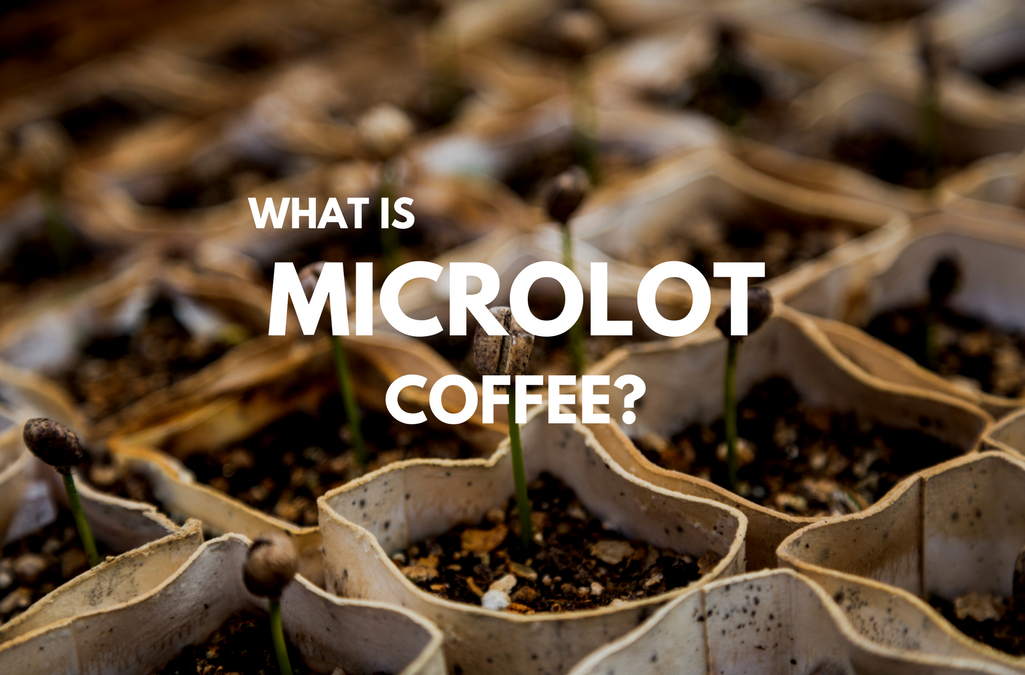
Looking ahead to 2026, several trends are shaping the world of single-origin coffee. Micro-lots – small, carefully selected batches of coffee from a single farm or even a specific section of a farm – are becoming increasingly popular. These micro-lots allow roasters to showcase the unique characteristics of individual growing areas and offer consumers a truly exceptional coffee experience.
We’re also seeing a surge in experimental processing methods, such as anaerobic fermentation and carbonic maceration. These techniques involve manipulating the fermentation process to create new and exciting flavor profiles. Anaerobic fermentation, for example, involves fermenting the coffee cherries in a sealed container without oxygen, which can result in coffees with intense fruit flavors and wine-like acidity.
According to Roast Coffee, single origin coffee is the best way to experience the incredible diversity of flavor that coffee has to offer (Roastcc.com, March 22, 2026). These innovations are pushing the boundaries of what’s possible with coffee, and consumers can expect to see even more unique and complex flavors in the coming years. Whether these methods become mainstream remains to be seen, but they’re certainly adding a new layer of excitement to the coffee world.

No comments yet. Be the first to share your thoughts!