

The Rise of 2026 Micro-Lots
Coffee is shifting from a commodity to an experience, with micro-lots leading the way. 2026 promises to be a significant year for these ultra-premium, single-origin offerings, driven by consumers who want to know where their coffee comes from and the story behind each cup.
Consumers are seeking unique, characterful coffee, moving beyond 'good' to exceptional. This demand for provenance and nuanced flavors is fueling the growth of micro-lots.
Early indicators show a growing focus on these small, meticulously produced batches. Rijo42's Instagram posts about their 2026 microlots exemplify this, building anticipation for limited releases of carefully cultivated beans and highlighting exclusivity and quality.
What Defines a Micro-Lot?
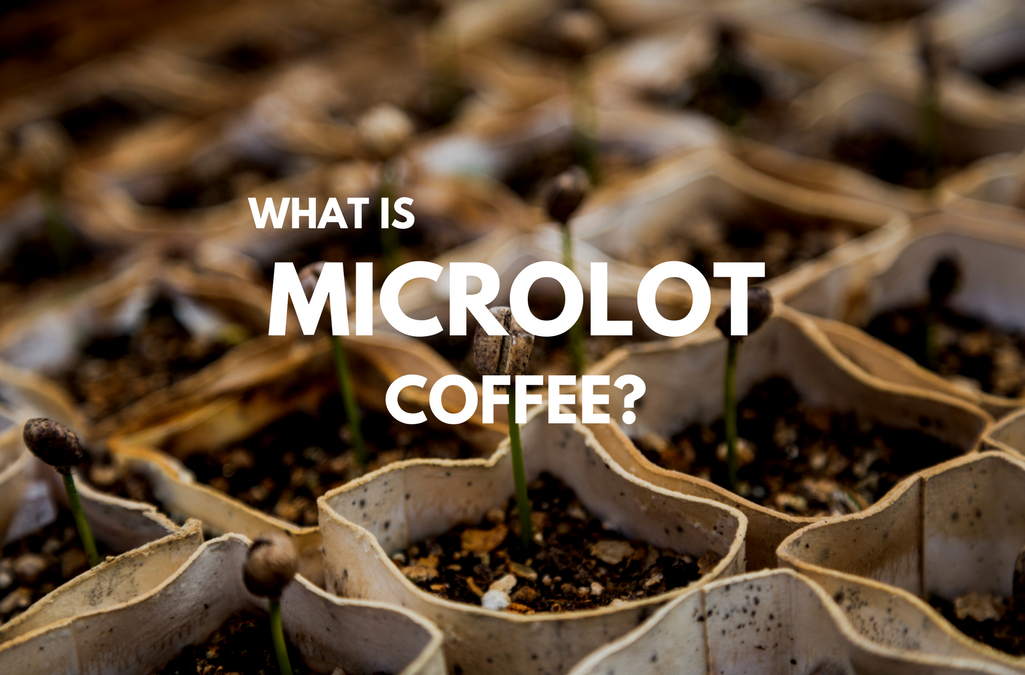
A micro-lot is coffee from a very small area, typically a few acres, sourced from a single estate or a specific section of an estate. This isolates the origin to a highly localized area, distinguishing it from larger-scale production where beans are often blended from multiple farms.
A typical micro-lot yields fewer than 100 bags of green coffee, sometimes as few as 25. This limited quantity contributes to their special status. Meticulous attention to detail is paramount throughout cultivation, harvesting, and processing, with growers using selective picking, hand-sorting, and careful drying to ensure only the highest quality beans are used.
"Micro-lot" is not a legally defined term, leading to varied interpretations among roasters and growers. Some define it by acreage (under five acres), while others emphasize rigorous traceability and quality control. The consistent element is the focus on singularity and exceptional quality.
Single origin coffee beans are pretty nice, having each of them being sourced from one location makes the distinct taste profile more apparent.
— 𝐳𝐞𝐫𝐨𝟖𝟎𝟖𝐰𝐨𝐫𝐤𝐬 𝐀𝐫𝐭 𝐀𝐫𝐜𝐡𝐢𝐯𝐞 (@zero808works) March 15, 2024
Even when the taste isnt quite to your liking, you get to try something interesting
I personally like the more fruity ones pic.twitter.com/hdMOk3Q3rf
Flavor Profiles: Beyond 'Bright Acidity'
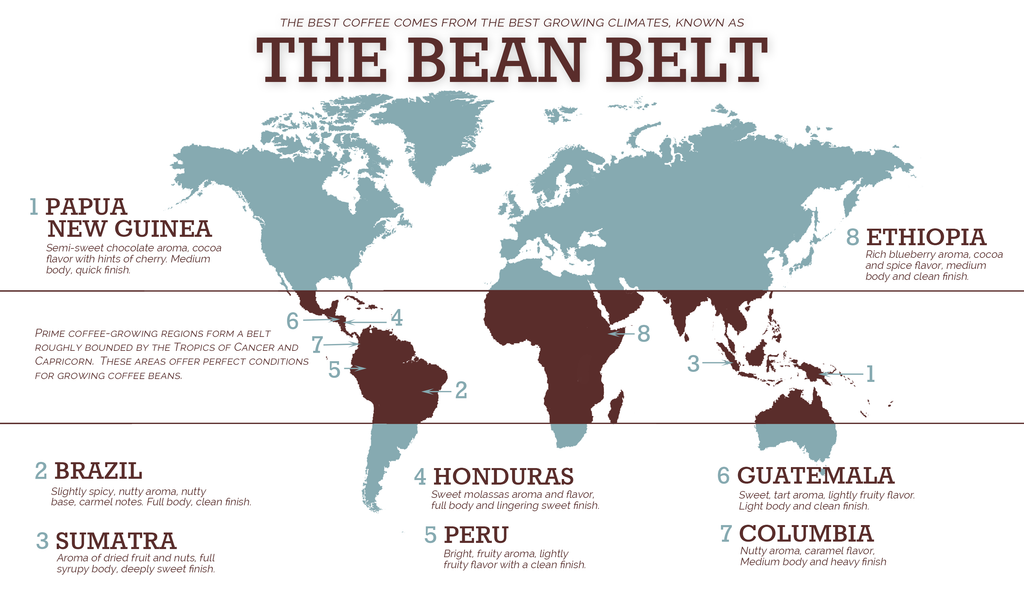
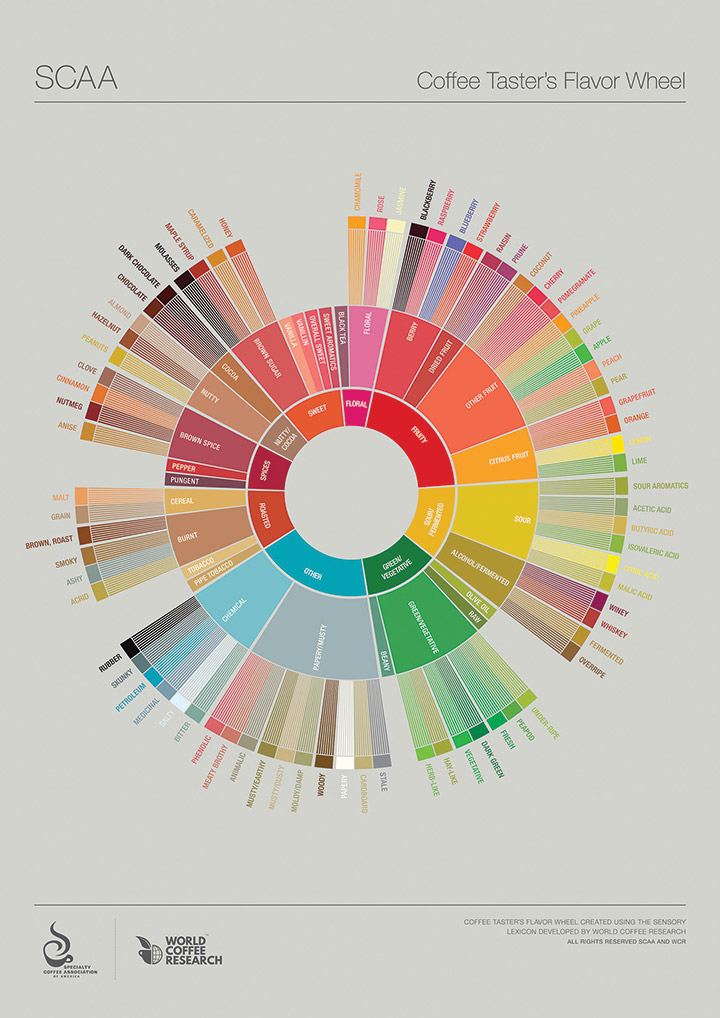
Micro-lot coffees offer diverse and nuanced flavor profiles beyond generic descriptions like "bright acidity’ and ‘chocolatey notes". Terroir—the soil, climate, altitude, and surrounding vegetation—significantly shapes these flavors.
Kenyan micro-lots, often grown at high altitudes, are known for complex acidity and fruit flavors like blackcurrant, tomato, or grapefruit. Panamanian Geisha micro-lots from Boquete exhibit delicate floral aromas with hints of jasmine and bergamot, offering a fragrant and refined experience.
Ethiopian Yirgacheffe micro-lots are known for floral and citrus aromas with a tea-like body, featuring notes of lemon, jasmine, and bergamot. Sumatran Mandheling micro-lots offer earthy, herbal flavors with hints of spice and chocolate. Specific flavor profiles for the 2026 harvest are not yet known, but greater complexity is expected.
Micro-Lot Coffee Bean Flavor Profiles by Region
| Region | Common Flavor Notes | Body | Acidity | Overall Impression |
|---|---|---|---|---|
| Ethiopia (Yirgacheffe) | Floral, citrus (lemon, bergamot), stone fruit (peach) | Light to Medium | High, bright | Elegant and complex, often tea-like. Known for delicate aromatics. |
| Kenya (Nyeri) | Blackcurrant, tomato, grapefruit, winey notes | Medium | High, vibrant | Bold and juicy, with a distinctive savory character. Offers a bright, clean finish. |
| Panama (Boquete) | Tropical fruit (mango, papaya), jasmine, honey | Medium to Full | Medium to High | Balanced and sweet, with a refined complexity. Geisha varieties are particularly prized. |
| Colombia (Huila) | Caramel, nutty (almond), chocolate, red fruit | Medium to Full | Medium | Well-rounded and approachable, with a smooth mouthfeel. Exhibits a classic coffee flavor profile. |
| Guatemala (Antigua) | Chocolate, spice (cinnamon), citrus, floral | Full | Medium to High | Rich and balanced, with a pronounced body and a lingering finish. Often displays a smoky undertone. |
| Costa Rica (Tarrazú) | Brown sugar, honey, citrus (orange), stone fruit | Medium | Bright, crisp | Clean and balanced, with a sweet and vibrant character. Known for consistent quality. |
Illustrative comparison based on the article research brief. Verify current pricing, limits, and product details in the official docs before relying on it.
Growers Leading the Charge
Several coffee growers are pioneering the micro-lot movement, pushing quality and innovation. Red Field Coffee Roasters emphasizes relationships with these growers, showcasing the dedication needed for these exceptional coffees. Many are small, family-owned operations committed to sustainable practices.
Finca El Diviso, featured at the World of Coffee event, exemplifies this. They focus on meticulous cultivation and processing to highlight their terroir's unique characteristics, experimenting with varietals and fermentation techniques to unlock complex flavors. Their quality is evident in every cup.
Other growers experiment with innovative processing methods, such as anaerobic fermentation and carbonic maceration, to create unique flavor profiles. These techniques require significant skill and attention to detail, yielding extraordinary results. It is inspiring to see these growers advance coffee possibilities.
Processing Innovations: The Art of the Bean
Processing is where the real magic happens. While washed, natural, and honey processing methods are well-established, micro-lot producers are increasingly experimenting with innovative techniques to unlock even more complex flavors. Washed processing yields a clean, bright cup, while natural processing results in a fruitier, more complex flavor profile.
Honey processing, a hybrid of the two, leaves varying amounts of mucilage on the bean during drying, influencing sweetness and body. But it’s the experimental fermentation techniques – anaerobic fermentation and carbonic maceration – that are really turning heads. Anaerobic fermentation involves fermenting the coffee cherries in a sealed, oxygen-free environment, while carbonic maceration uses carbon dioxide to enhance fermentation.
Growers are experimenting with these methods because they allow them to manipulate the fermentation process, creating unique flavor compounds and enhancing the coffee's overall quality. It’s a delicate art, requiring precise control and a deep understanding of the science behind fermentation. The goal is to unlock hidden flavors and create a truly exceptional coffee experience.
Sourcing & Roasting: A Delicate Chain
Direct trade relationships and transparent sourcing are critical for micro-lot coffees, ensuring growers receive fair prices for their exceptional beans and roasters maintain quality control. This builds trust and collaboration between growers and roasters.
Roasting micro-lots presents a significant challenge, requiring precision and expertise to highlight unique flavors. Roasters must carefully monitor the process, adjusting temperature and time to bring out the coffee's full potential. Under-roasting mutes flavors, while over-roasting loses them.
The World of Coffee event offers an opportunity to sample micro-lots directly from growers like Finca El Diviso, experiencing their diversity and quality firsthand and connecting with the people behind them. These events are important for building relationships and fostering innovation in the specialty coffee community.
The Price of Perfection: What to Expect
Micro-lot coffees are typically more expensive than conventional coffees due to limited availability, meticulous processing, and direct trade premiums paid to growers. The price reflects the expertise, dedication, and sustainable practices involved in their production.
undefined their coffee, which is reflected in the final cost. It’s an investment in quality, sustainability, and the future of coffee.
While exact prices vary depending on the origin, varietal, and roaster, you can expect to pay a significant premium for a true micro-lot coffee. It's a luxury experience, but one that many coffee enthusiasts find well worth the cost.
Looking Ahead: Micro-Lots in the Future
The trend towards micro-lot coffees is likely to continue growing as consumers become more discerning and demand higher quality, more sustainable coffee options. We can expect to see further innovation in processing techniques, with growers experimenting with new fermentation methods and varietals.
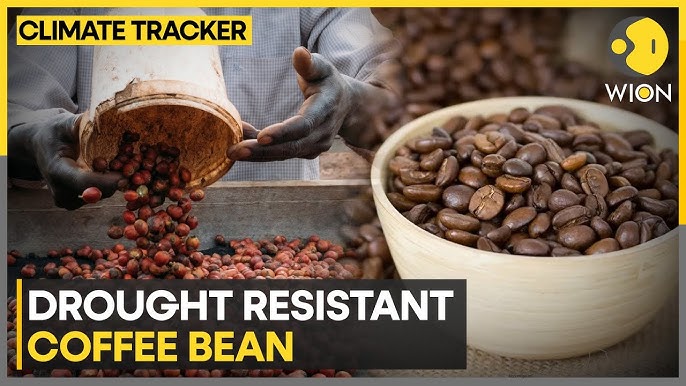
Accessibility may improve as more roasters begin to specialize in micro-lot coffees and online platforms make it easier to connect with growers directly. However, the limited availability of these coffees will likely keep them at a premium price point. The impact of climate change on coffee-growing regions is a concern, potentially threatening the future of some micro-lots.
Ultimately, micro-lots represent a significant step towards a more sustainable and flavorful coffee industry. They encourage transparency, reward quality, and empower growers to produce exceptional coffees that showcase the unique terroir of their farms. It is a movement that benefits everyone involved – from the grower to the roaster to the consumer.

No comments yet. Be the first to share your thoughts!