

The Rise of the Intelligent Brew
Coffee is changing. For years, making the perfect cup meant hands-on effort and practiced ritual. Now, artificial intelligence is stepping in. Your coffee maker is moving beyond simple instructions to actively learn and adapt.
Automated coffee makers aren't new. Timed drip machines have existed for decades, offering convenience but no real adaptation. AI introduces a new level of nuance and personalization, moving beyond simple automation to genuine intelligence in brewing.
The goal isn't to replace baristas, but to bring similar precision and customization to home brewing. Imagine a machine that adjusts grind size, water temperature, and bloom time based on your preferences to deliver the perfect cup consistently. Bennu Coffee in Austin, known for its innovative preparation, might be an early adopter of these technologies.
AI in coffee offers more than just better taste; it promises efficiency, consistency, and a deeper understanding of brewing chemistry. It removes guesswork and unlocks a bean's full potential. This represents a fundamental shift in coffee preparation.
What Does 'AI' Even Mean for Coffee?
The term 'AI' can sound intimidating, but for coffee, it's straightforward. It involves using machine learning algorithms to analyze data and optimize brewing parameters, not sentient robots.
Algorithms collect data on bean type, origin, grind size, water temperature, brew time, and user feedback. The machine learns to correlate these factors with taste, identifying patterns humans might miss to find the optimal settings for each bean and palate.
A traditional coffee maker follows a fixed recipe. An AI machine creates and refines its recipe based on collected data, leading to continuous improvement and consistently delicious coffee through sophisticated pattern recognition.
Cloud connectivity allows for remote control and data sharing. Coffee makers can receive software updates, access new brewing profiles, and learn from collective user data, creating a network of evolving brewers.
- Data Collection: Bean type, grind size, water temperature, brew time, user feedback.
- Machine Learning: Identifying patterns and correlations between brewing parameters and taste.
- Optimization: Adjusting brewing parameters to maximize flavor and consistency.
- Cloud Connectivity: Remote control, software updates, and data sharing.
Data Points for AI Optimization
- Bean Type - Identifying the coffee bean variety (e.g., Arabica, Robusta) allows the AI to adjust brewing parameters for optimal extraction, as different beans have varying densities and flavor profiles.
- Roast Level - Recognizing the roast (light, medium, dark) is crucial. Darker roasts are more soluble and require different brewing times and temperatures than lighter roasts to avoid bitterness or sourness.
- Grind Size - AI systems analyze the grind size (coarse, medium, fine) to ensure proper water flow and extraction. Incorrect grind size leads to under or over-extraction.
- Water Temperature - Precise water temperature control is vital. AI algorithms learn the ideal temperature for each bean type and roast level, maximizing flavor and aroma.
- Brew Time - Monitoring the total brew time helps the AI understand extraction efficiency. Adjusting brew time is key to achieving the desired strength and balance.
- User Feedback (Taste Ratings) - Allowing users to rate the brewed coffee’s taste provides valuable data for the AI to refine its brewing algorithms. This personalized approach improves future brews.
- Water Quality - Some advanced systems can analyze Total Dissolved Solids (TDS) and pH levels in the water, adjusting brewing parameters to compensate for variations in water composition.
- Coffee-to-Water Ratio - Tracking the ratio used in each brew allows the AI to learn user preferences for strength and body, and recommend optimal ratios for new beans or roast levels.
Pour Over, Perfected: AI and Manual Methods
AI is also influencing manual brewing methods like pour over and Chemex. These methods, often seen as the peak of coffee preparation for enthusiasts due to their precision and skill requirement, can still suffer from barista inconsistencies.
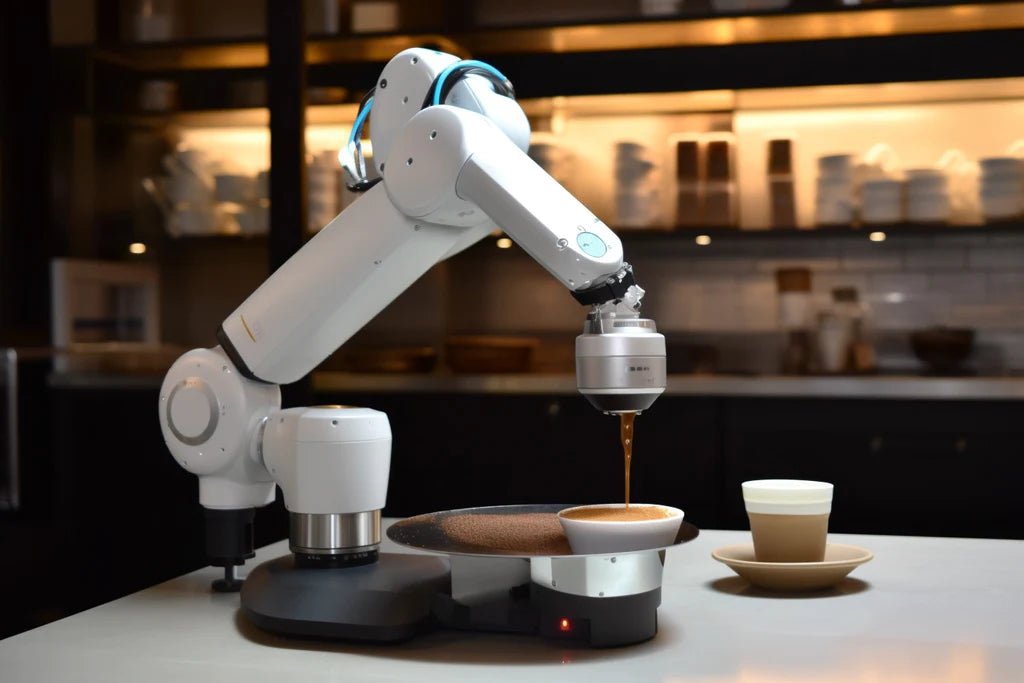
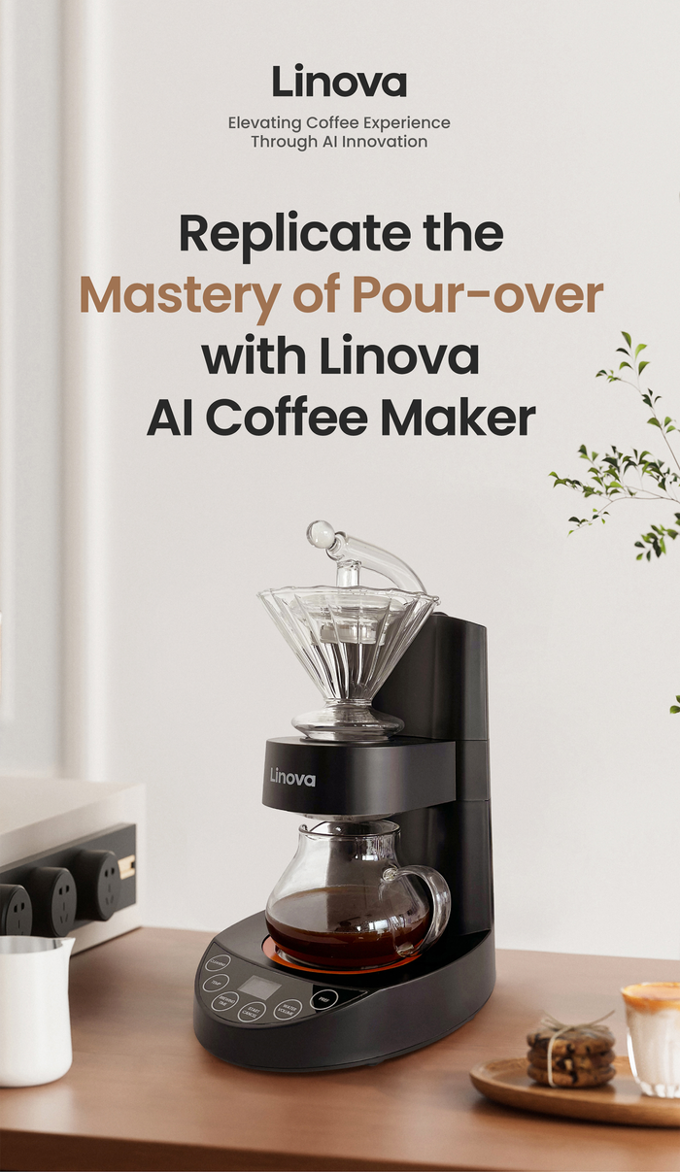
Automated pour-over machines, currently in prototype or early adopter phases, use AI to control water flow rate, temperature, and bloom time, mimicking a skilled barista to eliminate human error and ensure a consistently perfect cup.
This offers remarkable consistency, eliminating uneven saturation, inconsistent water temperature, or pour speed variations. AI ensures identical pours, maximizing extraction and flavor, which appeals to those who appreciate pour-over's nuances but struggle with replication.
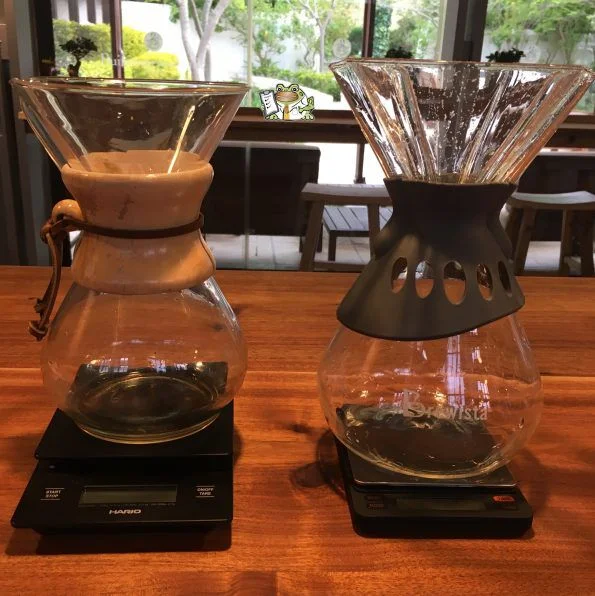
It will be interesting to see how these systems handle variations in bean age and humidity, which significantly impact grind size and water temperature. Real-time learning and adjustment will be key differentiators. The Chemex, with its specific filter and slower brew time, presents a unique challenge for AI optimization.
- Water Temperature Control: Maintaining precise water temperature throughout the brewing process.
- Flow Rate Regulation: Ensuring even saturation of the coffee grounds.
- Bloom Time Optimization: Allowing the coffee to degas properly for optimal flavor.
- Data Logging: Tracking brewing parameters and user feedback for continuous improvement.
The 2026 Contenders: Current Models & Prototypes
While predicting the 2026 market is uncertain, several companies are active in the AI coffee space. NBC Select reports the Oxo Brew 8 Cup is a strong contender for its simplicity and consistent coffee, though it's not fully AI-powered and acts as a bridge technology.
Startups are developing automated pour-over machines. The 'Bean Weaver' prototype uses sensors and machine learning to analyze grounds and adjust brewing parameters in real-time, reportedly replicating a skilled barista's results with accuracy, though pricing is unconfirmed.
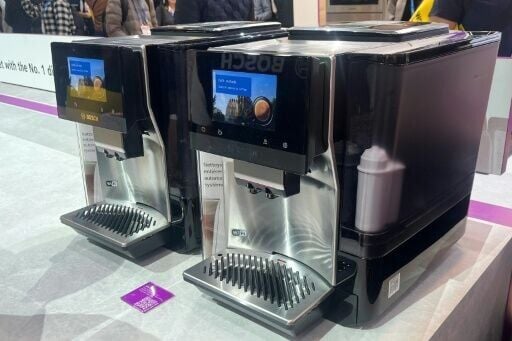
Super-automatic machines are improving. Jura’s J1000 (expected Q1 2026) features an AI bean recognition system that identifies bean type and automatically adjusts grind size and brewing temperature. Pricing is estimated around $3,500.
The 'AromaBot' from North Korean firm AI Robotic Coffee Machines is another development. Reports from thenorthwestern.com indicate profitability from demand for 24/7 unmanned retail. Details are limited, but the system reportedly uses AI to optimize bean selection and brewing based on real-time customer data.
Smarter’s iCoffee Plus, expected to receive an AI upgrade in late 2025, will add features like automatic bean ordering and personalized brewing recommendations. It will likely retail around $250, offering a more accessible option.
Many of these machines are still in development, with specifications subject to change. The level of 'AI' varies; some use pre-programmed algorithms, while others employ machine learning and cloud connectivity. Research is recommended before purchasing.
AI-Powered Coffee Maker Comparison - 2026
| Brewing Method | Key AI Features | Ease of Use | Customization Options | Overall Impression |
|---|---|---|---|---|
| Drip Coffee | Learning brew strength based on user feedback, automatic bean recognition (limited bean types) | Very Easy - familiar interface | Strength, temperature, bloom time | Solid choice for everyday coffee, AI features are a nice addition but not transformative. |
| Pour Over (Automated) | AI-assisted water pouring mimicking skilled barista technique, grind size recommendations | Moderate - requires some initial setup and understanding of pour over | Pour speed, water temperature, bloom time, pre-infusion duration | Good for those wanting pour over consistency without the manual effort, AI enhances control. |
| Chemex (Automated) | Optimized bloom and pour profiles based on bean origin, automated cleaning cycles | Moderate - requires filter preparation and Chemex-specific knowledge | Bloom time, pour rate, temperature, pre-infusion | Excellent for Chemex lovers seeking automation. AI focuses on optimizing the Chemex process. |
| Espresso Machine | AI-powered grind adjustment, automatic tamping pressure control, shot volume optimization | Complex - steeper learning curve, requires maintenance | Grind size, tamping pressure, shot volume, temperature | Ideal for espresso enthusiasts. AI aims to deliver consistent, high-quality espresso with less user intervention. |
| Cold Brew | AI-driven steep time adjustment based on bean type and desired strength, automated filtration | Easy - mostly hands-off operation | Steep time, strength, bloom time (initial hot water bloom) | Convenient for cold brew lovers. AI simplifies the process and helps achieve desired results. |
| French Press (Automated) | AI-monitored water temperature and steep time, automated plunging mechanism | Easy - minimal user interaction | Water temperature, steep time, bloom time | A novel application of AI to a traditional method. Offers convenience and consistency. |
Qualitative comparison based on the article research brief. Confirm current product details in the official docs before making implementation choices.
Beyond the Brew: Integrated Ecosystems
The future of AI coffee extends beyond the machine to its surrounding ecosystem. Smart grinders, which automatically adjust grind size based on bean type and brewing method, are becoming common and often integrate seamlessly with AI coffee makers for a fully automated process.
Bean subscription services are also improving. Companies use AI to analyze consumption patterns and preferences, recommending new beans or creating personalized blends based on taste profiles.
Apps are central to this ecosystem, allowing remote control of coffee makers, tracking consumption, and providing personalized brewing recommendations. They also offer access to brewing profiles and recipes.
I wonder if we’ll see AI-powered bean recommendation engines that go beyond simple flavor profiles. Imagine a system that considers your mood, the weather, and even your upcoming schedule to suggest the perfect bean for any occasion. This level of personalization could truly revolutionize the coffee experience.
Troubleshooting & The Human Touch
Even with all the intelligence built-in, AI coffee makers aren’t foolproof. What happens when the AI gets it wrong? When the coffee tastes burnt or weak? It’s important to understand how to override the system and make manual adjustments. Most machines will offer manual controls, allowing you to fine-tune brewing parameters to your liking.
Regular calibration is also essential. The AI needs to be retrained periodically to account for changes in bean age, humidity, and your own evolving taste preferences. This typically involves brewing a few test cups and providing feedback to the machine.
It’s crucial to remember that AI is a tool, not a replacement for understanding coffee brewing principles. Knowing the basics of grind size, water temperature, and extraction time will empower you to troubleshoot issues and optimize your brewing experience. Don't blindly trust the AI; use your own judgment.
These machines will also require maintenance, just like any other coffee maker. Regular cleaning, descaling, and filter replacement are essential for optimal performance and longevity. Ignoring these tasks can lead to malfunctions and inconsistent results.
The Future of Coffee Automation
Looking ahead, the possibilities for AI in coffee are virtually limitless. Will we see AI coffee makers that can diagnose bean defects, identifying imperfections that affect flavor? It’s certainly plausible. Advanced sensors could analyze the beans' physical characteristics and predict their brewing potential.
Adjusting brewing parameters based on weather conditions is another intriguing possibility. Humidity and barometric pressure can affect the extraction process, and an AI-powered machine could compensate for these variables.
Personalized coffee blends created by AI are also on the horizon. Imagine a machine that analyzes your taste preferences and automatically creates a unique blend of beans, tailored specifically to your palate. This could be a game-changer for coffee lovers.
I’m not sure about fully automated bean-to-cup systems that handle everything from grinding to cleaning, but it’s a possibility. The engineering challenges are significant, but the convenience factor would be undeniable. Ultimately, the future of coffee automation is about creating a seamless, personalized, and consistently delicious experience.
What feature would you most like to see in an AI-powered coffee maker?
As smart coffee technology continues to evolve, we want to know which innovation matters most to your daily brewing routine. Vote below and let us know what would make the biggest difference in your morning cup!
No comments yet. Be the first to share your thoughts!