

Make the recipe
Brewing with a Chemex requires a different rhythm than a standard drip machine or French press. The thick paper filter removes almost all oils, resulting in a tea-like clarity that highlights bright, floral, and fruity notes. To achieve this, you need to control your pour rate and water temperature precisely. The following recipe uses a 1:16 coffee-to-water ratio, which is the industry standard for balanced extraction.
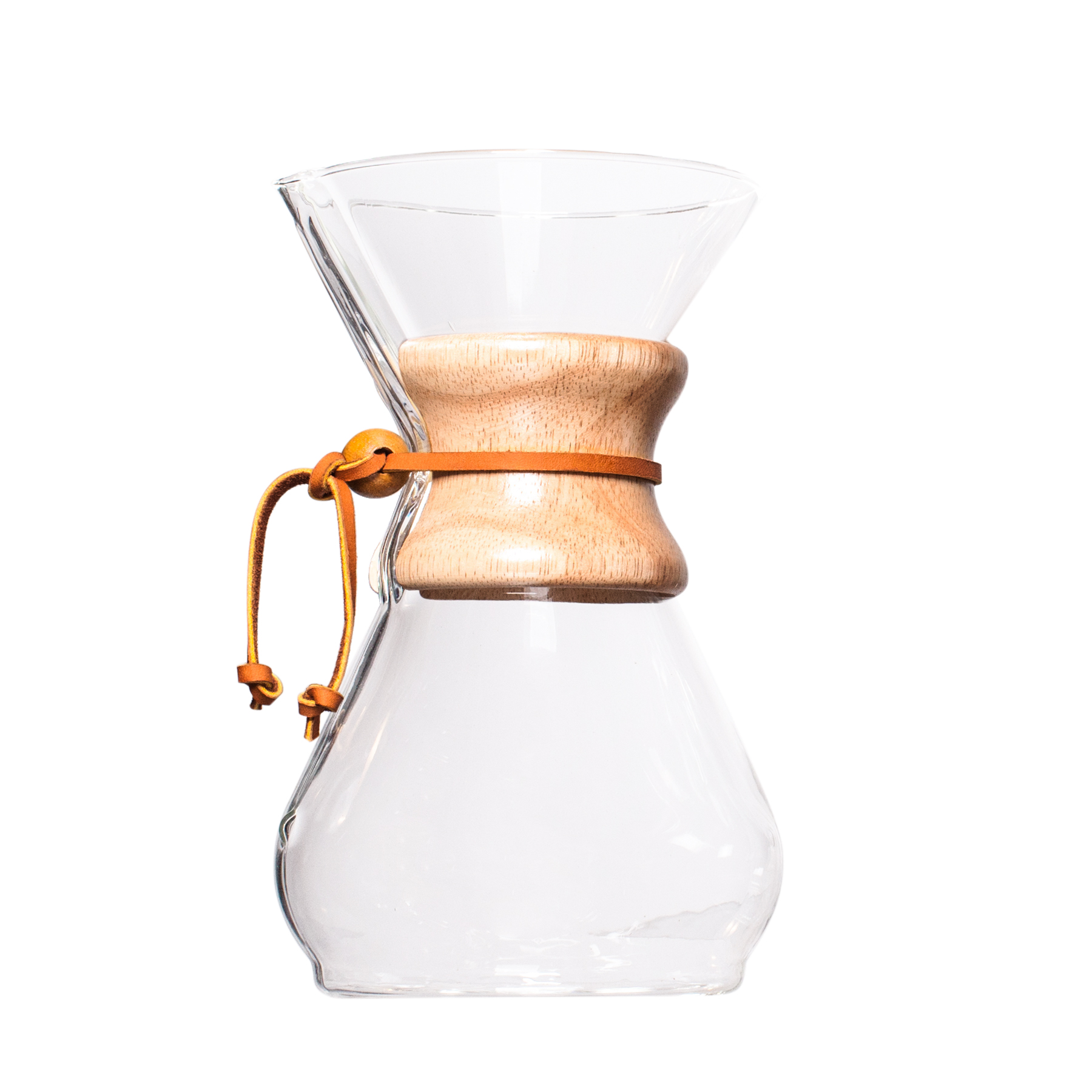
The grind size is the most critical variable in this process. If your brew finishes in under 3:30, the coffee will taste sour and weak because the water passed through too quickly. If it takes longer than 4:30, the coffee will taste bitter and hollow. Adjust your grinder to produce a slightly coarser or finer setting accordingly. The water temperature should also be just off the boil; boiling water can scorch delicate aromatics, while cooler water fails to extract enough sweetness.
Using the Real Coffee Club subscription ensures you have fresh beans that complement this method. Their monthly delivery of single-origin beans provides the variety needed to practice and refine your technique. Whether you choose a bright Ethiopian or a nutty Brazilian, the Chemex will reveal the distinct characteristics of each roast.
The Pour Over Technique
The Chemex is unforgiving. A slight shift in grind size or water temperature can turn a complex brew into flat, watery sludge or bitter, dry dregs. The thick paper filter removes oils and fines, which highlights clarity but also demands precision. If your technique is lazy, the coffee suffers. We need to control four variables: grind consistency, water distribution, bloom timing, and pour speed.
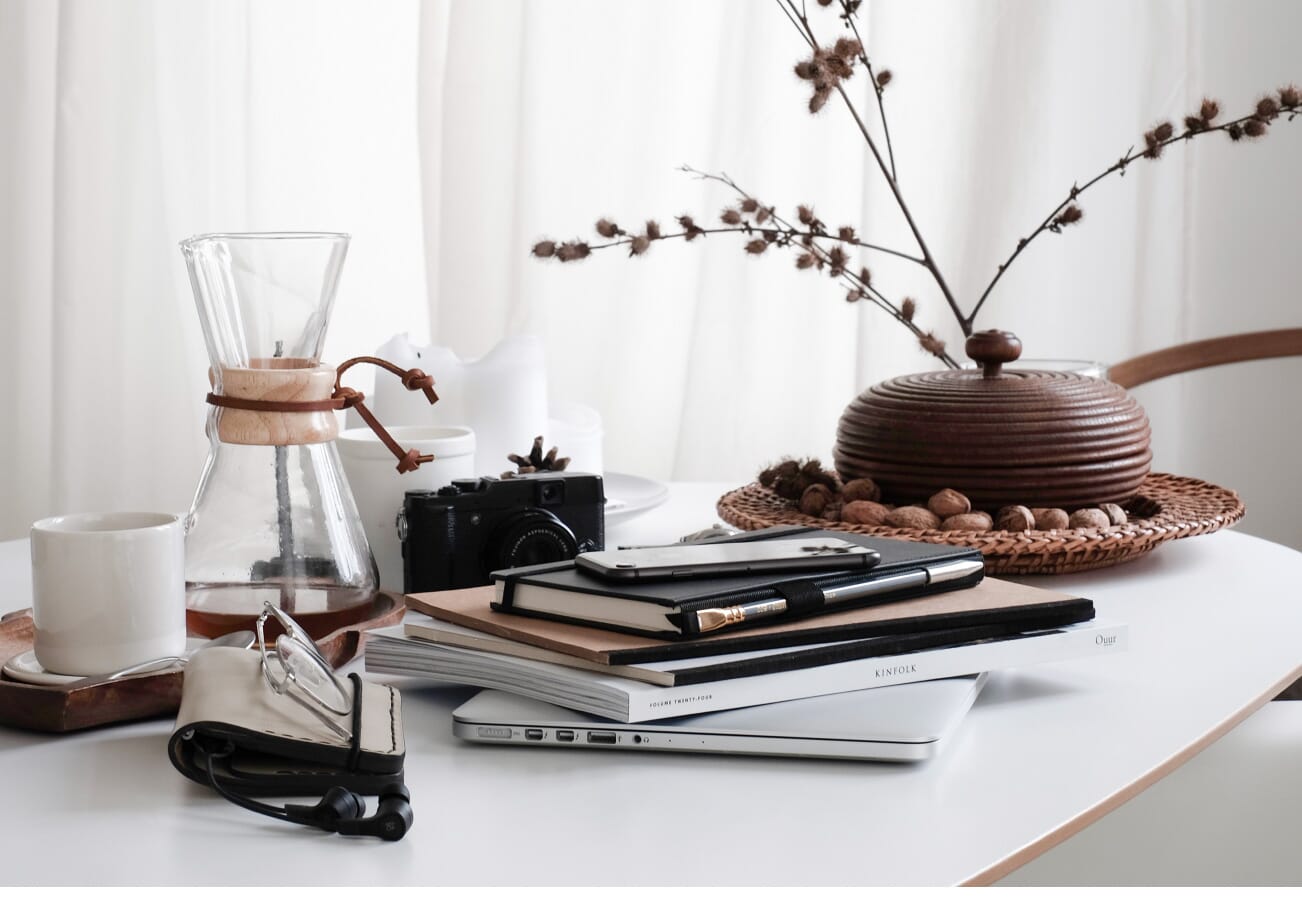
Use a burr grinder set to medium-coarse. This resembles sea salt. If the particles are too fine, the filter clogs, leading to over-extraction and bitterness. If too coarse, water rushes through too fast, leaving the coffee under-extracted and sour. Aim for uniformity; a consistent grind ensures even extraction across all particles.
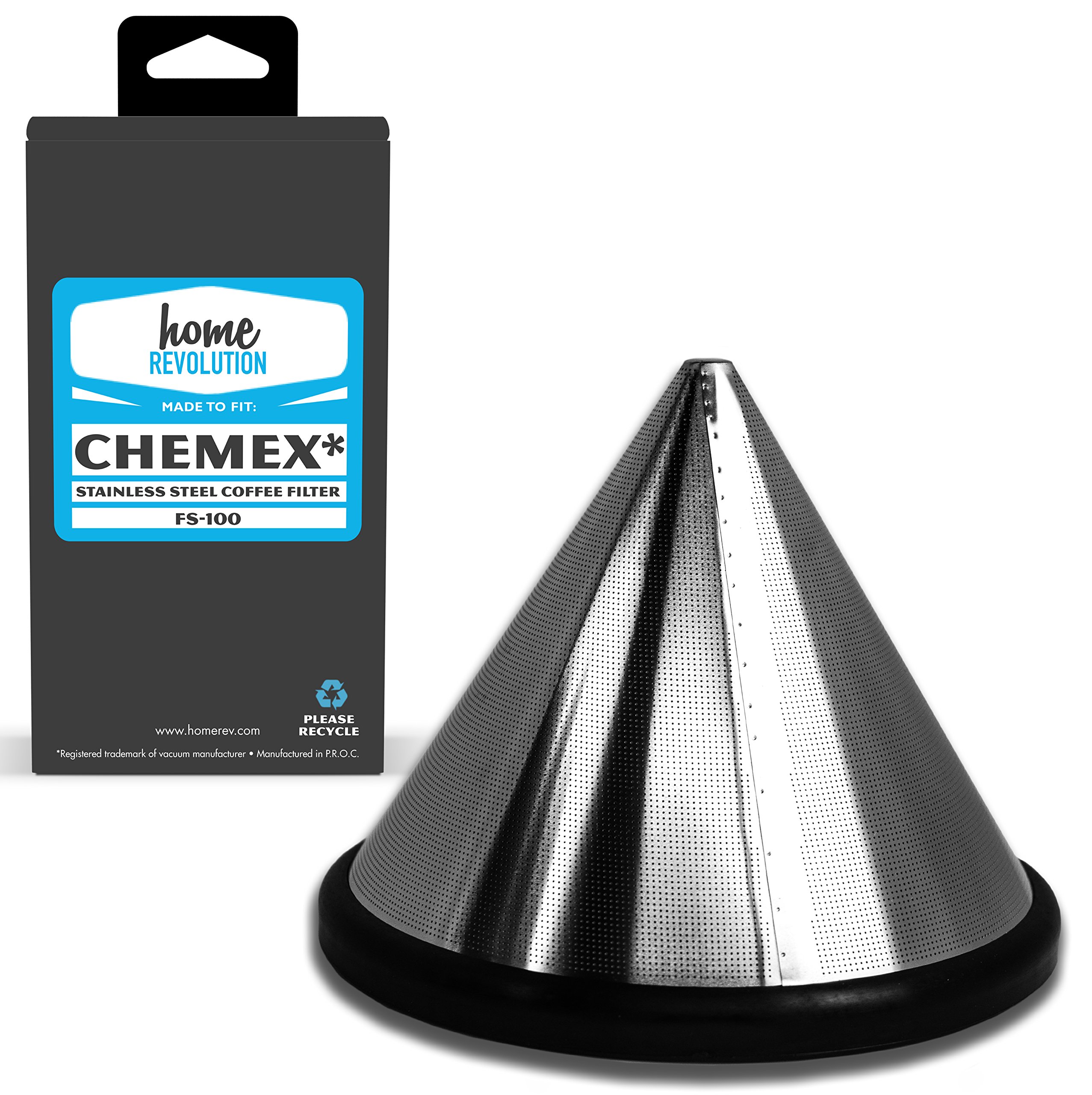
Before adding coffee, pour hot water through the paper filter. This removes the papery taste that lingers in the first sips and preheats the glass carafe. Discard the rinse water from the server. Skipping this step introduces a subtle, distracting flavor that masks the coffee’s natural notes.
Pour just enough water to saturate the grounds—about twice the weight of the coffee. For a 20g dose, use 40g of water. Wait 30 to 45 seconds. You’ll see bubbles rising; this is carbon dioxide escaping. If you skip the bloom, the gas blocks water from reaching the coffee, creating channels and uneven extraction.
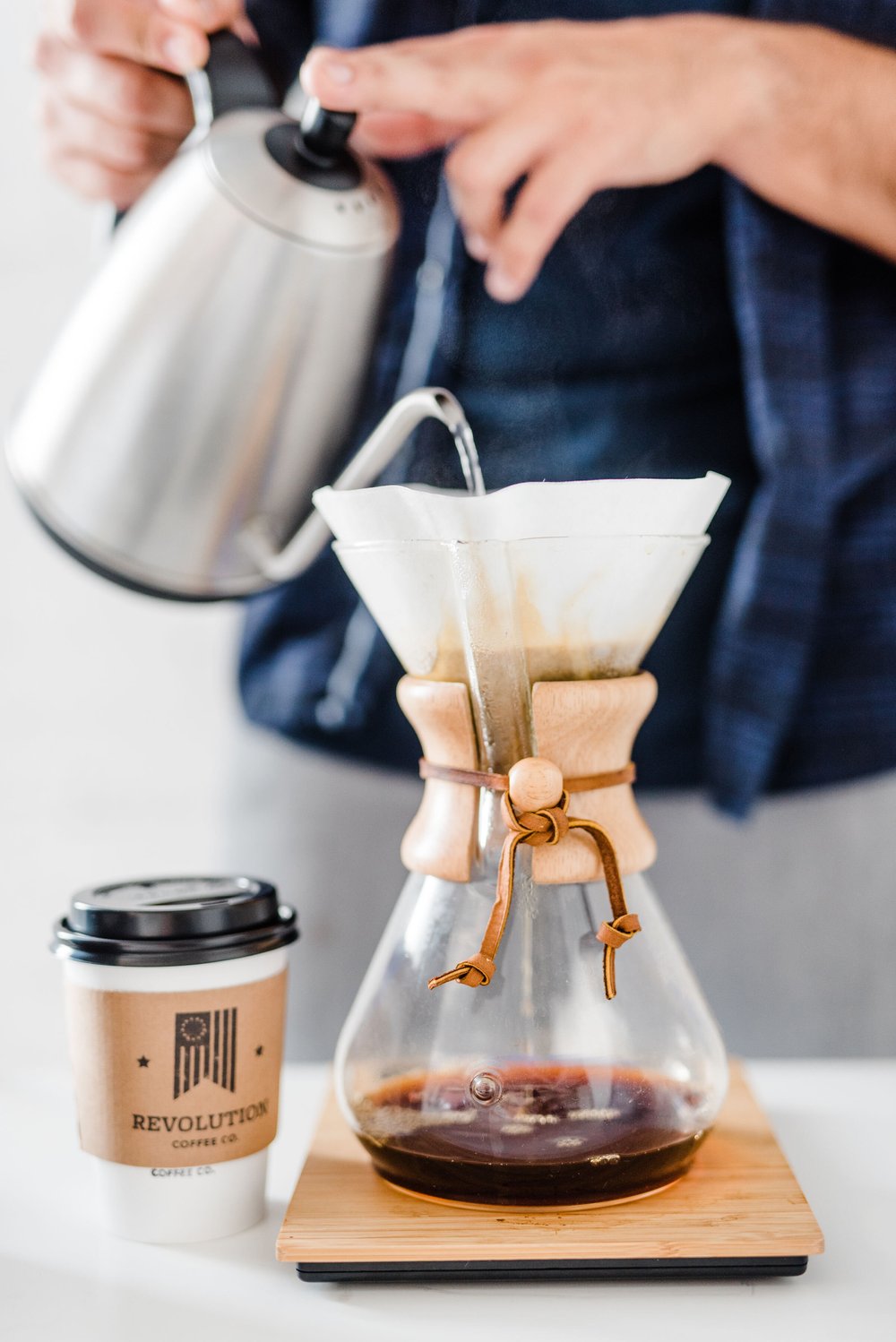
After the bloom, pour the remaining water in slow, steady circles. Start from the center and spiral outward, then back in. Avoid pouring directly on the paper filter, as water will bypass the coffee. Maintain a consistent flow rate. The total brew time should be between 3:30 and 4:30 minutes. Too fast, and the coffee is weak; too slow, and it becomes astringent.
The Chemex rewards patience. A steady hand and a good grinder make the difference between a muddy brew and a crystal-clear cup. Keep your water between 195°F and 205°F, and always weigh your inputs. Visual estimates lead to inconsistency.
Swaps that still work
You don’t always need the exact ingredient listed in a recipe. In the world of pour-over coffee, especially with the Chemex, small swaps can change the texture and flavor profile without ruining the brew. The goal is to maintain the clean, aromatic qualities that define this method while adjusting for what you have on hand.
Below is a practical guide to ingredient substitutions. These swaps focus on maintaining the structural integrity of the brew—water ratio, grind size, and filter type—so you can troubleshoot or adapt without starting over.
| Swap | Original | Effect on Brew | Quick Fix |
|---|---|---|---|
| Water Temp | 200°F (93°C) | Slightly less extraction | Add 10 seconds to bloom |
| Grind Size | Medium-Coarse | Slightly faster flow | Grind finer next time |
| Filter Type | Chemex Thick | Brighter, cleaner cup | Rinse thoroughly to remove paper taste |
| Coffee Origin | Ethiopian | Different acidity | Adjust grind to match body |
Serve and store it
The Chemex is as much about ritual as it is about temperature. Because the thick glass holds heat well, you can brew a full pot and let it rest on the warmer for up to twenty minutes without burning the coffee. After that window, the heat begins to extract bitter compounds that dull the aromatic notes you worked hard to preserve.
For make-ahead convenience, brew a concentrate using half the water, then chill it in the refrigerator for up to three days. When you are ready to drink, dilute the cold brew with hot water or milk to your preferred strength. This method preserves the bright acidity and prevents the flat, stale taste that comes from leaving standard brewed coffee out at room temperature for hours.
If you must store leftover brewed coffee, keep it in an airtight glass container rather than the Chemex carafe. Glass does not retain odors like plastic or ceramic might, ensuring your next cup tastes like coffee, not the previous day’s residue. Reheat gently in a saucepan over low heat; avoid the microwave, which heats unevenly and can scorch the delicate flavors.
Real coffee club: what to check next
We get asked a lot about how to get the most out of your brew and what the local coffee scene is up to. Here are the answers to the most common practical questions we see in the comments.
No comments yet. Be the first to share your thoughts!