

Make the recipe
The Chemex is not just a vessel; it is a timing instrument. Its thick glass and unique bonded paper filters create a distinct brewing profile—clean, bright, and free of the oils that cloud other pour-overs. To get the most out of this method, you need to respect the ratio and control your water flow. A standard 3-cup Chemex requires about 20 grams of coffee and 340 grams of water. This 1:17 ratio provides enough body to stand up to the filter’s absorption while keeping the acidity vibrant.
Start by setting your timer. Place the filter in the Chemex and rinse it thoroughly with hot water. This step removes the papery taste and preheats the glass. Discard the rinse water from the carafe. Add your ground coffee to the filter. It should be medium-coarse, similar to sea salt. If the grind is too fine, the water will pool and over-extract, leading to bitterness. If it is too coarse, the brew will be weak and sour.
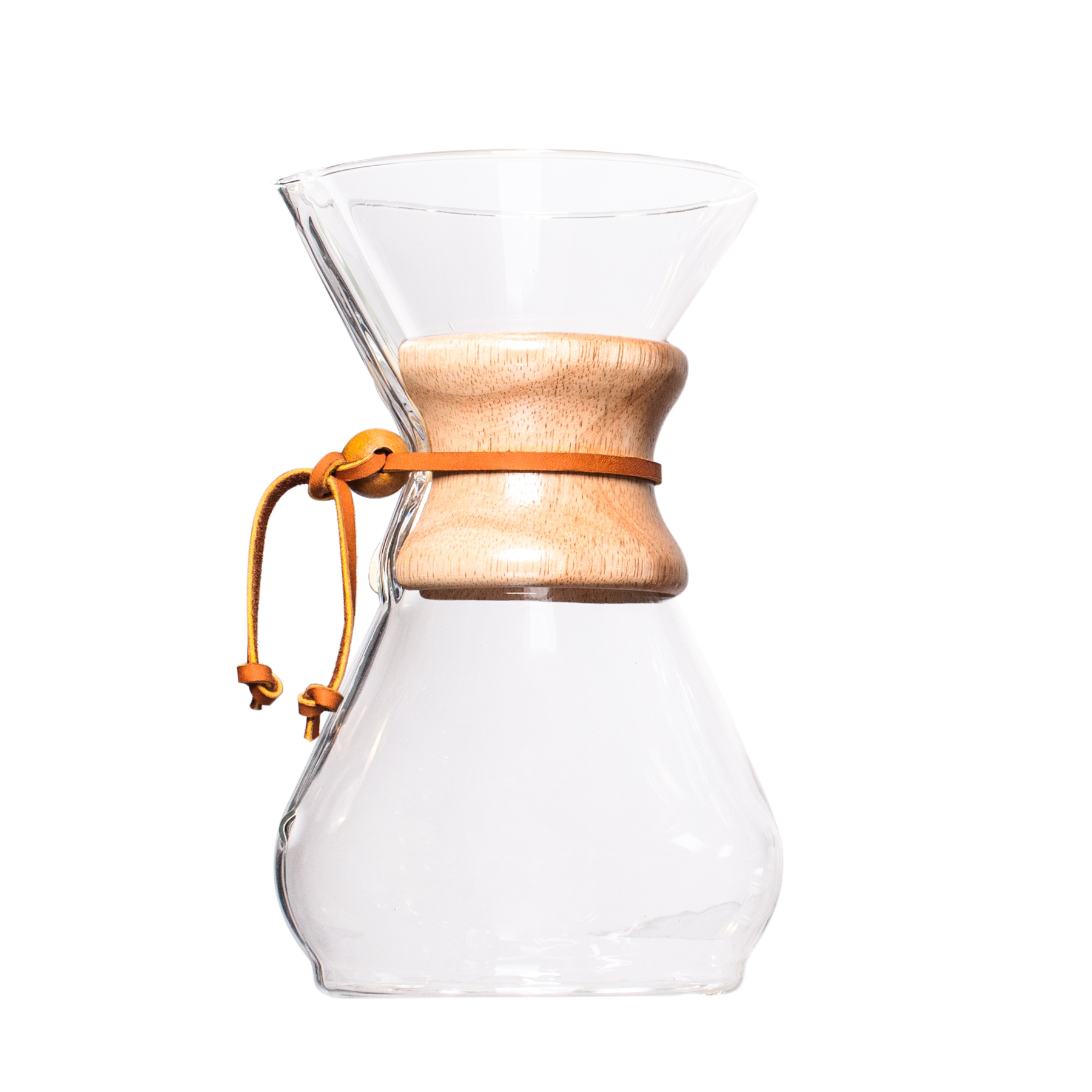
Pouring is where precision matters. Begin with a bloom phase. Add about 40 grams of water—just enough to saturate the grounds. Wait 30 seconds. You will see gases escape; this is carbon dioxide leaving the bean. If you skip this, the gas can block water from reaching the coffee, causing uneven extraction. After the bloom, pour the remaining water in slow, concentric circles. Keep the water level consistent. Do not pour directly onto the filter paper, as this bypasses the coffee bed entirely. Aim for a total brew time of 3.5 to 4 minutes.
Once the water has drained through, remove the filter. Give the carafe a gentle swirl to mix the layers. The result should be a tea-like clarity with distinct flavor notes. Taste it. If it is bitter, your grind was too fine or your water was too hot. If it is sour, try a coarser grind or a slightly higher temperature. The Chemex rewards patience and attention to detail, offering a cup that is both simple and sophisticated.
Keep the texture right
The Chemex’s thick paper filters are a double-edged sword. They deliver a brilliantly clean, tea-like body, but they also restrict water flow. If your technique isn’t precise, you risk a watery, under-extracted brew or a dry, bitter cup. The difference between success and failure lies in how you manage the grind, the pour, and the agitation.
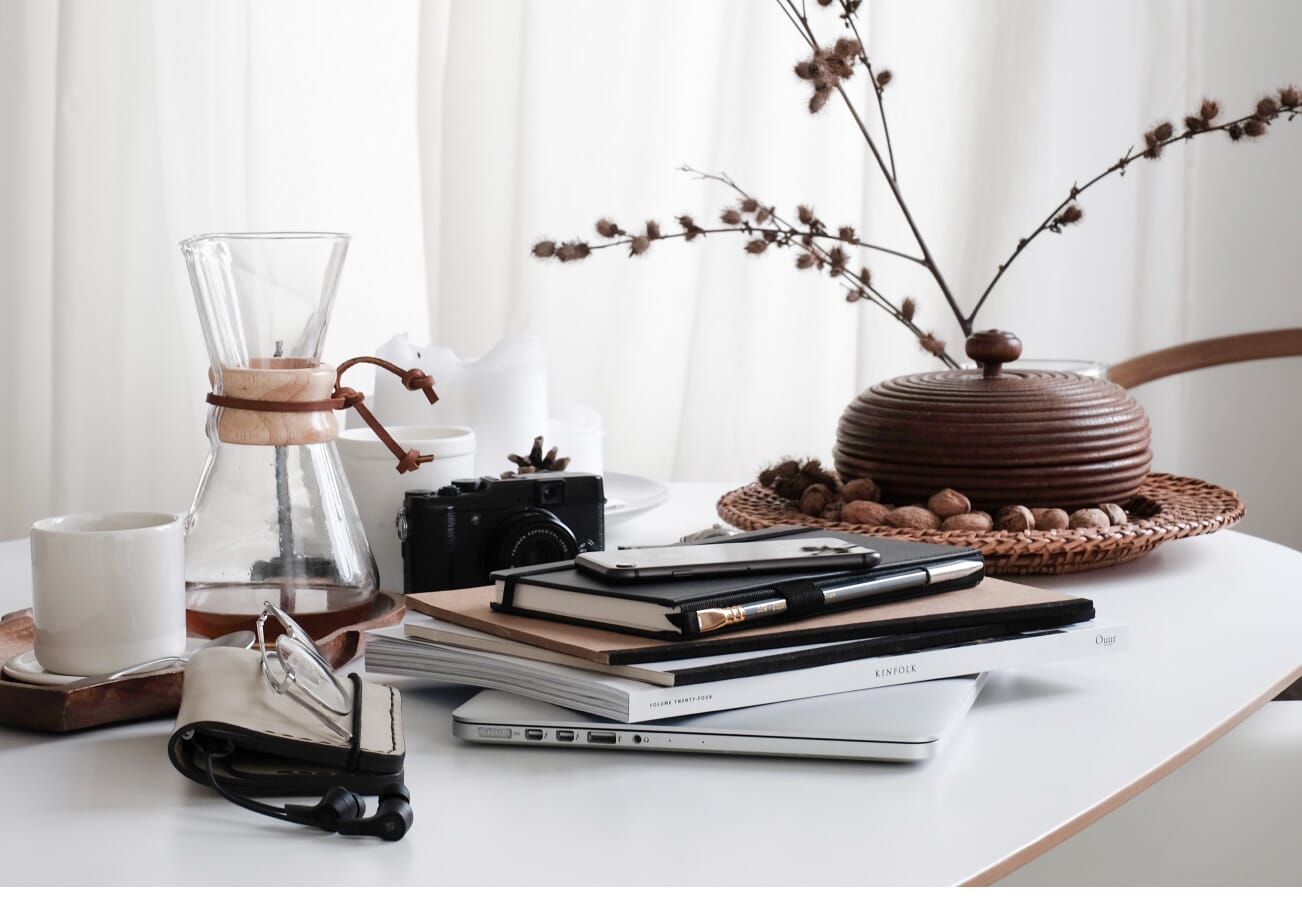
A standard medium grind will clog the Chemex, leading to over-extraction and a muddy flavor. Aim for a medium-coarse texture, similar to sea salt. This coarser setting allows water to pass through the dense filter at a controlled rate, ensuring the coffee extracts evenly without becoming astringent or dry.
Pour just enough hot water (around 200°F) to saturate the grounds. You should see the coffee expand and release gases for 30-45 seconds. This bloom phase is critical for degassing; skipping it traps carbon dioxide, which repels water and creates channeling. Uneven saturation leads to bitter pockets and a flat, bland overall taste.
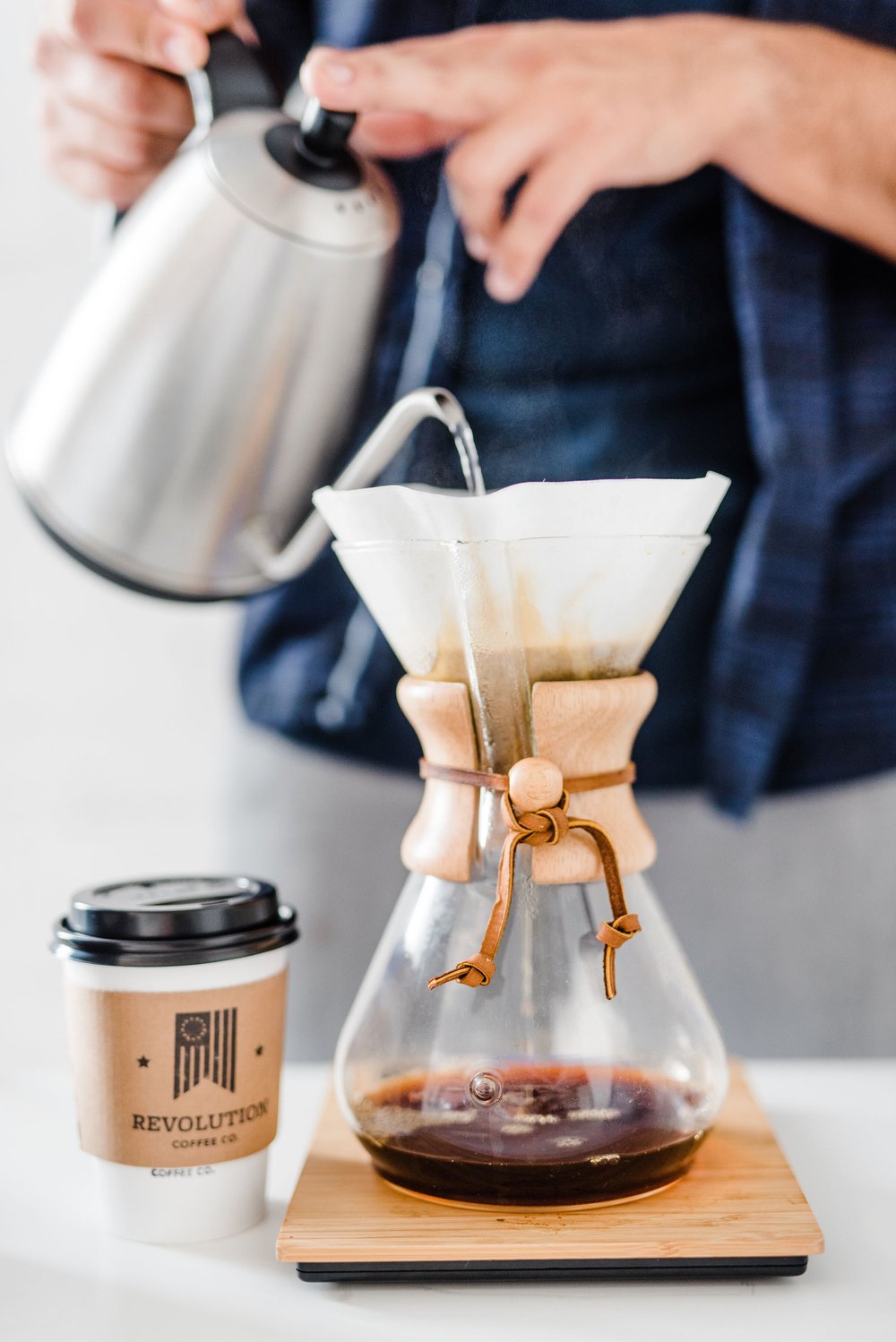
Avoid pouring directly onto the paper filter walls. Water will bypass the coffee entirely, leading to under-extraction. Instead, pour slowly in small, concentric circles starting from the center and moving outward, then back in. This maintains a consistent water level and ensures all grounds are in contact with water for the same duration.
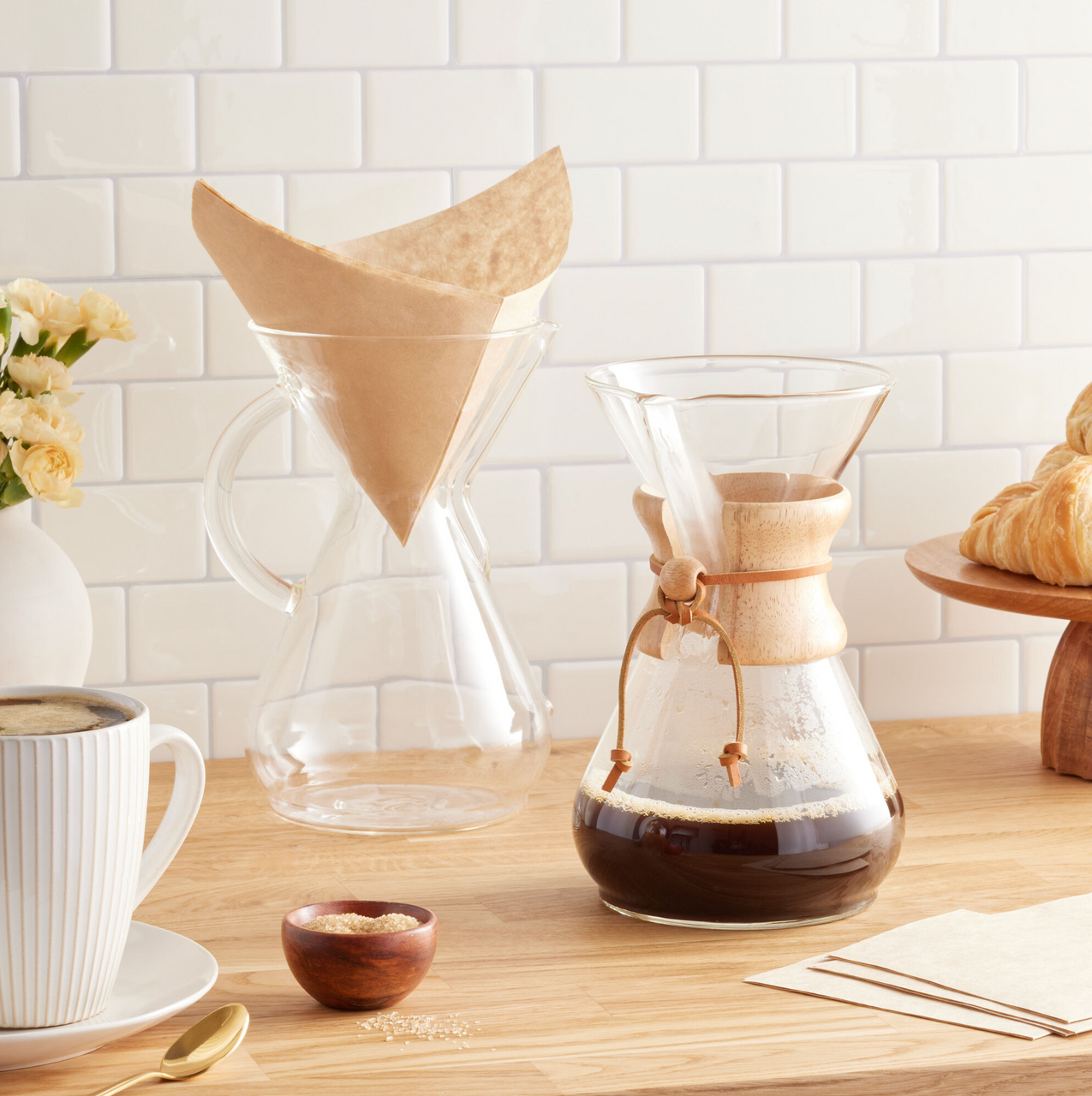
After your final pour, give the Chemex a gentle swirl. This knocks any grounds stuck to the sides back into the brew bed and levels the surface. A flat bed ensures even drainage. Without this step, you might find a mix of strong, bitter coffee at the bottom and weak, watery liquid at the top.
Checklist
- Grind size: Medium-coarse (sea salt texture)
- Water temp: 200°F (93°C)
- Bloom time: 30-45 seconds
- Pour pattern: Concentric circles, avoiding edges
- Final agitation: Gentle swirl to level the bed
Swaps that still work
You don't need to overhaul your entire pantry to change the profile of your Chemex. The right swap can brighten acidity, add body, or adjust sweetness without breaking the brew. Below are substitutions that maintain the clarity and precision your pour-over demands.
| Ingredient | Ratio | Effect | Tradeoff |
|---|---|---|---|
| Coarse Sea Salt | A pinch per 6oz | Enhances perceived sweetness | Can flatten acidity if overused |
| Brown Sugar | 1 tsp per 6oz | Adds caramel depth | May mute floral notes |
| Cold Water | Replace 10% of hot water | Reduces bitterness | Slightly lower extraction yield |
| Milk Powder | 1 tbsp per 6oz | Adds body and creaminess | Can cloud the clarity |
Serve and store it
The Chemex brew is delicate. The glass carafe is designed for immediate pouring, not long-term holding. If you let the coffee sit on the warmer or in the carafe for more than twenty minutes, it turns bitter and flat. Treat the brew like a fresh salad—best eaten right away. If you need to delay serving, use one of the methods below to preserve the flavor.
Keep it warm without burning
To serve a group without sacrificing quality, decant the entire brew into a preheated thermal carafe. Glass keeps the coffee hot but also accelerates staling. A vacuum-insulated flask stops the heat transfer and the oxidation. Pour the coffee immediately after brewing. Do not leave any grounds in the filter; they will continue to extract and make the coffee sour.
Make it ahead
Chemex coffee holds up surprisingly well when chilled. Brew it at double strength and pour it over ice. This "cold brew" style preserves the bright acidity that heat usually mutes. You can also refrigerate the leftover hot coffee in a sealed glass jar for up to 24 hours. The flavors will mute slightly, but the clarity remains. Reheat only what you plan to drink. Microwave reheating often creates hot spots that scorch the remaining liquid.
Reheating tips
If you must reheat leftover coffee, do not boil it. Heat it gently on the stove or in a microwave for 30 seconds at a time. Stir between intervals. Boiling drives off the aromatic compounds that give Chemex coffee its floral notes. If the coffee smells burnt or stale, it is better to brew a fresh batch. The Chemex ritual is about precision, not recycling.
Serving etiquette
Serve the coffee in preheated cups. Cold cups drop the temperature too quickly, dulling the taste. Pour slowly and evenly. Do not shake the carafe. The Chemex filter holds the oils in suspension longer than paper filters from other brands, so the coffee looks cloudy. This is normal. It indicates a full-bodied extraction. Encourage guests to smell the aroma before sipping. The clean glass allows the visual clarity to match the taste.
Real coffee club: what to check next
Readers frequently ask about the broader coffee landscape alongside their brewing techniques. Below are direct answers to common queries regarding industry changes and brewing specifics.
No comments yet. Be the first to share your thoughts!