

Why Real Coffee Club suits the Chemex
Brewing Real Coffee Club beans works best as a clear sequence: define the constraint, compare the realistic options, test the tradeoff, and choose the path with the fewest hidden costs. That order keeps the advice usable instead of decorative.
After each step, pause long enough to check whether the recommendation still fits the reader's actual situation. If it depends on perfect timing, unusual access, or a best-case budget, include a simpler fallback.
The simplest way to use this section is to write down the real constraint first, compare each option against it, and choose the path that still works outside ideal conditions.
The ideal coffee to water ratio
Finding the right balance between coffee and water is the single most important variable in Chemex brewing. For Real Coffee Club beans, which often highlight delicate floral and fruity notes, precision matters. A ratio that is too weak washes out those subtle aromatics, while one that is too strong creates a bitter, heavy cup that masks the bean’s origin character.
1:16 to 1:17 for clarity
The sweet spot for Chemex lies between a 1:16 and 1:17 ratio. This range provides enough water to extract the sugars and acids without pulling out the harsh tannins that the thicker paper filter might otherwise trap. It is a narrow window, but it is where the clarity of the Chemex shines.
To achieve this, you need to measure both components. Weighing your coffee and water is the only reliable way to hit these numbers. If you are brewing 500 grams of water, you need between 31 and 32 grams of coffee. This consistency ensures that every cup tastes like the last, allowing you to truly taste the differences between single-origin selections.
Grind size and bloom technique
Start with the constraint that matters most in real life: space, timing, budget, skill level, maintenance, or availability. That first constraint should shape the rest of the plan instead of appearing as an afterthought.
Keep the first pass simple enough to verify. Compare the main options against the same criteria, remove choices that only work in ideal conditions, and save optional upgrades for later.
Pouring patterns for clarity
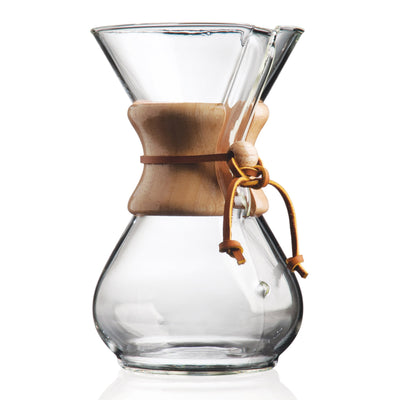
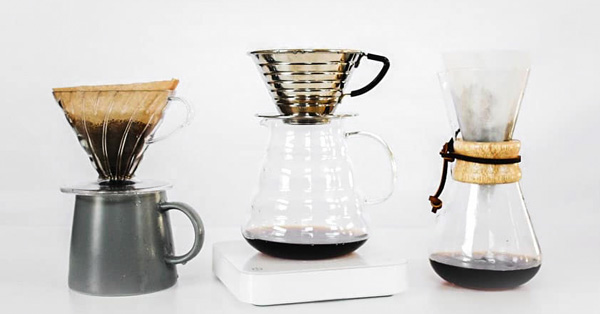
The Chemex is a glass vessel that demands precision. Its thick paper filters remove most oils and sediment, which is exactly why the pouring technique matters more here than in a French press or AeroPress. If you pour unevenly, you create channels—tunnels of water rushing through loose grounds while other parts remain dry. This leads to a cup that is simultaneously bitter and weak. To get the clean, bright profile that these beans are known for, you need to control the water flow with intention.
We recommend a two-stage pour. This method simplifies the mechanics, reduces the chance of splashing, and ensures the bed of grounds stays saturated evenly. Think of the water as a tool to agitate the grounds, not just a liquid to fill the vessel.
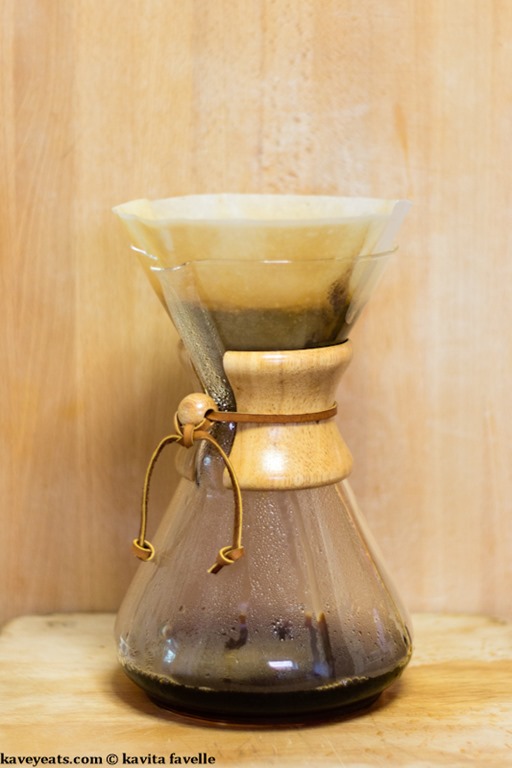
YouTube videos can be helpful for visual learners, but they often omit the specific timing details that matter for this bean profile. Watch a demo to understand the motion, but rely on your timer and scale for the actual brew. The goal is a total brew time between 3:00 and 3:30 minutes. If it drains too fast, your grind is too coarse. If it takes longer, it is too fine. Adjust accordingly for your next cup.
Troubleshooting bitter or sour cups
The easiest mistake is comparing options on the most visible detail while ignoring the day-to-day constraint. A choice can look strong on paper and still fail because it is too hard to maintain, too expensive to repeat, or awkward in the actual setting.
Use the same checklist for every option: fit, cost, durability, timing, upkeep, and fallback plan. That keeps the comparison practical instead of drifting into preference alone.
The simplest way to use this section is to write down the real constraint first, compare each option against it, and choose the path that still works outside ideal conditions.
Your brewing checklist
Before you grind, set the stage for clarity. Use a 1:16 ratio—15 grams of beans to 240 grams of water. This proportion highlights the bean’s natural sweetness while ensuring the Chemex paper filter removes the oils that cause bitterness. Keep your water between 195°F and 205°F (90–96°C); too cool leaves the extraction underdeveloped, while boiling water scalds the delicate aromatics.
As you pour, aim for a steady, circular motion from the center outward. Total brew time should land between 3:30 and 4:00 minutes. If the coffee tastes sour, grind finer or pour slower; if it tastes hollow or bitter, grind coarser or pour faster. A clean, bright cup is the goal, not a heavy body.
No comments yet. Be the first to share your thoughts!