

Why pour over needs specific beans
Use this section to make the Real Coffee Club vs. Atlas and LA Coffee Club decision easier to compare in real life, not just on paper. Start with the reader's actual constraint, then separate must-have requirements from details that are merely nice to have. A practical choice should survive normal use, maintenance, timing, and budget. If a recommendation only works in an ideal situation, call that out plainly and give the reader a fallback path.
The simplest way to use this section is to write down the must-have criteria first, then compare each option against those criteria before weighing nice-to-have features.
Is Real Coffee Club Right for Pour Over
Real Coffee Club positions itself as a comprehensive resource for brewing, explicitly covering methods from pour over to Chemex. The subscription model is built around award-winning blends, with delivery options ranging from 250g to 1kg per month. While the service is headquartered in Australia with free freight across the country, the specific bean profiles and roast levels determine how well they suit the pour over method.
The core appeal for pour over enthusiasts lies in the freshness and blend variety. Subscribers receive whole beans that are roasted to highlight specific tasting notes, which is critical for the clarity and body you get from a pour over. By choosing blends over single-origin beans, you get a consistent flavor profile that balances acidity and sweetness, reducing the risk of a sour or flat cup.
For those outside Australia, availability may be limited or subject to international shipping costs. However, for domestic subscribers, the convenience of regular deliveries paired with high-quality, fresh beans makes it a strong contender. The key is matching the blend's roast profile to your preferred brewing technique to ensure optimal extraction.


As an Amazon Associate, we may earn from qualifying purchases.
Atlas Coffee Club for single-origin exploration
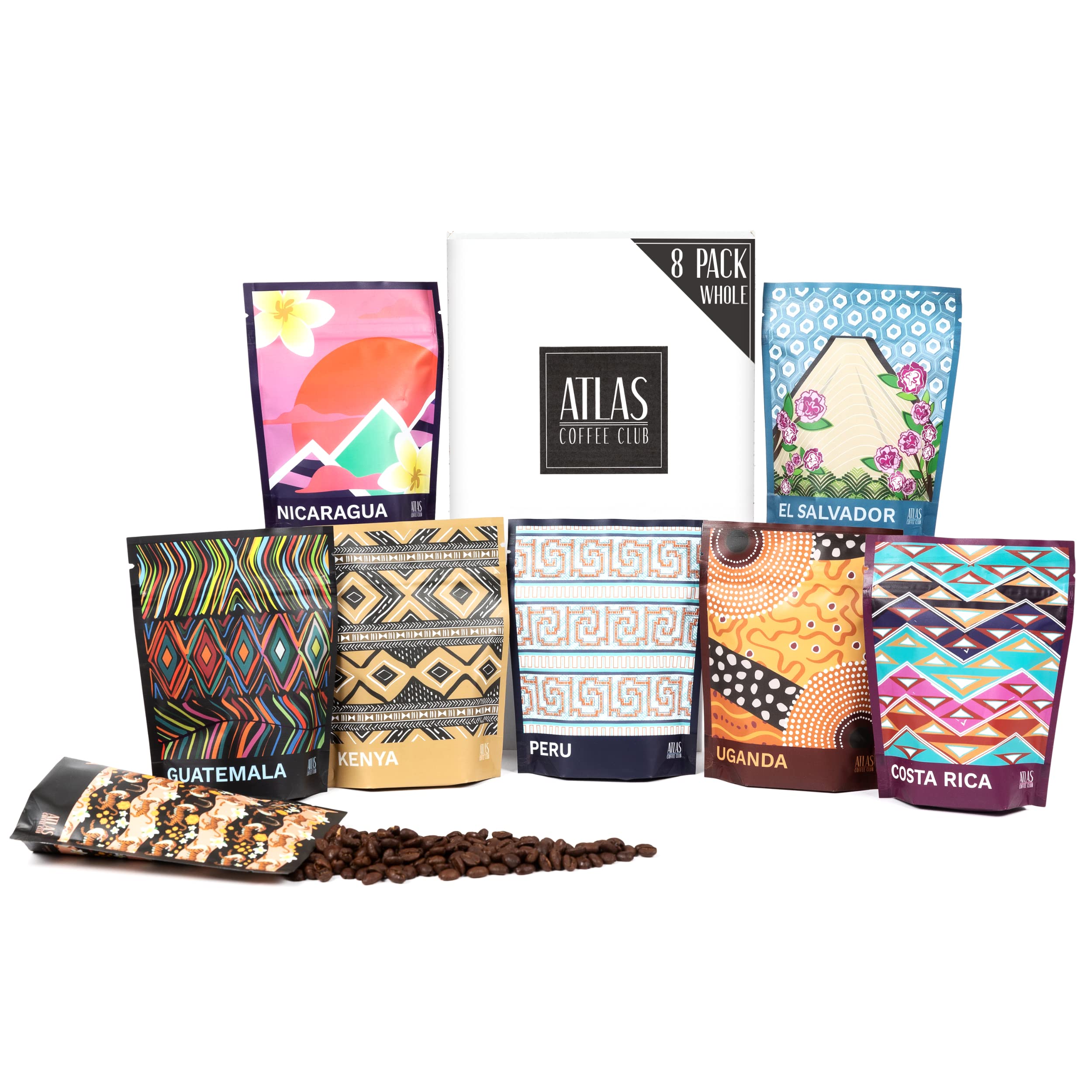
Atlas Coffee Club functions as a passport for your coffee drawer, delivering a single-origin bag from a different country every month. This structure is ideal for pour over experimentation because each origin dictates a different grind size, water temperature, and pour rate. Instead of tweaking one bean repeatedly, you train your palate to recognize how soil and altitude change the flavor profile of a simple brew.
The subscription offers over 50 countries to choose from, allowing you to skip regions you dislike and focus on profiles that match your taste. Atlas Roasting Co. handles the roasting in-house, ensuring that the beans remain fresh enough to highlight the distinct floral or fruity notes common in African and Latin American origins. This global rotation provides a broader education in coffee than a standard monthly delivery.
When comparing Atlas to Real Coffee Club, the main difference lies in the guidance provided. Atlas sends the bean with a general country profile, leaving the brewing technique largely up to the reader. Real Coffee Club often includes more specific ratio recommendations tailored to the specific roast level. If you prefer to learn through trial and error with diverse origins, Atlas is the stronger choice.
| Feature | Atlas Coffee Club | Real Coffee Club |
|---|---|---|
| Origin Variety | 50+ countries | Curated single-origins |
| Brew Guidance | General country profile | Specific ratio recommendations |
| Roasting | In-house Atlas Roasting Co. | Partner roasters |
| Best For | Global exploration | Consistent home brewing |
LA Coffee Club: Local Roaster Focus
LA Coffee Club takes a different approach than Real Coffee Club by partnering with over 60 local Los Angeles roasters. Instead of sourcing from a single large facility, they curate a rotating roster of independent shops. This model means the beans are often roasted closer to your kitchen, preserving the delicate aromatics that pour over methods highlight.
For pour over enthusiasts, this local focus offers a distinct advantage. You get access to small-batch, single-origin beans that might not be available in mass-market subscriptions. These coffees often feature nuanced flavor profiles—like bright citrus or floral notes—that can get flattened in larger commercial blends. The variety allows you to explore the local coffee scene without leaving your home.
This subscription works best if you enjoy discovering new roasters. Each month, you might receive a washed Ethiopian from one shop and a natural processed Brazilian from another. It is less about consistency and more about exploration. If you prefer the steady, reliable profile of Real Coffee Club, this variety might feel chaotic. But for those who want to taste the diversity of Los Angeles, it is a compelling option.
Choosing the right club for your brew
Picking a subscription comes down to one question: do you want a consistent routine or a monthly surprise? Real Coffee Club structures its shipments around educational consistency. You receive their award-winning blends designed to teach specific brewing techniques, making it the steady anchor for a daily pour-over ritual. It is the coffee equivalent of a reliable work uniform.
Atlas Coffee Club takes the opposite approach. They ship single-origin beans from over 50 different countries. Each month is a geographic expedition, introducing you to entirely new flavor profiles and processing methods. If you treat your morning coffee as an adventure rather than a routine, Atlas provides the map.
LA Coffee Club offers a third path focused on local discovery. Instead of global travel, you explore Los Angeles. You receive fresh beans from a different LA roaster every week, supporting the local scene while trying diverse styles from the same city. It is the best choice if you want to support regional roasters without leaving your kitchen.
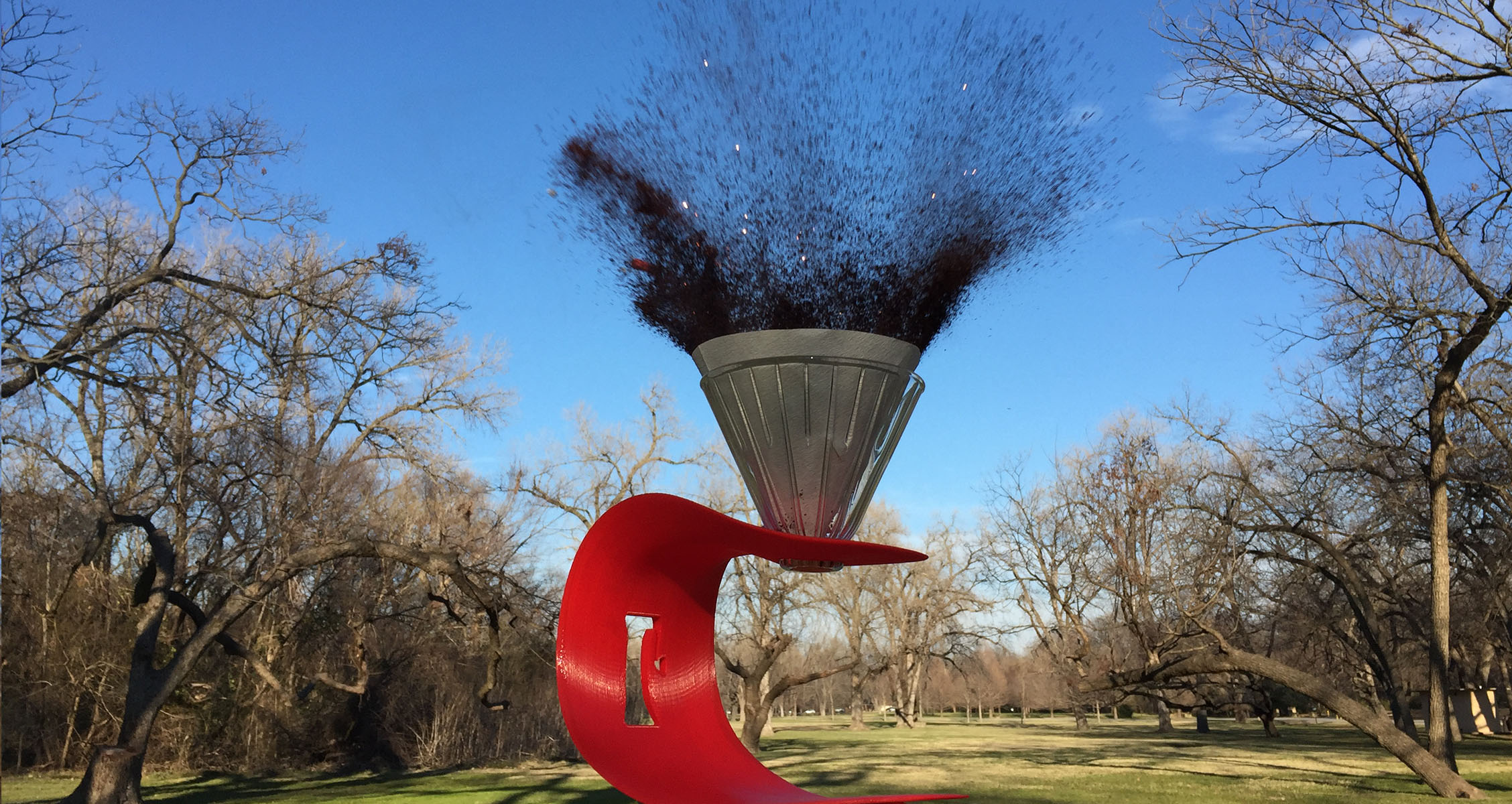
Decide if you value educational consistency (Real Coffee Club), global variety (Atlas), or local LA roaster discovery (LA Coffee Club). This choice dictates your entire subscription experience.
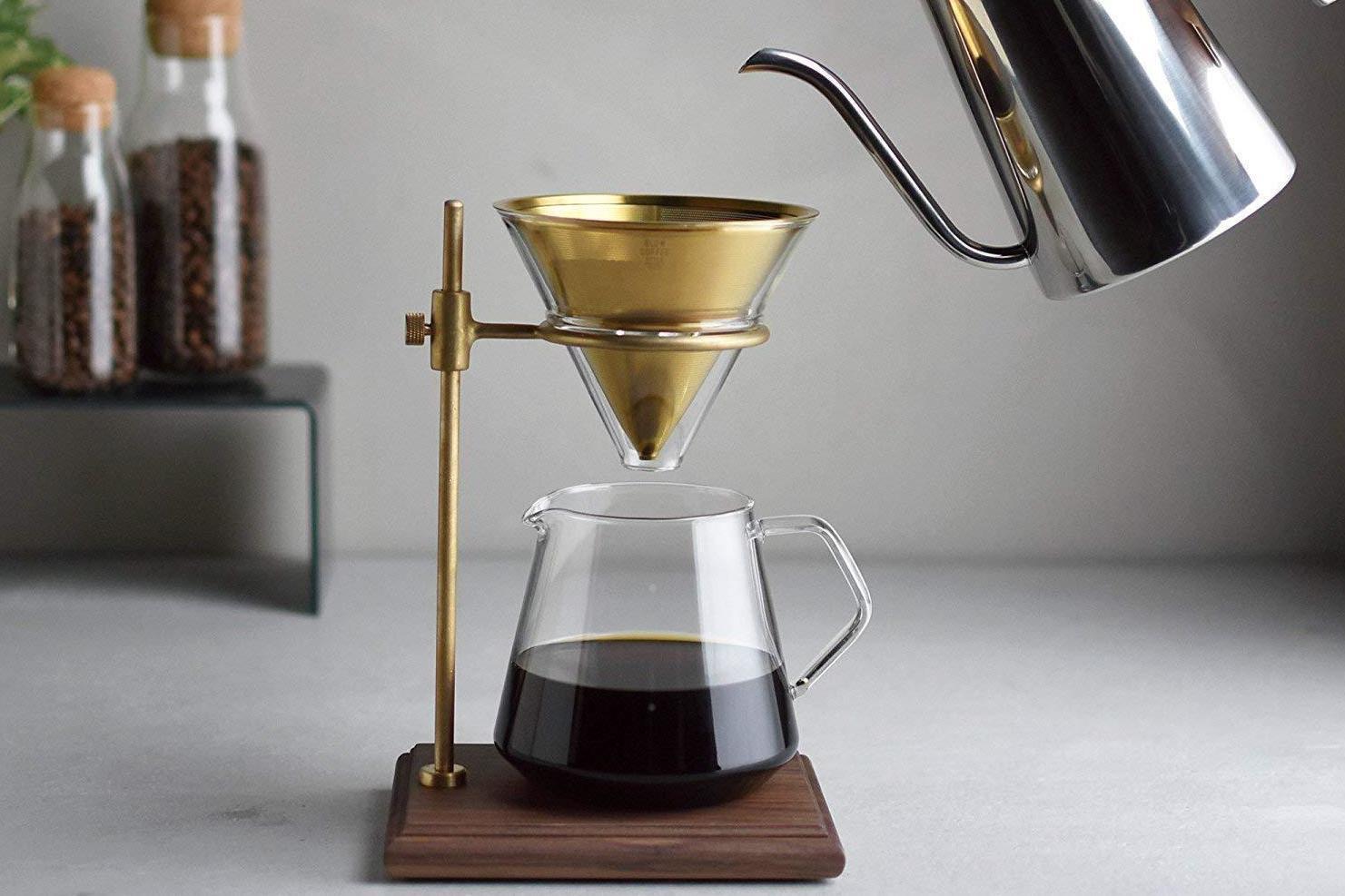
Freshness matters for pour-over clarity. LA Coffee Club emphasizes weekly freshness from local roasters, while Atlas and Real Coffee Club ensure quality control through centralized roasting and shipping standards.
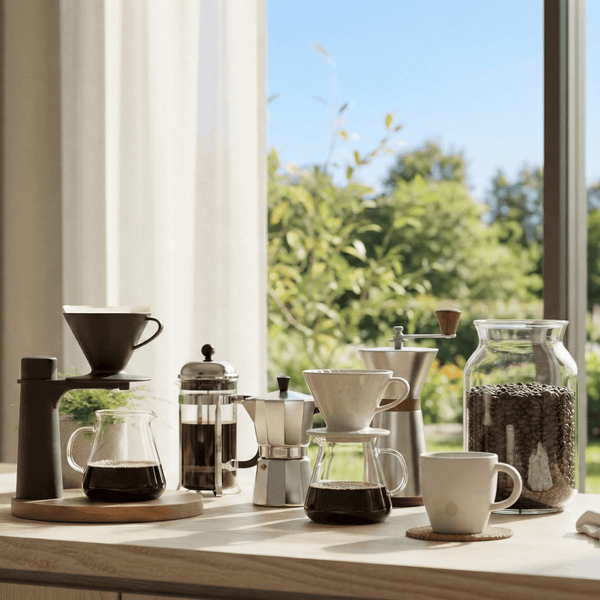
Atlas often offers introductory discounts for the first bag. Real Coffee Club provides flexible weight options (250g to 1kg). LA Coffee Club typically charges a premium for the curation of local specialty roasters.
Common pour over ratio: what to check next
Getting the coffee-to-water ratio right makes or breaks your brew. Whether you use Real Coffee Club beans or another subscription, the grind size and brewer shape change how much coffee you need.
What is the best ratio for Chemex?
Chemex brewers are large and thick-glassed, requiring a coarser grind to prevent over-extraction. The standard ratio is 1:15 or 1:16. For a 600ml Chemex, use 37–40 grams of coffee. This ensures a clean, tea-like body that highlights the bright notes in your subscription beans.
What is the best ratio for Hario V60?
The V60’s spiral ridges and thin paper filter create a faster flow. You need a finer grind and a slightly higher coffee dose. Aim for a 1:16 ratio. For a 300ml cup, use roughly 19 grams of coffee. This concentrates the flavors, making the complex notes of single-origin beans stand out.
Do subscription beans need different ratios?
Not necessarily. The roast profile matters more than the brand. Darker roasts from any club extract faster, so you might bump your ratio to 1:17. Lighter roasts need more contact time, so stick to 1:15 or 1:16. Start with the recommended dose for your brewer, then adjust based on taste.
No comments yet. Be the first to share your thoughts!