

Real coffee club budget
Buying beans is the easiest part of pour-over. Finding a bag that actually tastes like the description takes a bit more patience and a realistic budget. Most specialty roasters charge between $18 and $24 for a 12-ounce bag. You can find decent options for less, but you’re usually trading freshness or origin transparency for the lower price.
The Coffee Club (realcoffeeclub.com) offers a solid entry point for beginners who want guidance without the premium price tag. Their subscription focuses on education and accessible pricing, often starting around $15 per bag. This is a good baseline for learning how different processing methods affect flavor.
For higher-end beans, look for single-origin lots from regions like Ethiopia or Colombia. These often cost $25 or more per bag. The tradeoff is clear: you pay for the specific terroir and careful processing, but you also get a more complex cup. If you’re brewing with a Chemex, these nuanced beans shine because the thicker paper filter highlights their clarity.
Don’t overpay for freshness dates that are too old. Coffee peaks within 3-4 weeks of roasting. If a bag has been sitting on a shelf for months, even a $24 price tag won’t save it. Check the roast date, not just the "best by" date. A fresh $18 bag will always beat a stale $25 bag.
Shortlist real options
Use this section to make the The Perfect Pour-Over decision easier to compare in real life, not just on paper. Start with the reader's actual constraint, then separate must-have requirements from details that are merely nice to have. A practical choice should survive normal use, maintenance, timing, and budget. If a recommendation only works in an ideal situation, call that out plainly and give the reader a fallback path.
| Factor | What to check | Why it matters |
|---|---|---|
| Fit | Match the option to the primary use case. | A good deal still fails if it does not fit the job. |
| Condition | Verify age, wear, and service history. | Hidden condition issues erase upfront savings. |
| Cost | Compare purchase price with likely upkeep. | The cheapest option is not always the lowest-cost option. |
Inspect the expensive parts
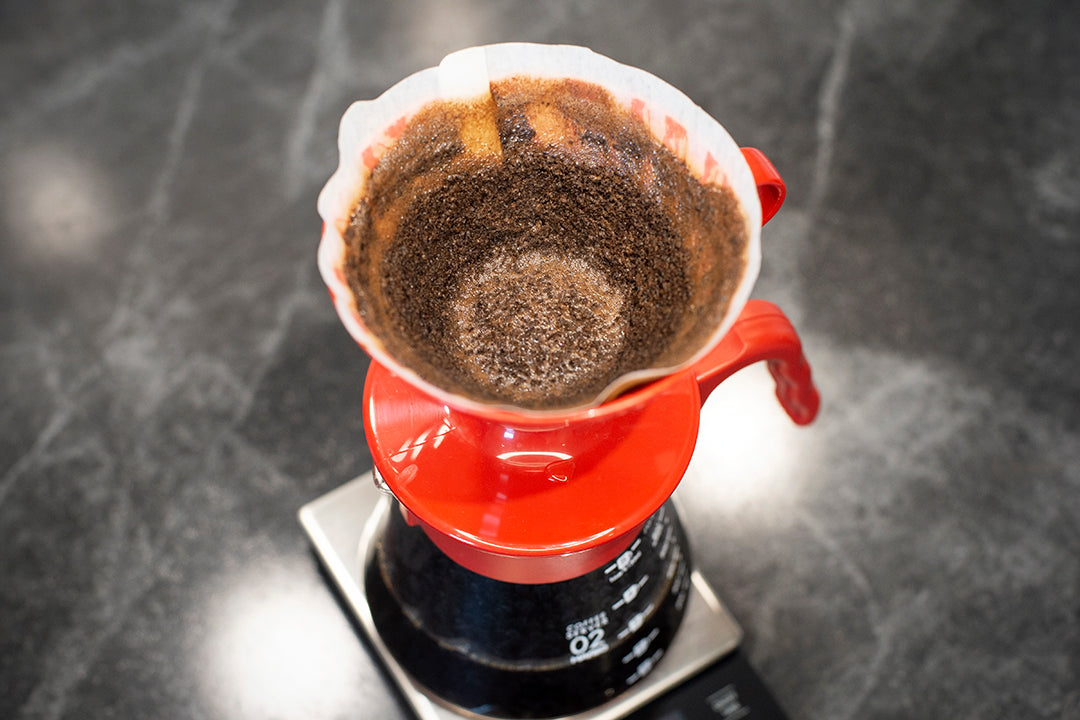
The cheapest point of failure in a pour-over setup is almost always the filter paper, not the coffee. A poor seal or a paper that absorbs too much oil will mute the clarity you are trying to extract from your Chemex or V62. Before you grind a single bean, verify your gear is ready to handle the heat and the flow.
1. Check the filter fit and pre-wetting
A V62 requires a specific cone shape that must sit flush against the glass. If the paper is loose, water will bypass the coffee entirely, resulting in a weak, watery cup. Place the filter in the brewer, then pour hot water through it slowly. This does two things: it heats the vessel and removes the papery taste that can ruin delicate light roasts. Discard the rinse water before adding your grounds.
2. Test the grind consistency
Inconsistent grounds are the primary cause of channeling, where water finds the path of least resistance through your coffee bed. If your grinder produces too many "fines" (dust), they will clog the filter and cause a bitter, over-extracted brew. If the chunks are too large, the water will rush through too quickly, leaving the coffee sour. Aim for a texture similar to sea salt. A uniform grind ensures even extraction, which is the only way to get the bright acidity and clean finish you want.
3. Verify water temperature stability
Coffee extraction is highly sensitive to temperature. Water that is too hot (above 205°F/96°C) will scorch the grounds, releasing harsh tannins and astringency. Water that is too cool (below 195°F/90°C) will under-extract, leaving the cup flat and sour. Use a gooseneck kettle with a built-in thermometer or a separate digital probe to ensure you are hitting the target range for your specific roast level. Light roasts often benefit from the higher end of the spectrum to open up their complex flavors.
4. Inspect the scale accuracy
Precision matters more than you might think. A scale that is off by even a few grams can throw off your entire ratio. Place your empty brewer on the scale, tare it, and then add your coffee. If your scale is not zeroing out or shows fluctuating numbers, your measurements are unreliable. Consistent scaling allows you to replicate your best brews and troubleshoot issues when something goes wrong.
Plan for ownership costs
Use this section to make the The Perfect Pour-Over decision easier to compare in real life, not just on paper. Start with the reader's actual constraint, then separate must-have requirements from details that are merely nice to have. A practical choice should survive normal use, maintenance, timing, and budget. If a recommendation only works in an ideal situation, call that out plainly and give the reader a fallback path.
The simplest way to use this section is to write down the must-have criteria first, then compare each option against those criteria before weighing nice-to-have features.
Real coffee club: what to check next
Before you commit to a brewing routine or subscription, it helps to clear up the confusion surrounding coffee clubs and brewing methods. Readers often mix up service brands or worry about the complexity of pour-over gear. Here are the most common practical objections we hear, answered directly.
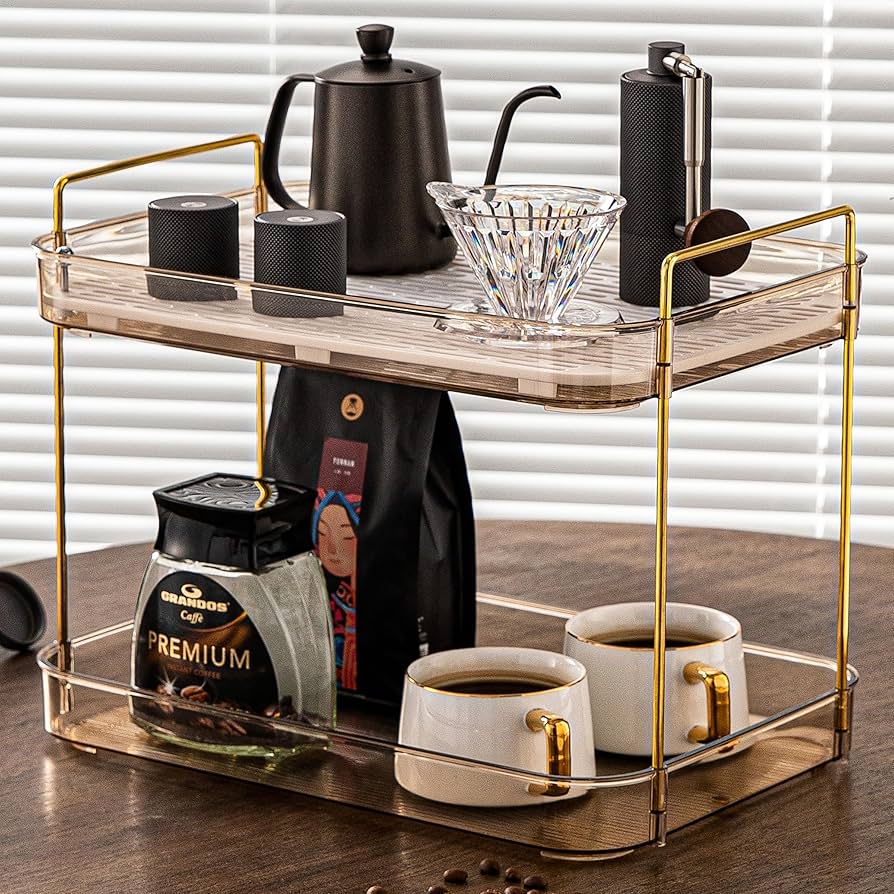
Helpful gear
Use these product recommendations as a starting point, then choose the size, material, and price point that fit how you actually use the gear.


As an Amazon Associate, we may earn from qualifying purchases.
No comments yet. Be the first to share your thoughts!