

Why Real Coffee Club beans need precise ratios
Real Coffee Club delivers fresh, single-origin beans that vary in density, making fixed recipes less effective than ratio-based calculations.
When you subscribe to Real Coffee Club, you aren't just getting coffee; you're getting a specific agricultural product with distinct physical properties. Unlike mass-produced blends that are engineered for consistency, single-origin beans retain their natural varietal characteristics. This includes how tightly the bean is packed and how much surface area is exposed to water during the brew.
A standard "two tablespoons per cup" rule fails here because it assumes every bean is the same size and density. A cup of light roast Ethiopian beans might weigh 15 grams, while the same volume of a dark roast Brazilian bean might weigh only 10 grams. This 50% difference in coffee mass changes the extraction rate entirely, leading to either sour, under-extracted coffee or bitter, over-extracted sludge.
The Specialty Coffee Association (SCA) recommends a standard ratio of 1:16 to 1:18 for most pour-over methods, including the Chemex. However, this is a starting point, not a law. Beans from Real Coffee Club often benefit from slight adjustments based on their roast profile and freshness. By using a precise ratio, you ensure that the aromatic compounds—those floral, fruity, or chocolatey notes you paid for—are fully extracted without pulling out the harsh, astringent tannins.
Understanding this relationship between bean density and water volume is the first step to mastering your brew. It transforms coffee making from a guessing game into a reproducible science, ensuring every cup tastes as intended by the roaster.
Calculate your Chemex brew strength
Getting the ratio right is the difference between a bright, tea-like brew and a heavy, muddy cup. The Chemex is known for its thick filter, which removes oils and sediment, so it requires a slightly coarser grind and precise water volume to extract properly. Using Real Coffee Club beans, which are roasted for clarity and flavor integrity, gives you the best canvas for these adjustments.
Use the calculator below to find the exact grams of coffee and water for your desired cup size. We recommend starting with a 1:16 ratio (one gram of coffee for every 16 grams of water) for a balanced, aromatic brew. If you prefer a stronger, more intense flavor, drop the ratio to 1:15. For a lighter, more floral profile, try 1:17.
These calculations assume you are using whole beans. If you are grinding your beans at home, ensure your grinder is set to a medium-coarse consistency, similar to sea salt. This grind size allows water to flow through the Chemex filter at the correct rate, preventing over-extraction or under-extraction.
For more detailed guidance on grind sizes and brewing parameters, refer to the Specialty Coffee Association (SCA) standards. Their research provides the scientific backbone for why these ratios matter, ensuring every cup meets professional quality benchmarks.
How Grind Size and Pour Speed Shape Your Chemex Brew
The ratio calculator gives you the water-to-coffee ratio, but the grind size and pour technique determine how that water interacts with the beans. In a Chemex, the thick paper filter removes oils and fines, creating a clean cup. If your grind is too fine, the filter clogs, leading to over-extraction and bitterness. If it is too coarse, the water flows through too quickly, resulting in a weak, sour brew. Finding the balance between these variables is essential for unlocking the specific aromatic notes of your coffee.
The Impact of Grind Size
Grind size controls the surface area exposed to water. For a Chemex, a medium-coarse grind is standard. This size allows water to flow steadily through the filter without causing a bottleneck. When using Real Coffee Club single-origin beans, which often have delicate floral or fruity notes, a slightly coarser grind helps preserve those bright aromatics. A finer grind extracts more solids, which can overwhelm subtle flavors and make the cup taste muddy or astringent.
Pour Speed and Extraction
Pour speed works in tandem with grind size. A slower pour extends the contact time between water and coffee, increasing extraction. A faster pour reduces contact time. If you are using a medium grind, a controlled, slow pour ensures even saturation. If you switch to a coarser grind, you can increase the pour speed slightly to maintain the same extraction level. The goal is to achieve a total brew time that matches the grind size, typically between 3:30 and 4:30 minutes for a standard Chemex.
Brewing Profiles
Different beans respond differently to these variables. A bright, fruity single-origin benefits from a medium-coarse grind and a 1:16 ratio to highlight acidity. A balanced, chocolatey blend pairs well with a medium grind and a 1:15 ratio for a fuller body. Use the comparison below to adjust your technique based on the coffee you are brewing.
| Profile | Ratio | Grind Size | Pour Speed | Result |
|---|---|---|---|---|
| Bright Single-Origin | 1:16 | Medium-Coarse | Slow, Controlled | Clean, Fruity, High Acidity |
| Balanced Blend | 1:15 | Medium | Moderate | Fuller Body, Chocolatey, Smooth |
| Dark Roast | 1:14 | Medium-Fine | Fast, Pulse | Bold, Low Acidity, Heavy |
Fix Bitter or Sour Chemex Coffee
Taste is the final metric for your beans. If your brew tastes sour, the water likely passed through the grounds too quickly to extract enough sweetness. If it tastes bitter, the water stayed in contact too long, pulling out harsh compounds. Use the Chemex Ratio Calculator above to set your baseline, then adjust your grind and technique to match the flavor profile you want.
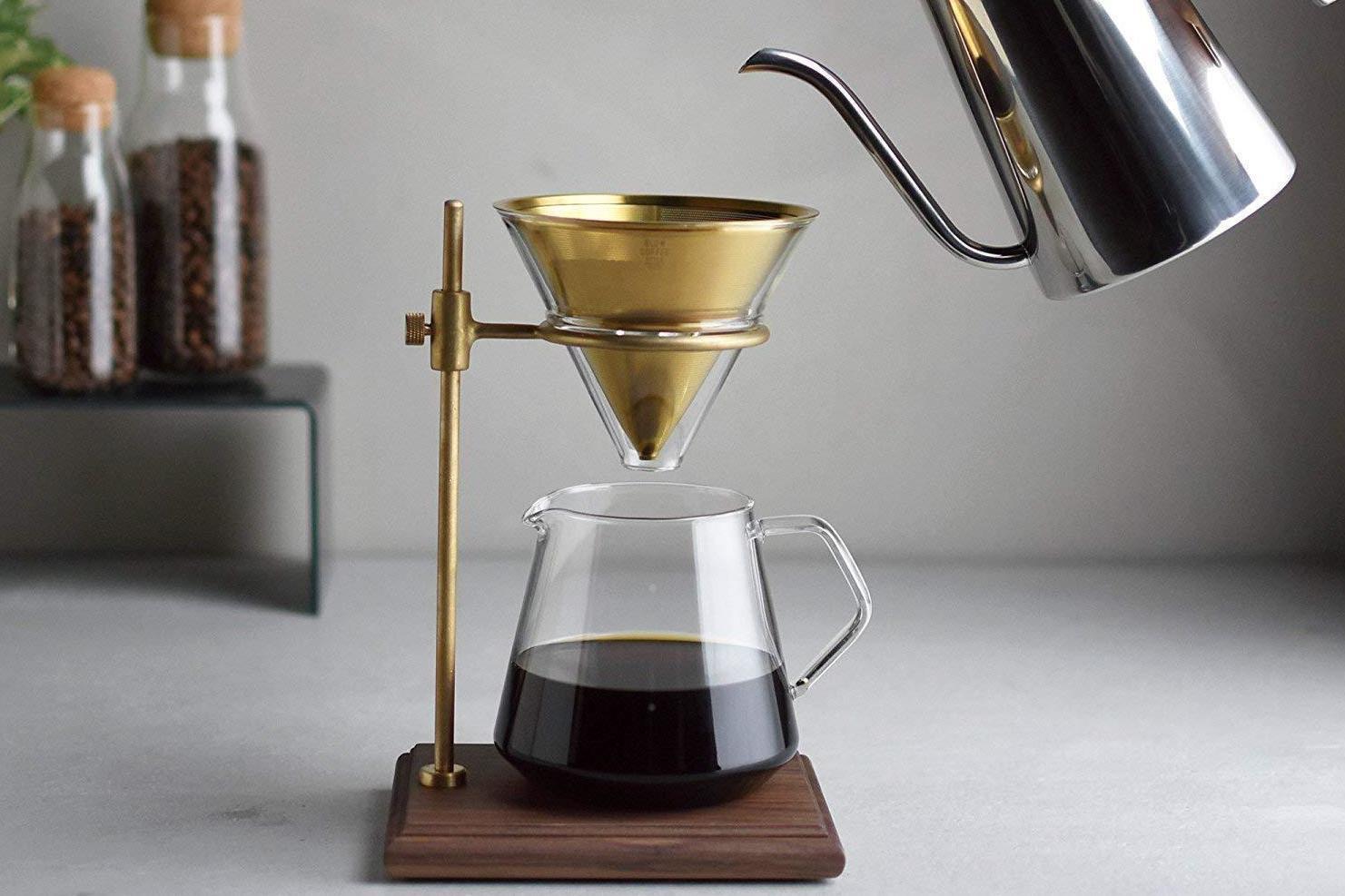
Sourness signals under-extraction. The water is moving through the coffee bed too fast, leaving behind the sugars and leaving only acidic notes. This often happens if the grind is too coarse for a Chemex, which already requires a slower pour-over flow. Check your grind size first; it should resemble sea salt, not sand. If your grind is correct, the issue may be water temperature. Ensure your water is between 195°F and 205°F (90°C–96°C) to maximize extraction potential for your Real Coffee Club beans.
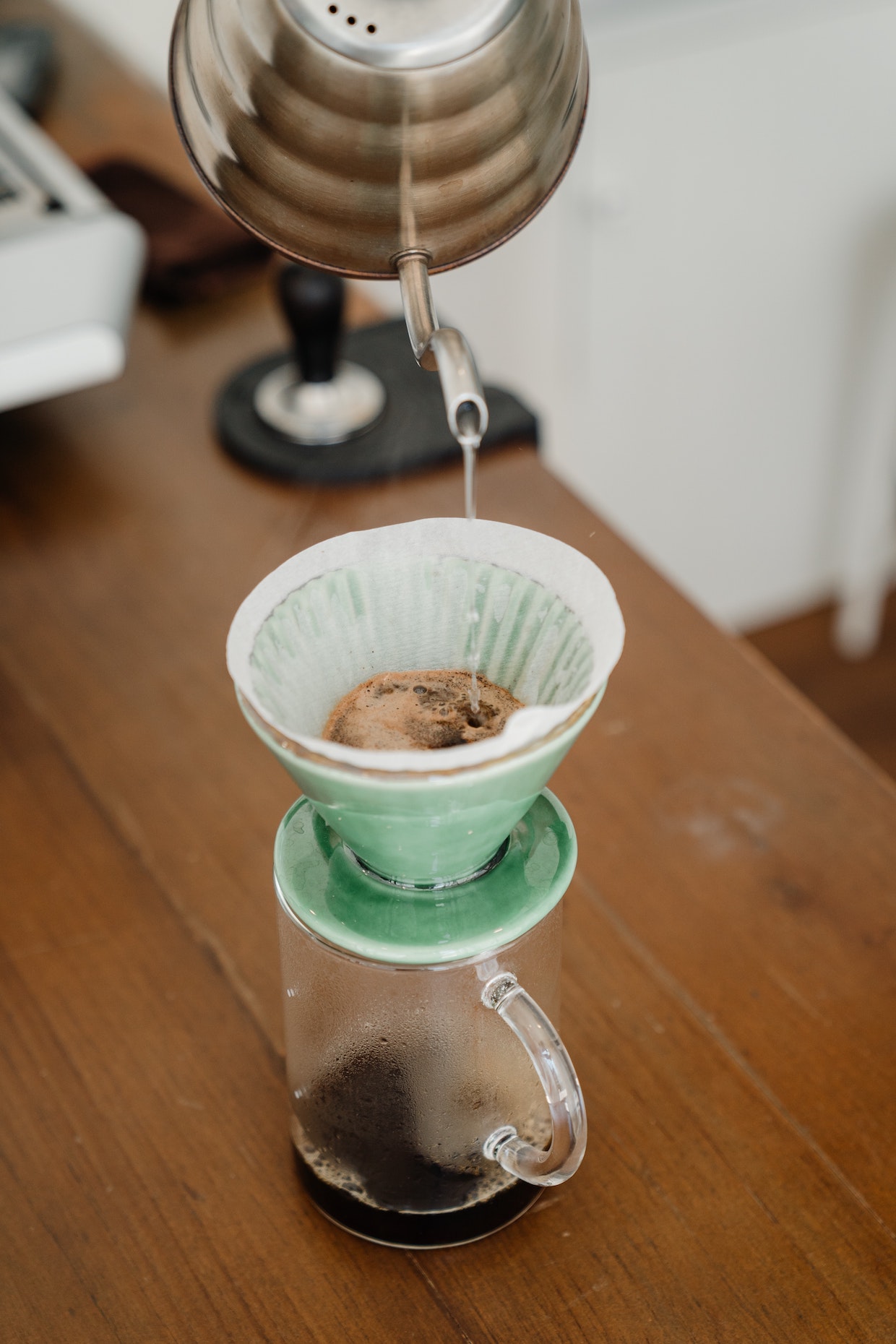
Bitterness indicates over-extraction. The water has lingered too long, dissolving tannins and harsh alkaloids. This is common if the grind is too fine, clogging the Chemex filter, or if you agitate the bed too vigorously. To fix this, coarsen your grind slightly to allow water to flow freely. Reduce the agitation during your pour, and ensure you aren't letting the water drip through the filter for more than 4 minutes total. A clean, fast pour preserves the bright, clean notes of specialty coffee.
Even with perfect technique, the wrong ratio or poor water can ruin your cup. The Specialty Coffee Association recommends a ratio between 1:15 and 1:17 for pour-over methods. Use the calculator to lock in your numbers before you start. Additionally, coffee is 98% water; if your tap water tastes like chlorine or minerals, your coffee will too. Use filtered water to let the nuanced flavors of your Real Coffee Club beans shine through without interference.
Frequently asked questions about Chemex ratios
Understanding the chemistry of your brew helps you dial in the perfect extraction every time. Here are answers to common questions about brewing ratios and coffee club memberships.
Using the correct ratio is the first step to a better cup. Adjust the grind size and water temperature to fine-tune the flavor to your liking.
No comments yet. Be the first to share your thoughts!