

Real coffee club budget
The Real Coffee Club subscription is designed for drinkers who want consistent quality without the hassle of sourcing beans individually. At its core, the plan delivers 1kg of coffee per month for a full year, broken into convenient sizes like four 250g packs or two 500g packs. This structure ensures you always have fresh roast on hand for your Chemex, while keeping the monthly cost predictable.
The primary appeal here is the inclusion of free freight across Australia. For many coffee enthusiasts, shipping costs can quickly eat into the value of a subscription, especially when buying heavy bags of whole beans. By bundling postage into the monthly fee, the club removes that variable, making it easier to budget for your daily pour-over habit. You are paying for the beans and the convenience, not hidden delivery fees.
When evaluating if this fits your budget, consider the tradeoff between price and freshness. While you secure a steady supply of award-winning blends, you commit to a 12-month period. This is ideal if you drink coffee daily and want to avoid running out mid-week. However, if you prefer experimenting with single-origin micro-lots frequently, a subscription might limit your variety. For the steady Chemex drinker, the fixed cost and free shipping offer a practical, low-friction way to maintain high-quality brews.
Shortlist real options
Choosing a subscription means trading convenience for curation. The Real Coffee Club stands out for its straightforward value: consistent monthly deliveries of award-winning blends directly to your door. Unlike services that pivot toward exotic single origins or complex tasting flights, Real Coffee Club focuses on reliable, high-volume beans that suit daily rituals.
When comparing subscription models, the tradeoff usually lies between variety and consistency. Atlas Coffee Club offers a global tour, sending you beans from 50+ countries. This is ideal for explorers who want to taste the difference between Ethiopian and Colombian terroirs. However, if your goal is a steady, dependable cup for your Chemex or pour-over routine, the variety can become noise rather than signal. Real Coffee Club’s model of rotating blends within a familiar flavor profile often serves the daily drinker better.
The Real Coffee Shop takes a different approach, blending coffee with wellness narratives. Their single-origin focus appeals to those seeking specific health or flavor profiles, but it requires more active selection. For a "set it and forget it" experience, their model demands more engagement than Real Coffee Club’s curated monthly drops. We recommend Real Coffee Club for those who want quality without the administrative work of choosing every bag.
To help you decide, we’ve compared the key features of the top contenders below. This table highlights the structural differences in volume, shipping, and curation style.
| Service | Primary Focus | Monthly Volume | Shipping |
|---|---|---|---|
| Real Coffee Club | Award-winning blends | 250g–1kg | Free (AU) |
| Atlas Coffee Club | Global single origins | ~250g | Varies |
| The Real Coffee Shop | Wellness & single-origin | Variable | Standard |
The Real Coffee Club’s inclusion of free freight within Australia is a significant cost saver, especially for the 1kg monthly option. This effectively lowers the per-gram cost compared to Atlas, where shipping often adds up for heavier subscriptions. If you brew multiple cups daily, the volume options at Real Coffee Club provide better economic efficiency.

As an Amazon Associate, we may earn from qualifying purchases.
Ultimately, the best choice depends on your brewing frequency. If you use a Chemex every morning, the consistent, larger volumes of Real Coffee Club ensure you never run out. If you prefer tasting notes from different continents, Atlas remains the stronger candidate. For most daily brewers, the simplicity and volume of Real Coffee Club offer the best return on investment.
Inspect the expensive parts
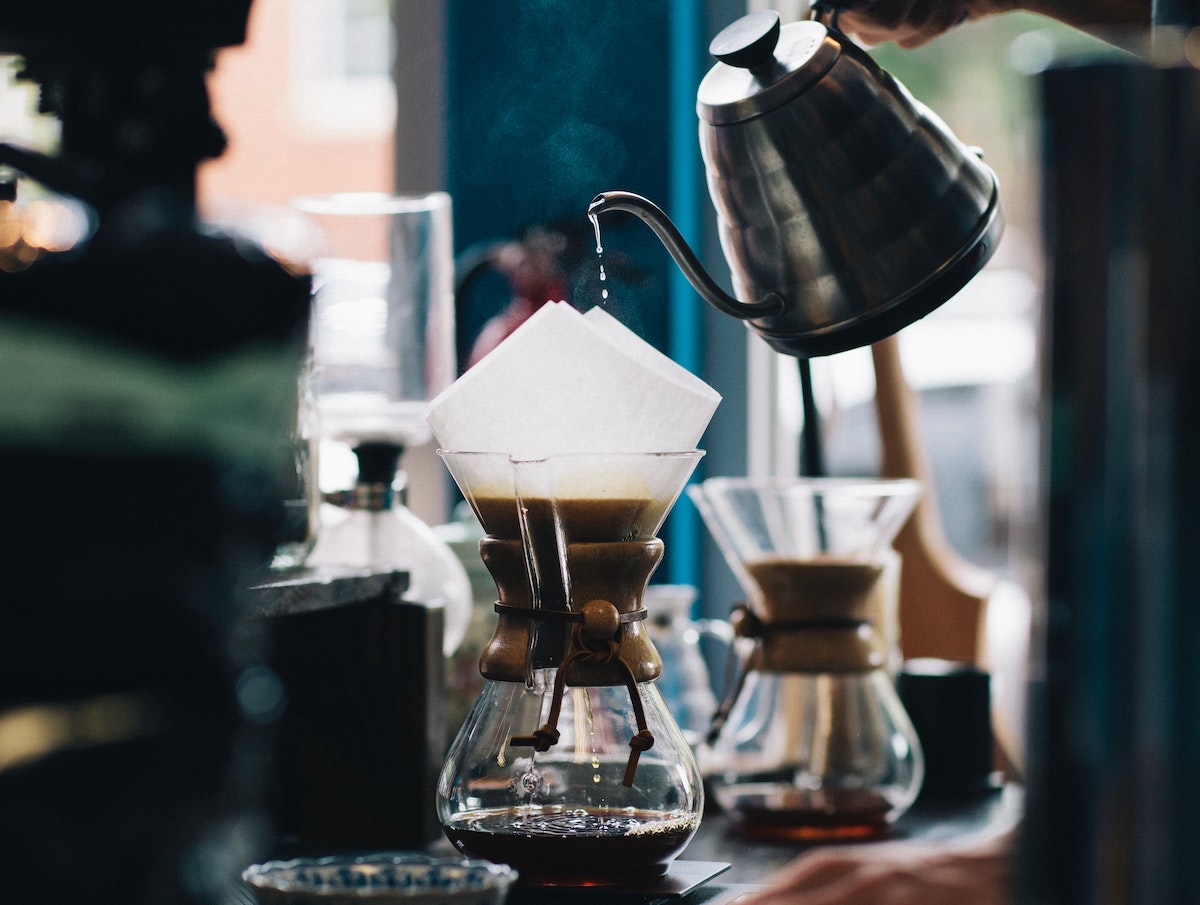
A Chemex is an investment in ritual, but the glass and filter system are fragile. One cracked bond or thin filter and your $40 brew turns into a sink full of grounds. Before you commit to a full batch, run through these failure points. They save you from the most common, costly mistakes.
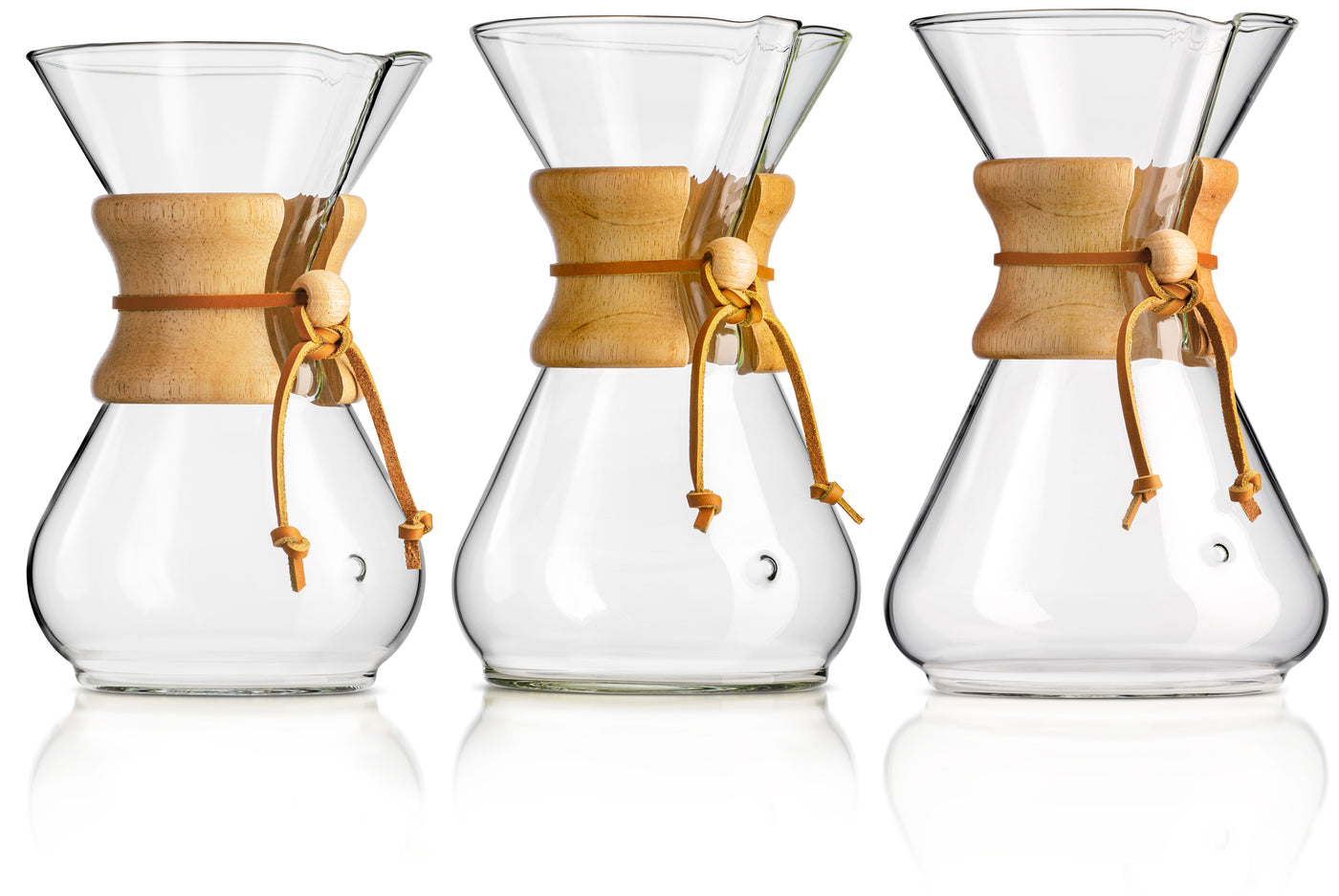
Inspect the junction where the wooden collar meets the glass neck. Look for hairline cracks in the glass or loose screws in the collar. A loose collar lets the filter slip, while a cracked bond can shatter under thermal shock. Tighten any loose hardware and discard any unit with visible stress fractures.
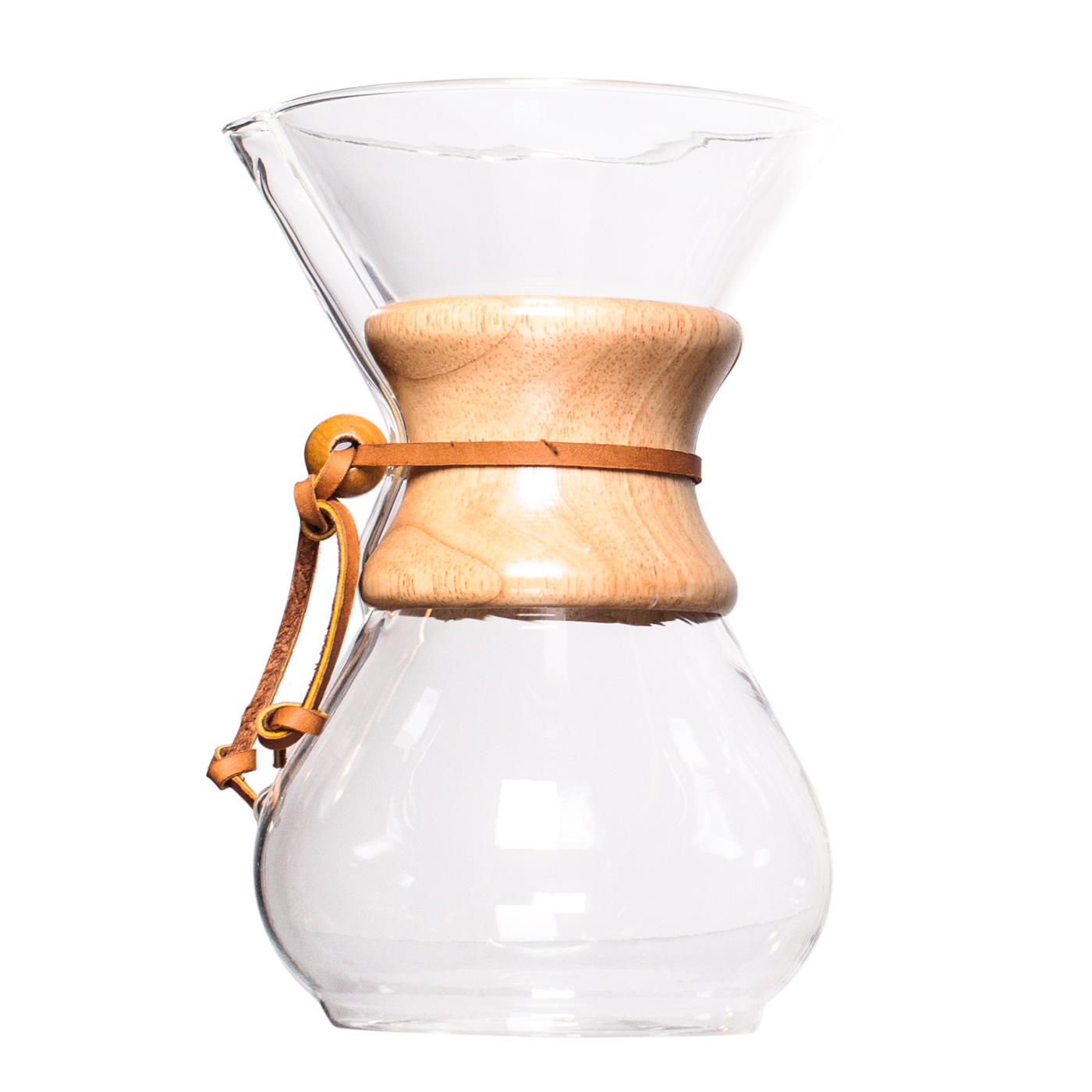
Chemex filters are thicker than standard paper, but they can still tear if handled roughly. Unfold the filter gently and check the seam. A torn seam means coffee grounds will bypass the filter, resulting in muddy, over-extracted sludge. If the paper feels brittle or has visible tears, replace it immediately.
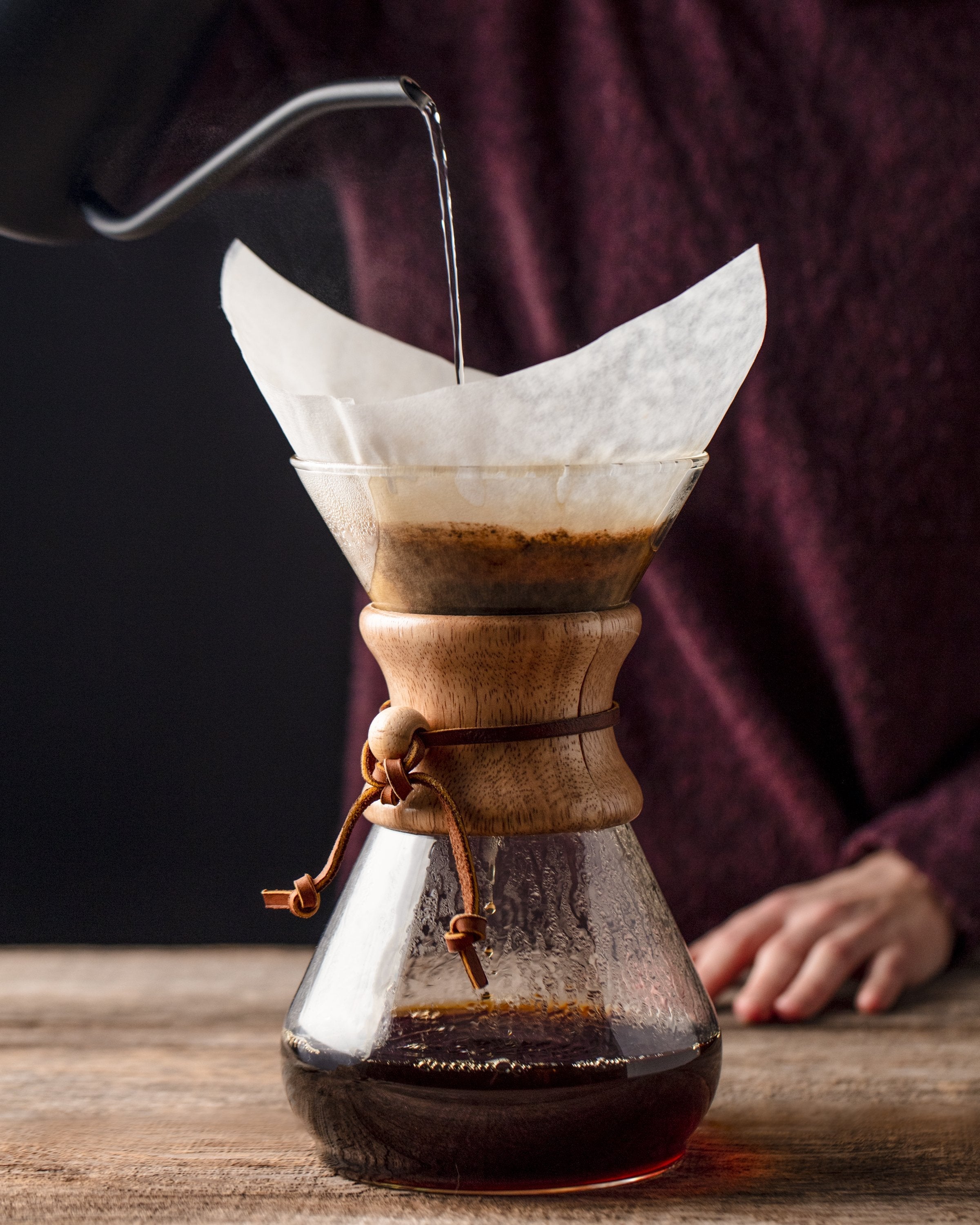
Chemex glass is thick borosilicate, but it is not immune to thermal shock. Before brewing, rinse the carafe with warm water to preheat the glass. Never pour boiling water directly into a cold Chemex. This simple step prevents the glass from cracking and ensures your coffee stays hot without risking the vessel.
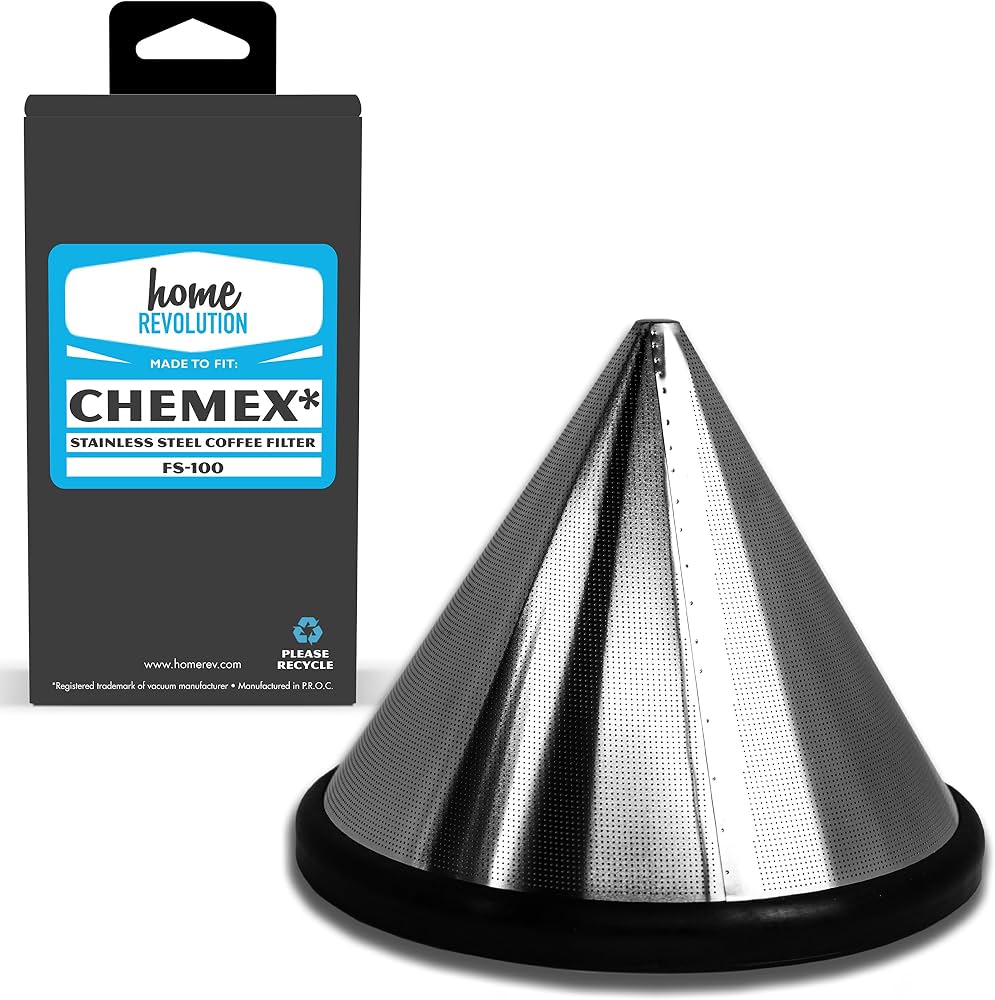
The spout’s shape controls your pour rate. Check for chips or irregularities that might cause uneven flow. A damaged spout can lead to channeling, where water finds the path of least resistance through the coffee bed. If the flow is erratic, the pour-over will be unbalanced and bitter.
By checking these four areas, you ensure your Chemex is ready for the perfect ratio. This routine takes less than two minutes but protects your equipment and your brew quality.
Plan for ownership costs
A Chemex is rarely a one-time purchase. The glass carafe is fragile, the filters are a recurring expense, and proper care requires specific supplies. When you add these ongoing costs to the initial price, the total cost of ownership becomes clear. Cheap alternatives often fail here, requiring frequent replacement or offering poor brew quality that wastes expensive beans.
The filter tax
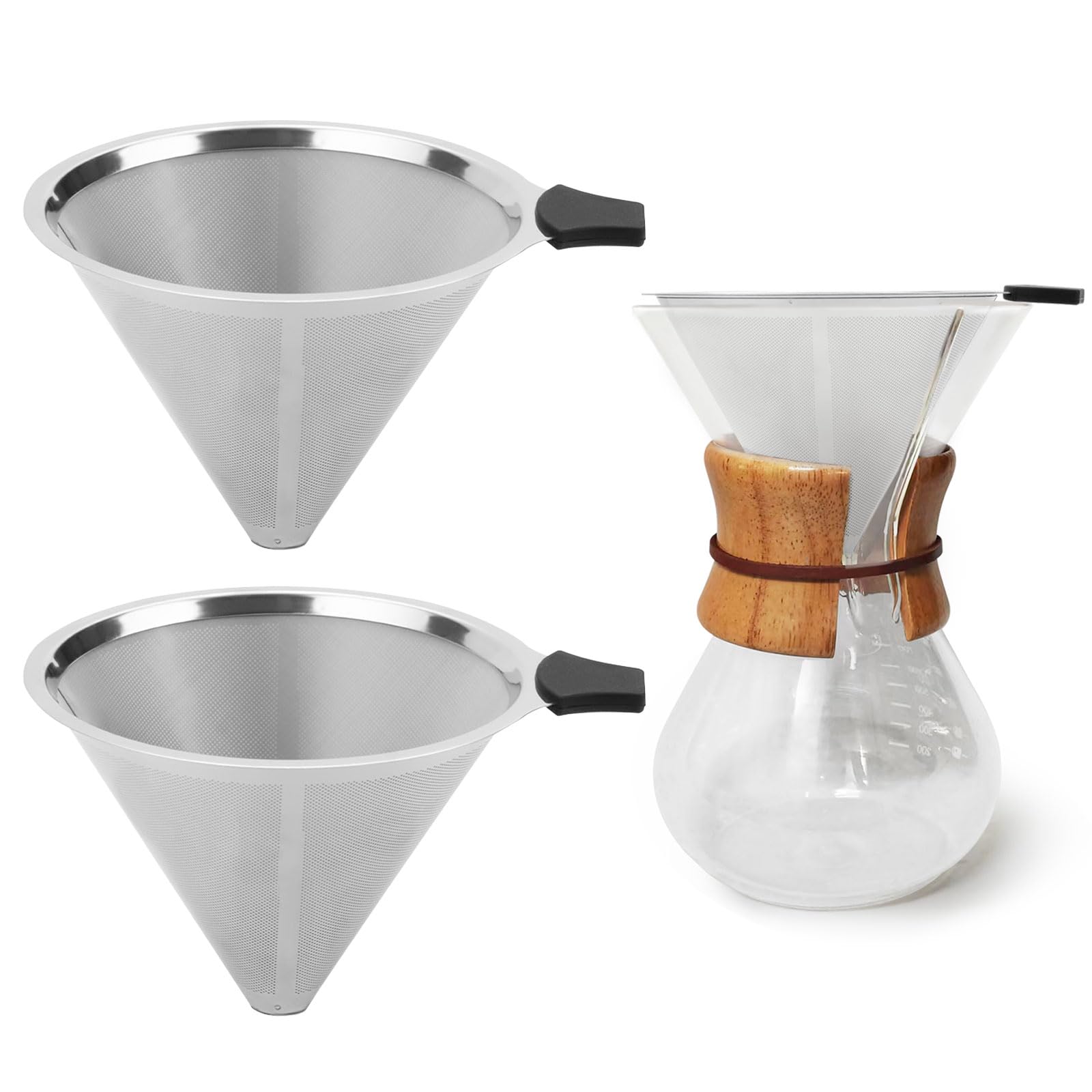
Chemex filters are thicker than standard cone filters to handle the longer brew time and absorb oils. They cost more per unit and are proprietary. If you buy a $40 Chemex but spend $20 a month on filters, the hardware becomes secondary. Factor in the filter cost as a monthly subscription to your coffee habit. Skipping them saves money but ruins the clarity the Chemex is famous for.
Maintenance and breakage
Glass breaks. It chips. It cracks under thermal shock if you pour boiling water into a cold vessel. Replacement carafes are expensive and not always available for older models. Beyond breakage, mineral buildup from hard water requires regular descaling with citric acid or vinegar. Neglecting this leads to stale flavors and cloudy glass, effectively ending the brewer’s life early. Treat it like fine dinnerware, not a travel mug.
When cheap stops being cheap
The cheapest Chemex often has inconsistent pouring spouts and thin glass that heats unevenly. You might save $15 upfront, but you will waste coffee grounds that don’t extract properly. Conversely, buying a premium set with a wooden collar and handle adds comfort but also cost. The sweet spot is a mid-range model that holds temperature well and uses standard filters. Avoid novelty designs that compromise structural integrity for aesthetics.

As an Amazon Associate, we may earn from qualifying purchases.
Real coffee club: what to check next
You have practical questions about brewing and subscriptions. Here are the answers to the most common queries from our readers.
No comments yet. Be the first to share your thoughts!