

Why pour over suits Real Coffee Club
Pour over brewing is the optimal method for highlighting the complex flavors of Real Coffee Club subscription beans. Unlike automatic drip machines that can scorch delicate notes, manual brewing puts you in direct control of the extraction process. This control is essential for unlocking the nuanced profiles of single-origin coffees, which often feature subtle floral, fruity, or chocolate notes that require precision to reveal.
Real Coffee Club delivers fresh, high-quality beans monthly, often sourced from award-winning roasters. These beans are roasted to highlight their unique characteristics, but they demand a brewing method that respects their complexity. A pour over setup allows you to adjust variables like water temperature, pour rate, and grind size to match the specific roast level and origin of your monthly selection.
By manually controlling the brew, you ensure that every cup captures the full spectrum of flavor intended by the roaster. This method transforms your subscription from a simple delivery of beans into a curated tasting experience. Each month becomes an opportunity to explore different terroirs and processing methods, guided by your own hands.
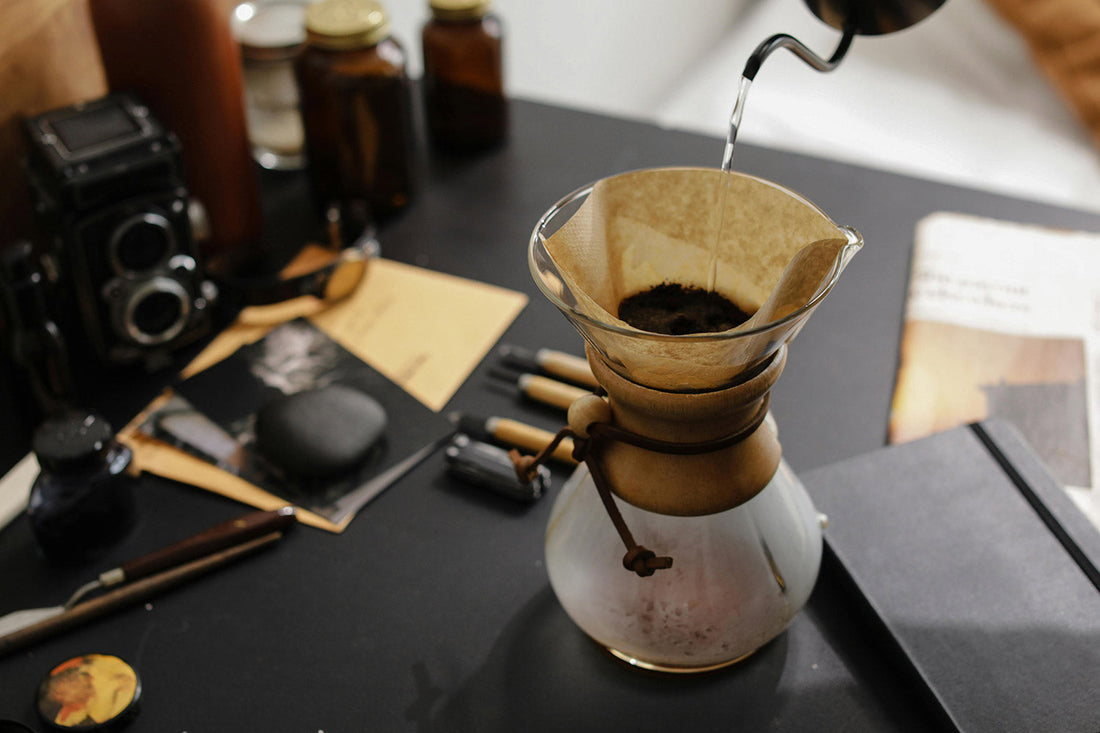
This hands-on approach aligns perfectly with the ethos of specialty coffee enthusiasts. It encourages mindfulness and attention to detail, turning the daily ritual of making coffee into a focused practice. As you refine your technique, you will begin to detect subtle shifts in flavor profiles that automated machines simply cannot replicate. The result is a deeper appreciation for the craft behind each bag of beans.
Set your coffee ratios
Precision in brewing starts with the ratio of coffee to water. The Specialty Coffee Association (SCA) recommends a starting point of 1:16, meaning 1 gram of coffee for every 16 grams of water. This ratio provides a balanced extraction that highlights the complex flavors of your Real Coffee Club beans without overwhelming bitterness or sourness.
Adjust this ratio based on your taste preference and the roast profile. Lighter roasts often benefit from a slightly stronger ratio, such as 1:15, to extract their bright acidity and fruity notes. Darker roasts, which are more soluble, may require a milder ratio like 1:17 to prevent over-extraction and harshness. Consistency is key; using a scale ensures every cup matches the last.
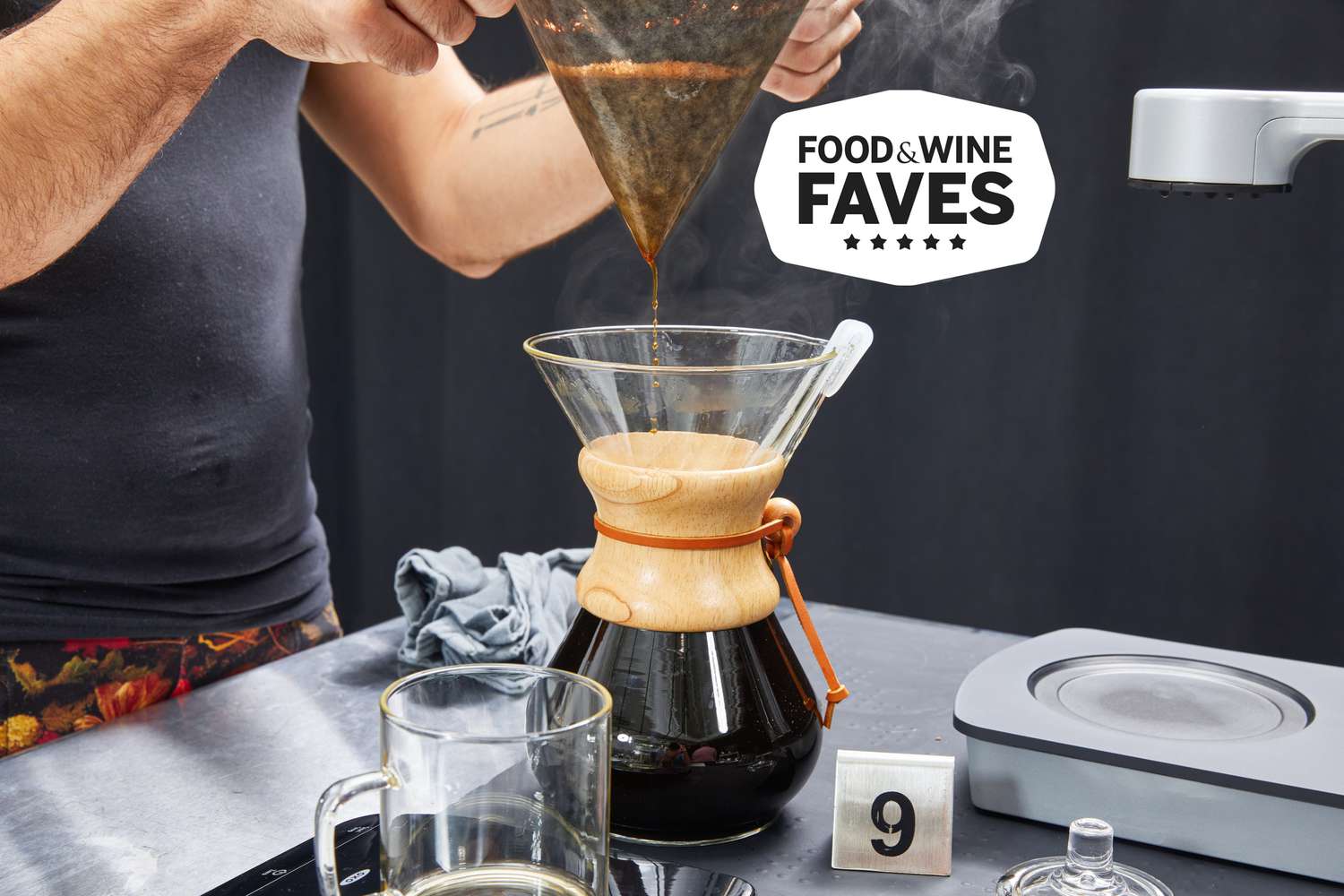
Use the calculator below to determine the exact amounts needed for your batch size. Enter the grams of Real Coffee Club beans you plan to use, and the tool will calculate the required water volume and suggest an appropriate grind size for a standard pour-over setup.
Grind Size and Water Temperature
Brewing pour over coffee is a balancing act between extraction speed and flavor clarity. The two most critical variables you control are the grind consistency and the water temperature. Getting these right prevents the two most common failures: bitter, over-extracted coffee and sour, under-extracted brews.
The Grind Consistency Rule
Grind size dictates how quickly water flows through the coffee bed. A coarse grind allows water to pass quickly, which is ideal for French presses but results in weak, watery pour over coffee. A fine grind slows the flow, increasing extraction but risking bitterness if the water sits too long.
For pour over, aim for a medium-fine grind, similar in texture to sea salt. Consistency is more important than the exact size. If your grinder produces "fines" (dust) or "boulders" (large chunks), extraction becomes uneven. The fines over-extract and create bitterness, while the boulders remain under-extracted and sour. A high-quality burr grinder is essential for this uniformity.
| Grind Size | Best For | Extraction Result |
|---|---|---|
| Coarse | French Press | Under-extracted, weak |
| Medium-Fine | Pour Over (V60, Chemex) | Balanced, clean |
| Fine | Espresso | Over-extracted, bitter |
Water Temperature Control
Water temperature directly impacts the solubility of coffee compounds. Hotter water extracts flavors faster. If your water is too hot (above 205°F or 96°C), you risk scalding the grounds, pulling out harsh, bitter tannins. If it is too cool (below 195°F or 90°C), the water cannot dissolve enough of the desirable aromatic oils, leaving the coffee tasting sour and thin.
The sweet spot for most light to medium roast beans is between 195°F and 205°F (90°C–96°C). If you are using a gooseneck kettle without a thermometer, bring the water to a boil and then let it rest for 30–45 seconds. This simple cooling period usually lands you in the optimal range. For darker roasts, which extract more easily, you might drop the temperature slightly to 195°F to avoid excessive bitterness.
The pour over sequence
Brewing pour over coffee is a controlled extraction process. You are managing water temperature, flow rate, and agitation to pull specific compounds from the grounds. A single variable out of balance can lead to a sour or bitter cup. Follow this sequence to ensure consistency.

Heat fresh water to 195–205°F (90–96°C). Pour hot water through the paper filter into your carafe or mug. This removes the papery taste and preheats the brewing vessel. Discard the rinse water before adding your grounds.
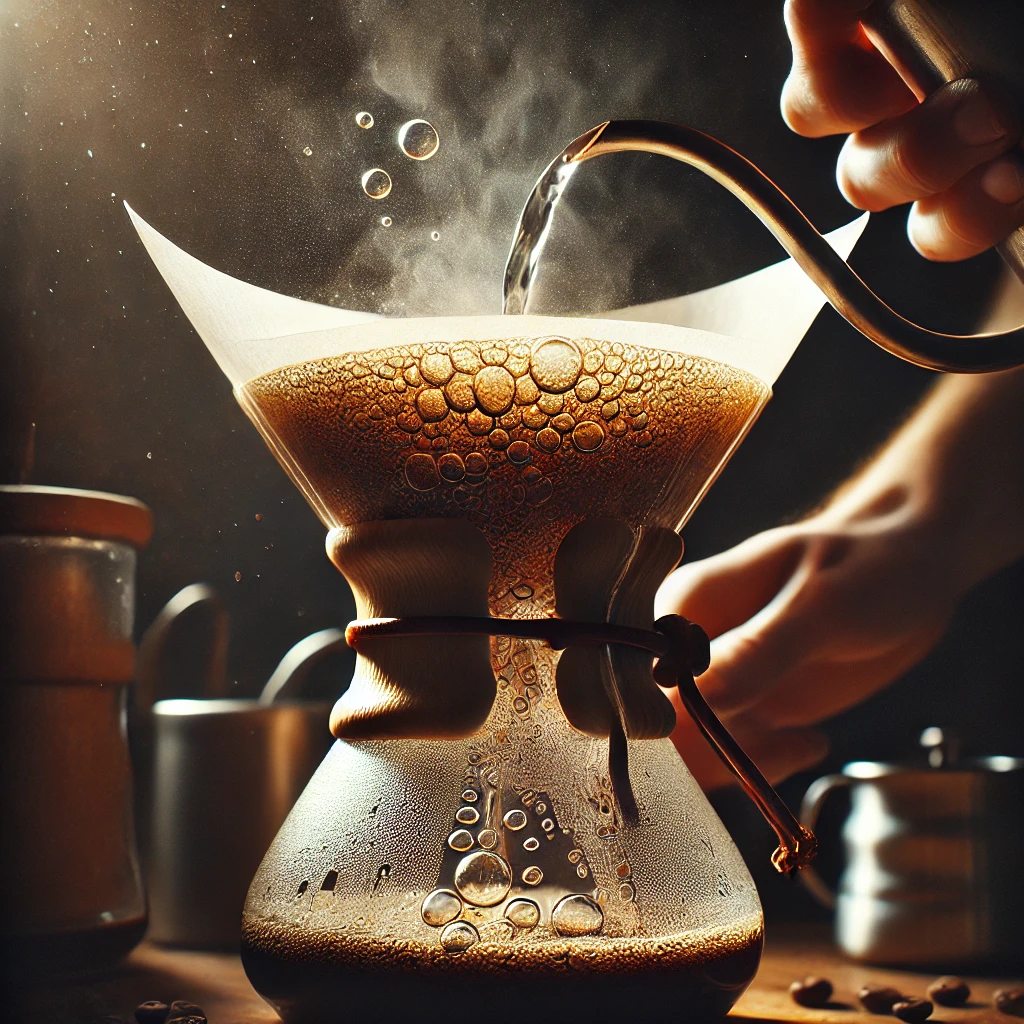
Place your ground coffee in the filter. Start your timer and pour just enough water to saturate the grounds—about twice the weight of the coffee. You will see bubbles escape; this is carbon dioxide releasing. Let it bloom for 30 to 45 seconds. This step prevents channeling and ensures even extraction.
Begin the main pour. Start at the center and move outward in slow, tight circles, avoiding the very edges of the filter. Pour steadily until you reach your target water weight. Keep the water level consistent. This agitation keeps the grounds suspended and promotes uniform flavor extraction.
Stop pouring. The water will slowly drain through the coffee bed and into the vessel below. Do not disturb the brewer during this phase. The total brew time should typically fall between 2:30 and 3:30 minutes for a standard 12-ounce cup. A clean finish indicates proper grind size and technique.
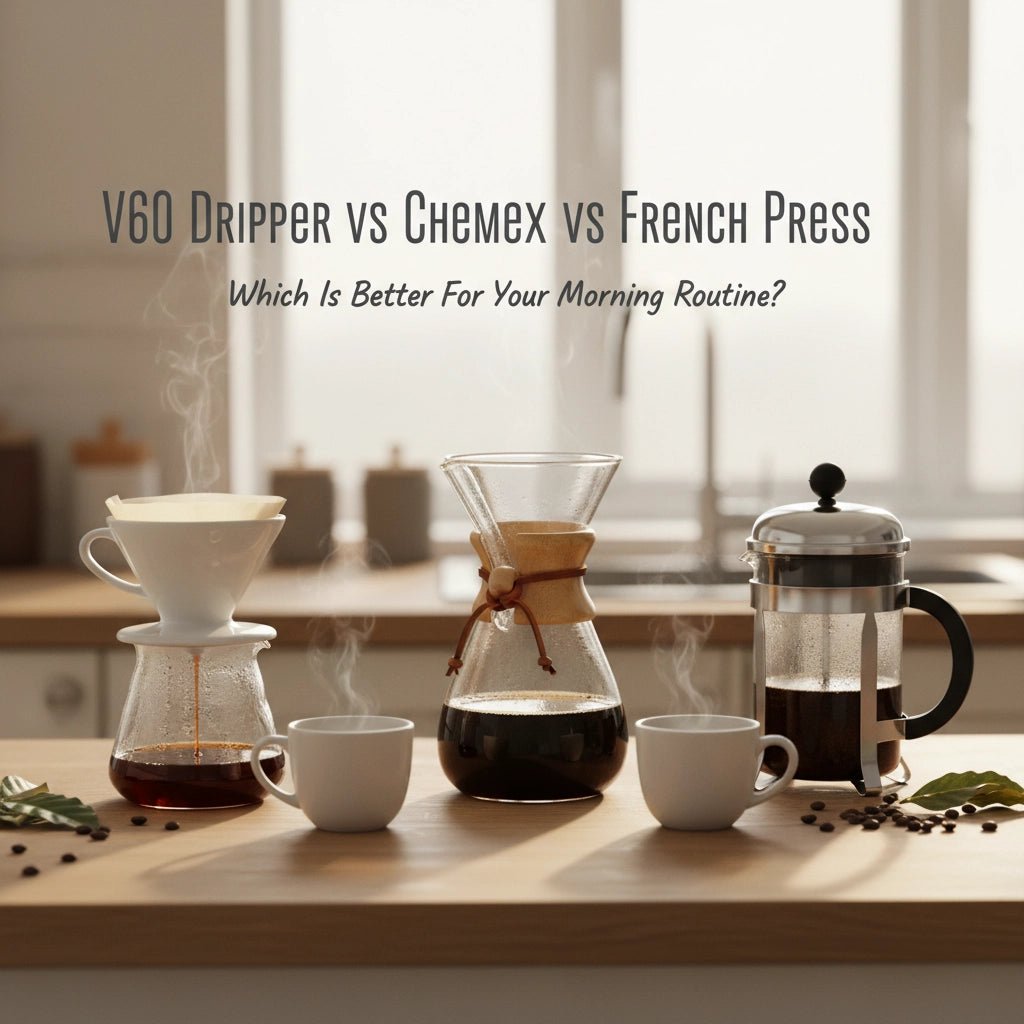
Once the draw-down is complete, gently swirl the carafe. This mixes the coffee layers, ensuring the strength is consistent from the first sip to the last. Serve immediately to enjoy the full aroma and flavor profile before the coffee cools and degrades.
Fix common brewing mistakes
Sourness or bitterness in your cup usually signals a mismatch between grind size and brew time. Pour over coffee is sensitive to extraction variables, and small adjustments can correct the flavor profile. If your coffee tastes sharp or acidic, the water likely passed through the grounds too quickly. If it tastes harsh or dry, the water stayed in contact too long.
Adjusting your grind size is the most direct way to fix these issues. A finer grind increases surface area, slowing extraction and reducing sourness. A coarser grind speeds up flow, preventing over-extraction and bitterness. Aim for a consistency similar to sea salt for most pour over methods.
Your pouring technique also plays a significant role. Pouring too fast can create channeling, where water finds the path of least resistance and bypasses coffee grounds entirely. This leads to uneven extraction and weak, sour notes. Pouring too slowly can over-extract the fine particles, resulting in astringency.
Water temperature matters as well. Boiling water (100°C) can scorch delicate beans, while water that is too cool (below 90°C) will under-extract. For most light to medium roasts, aim for 93–96°C. This range balances acidity and body without extracting unwanted woody or burnt flavors.
Finally, ensure your filter is rinsed before brewing. Paper filters often carry a papery taste that can linger if not washed away with hot water. This simple step removes any residual fibers and preheats your vessel, keeping the brew temperature stable throughout the process.
Checklist for your next brew
Consistency in pour over coffee depends on pre-brew verification. Use this list to ensure every variable is controlled before you pour.
- Weigh your beans: Use a scale to measure 15–20g of coffee. Visual estimates vary too much for precise ratios.
- Check water temperature: Heat water to 96–98°C. Water that is too hot causes bitterness; too cool yields sour, under-extracted coffee.
- Rinse the filter: Place your paper filter in the dripper and rinse with hot water to remove paper taste and preheat the vessel.
- Verify freshness: Use beans roasted within the last 2–4 weeks. Stale beans lack the volatile compounds needed for a bright, complex cup.
- Pre-wet the grounds: Add just enough water to saturate the grounds for a 30-second bloom. This releases trapped CO2 for even extraction.
Real Coffee Club subscription details
The Real Coffee Club is the official subscription program for sourcing the beans discussed in this guide. It provides a direct line to award-winning blends, ensuring you have the correct ingredients for your pour over setup.
The subscription delivers 1kg of coffee each month for a full year. You can choose between four 250g bags, two 500g bags, or one 1kg bag per shipment. All orders include free freight across Australia.
Visit the official Real Coffee Club page to select your preferred blend and start your subscription.
No comments yet. Be the first to share your thoughts!