
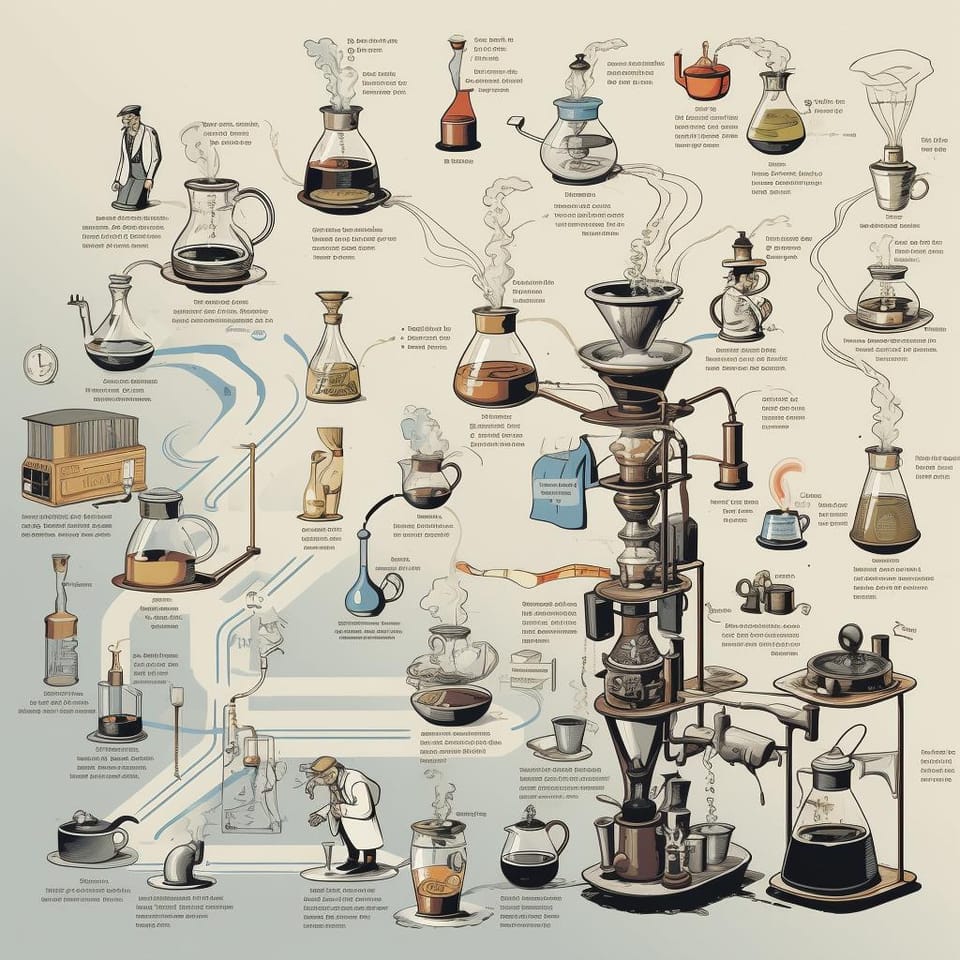

Embarking on a Caffeinated Journey: The Art and Evolution of Coffee Brewing ☕️
Imagine the aroma of freshly brewed coffee wafting through your home as the sun peeks over the horizon. It's more than just a wake-up call; it's a timeless ritual, a comforting tradition, and a symbol of culture and social interaction. From humble beginnings of boiling ground beans to the art of pour over and modern coffee brewing, the journey of coffee brewing has been as rich and varied as the beverage itself.
But what if I told you that your morning cup of joe is a testament to centuries of innovation and refinement? That the evolution of coffee brewing is a captivating tale of tradition, technology, and taste? It's time to dive into this caffeinated chronicle, unravel the mysteries of coffee ratios explained, and explore how the specialty coffee industry has brewed up a storm over the years.
So, sit back with your favorite brew, and let's embark on this aromatic adventure together, exploring the art and evolution of coffee brewing.
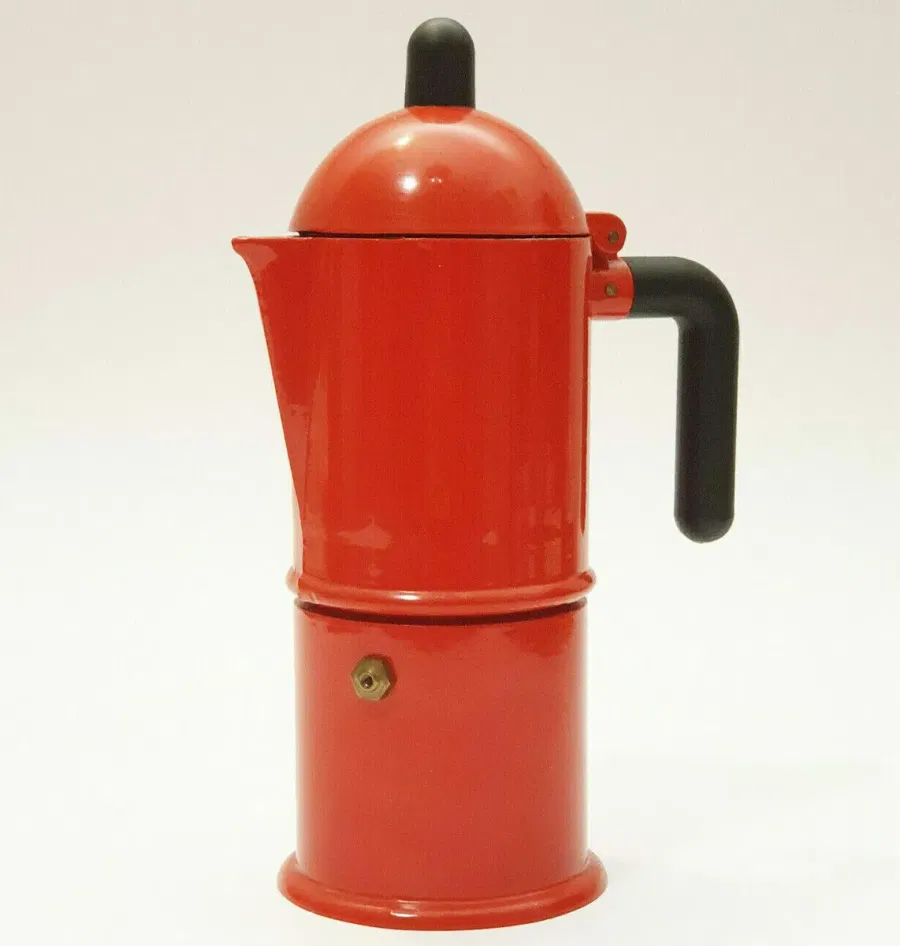
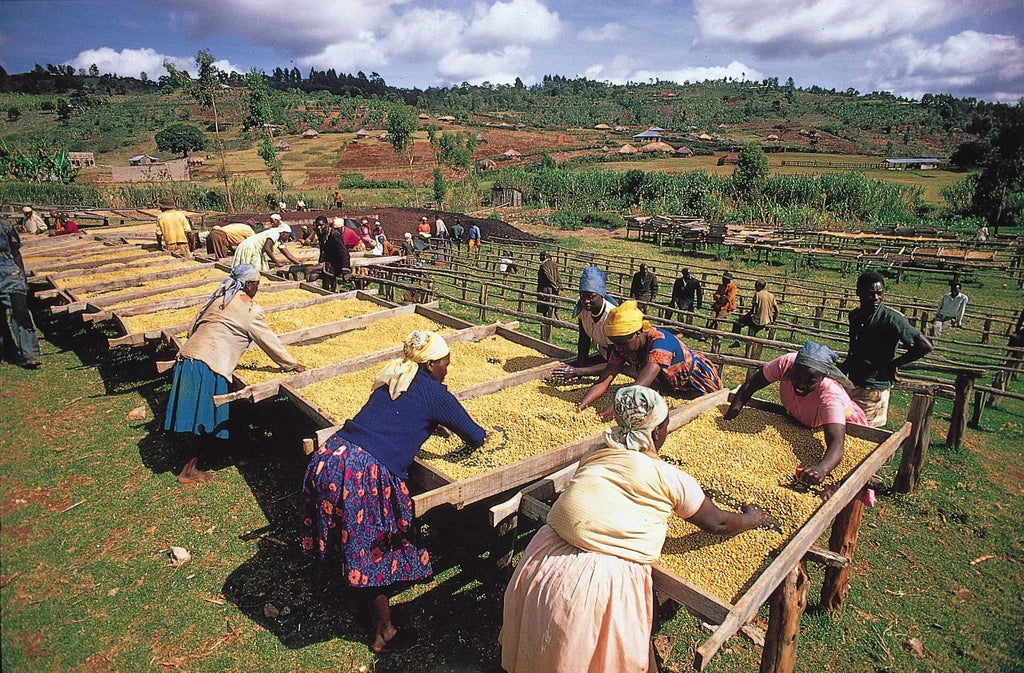
As we gaze upon this vintage image of traditional coffee brewing, let's take a step back in time and explore the journey of coffee brewing methods. From the traditional boiling method to the modern espresso machines, the art of brewing coffee has come a long way.
Now that we've traveled through the timeline of coffee brewing, let's delve deeper into the traditional brewing methods, their unique characteristics, and how they impart distinct flavors and textures to the coffee.
Rewinding Time: The Charm of Traditional Coffee Brewing Techniques 🕰️
Stepping into the world of traditional brewing methods is like opening a time capsule, each technique a testament to the rich heritage of its culture. Take the Turkish method, for instance. A unique blend of coffee and water, brought to a boil in a special pot called a cezve, it gives a dark, thick, and intensely flavored brew. The Arabic technique, on the other hand, involves the use of a dallah, imparting a distinct flavor profile that is a blend of spices and a light-bodied coffee. Then comes the Ethiopian method, a ceremony in itself, where the coffee is brewed in a clay pot known as a jebena, resulting in a brew that's both robust and full-bodied.
Ever wondered how these brewing methods influence the taste and texture of your coffee? Or why your favorite cup of coffee tastes different when brewed using different techniques? The secret lies in the coffee ratios and brewing techniques, each method bringing forth a particular aspect of the coffee, be it the acidity, body, or flavor. Understanding these coffee ratios is like deciphering a code, a code that unlocks the true potential of your coffee beans.
As we traverse through the evolution of coffee brewing, we realize that it's not just about the final product, but the journey itself. The process, the rituals, the tools - they all play a part in this grand performance. So, are you ready to dive into this aromatic journey? To explore the art of brewing that's been perfected over centuries? Let's plunge into the modern coffee brewing techniques next!
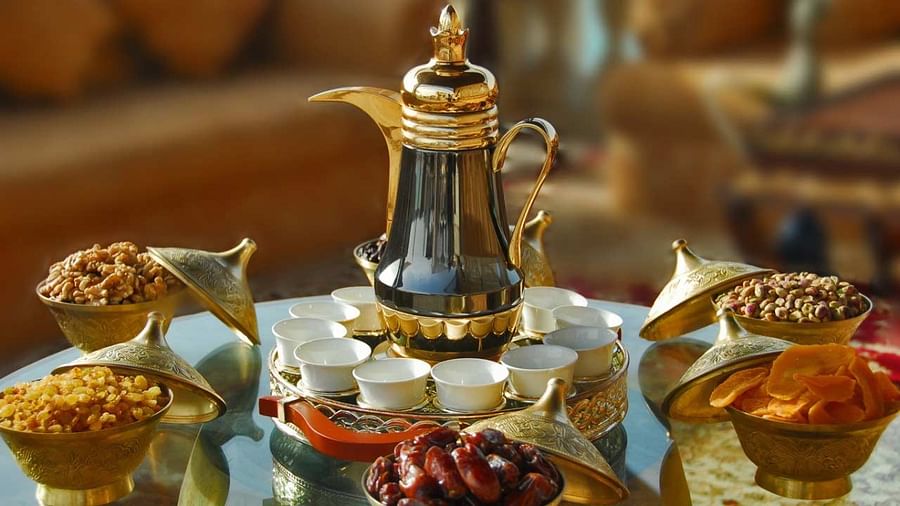
Traditional Arabic Coffee Brewing
You will need:
 Arabic coffee beans
 Coffee grinder
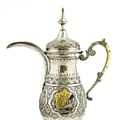 Dallah (traditional Arabic coffee pot)
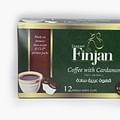 Finjan (small coffee cup)
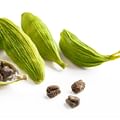 Cardamom
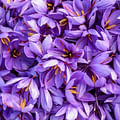 Saffron
 Rosewater
 Water
Water
Instructions
- Grind the Arabic coffee beans to a fine powder.
- Add water to the Dallah and bring to a boil.
- Add the ground coffee to the boiling water.
- Add cardamom, saffron, and a few drops of rosewater.
- Allow the mixture to simmer for 10-15 minutes.
- Pour the coffee into a Finjan and serve hot.
Notes
Arabic coffee is traditionally enjoyed without milk or sugar. However, you can adjust the amount of spices according to your taste. Also, the coffee is typically served in small portions due to its strong flavor.
Learn more about 🌟 Traditional Arabic Coffee Brewing 🌟 or discover other Real Coffee Club recipes.
Coffee's Middle Ages: The Birth of French Press and Drip Coffee 🇫🇷
As we journey through the evolution of coffee brewing, it's impossible to ignore the game-changing introduction of the French press and drip coffee makers in the 19th and 20th centuries. These inventions were no less than a revolution, breaking free from the confines of traditional coffee brewing and opening up a new world of flavors and textures for coffee lovers.
Imagine a time when the aroma of freshly brewed coffee began to fill European homes, thanks to the French press. This simple yet ingenious device allowed for a fuller extraction of coffee oils, giving birth to a cup that was rich, robust, and tantalizingly aromatic. Curious to know how this magic happens? Check out our guide on the science behind the perfect coffee ratio and temperature.
Fast forward to the 20th century, and the drip coffee maker made its grand entrance. Suddenly, brewing a perfect cup was as easy as pressing a button. The drip method introduced consistency and convenience, making quality coffee accessible to everyone, every day. Want to master the drip? Our pour over coffee guide is a great place to start.
These innovations marked the dawn of modern coffee brewing, paving the way for the likes of Aeropress and Chemex. But that's a story for another section. For now, let's raise our mugs to the French press and drip coffee maker - the trailblazers of our beloved coffee culture.
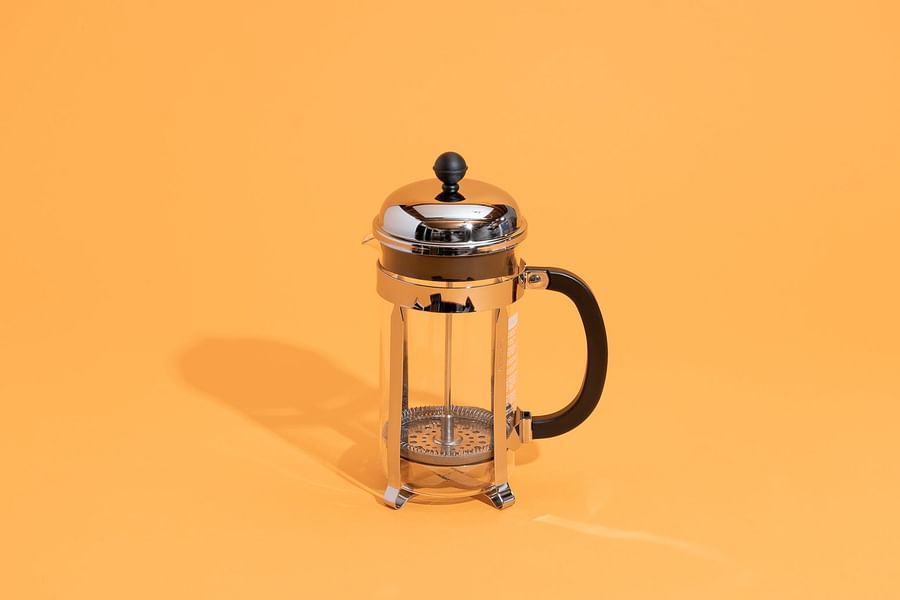
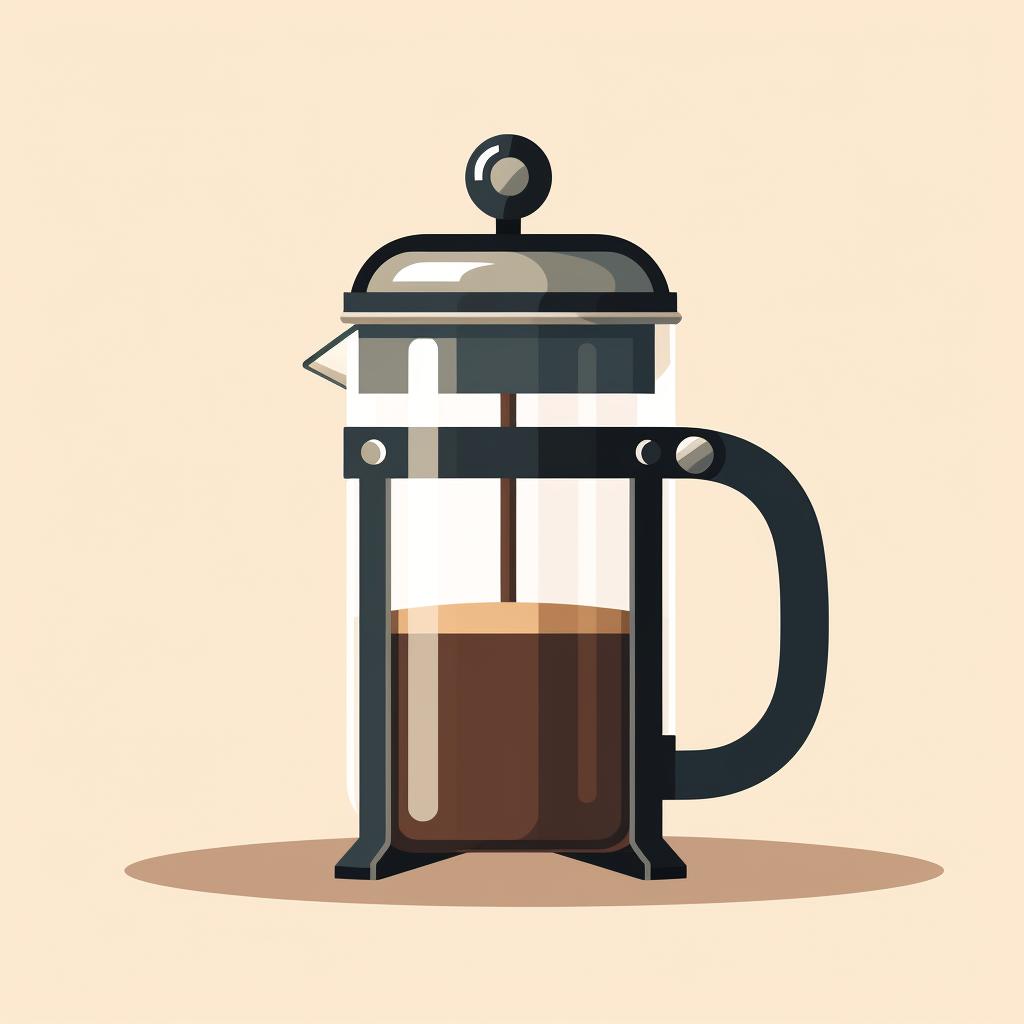
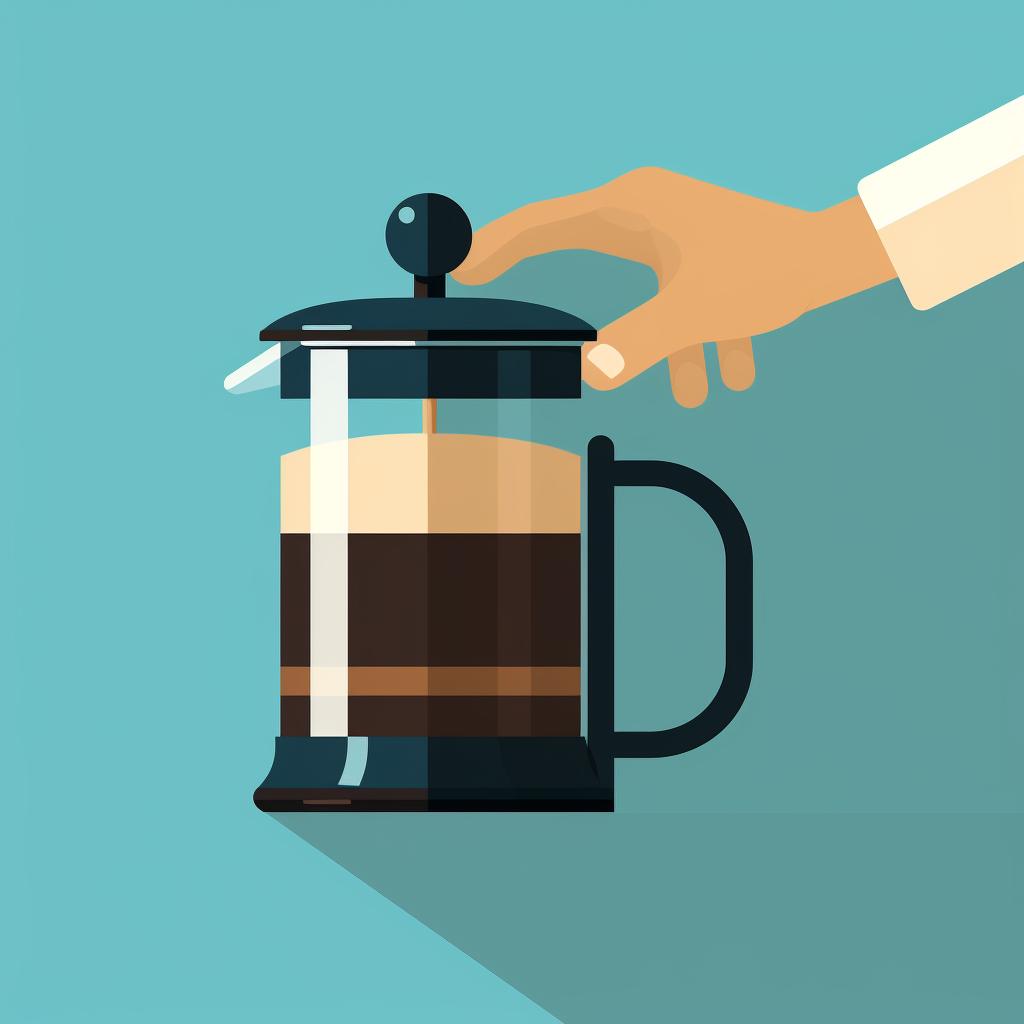
As we delve into the transition era of coffee brewing, let's explore the French press - a brewing method that has stood the test of time. Here's a step-by-step guide to help you master this technique.
Mastering the French Press: A Step-by-Step Guide
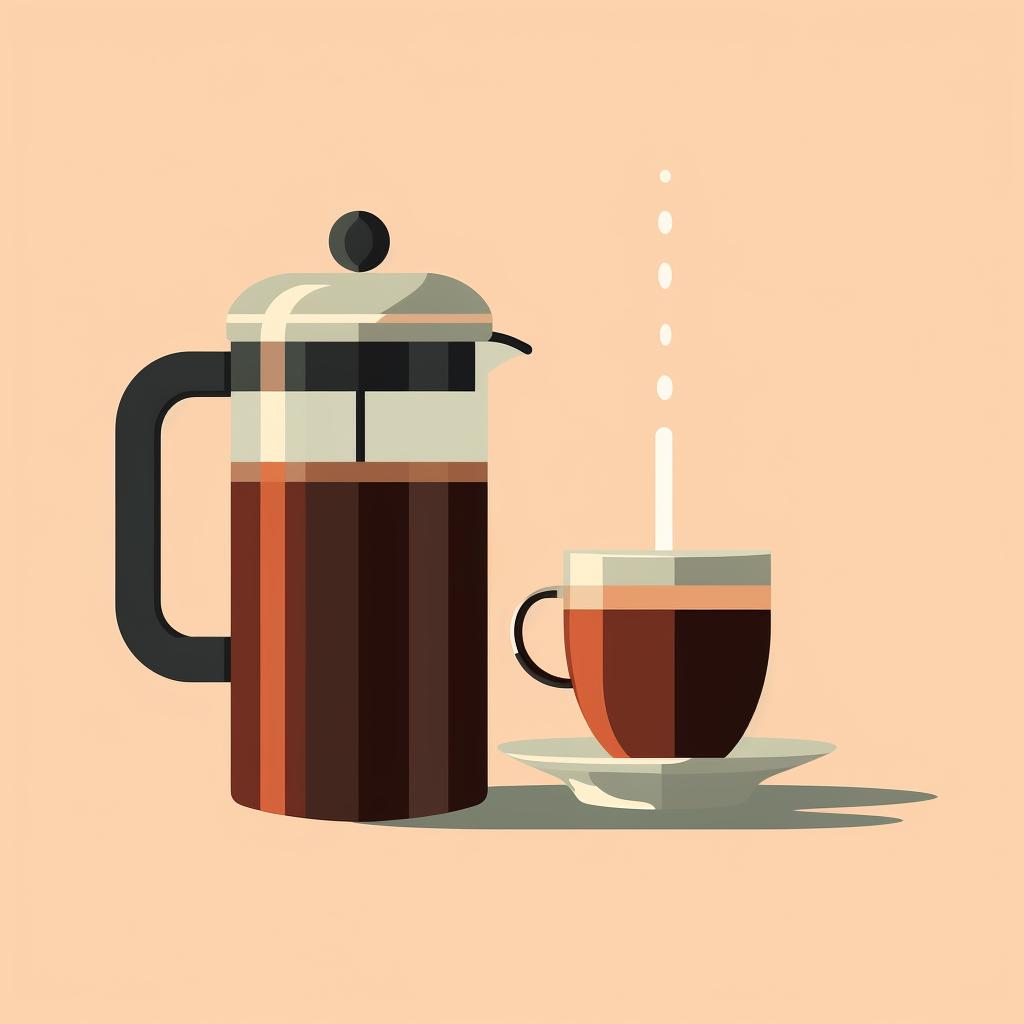

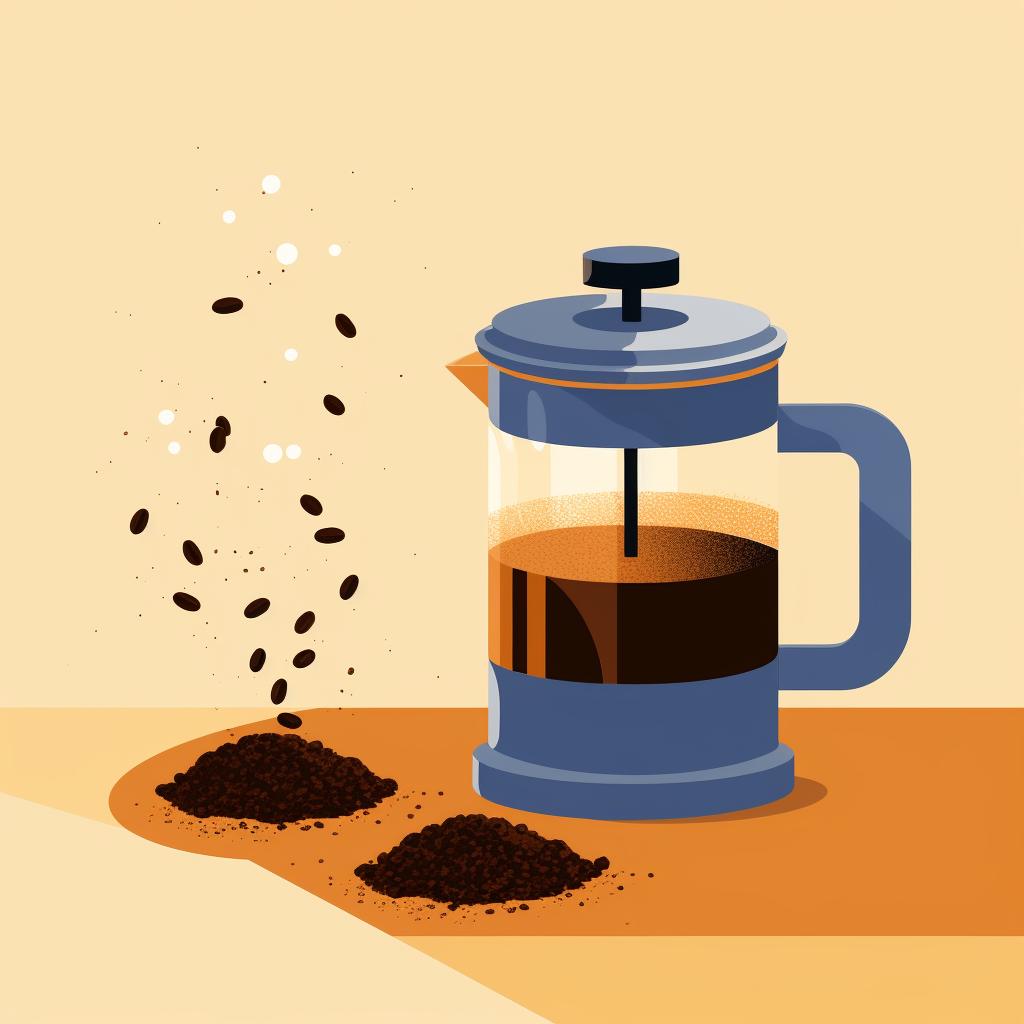
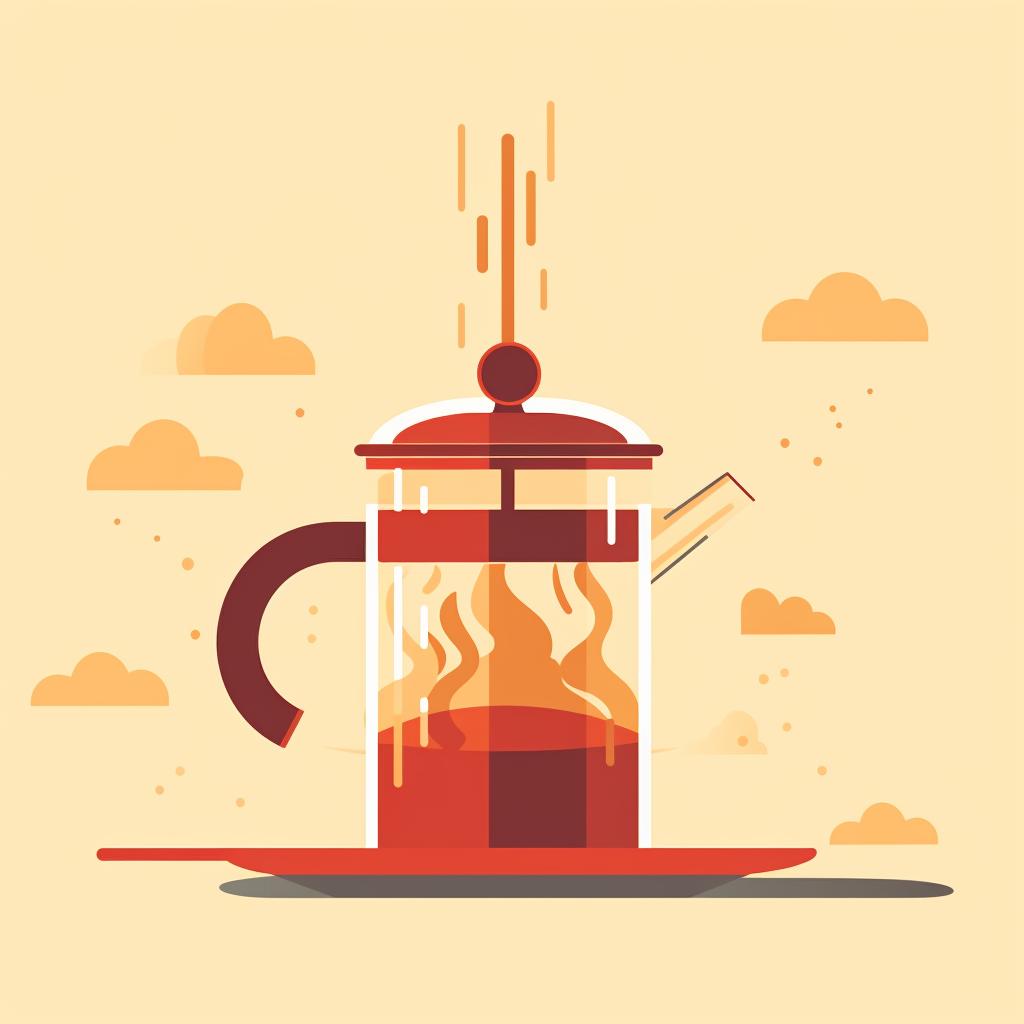
Learn more about Mastering the French Press: A Step-by-Step Guide 🌟 or discover other Real Coffee Club guides.
And there you have it! A simple yet effective way to brew coffee that has been cherished for centuries. As we continue our journey through the evolution of coffee brewing, let's move forward to the modern era and explore the innovative techniques that have revolutionized the way we enjoy our favorite beverage.
Welcome to the Future: Modern Coffee Brewing Uncovered 🔬
As we journey into the realm of modern coffee brewing techniques, we encounter a plethora of innovative methods that have transformed our morning cup of joe into a masterpiece of flavor and aroma. Gone are the days when coffee brewing was a simple, mundane task. Today, it's a craft, a science, and an art form that coffee aficionados across the globe revel in.
Take for instance, the espresso machine, a marvel of modern technology that has become a staple in coffee shops and homes alike. With its ability to extract the rich, bold flavors of coffee under high pressure, it's no wonder why it's the backbone of many beloved coffee drinks. But have you ever wondered what the differences are between Dolce Gusto, Tassimo, and Keurig coffee makers?
Then there's the Aeropress, a device that has revolutionized the way we brew coffee. Portable and easy to use, it's a favorite among travelers and outdoor enthusiasts. And let's not forget the Chemex, a beautifully designed coffee maker that combines simplicity and functionality, allowing you to brew coffee that's smooth, clean, and devoid of bitterness. If you're interested in understanding how grind size affects your Chemex brew, our guide on coffee grinding techniques for a better Chemex grind size is a must-read.
With these modern brewing methods, we're not just making coffee, we're creating an experience. Each method offers a unique way of unlocking the complex flavors and aromas hidden within the coffee beans, giving us a deeper appreciation for this beloved beverage. So, are you ready to dive deeper into the world of modern coffee brewing? Let's explore which coffee making method offers the best quality to time ratio and find out!
Now that we've discussed various modern coffee brewing techniques, let's take a closer look at how they work. In the following video, the European Coffee Trip team compares different methods like the French Press, Pour Over, and AeroPress, among others.
That video should have given you a good understanding of modern coffee brewing methods. Now, let's see how much you've learned. Try this quiz to test your knowledge about various modern coffee brewing techniques.
Modern Coffee Brewing Techniques Quiz
Test your knowledge about various modern coffee brewing techniques!
Learn more about 📚 Modern Coffee Brewing Techniques Quiz 🎯 or discover other Real Coffee Club quizzes.
The Perfect Brew: Unraveling the Science of Coffee Brewing 🧪
Ever wondered why your homemade cup of joe doesn't taste quite like the one from your favorite coffee shop? The answer lies in the science of coffee brewing. You see, brewing the perfect cup of coffee is a delicate dance of precision and patience. It's about more than just pouring hot water over coffee grounds. It's about understanding the intricate balance between water temperature, brew time, coffee grind size, and coffee to water ratio.
Take water temperature, for instance. Too hot, and you risk over-extraction, leading to a bitter taste. Too cool, and you'll under-extract, resulting in a weak, insipid brew. Our pour over coffee guide delves deeper into this.
Then there's the grind size. A finer grind exposes more surface area to hot water and extracts more flavors, but go too fine and your coffee might end up over-extracted and bitter. On the other hand, a coarser grind can result in under-extraction, making your coffee taste sour. Curious about this? Check our post on how grind size affects your brew.
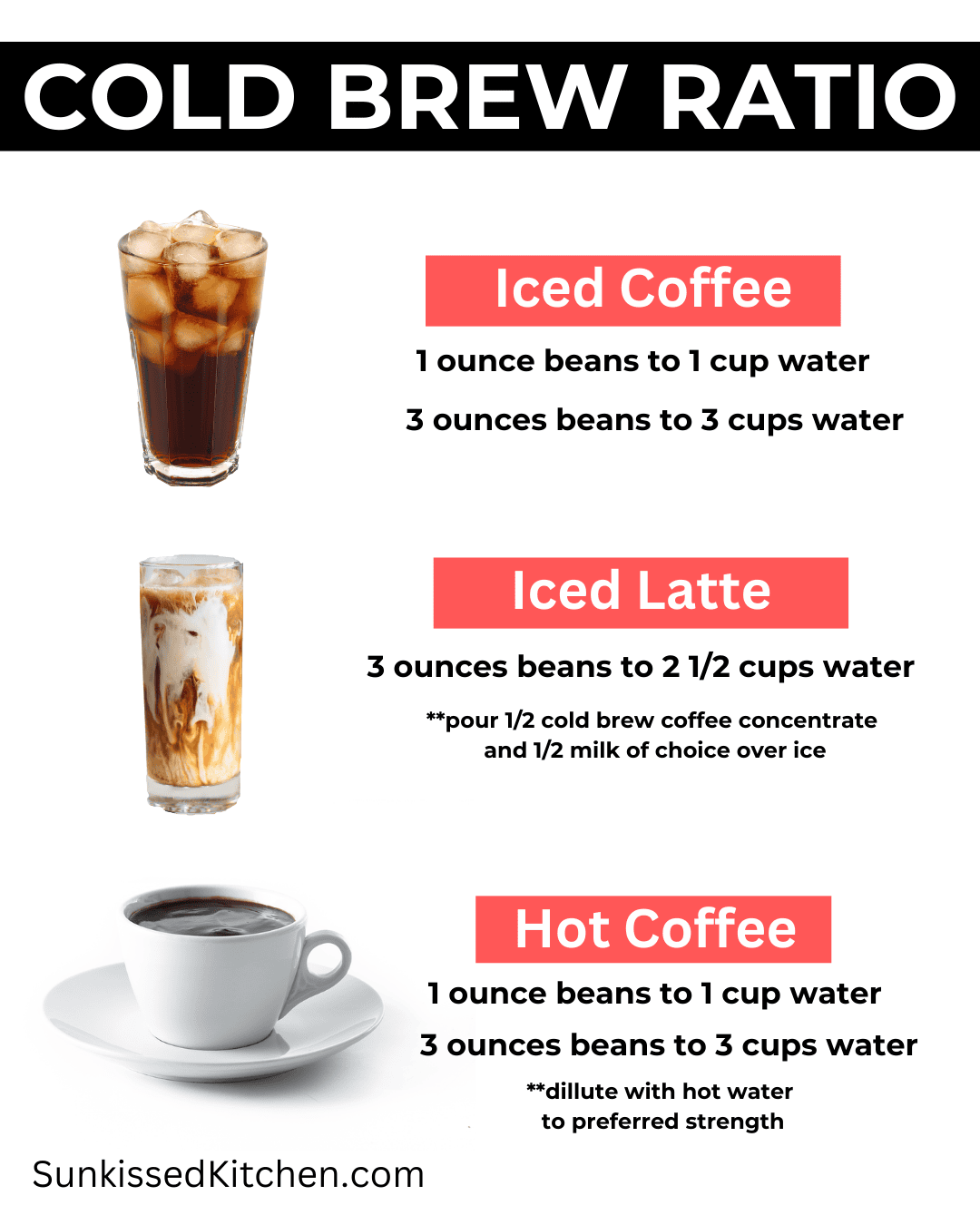
Finally, the coffee to water ratio. It's a pivotal factor in determining the strength and flavor of your brew. Too much coffee can make your drink overly strong and potentially bitter, while too little can result in a weak, watery cup. For a detailed explanation, our article on coffee ratios is a great resource.
So, as you can see, the evolution of coffee brewing is not just about the change in tools and techniques, but also about understanding and harnessing the science behind it. Isn't it fascinating?
Factors Influencing the Perfect Brew
To brew the perfect cup of coffee, the coffee to water ratio is crucial. Use the calculator below to find out how much coffee you should use for your preferred brewing method and coffee type.
Learn more about ☕ Coffee to Water Ratio Calculator or discover other Real Coffee Club calculators.
Remember, these are just guidelines. Feel free to adjust the ratio to suit your personal taste.
Peeking into the Crystal Ball: What's Next for Coffee Brewing? 🔮
As we sip our morning joe, it's fascinating to ponder how the future of coffee brewing might look. Will we witness a rise in AI-powered coffee machines that intuit our caffeine cravings before we even open our eyes? Or perhaps we'll see the evolution of coffee brewing techniques that marry the best of both traditional and modern methods?
Imagine a world where the Chemex of the future incorporates the intricate rituals of traditional coffee brewing. Or a pour over coffee kettle that not only guides you through the brewing process but also explains the coffee ratios, akin to a live barista in your kitchen. Could we possibly see a resurgence of traditional brewing methods with a techy twist?
Regardless of the brewing method—be it a modern espresso machine or a humble French press—understanding the impact of the brewing process on the taste of coffee is crucial. As we look forward, it's clear that the evolution of coffee brewing isn't just about new gadgets—it's about enhancing our coffee experience, one cup at a time.
As we continue to evolve and innovate, we may soon be seeing more advancements in brewing technologies than we ever imagined. A tweet from an industry insider captures this sentiment perfectly:
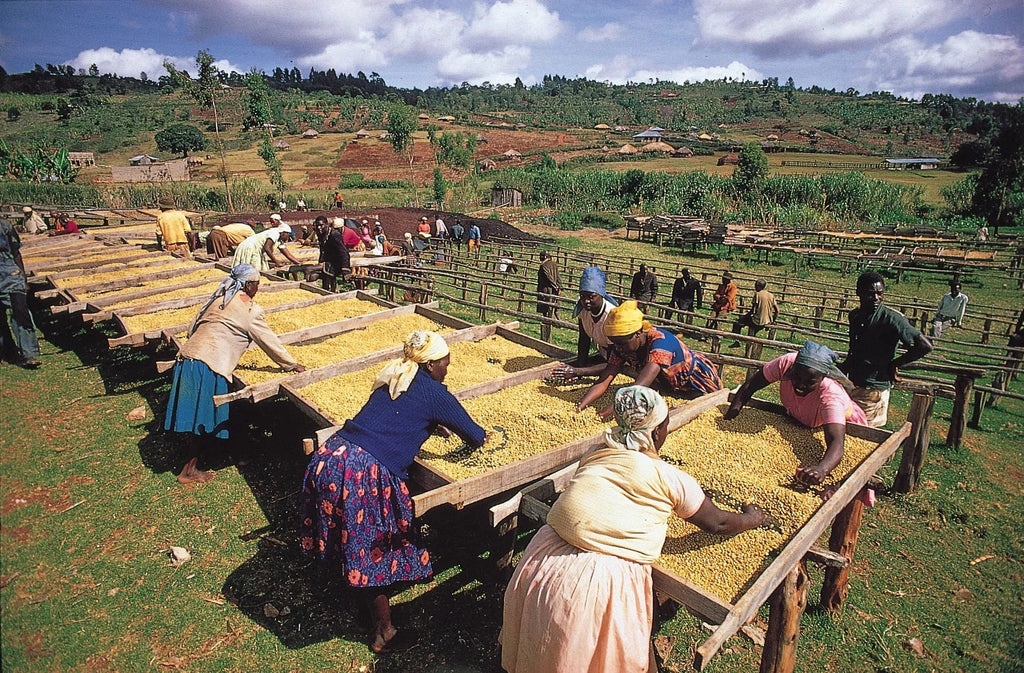
As we can see, the future of coffee brewing is not just about technology, but also about connecting people and supporting those who are behind the coffee we enjoy. This is the true essence of the evolution of coffee brewing.
Your Coffee Journey: Embracing the Art of Brewing and Tasting 🎨
As we've journeyed through the vast landscape of coffee brewing, tracing its evolution from traditional methods to modern techniques, one thing remains clear: there's an art to this beloved ritual, an art as varied and complex as the beans themselves. From the intimate hush of the Chemex pour-over to the vibrant energy of an espresso machine, each technique bestows its own magic into every cup.
But what's the secret to a truly great brew? Is it in mastering the coffee grind size? Or perhaps it's all about perfecting your coffee to water ratio? Here's a hint: it's not just one thing. It's a symphony of factors, each playing their part in the grand performance that is coffee brewing.
So, what's next in your coffee journey? Perhaps it's time to experiment with a new brewing method, or maybe it's about refining your current technique. Whatever step you're on, remember this: the beauty of coffee isn't just in the destination (a.k.a. your perfect cup), it's in the journey itself. So, brew on, coffee lovers, and remember to savor each moment, each sip, every step of the way.
What's Your Brew?
As we journey through the evolution of coffee brewing, we'd love to know - what's your go-to method for brewing the perfect cup of coffee?
No comments yet. Be the first to share your thoughts!