
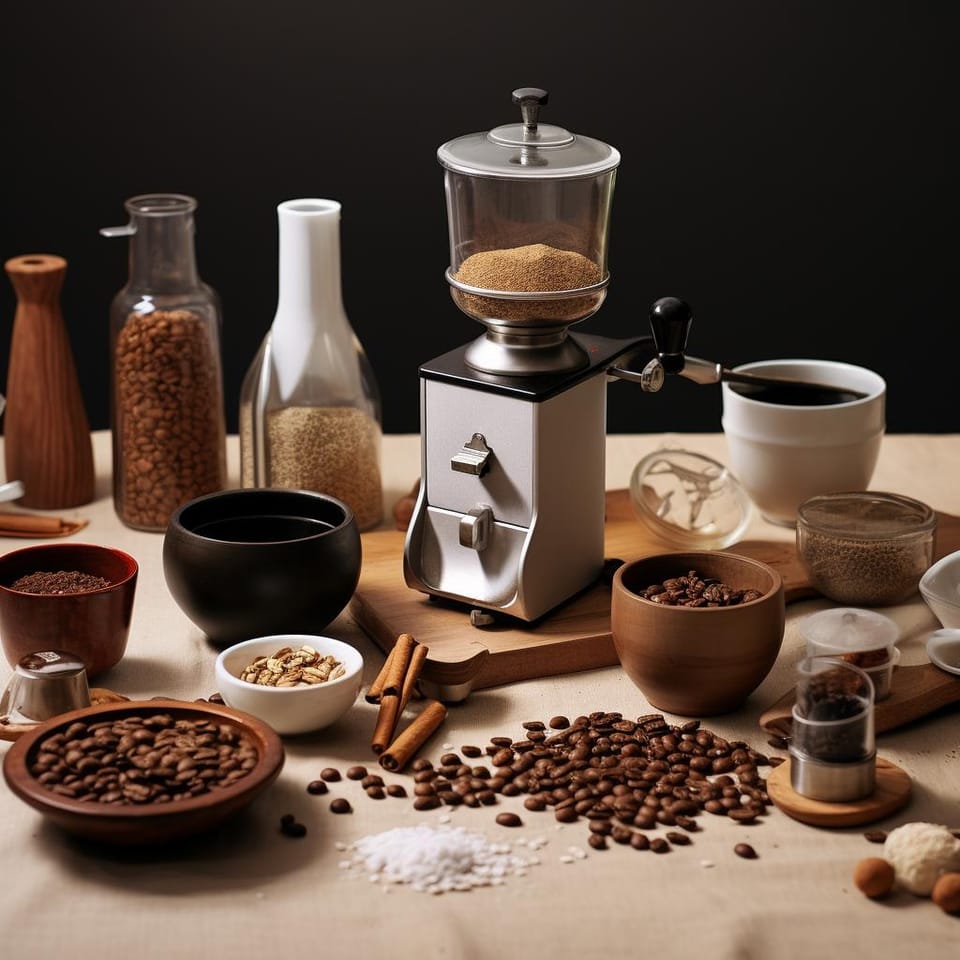

Welcome to the Aromatic World of Coffee Grinding: An Exciting Journey Begins ☕
Imagine standing at the foot of a mountain, the air thick with the intoxicating scent of freshly harvested coffee beans. This, fellow coffee lovers, is where our journey begins. Delving into the world of coffee grinding techniques, we'll explore the hidden valleys and peaks that separate a good cup of joe from an extraordinary one. Why? Because coffee grinding is not just a process, it's an art form.
Ever wondered why your pour-over coffee doesn't taste quite as vibrant as your local barista's brew? Or why your Chemex never seems to hit that sweet spot? Well, it's all in the grind. From the consistency of the grains to the coffee ratios for grinding, these variables play a crucial role in the final taste of your brew.
So, are you ready to embark on this in-depth coffee grinding adventure? To unlock the secrets that will transform your coffee making from a daily routine into a passionate ritual? Then buckle up, coffee enthusiasts, because we're about to take a deep dive into the best coffee grinding methods the world has to offer. Let's turn those beans into brew!
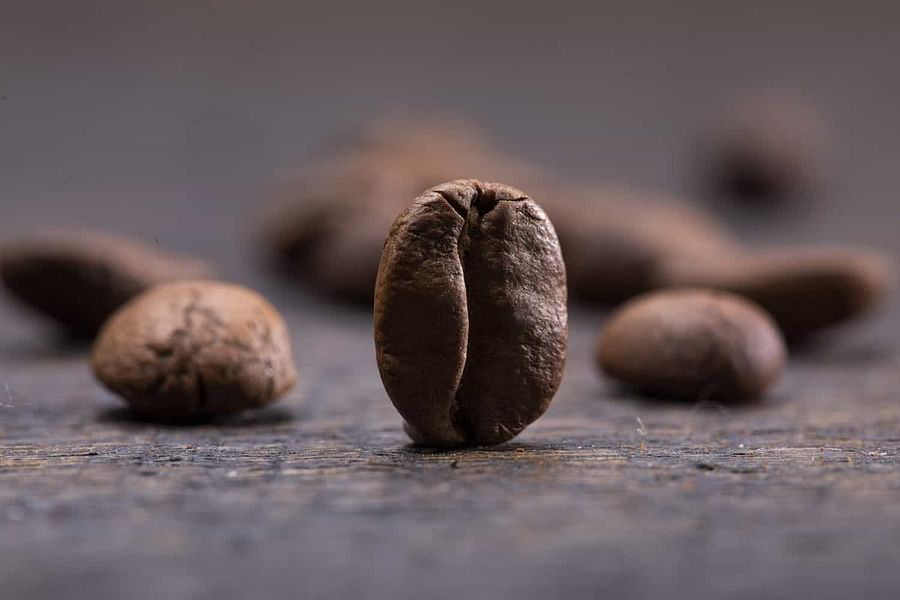
Unraveling the Mystery of Coffee Grind Sizes: What's in a Grain?
Imagine you're an artist, and coffee is your canvas. The grind size is your brushstroke, defining the depth and flavor of the masterpiece you're creating. It's a delicate balance, a dance between the coarse and the fine. So, what's the secret? It's all in the grind.
Picture the coarse grind, like chunky sea salt, perfect for methods like the French Press or the Chemex. This grind size allows for a slower extraction, ideal for these brewing techniques. Curious about how this works? Dive into our guide to the art of pour-over coffee for a deeper insight.
On the other end of the spectrum, we have the fine grind, almost powdery, like confectioner's sugar. This grind size is perfect for espresso machines, where water passes through the coffee quickly. Wondering about the science behind this? Check out our article on what makes coffee stronger.
And in between? There's a world of grind sizes for different brewing methods. Each one, a unique journey of flavor and aroma. Want to explore more? Our guide to coffee grind sizes for different brewing methods is your roadmap in this exciting journey.
Coffee Grind Sizes for Different Brewing Methods
Exploring the Connection: Coffee Brew Methods and Their Corresponding Grind Sizes
- French Press: This classic method requires a coarse grind to ensure optimal extraction and prevent over-extraction. The large particles are perfect for the long steeping process.
- Cold Brew: Similar to the French Press, the cold brew method also uses a coarse grind. The slow extraction process allows the coffee to fully develop its flavor profile.
- Chemex: This pour-over method calls for a medium-coarse grind. The thicker filter used in Chemex brewers necessitates a slightly finer grind than the French Press.
- Pour Over: A medium grind is ideal for most pour-over methods. This grind size allows for a balanced extraction, resulting in a clean and flavorful cup.
- Auto-drip Coffee Makers: These popular home devices work best with a medium grind. The water flows through the coffee at a moderate rate, allowing for a balanced extraction.
- Aeropress: Depending on the brewing style, Aeropress can use medium to fine grind. The shorter brewing time requires a smaller grind to extract the full flavor.
- Espresso: The high-pressure brewing method of espresso machines requires a fine grind. This grind size ensures a quick, yet flavorful extraction.
- Turkish Coffee: Known for its strong and rich flavor, Turkish coffee requires an extra fine grind, almost powdery, to achieve its unique taste profile.
Mastering the Art of Coffee Grinding: Techniques Unveiled
Embrace the Old-School: The Charm and Challenge of Hand Grinding
Hand grinding your coffee is akin to a rite of passage for coffee enthusiasts. It offers a sense of control and connection to the process, like a painter with their brush. The tactile experience of the beans being ground, the anticipation of the aroma released, it's all part of the beautiful ritual. But, like any good ritual, it comes with its challenges. A manual grinder requires time, effort, and a bit of elbow grease. So, is it worth it?
For those fond of pour over or chemex coffee grinding, the answer is a resounding yes. The precision required for these brewing methods is often best achieved with a manual grinder. However, it's not just about the grind; it's also about the ratio. The correct coffee ratios for grinding are just as crucial to your cup's success. Too coarse or too fine, and your brew could end up under-extracted or over-extracted.
So, how do you ensure a successful grind? First, familiarize yourself with coffee grinding techniques. Then, practice, practice, practice. Each bean, each roast, can require a different grind size. It's a journey of discovery, one that leads to the perfect cup. And isn't that what we're all searching for?
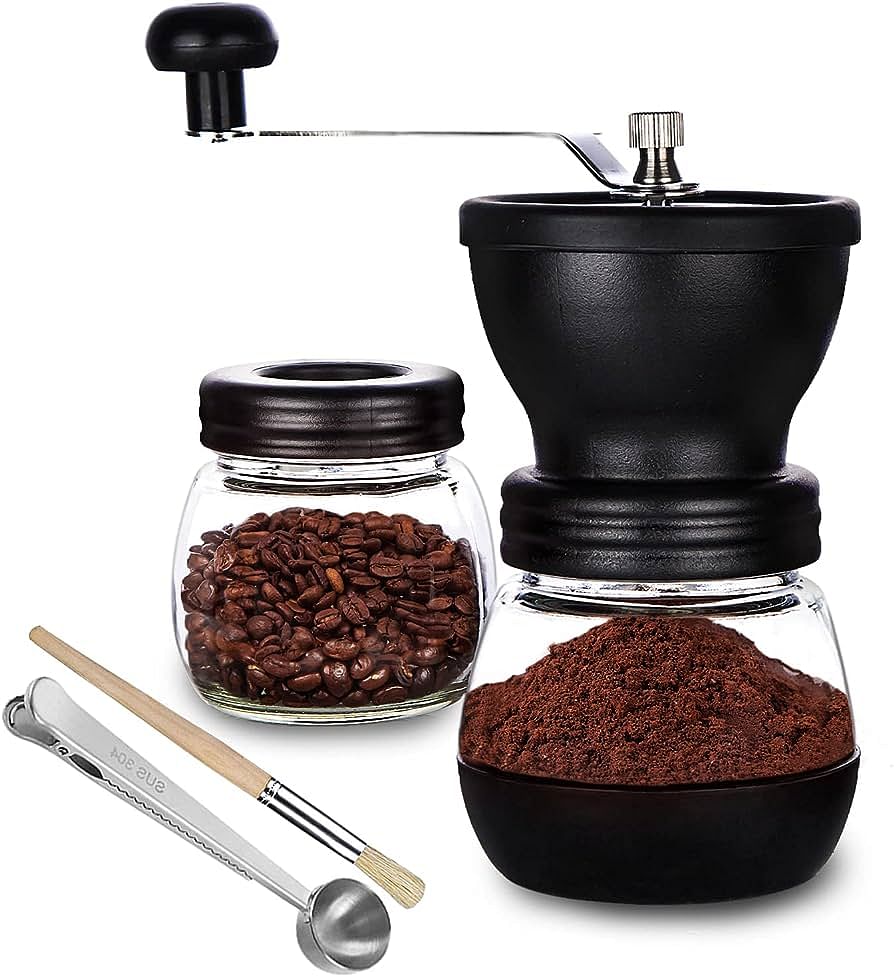
Blade Grinder in Action: A Quick, Easy, but Tricky Coffee Companion
Are you ready for a whirlwind adventure into the world of blade grinders? Blade grinders, with their fast-spinning metal blades, are the wild cards of the coffee grinding world. They're quick, they're accessible, and they're a bit unpredictable. But isn't that part of the fun?
With a blade grinder, your grind size is all about timing. A quick pulse might give you a coarse grind suitable for a French press, while a longer grind can achieve a fine texture perfect for espresso. It's a bit like a dance, isn't it? But be warned, consistency can be a challenge with these little rebels. Each grind can feel like a new adventure, with varying coffee ratios for grinding.
So, what's the verdict? If you're a casual coffee drinker who enjoys a bit of unpredictability and doesn't mind a bit of trial and error, a blade grinder might just be your new best friend. But if precision and consistency are your game, you might want to check out our guide to burr grinders. Either way, the journey to the perfect cup is all part of the joy of coffee, isn't it?
When it comes to using a blade grinder for coffee, one of the top-rated options on Amazon is the
by Secura. This electric grinder has a large capacity and comes with stainless steel blades and a removable bowl for easy cleaning.
The Burr Grinder: Your Secret Weapon for a Perfect Brew
Have you ever wondered why your home-brewed coffee doesn't quite taste like that dreamy cup from your favorite café? The secret might just lie in the art of coffee grinding. Enter the burr grinder, an unsung hero in the coffee world. Unlike blade grinders, burr grinders offer a consistent grind, giving you control over the size and uniformity of your coffee particles. This is crucial for optimal extraction, whether you're using a Chemex or a pour over method.
But how does a burr grinder achieve this feat? It's all in the design. The coffee beans are crushed between two revolving abrasive surfaces, or 'burrs'. This technique results in a uniform grind, which is key to a balanced, flavorful cup. Want to dive deeper into the mechanics? Check out our guide on how manual coffee grinders work.
Using a burr grinder is a bit like being a conductor in an orchestra, where each coffee bean plays its part to perfection. It's not just about grinding - it's about finding the right coffee ratios for grinding, understanding your brew method, and adjusting your grind size accordingly. Whether you're a seasoned home barista or a beginner, our comprehensive guide to the world of coffee can help you master these techniques. So, are you ready to elevate your coffee game?
In our in-depth review on burr grinders, we explored their advantages and best practices for achieving the perfect coffee grind. Now, let's take a look at a top-rated burr coffee grinder that can help you elevate your coffee game even further.
When it comes to burr grinders, the SHARDOR Conical Burr Coffee Grinder Electric 2.0 stands out with its 35 precise grind settings, allowing you to customize the grind size for your preferred brewing method. With a sleek black design and a large capacity, this grinder is perfect for home use. Whether you're brewing a French press or a delicate pour-over, the SHARDOR Conical Burr Coffee Grinder Electric 2.0 ensures consistent and uniform grinds every time.
Matchmaker, Matchmaker: Pairing Grinders with Brewing Methods
Imagine this: you've just woken up, the sun is peeking through your window, and you're yearning for that first, soul-stirring sip of coffee. But wait! You're not just any coffee drinker, you're an adventurer on a quest for the perfect brew. You know that your journey starts long before the water hits the beans—it begins with the grind. But how do you know which type of grinder to choose? And how does the grind affect your brewing method?
Whether you're a fan of the slow and thoughtful process of pour-over coffee grinding, or you're more of a fast-paced, espresso lover, the grinder you choose can make all the difference. That's why we've created this guide to coffee grinding, to help you navigate the world of coffee grinding techniques and find the perfect match for your brewing method.
From the rustic charm of hand grinding, to the precision of a burr grinder, each method has its own unique benefits and drawbacks. But don't worry, whether you're a Chemex aficionado or a French press devotee, we've got you covered. So, buckle up, coffee explorer, and let's dive into the in-depth coffee grinding journey together.
Brewing Methods and Suitable Grinder Types
Now that we've discussed the different types of grinders and how they work, let's see how they match up with various brewing methods. Here's a handy table to help you choose the right grinder for your preferred brewing method:
| Brewing Method | Best Grinder Type | Reason |
|---|---|---|
| French Press | Burr Grinder | A burr grinder provides the consistent, coarse grind needed for a French press. |
| Pour Over | Burr Grinder | Burr grinders offer the medium-fine grind that works best with pour-over brewers. |
| Espresso | Burr Grinder | For the fine grind required for espresso, a burr grinder is the best choice. |
| Aeropress | Blade Grinder | With its flexibility, a blade grinder can achieve the medium to fine grind suitable for an Aeropress. |
| Cold Brew | Burr Grinder | Cold brew requires a coarse grind, which is best achieved with a burr grinder. |
| Moka Pot | Blade Grinder | A blade grinder can provide the fine grind needed for a Moka pot. |
| Chemex | Burr Grinder | A burr grinder is ideal for the medium-coarse grind that a Chemex requires. |
Keep this table in mind when you're deciding on a grinder. Remember, the right grind can make a world of difference in your coffee's flavor. Now, let's move on to some expert tips for grinding coffee at home.
Brew Like a Barista: Insider Tips for Home Coffee Grinding
Ever wondered why your home-brewed coffee doesn't quite match the rich depth of your favorite café's cup? The answer, my fellow coffee explorers, might just be in the grind. Let's dive into some expert tips to unlock the full potential of your beans.
Firstly, always grind fresh. Sure, it's tempting to grind a week's worth in advance, but freshly ground beans make all the difference. It's like baking bread with fresh flour - the aroma, flavor, everything just intensifies.
Next, let's talk about grind size. The perfect grind isn't one-size-fits-all. It varies with your brewing method. For instance, a Chemex requires a medium-coarse grind, while the pour-over method calls for medium-fine. Confused? Don't worry. We've got a comprehensive guide to coffee grinding that pairs brewing methods with grind sizes.
Finally, keep an eye on your coffee-to-water ratio. Too much coffee and your brew will taste bitter. Too little, and it'll be weak. The golden rule? For every six ounces of water, use two tablespoons of coffee. But hey, rules are made to be broken. Feel free to experiment and find your perfect balance.
Remember, the journey from beans to brew is an adventure. With these tips and the right coffee grinding techniques, you're well on your way to becoming a home barista. Ready to explore?
Now that we've covered the basics, let's dive a bit deeper. Here's a video by renowned coffee expert James Hoffmann, where he elaborates on coffee grinding techniques and shares some valuable tips.
That was quite informative, wasn't it? With these techniques and tips, you're well-equipped to grind your coffee like a pro. Now, let's wrap up our discussion on coffee grinding techniques.
The Final Sip: Reflecting on the Coffee Grinding Journey
And thus, dear reader, we've embarked on a journey from the unassuming coffee bean to the delicate art of brewing the perfect cup. A journey that has taken us through the valleys of blade grinding, over the mountains of burr grinding, and into the deep forests of hand grinding. The best coffee grinding methods are not just procedures, but an adventure, a labor of love. Ask yourself, what's more satisfying than the aroma of coffee you've ground yourself?
From the hand grinder's meditative rhythm to the blender's whirlwind dance, the path to coffee nirvana is as varied as the beans themselves. Remember, the beauty lies not just in the destination—the steaming mug of coffee—but in the journey. The grind size, the brewing method, the coffee ratios for grinding, all unite to create a symphony of flavors.
So, my fellow adventurers, as we end this in-depth coffee grinding guide, consider this: when you wake up tomorrow, will you simply brew a cup of coffee, or will you embark on a journey, from bean to brew?
Coffee Grinding Techniques Quiz
Test your knowledge about coffee grinding techniques and see how much you've learned from this guide.
Learn more about ☕ Coffee Grinding Techniques Quiz or discover other Real Coffee Club quizzes.
No comments yet. Be the first to share your thoughts!