
Cold Brew vs Pour Over Coffee: The Ultimate 2024 Brewing Guide for Coffee Enthusiasts
The world of specialty coffee continues to evolve, and two brewing methods have emerged as favorites among coffee enthusiasts: cold brew and pour over. While both techniques produce exceptional coffee, they offer distinctly different experiences, flavor profiles, and brewing requirements. Understanding these differences will help you choose the method that best suits your taste preferences, lifestyle, and coffee goals.
Understanding the Fundamentals: Two Distinct Brewing Philosophies
Cold brew and pour over represent opposite ends of the coffee brewing spectrum. Cold brew embraces patience and simplicity, using time and temperature to create a smooth, concentrated coffee that's perfect for those who prefer a mellow, low-acid experience. The method involves steeping coarsely ground coffee in cold or room-temperature water for 12 to 24 hours, allowing for a gentle extraction that emphasizes the coffee's natural sweetness and body while minimizing acidity.

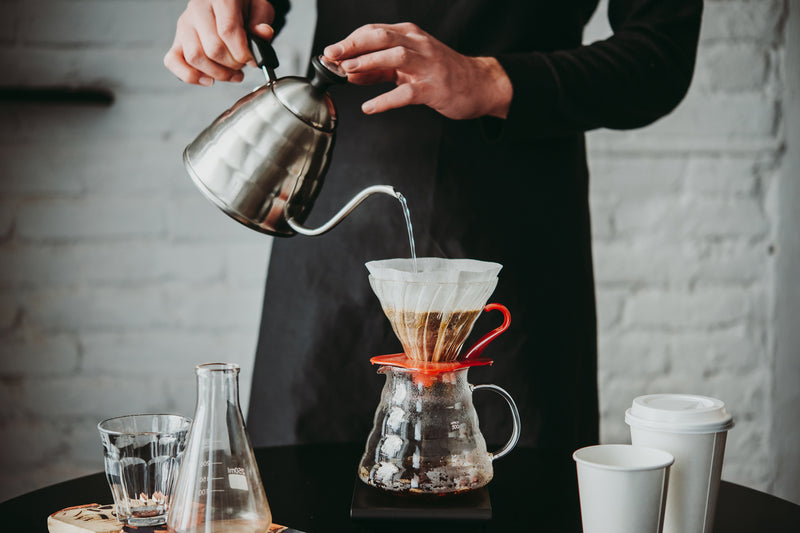
Pour over coffee, conversely, is all about precision and control. This manual brewing method requires active participation, using hot water poured in specific patterns over freshly ground coffee. The entire process takes just 2 to 4 minutes, but demands attention to variables like water temperature, grind size, pour technique, and timing. The result is a bright, aromatic cup that highlights the coffee's unique characteristics and origin flavors.
The Science Behind Each Method
The fundamental difference between these brewing methods lies in their extraction principles. Cold brew's extended steeping time in cool water favors the extraction of sugars and heavier compounds while leaving behind many of the acids and volatile compounds that can create bitterness. This results in a coffee concentrate that's naturally sweet, smooth, and often exhibits chocolatey or nutty flavor notes.
Cold Brew vs Pour Over Coffee: Brewing Variables and Flavor Profile Comparison
| Brewing Variable | Cold Brew | Pour Over | Impact on Flavor |
|---|---|---|---|
| Water Temperature | Room temperature (68-72°F) | 195-205°F | Hot water extracts acids and volatiles; cold water favors sugars |
| Brewing Time | 12-24 hours | 3-6 minutes | Extended time allows full extraction without heat; short time prevents over-extraction |
| Grind Size | Extra coarse (sea salt texture) | Medium to medium-fine | Coarse grind prevents over-extraction in long steeps; finer grind optimizes short contact time |
| Coffee-to-Water Ratio | 1:4 to 1:8 (concentrate) | 1:15 to 1:17 | Higher concentration compensates for lower extraction efficiency |
| Acidity Level | Low (pH 6.5-6.9) | Higher (pH 4.85-5.10) | Cold extraction reduces acidic compound extraction |
| Caffeine Content | 200-300mg per 8oz concentrate | 80-120mg per 8oz | Longer extraction time increases caffeine yield |
| Primary Flavor Notes | Chocolate, nuts, caramel | Bright, floral, fruity | Temperature affects which compounds are extracted |
| Shelf Life | 7-14 days refrigerated | Best consumed within 30 minutes | Cold brew concentrate remains stable longer due to lower acidity |
Pour over brewing operates on entirely different principles. The hot water temperature (typically 195-205°F) quickly extracts oils, acids, and aromatics from the coffee grounds. The controlled pouring technique allows for even saturation and optimal extraction time, resulting in a cup that showcases the coffee's brightness, acidity, and complex flavor notes. This method excels at highlighting single-origin coffees and their unique terroir characteristics.
Equipment and Investment Considerations
One of the most practical considerations when choosing between cold brew and pour over is the equipment investment and complexity. Cold brew requires minimal specialized equipment – a simple mason jar, French press, or dedicated cold brew maker can produce excellent results. The process is largely hands-off once you've combined coffee and water, making it ideal for busy schedules or batch preparation.
Coffee Industry Stock Price Comparison
Major coffee and beverage companies - December 2024
| Asset | Current Price | 24h | 7d | 30d | Market Cap |
|---|---|---|---|---|---|
| Starbucks Corporation SBUX | $98.45 | +1.2% | -2.8% | +5.7% | $112.5B |
| Dunkin' Brands Group DNKN | N/A | N/A | N/A | N/A | Delisted |
| Peet's Coffee PEET | N/A | N/A | N/A | N/A | Private |
| Keurig Dr Pepper KDP | $34.82 | +0.8% | +1.5% | +3.2% | $48.7B |
| Nestle SA NESN.SW | CHF 84.50 | +0.3% | -1.1% | +2.8% | CHF 246B |
| JDE Peet's JDEP.AS | €23.15 | -0.5% | +2.1% | +4.6% | €11.8B |
Analysis Summary
Starbucks dominates with the largest market cap at $112.5B, while several major coffee brands have been acquired or taken private. The specialty coffee brewing trend benefits equipment manufacturers and premium coffee suppliers.
Key Insights
- Starbucks remains the largest publicly traded pure-play coffee company with strong market presence
- Dunkin' was acquired by Inspire Brands in 2020 and is no longer publicly traded
- The cold brew and pour-over trend drives demand for premium coffee beans, benefiting suppliers like JDE Peet's and Nestle's coffee division
Prices reflect recent trading data. Some companies are no longer publicly traded due to acquisitions. Currency conversions approximate.
Disclaimer: Stock prices are highly volatile and subject to market fluctuations. Data is for informational purposes only and should not be considered investment advice. Always do your own research before making investment decisions.
Pour over coffee demands more specialized equipment and technique mastery. Essential tools include a quality burr grinder, gooseneck kettle for precise pouring, appropriate dripper (V60, Chemex, or Kalita), and proper filters. While the initial investment can be higher, pour over equipment often provides more versatility and the ability to experiment with different brewing variables.
Time Investment and Lifestyle Compatibility
Your daily routine and coffee consumption habits play a crucial role in determining which method suits you best. Cold brew excels in convenience and preparation efficiency. While the initial steeping time is lengthy, you can prepare large batches that last several days in the refrigerator. This makes cold brew perfect for meal prep enthusiasts, busy professionals, or anyone who wants ready-to-drink coffee without daily preparation.
Pour over coffee requires daily attention and time investment, typically 5-10 minutes per cup including grinding and brewing. However, this hands-on approach appeals to coffee enthusiasts who enjoy the ritual and precision of manual brewing. The method also allows for immediate consumption and the ability to adjust variables for each cup based on mood or coffee selection.
Mastering Pour Over Coffee: Equipment, Technique, and Precision
Pour over coffee represents the pinnacle of manual brewing precision, allowing coffee enthusiasts to control every variable in the extraction process. This method has gained tremendous popularity in 2024 due to its ability to highlight the unique characteristics of single-origin beans and create a clean, bright cup that showcases coffee's natural flavors.
Essential Pour Over Equipment for 2024
The pour over coffee guide begins with selecting the right equipment. Your choice of dripper significantly impacts the final cup quality. The Hario V60 remains the gold standard for its conical design and spiral ridges that promote even extraction. The Chemex offers a thicker filter that produces an exceptionally clean cup, while the Kalita Wave provides consistent flat-bottom brewing with its unique wave filters.
Cold Brew vs Pour Over Coffee: Complete Brewing Comparison
| Brewing Method | Brew Time | Water Temperature | Grind Size | Acidity Level | Caffeine Content |
|---|---|---|---|---|---|
| Cold Brew Concentrate | 12-24 hours | Room temperature (68-72°F) | Extra coarse | Low (pH 6.5-6.9) | 200-300mg per 8oz |
| V60 Pour Over | 2-4 minutes | 195-205°F | Medium-fine | Medium-high (pH 4.8-5.2) | 95-165mg per 8oz |
| Chemex Pour Over | 4-6 minutes | 195-205°F | Medium-coarse | Medium (pH 5.0-5.5) | 80-135mg per 8oz |
| Kalita Wave Pour Over | 3-4 minutes | 195-205°F | Medium | Medium (pH 5.0-5.4) | 90-150mg per 8oz |
| Cold Brew Diluted | 12-24 hours prep | Cold serving temp | Extra coarse | Very low (pH 6.2-6.7) | 100-150mg per 8oz |
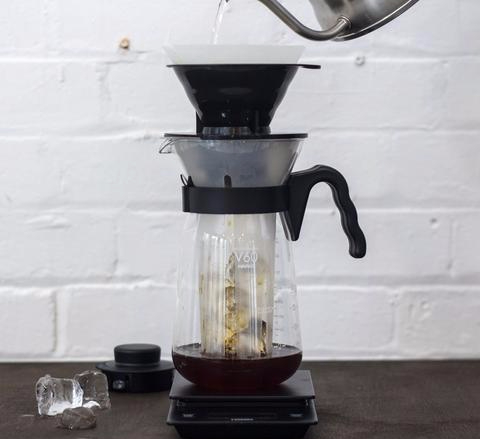
| Japanese Iced Coffee | 3-4 minutes | 200-205°F | Medium-fine | Medium-high (pH 4.9-5.3) | 85-140mg per 8oz |
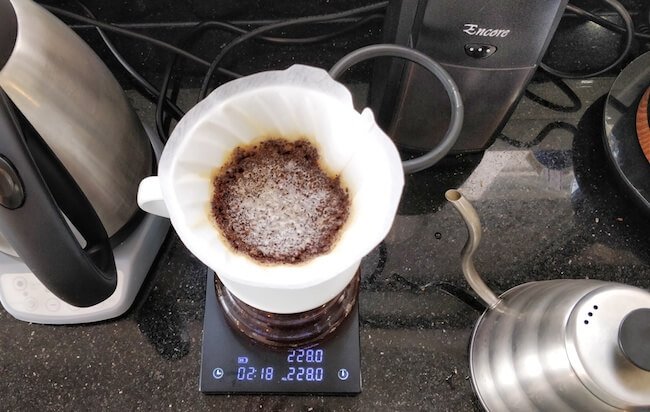
Beyond the dripper, precision scales with built-in timers have become essential tools in coffee brewing methods 2024. Temperature-controlled kettles, preferably gooseneck models, ensure optimal water temperature between 195-205°F and provide the control needed for proper pouring technique.
Step-by-Step Pour Over Brewing Guide
Mastering pour over requires understanding the relationship between grind size, water temperature, and timing. The coffee-to-water ratio typically ranges from 1:15 to 1:17, depending on your taste preferences and the specific coffee being brewed.
The Science Behind Pour Over Extraction
Pour over coffee achieves its distinctive flavor profile through controlled extraction that emphasizes brightness and clarity. The hot water temperature and relatively quick brew time (2-4 minutes) efficiently extract acids and lighter compounds while minimizing bitter elements. This creates a cup that showcases the coffee's origin characteristics and processing method.
The bloom phase, where you initially wet the grounds with twice their weight in water, is crucial for even extraction. This 30-second pause allows CO2 to escape, ensuring uniform saturation during the main pour. The circular pouring motion maintains consistent water contact and prevents channeling, which can lead to uneven extraction.
Pour Over vs Cold Brew: Flavor Profile Comparison
When comparing cold brew vs pour over, the differences in extraction method create distinctly different flavor experiences. Pour over emphasizes acidity, floral notes, and origin-specific characteristics, making it ideal for showcasing high-quality single-origin coffees. The hot water extraction pulls out bright, complex flavors that change as the coffee cools, providing an evolving tasting experience.
Cold Brew vs Pour Over Coffee: Complete Brewing Comparison
| Brewing Method | Brew Time | Water Temperature | Grind Size | Flavor Profile |
|---|---|---|---|---|
| Cold Brew | 12-24 hours | Room temperature (68-72°F) | Extra coarse | Smooth, low acidity, chocolatey, sweet |
| Pour Over (V60) | 3-4 minutes | 195-205°F | Medium-fine | Bright, clean, floral, fruity |
| Pour Over (Chemex) | 4-6 minutes | 195-205°F | Medium-coarse | Clean, balanced, tea-like body |
| Pour Over (Kalita Wave) | 3-5 minutes | 195-205°F | Medium | Consistent, balanced, full-bodied |
| Cold Brew Concentrate | 18-24 hours | Cold water (32-40°F) | Extra coarse | Intense, syrupy, low bitterness |
| Japanese Iced Coffee | 3-4 minutes | 200-205°F | Medium-fine | Bright acidity, crisp, refreshing |
Cost Analysis: Pour Over Investment
Pour over coffee offers excellent value for coffee enthusiasts seeking quality without the high cost of espresso machines. Initial equipment investment is relatively modest, and the ongoing costs are primarily coffee beans and filters.
Advanced Pour Over Techniques for 2024
Modern pour over techniques have evolved to include pulse pouring, where water is added in measured intervals, and the bypass method, where some water bypasses the coffee bed to adjust strength. These best brewing techniques allow for fine-tuning extraction to match specific coffee profiles and personal preferences.
Temperature stepping, where you begin with slightly cooler water and increase temperature during brewing, has gained popularity for extracting complex flavors from light-roasted coffees. This technique, combined with precise timing and consistent pouring patterns, represents the cutting edge of manual brewing in 2024.
Pour Over Recipe for Perfect Extraction
Achieving consistency in pour over brewing requires following proven ratios and timing. This foundation recipe can be adjusted based on your taste preferences and the specific characteristics of your chosen coffee beans.
Making Your Choice: When to Choose Cold Brew vs Pour Over
Understanding when to choose cold brew vs pour over coffee depends on your personal preferences, lifestyle, and brewing goals. Each method serves different occasions and palates, making the choice highly individual.
Flavor Profile Comparison
Cold brew delivers a fundamentally different taste experience compared to pour over coffee. The extended cold extraction process creates a smooth, low-acid concentrate with pronounced chocolate and caramel notes. The absence of heat prevents the extraction of bitter compounds and volatile acids, resulting in a naturally sweet and mellow cup.
Pour over coffee, conversely, showcases the full spectrum of coffee flavors through precise hot water extraction. This method highlights origin characteristics, producing bright acidity, complex aromatics, and nuanced flavor notes that change as the coffee cools. The controlled brewing process allows skilled baristas to emphasize specific flavor elements through technique adjustments.
Equipment Investment and Cost Analysis
The financial commitment for each brewing method varies significantly, affecting long-term coffee enjoyment and budget considerations.
Cold brew requires minimal initial investment, with basic setups starting under $20 for mason jar brewing systems. Premium cold brew makers range from $30 to $150, offering features like built-in filters and serving carafes. The primary ongoing cost involves coffee beans, with cold brew requiring approximately 1:8 coffee-to-water ratios.
Pour over equipment spans a broader price range, from $15 plastic drippers to $200+ ceramic and metal options. Essential accessories include gooseneck kettles ($40-$150), digital scales ($25-$100), and quality filters ($10-$20 monthly). While initial costs are higher, pour over brewing uses less coffee per cup, typically following 1:15 to 1:17 ratios.
Step-by-Step Cold Brew Mastery
Advanced Pour Over Technique
Perfect Cold Brew Concentrate Recipe
Lifestyle Considerations and Practical Applications
Your daily routine and coffee consumption habits significantly influence the optimal brewing method choice. Cold brew excels in convenience and preparation efficiency, allowing batch brewing that serves multiple days. The concentrate stores refrigerated for up to two weeks, making it ideal for busy professionals and hot weather consumption.
Pour over coffee demands active engagement and time commitment for each cup, typically requiring 5-8 minutes of focused attention. This method suits coffee enthusiasts who enjoy the meditative brewing ritual and prefer fresh, immediately consumed coffee. The technique rewards practice and experimentation, making it perfect for weekend mornings and deliberate coffee experiences.
Seasonal and Situational Recommendations
Climate and occasion often dictate the most appropriate brewing method. Cold brew naturally suits summer months and warm climates, providing refreshing caffeine delivery without additional heat. Its smooth profile complements milk alternatives and flavored additions, making it versatile for creative coffee drinks.
Pour over coffee shines during cooler seasons when hot beverages provide comfort and warmth. The aromatic brewing process enhances the sensory experience, while the bright acidity and complex flavors pair excellently with morning routines and afternoon breaks.
Test Your Coffee Knowledge
Both cold brew and pour over coffee offer distinct advantages for different coffee enthusiasts. Cold brew provides convenience, smoothness, and versatility, while pour over delivers precision, complexity, and engagement. Understanding these differences enables informed decisions that enhance your daily coffee experience and align with your lifestyle preferences.
No comments yet. Be the first to share your thoughts!