
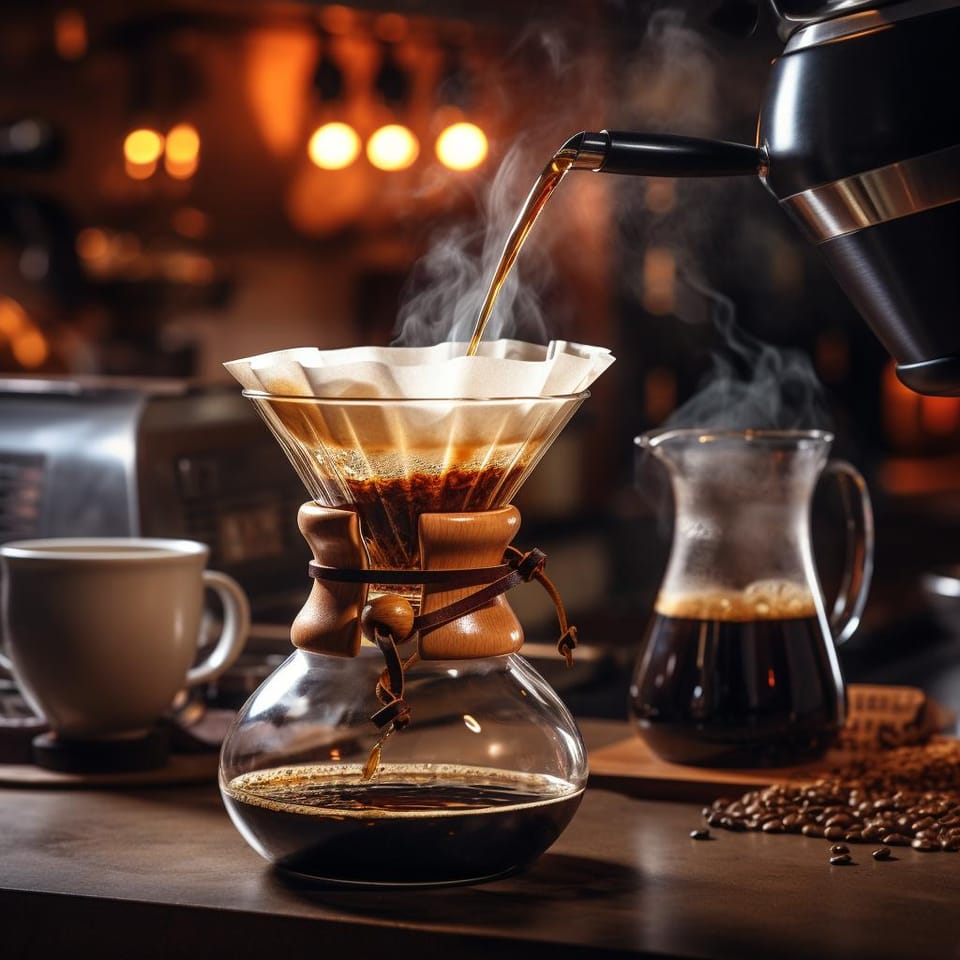

Choosing the Best Pour Over Coffee Dripper for Your Taste
As a coffee aficionado, you understand that the journey to a perfect cup of coffee begins long before the brew. It starts with choosing the best pour over coffee dripper that suits your taste. But how do you make this choice? Let's delve into the world of coffee drippers and find the one that's just right for you.
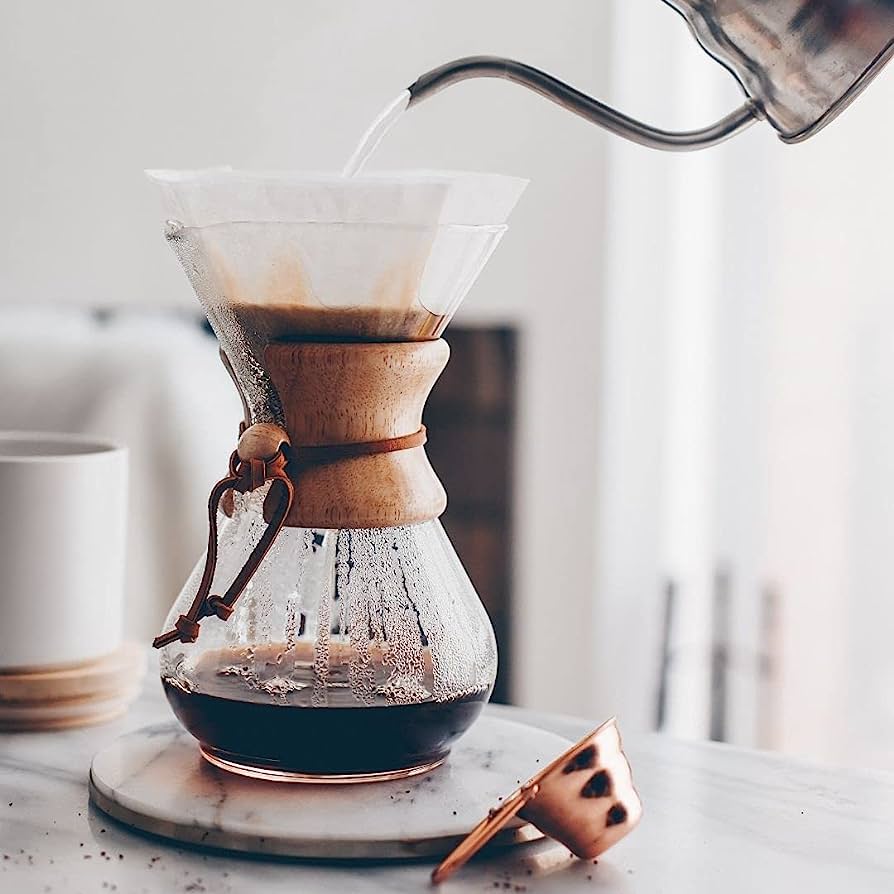
The first thing to consider is the material of the dripper. Ceramic and glass drippers retain heat well, ensuring a consistent temperature throughout the brewing process. Stainless steel drippers, on the other hand, are durable and portable, making them perfect for travel.
Next, pay attention to the design. Some drippers have a flat bottom, which allows for a slower and more even extraction. Others have a cone shape, which can highlight the bright, fruity notes in your coffee.
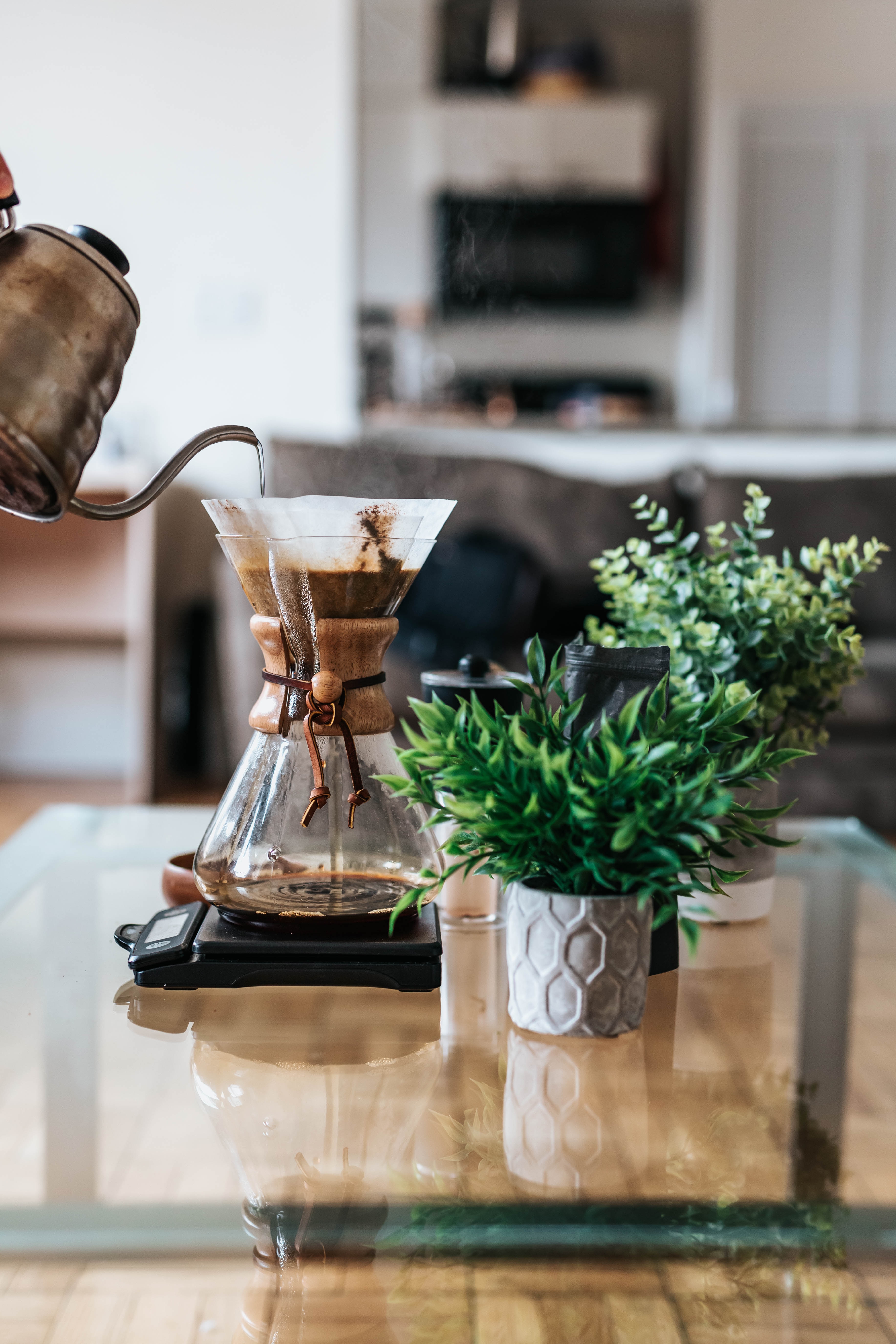
Lastly, consider the size of the dripper. If you usually brew for one, a small dripper will suffice. But if you often make coffee for a group, you might want to invest in a larger model.
Remember, the best pour over coffee dripper is the one that fits your lifestyle and taste preferences. So take your time, explore your options, and soon you'll be brewing coffee that's just as unique as you are.
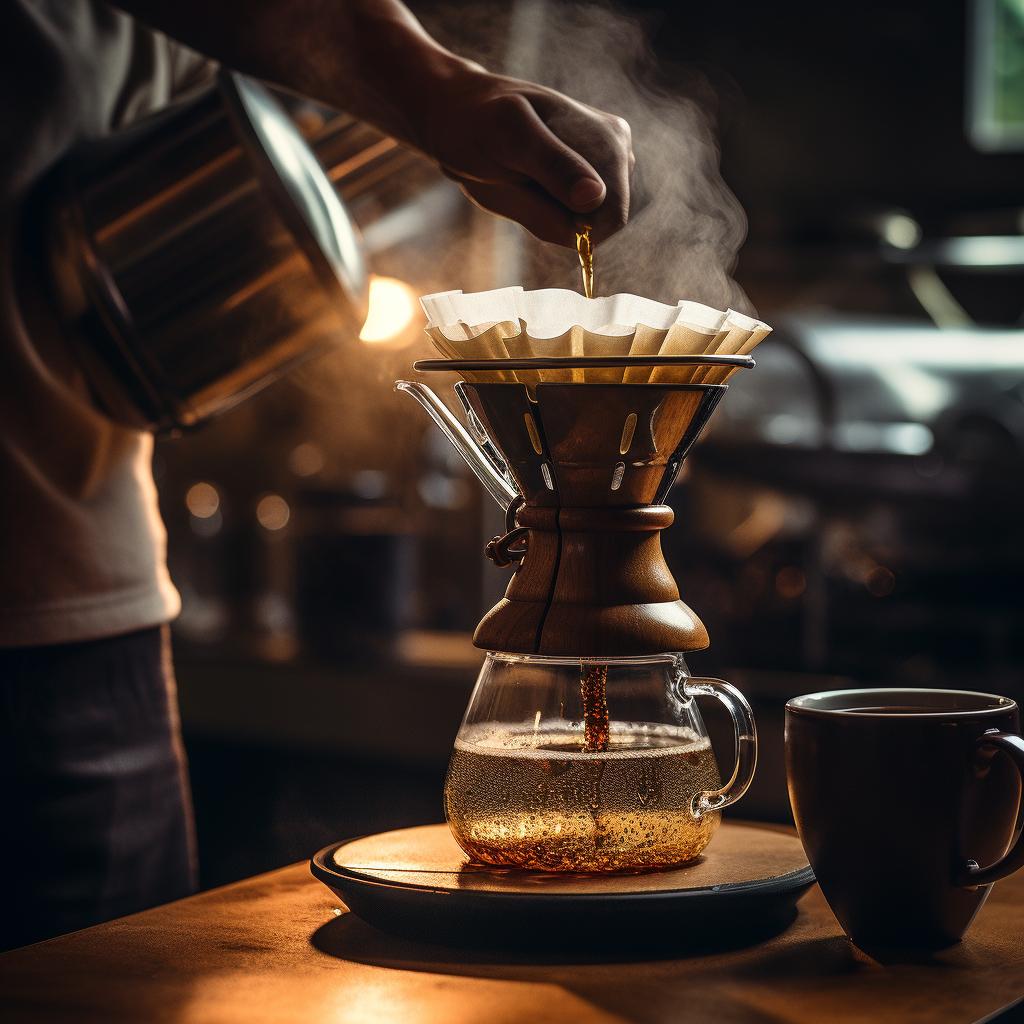
Exploring the Differences: Chemex vs. Pour Over Coffee
A Comprehensive Guide to Coffee Makers for Pour Over Brewing
Let's dive into the world of coffee makers designed for pour over brewing, a method that's all about precision and control. With the right coffee maker, you can unlock the full potential of your beans and create a brew that's perfectly suited to your taste buds.
The Classic Chemex
First on our list is the iconic Chemex. This elegant glass coffee maker is not only a beautiful addition to your kitchen, but also a fantastic tool for brewing pour over coffee. Its unique design allows for a clean, flavorful brew, free of any unwanted oils or sediments. 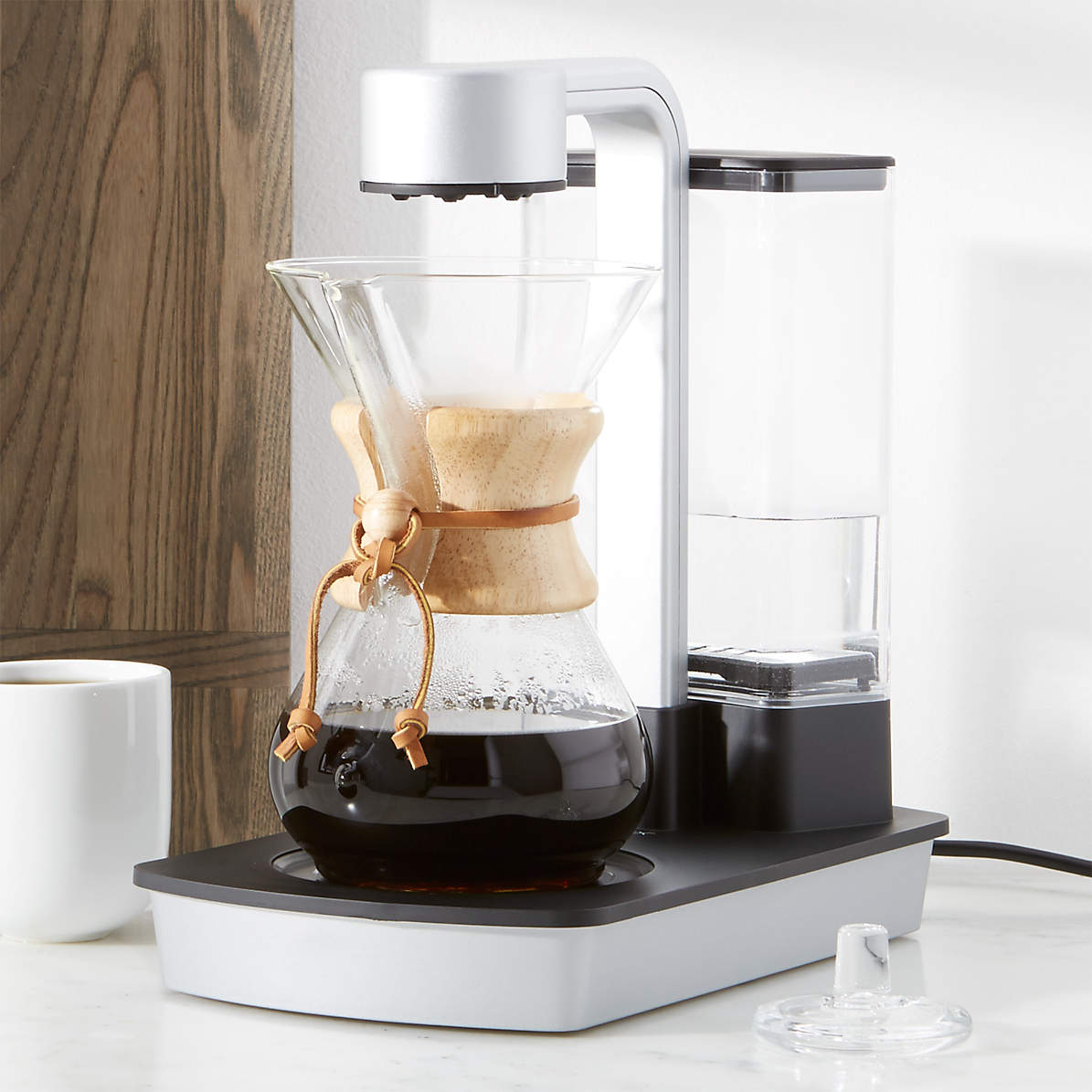
The Versatile V60
Next up is the Hario V60, a favorite among coffee enthusiasts worldwide. The V60 is known for its versatility, allowing you to adjust variables like pour speed and water temperature to fine-tune your brew. Its conical shape and spiral ridges also help to extract the coffee evenly, resulting in a balanced and complex cup. 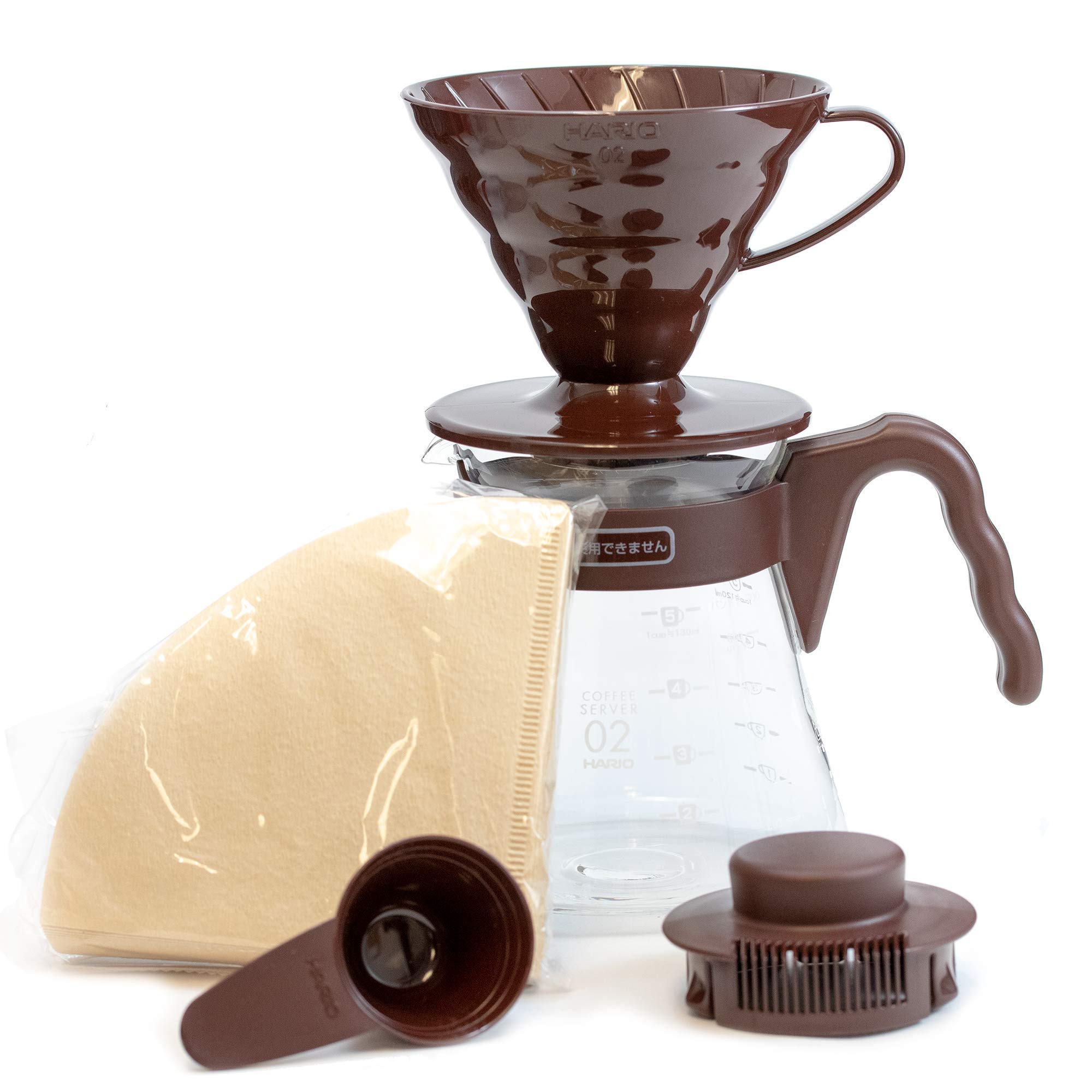
The Beginner-Friendly Bee House
If you're new to the world of pour over coffee, the Bee House dripper is a great place to start. Its design is more forgiving than the Chemex or V60, making it easier to achieve a good brew even if your technique isn't perfect. 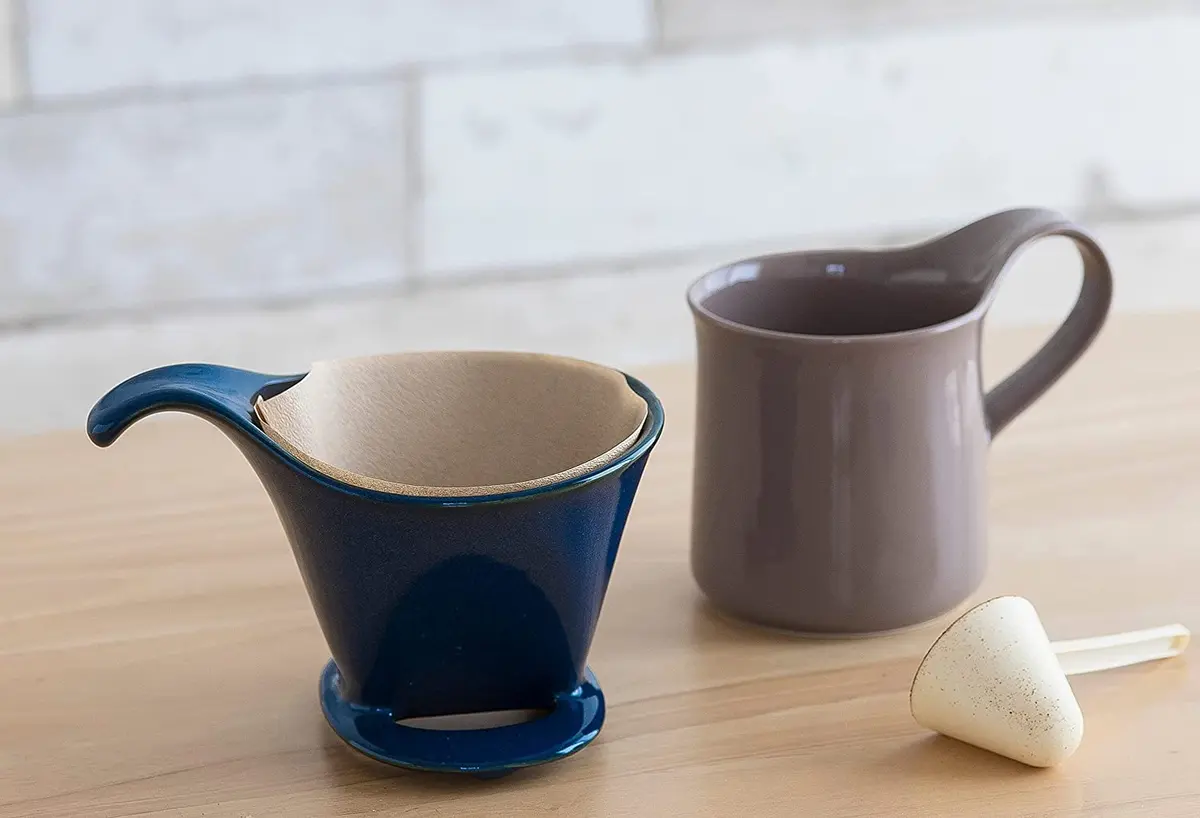
Remember, the best pour over coffee dripper is the one that suits your personal taste and brewing style. So don't be afraid to experiment and find the one that's perfect for you!
Mastering the Art of Pour Over Coffee: A Step-by-Step Guide
Now that you've chosen your ideal coffee dripper, let's delve into the heart of the matter - mastering the art of pour over coffee. This step-by-step guide will help you unlock the full potential of your chosen coffee dripper and elevate your coffee experience to new heights.
Step 1: Measure Your Coffee
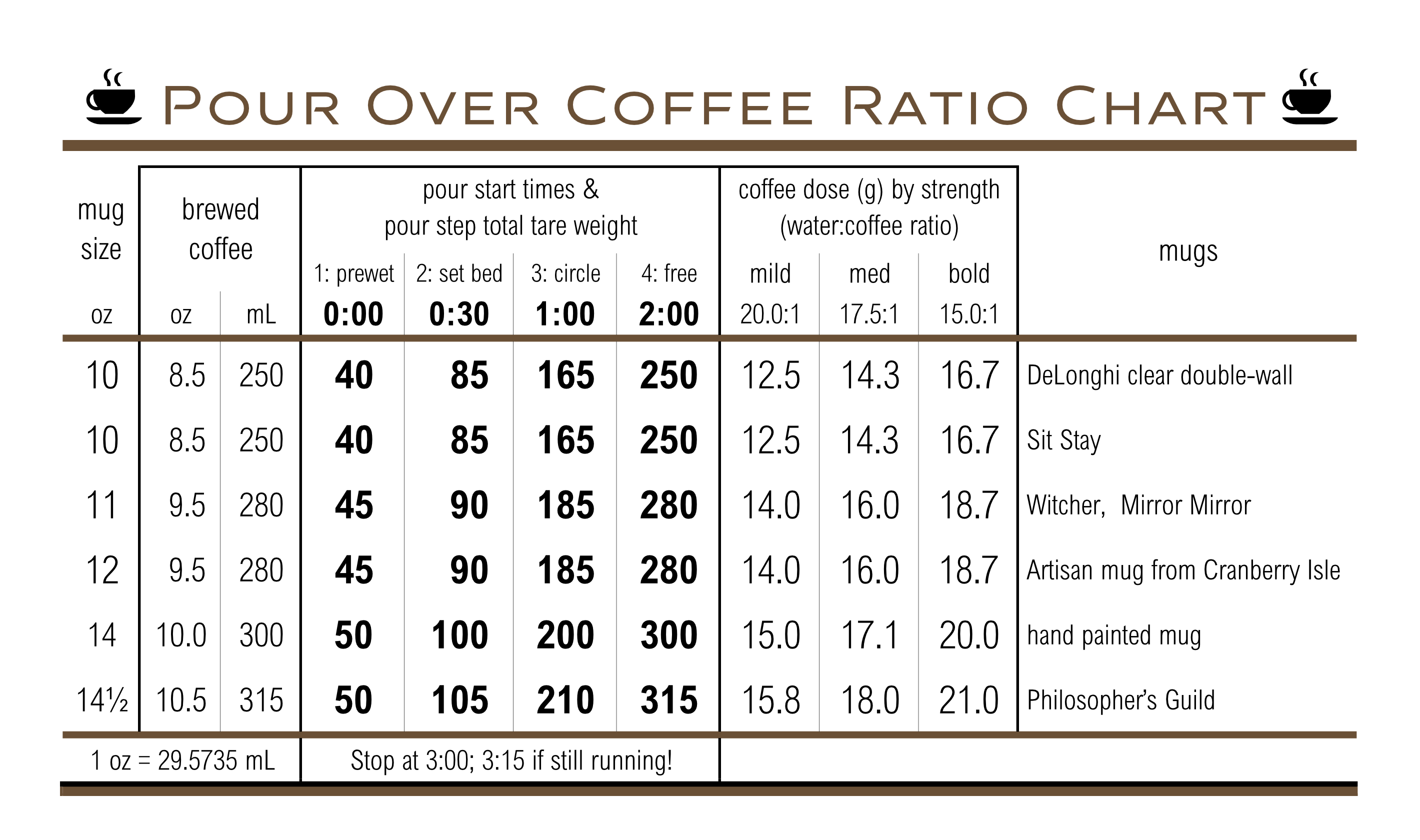
Start by measuring your coffee. The golden rule in the coffee world is to use 1 to 2 tablespoons of coffee for every 6 ounces of water. However, the perfect pour over coffee ratio can vary based on your personal taste. Feel free to experiment until you find your perfect balance. 
Step 2: Heat Your Water
Next, heat your water to the right temperature. The ideal range is between 195 to 205 degrees Fahrenheit. Too hot, and you risk over-extracting your coffee; too cold, and you won't extract enough flavor. 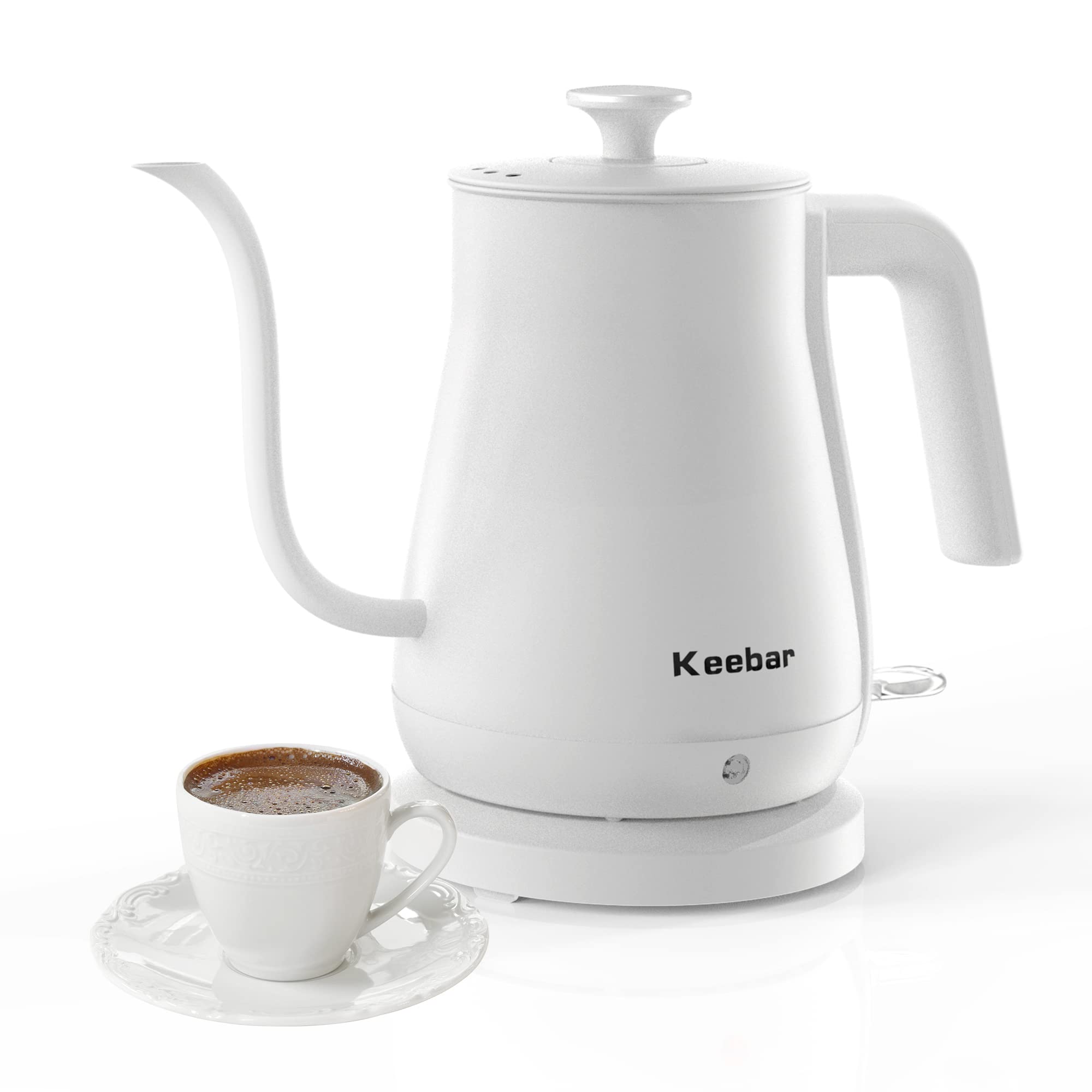
Step 3: Wet Your Filter
Before adding your coffee, wet your filter with hot water. This will remove any paper taste and preheat your coffee dripper. 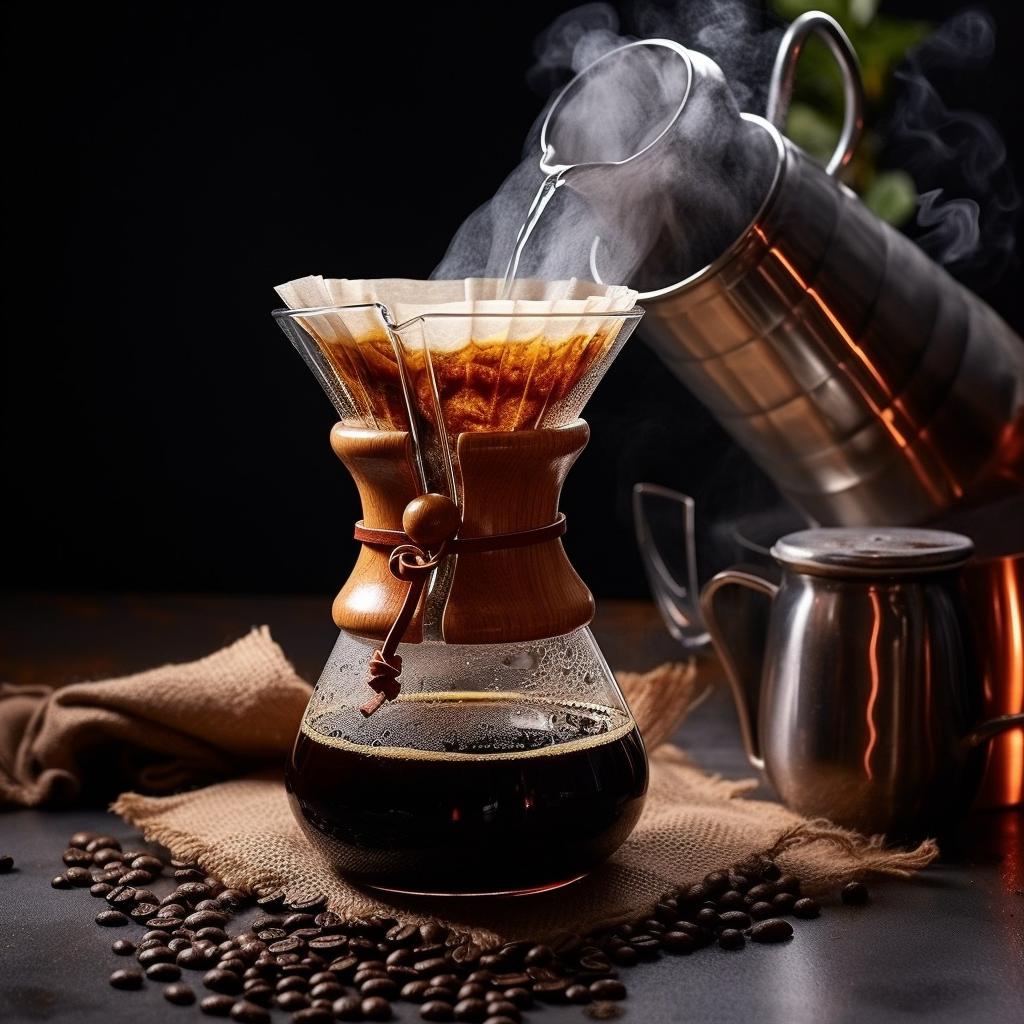
Step 4: Brew Your Coffee
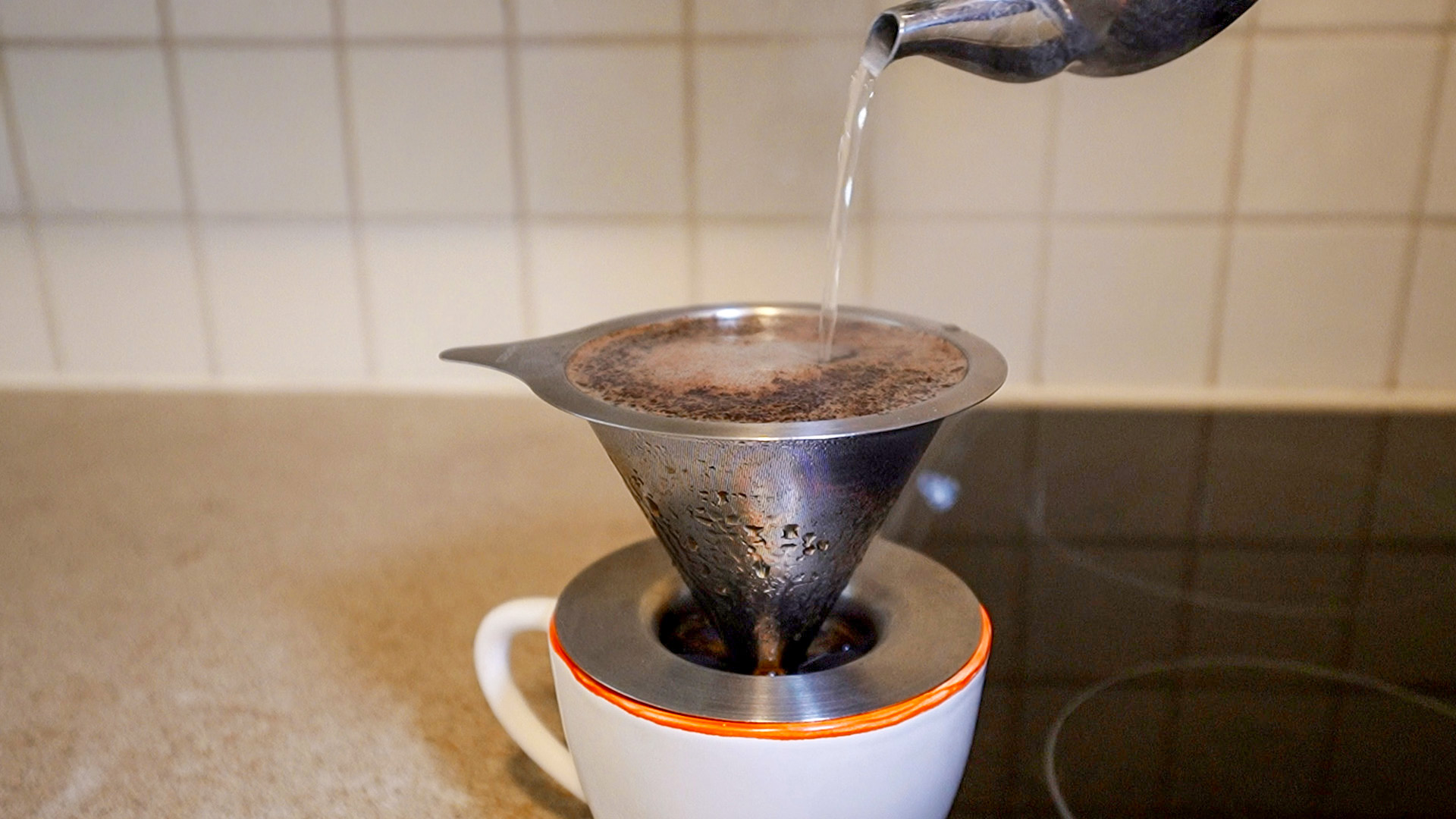
Now, add your coffee to the filter and slowly pour your hot water over the grounds, starting from the middle and working your way out in a circular motion. This technique ensures even extraction and maximizes pour over coffee taste. 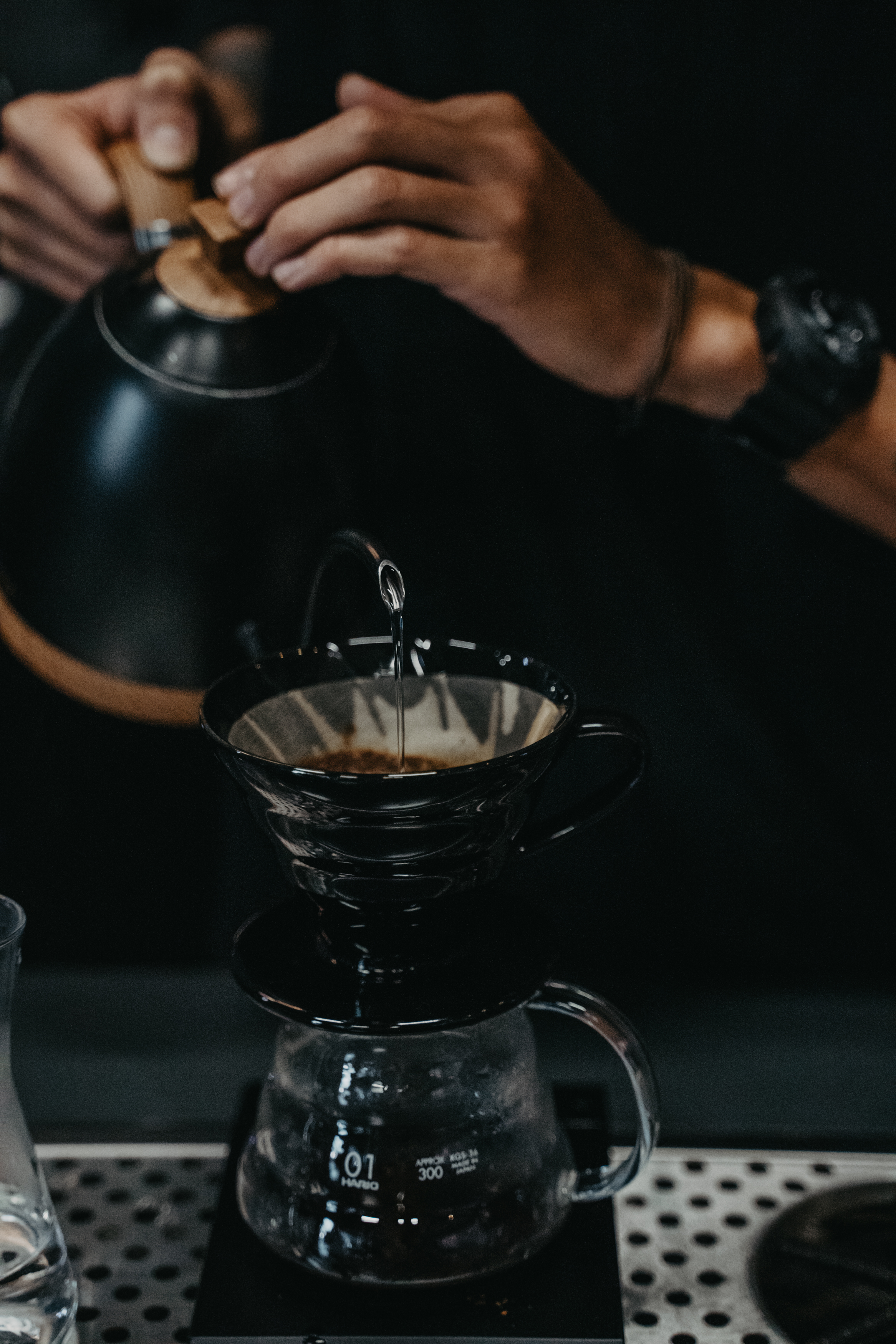
Step 5: Enjoy Your Coffee
Finally, remove your filter, pour your coffee into your favorite mug, and enjoy! Remember, the beauty of pour over coffee lies in the process as much as the end result. So take your time, savor each step, and immerse yourself in the rich, aromatic world of coffee. 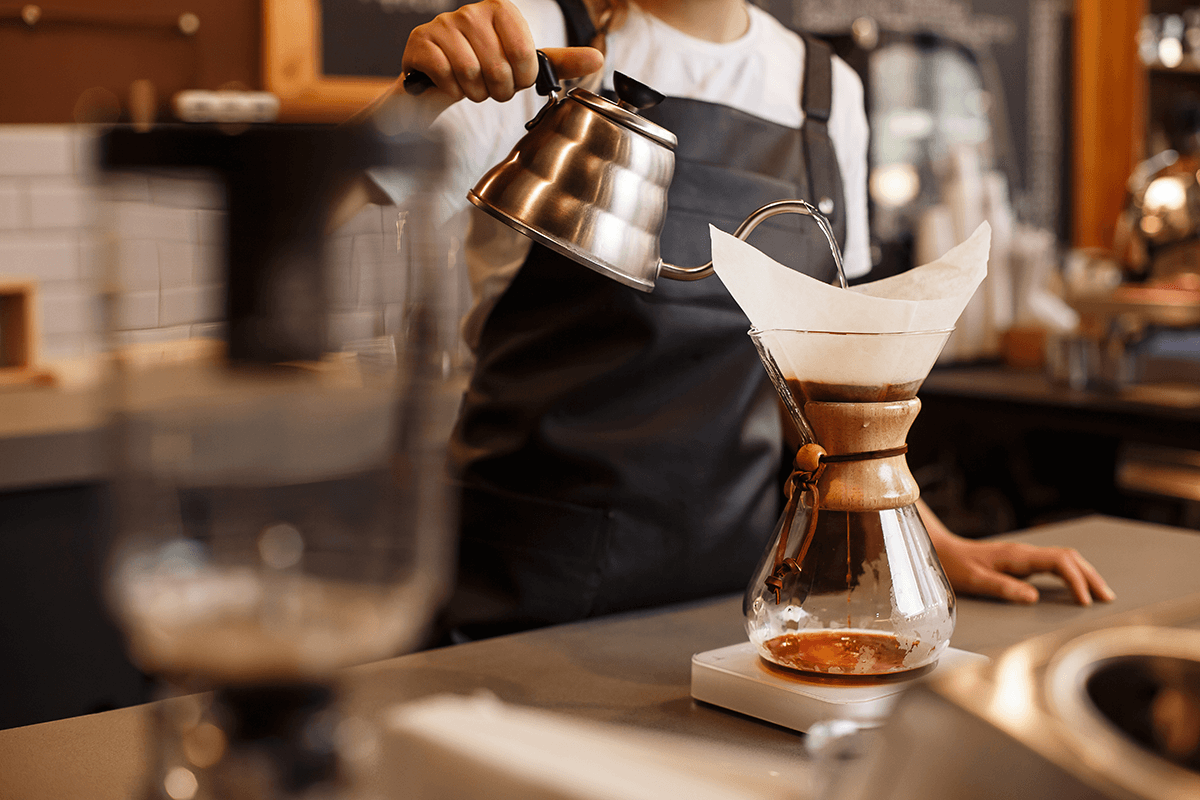
With practice and patience, you'll soon become a master of pour over coffee, capable of brewing a cup that rivals any barista-made brew. So go forth, explore, and let your love for coffee guide you on this exciting journey.
Finding the Perfect Pour Over Coffee Ratio for Your Brew
Now that we've covered the basics of pour over brewing, let's dive deeper into the heart of the matter: Finding the Perfect Pour Over Coffee Ratio for Your Brew. This is where the magic happens, where you can truly customize your cup to suit your taste buds.
As a general rule of thumb, a good starting point for your pour over coffee ratio is 1 to 2 tablespoons of coffee for every 6 ounces of water. However, this is not a one-size-fits-all rule. The beauty of pour over coffee lies in its flexibility and adaptability.
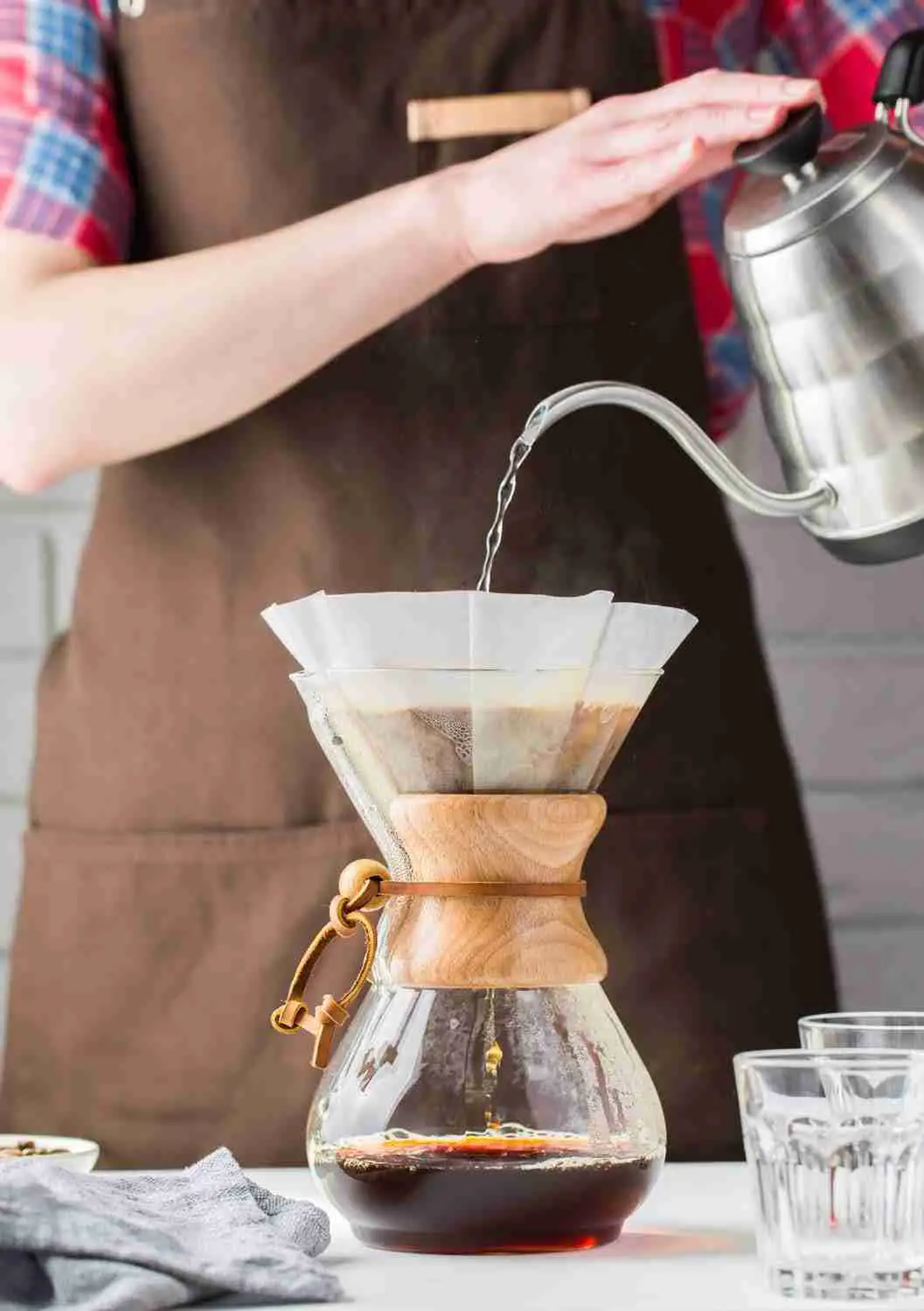
Are you a fan of strong, robust coffee? Then you might want to use a higher coffee-to-water ratio. Do you prefer a milder, smoother cup? Then a lower ratio might be more to your liking. The key here is to experiment and adjust until you find your personal sweet spot.
Remember, the type of coffee you use can also affect the taste of your brew. Different coffee beans have different flavor profiles, so feel free to experiment with different types of coffee as well.
Ultimately, the perfect pour over coffee ratio is a matter of personal preference. It's all about finding the right balance that brings out the best in your coffee and makes your taste buds sing. So go ahead, play around with your pour over coffee ratios, and discover your perfect brew.
As your guide in this aromatic journey, I, Emma Latte, encourage you to explore, experiment, and enjoy the art of coffee brewing. After all, coffee is not just a beverage, it's an experience.
Maximizing the Taste of Your Pour Over Coffee: Tips and Techniques
Now that you've got your perfect pour over coffee ratio, let's move on to the next exciting chapter in our coffee journey: Maximizing the Taste of Your Pour Over Coffee: Tips and Techniques. This is where we'll delve into the finer details of pour over brewing that can make a world of difference to your cup of joe.
Firstly, let's talk about water. The quality of water you use can significantly impact the taste of your coffee. Always use fresh, clean water, preferably filtered. Avoid distilled or softened water as it can make your coffee taste flat. 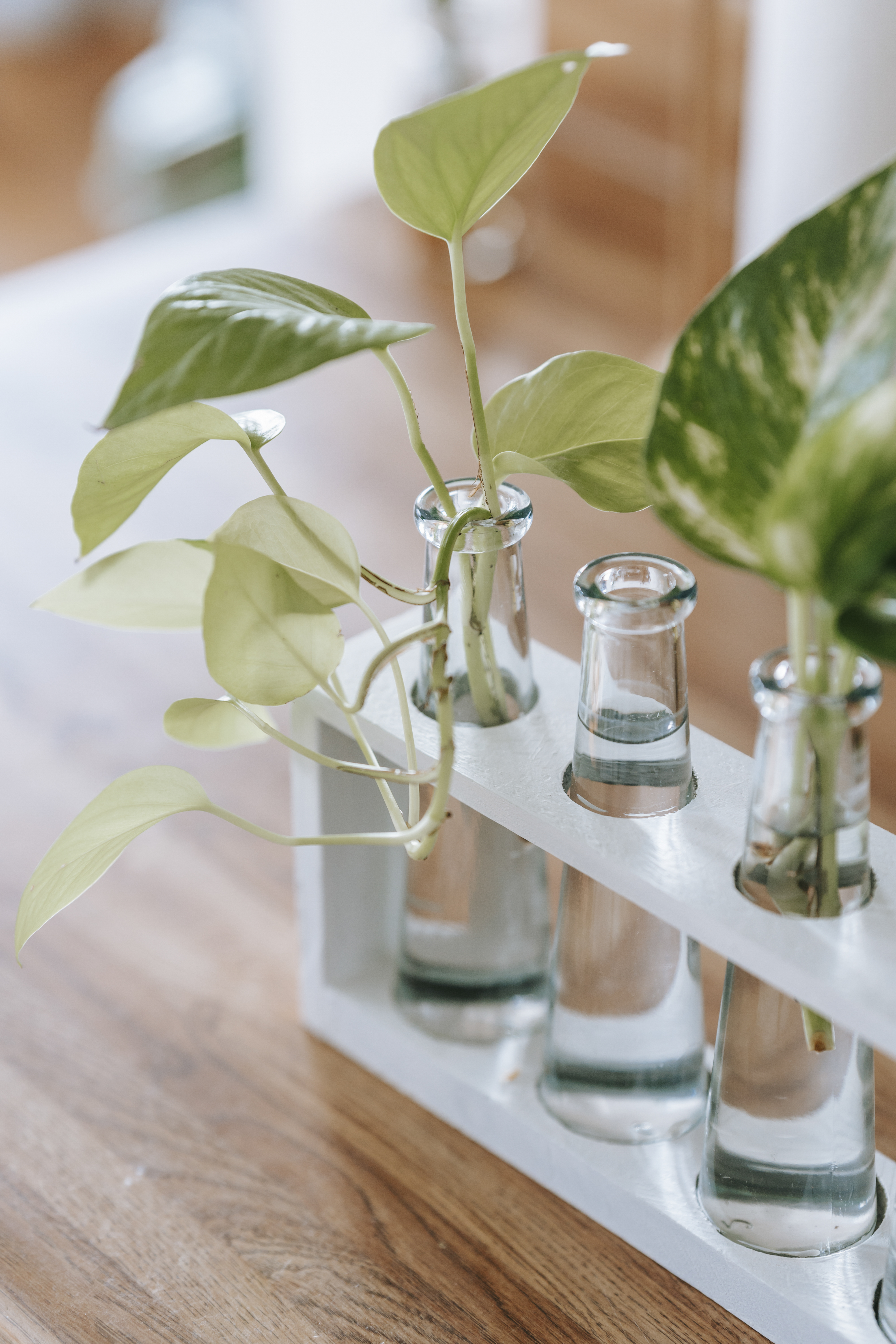
Next, consider the temperature of your water. The ideal water temperature for pour over coffee is between 195 to 205 degrees Fahrenheit. Too hot, and you risk over-extracting your coffee, leading to a bitter taste. Too cold, and you'll under-extract, resulting in a weak, underwhelming brew. 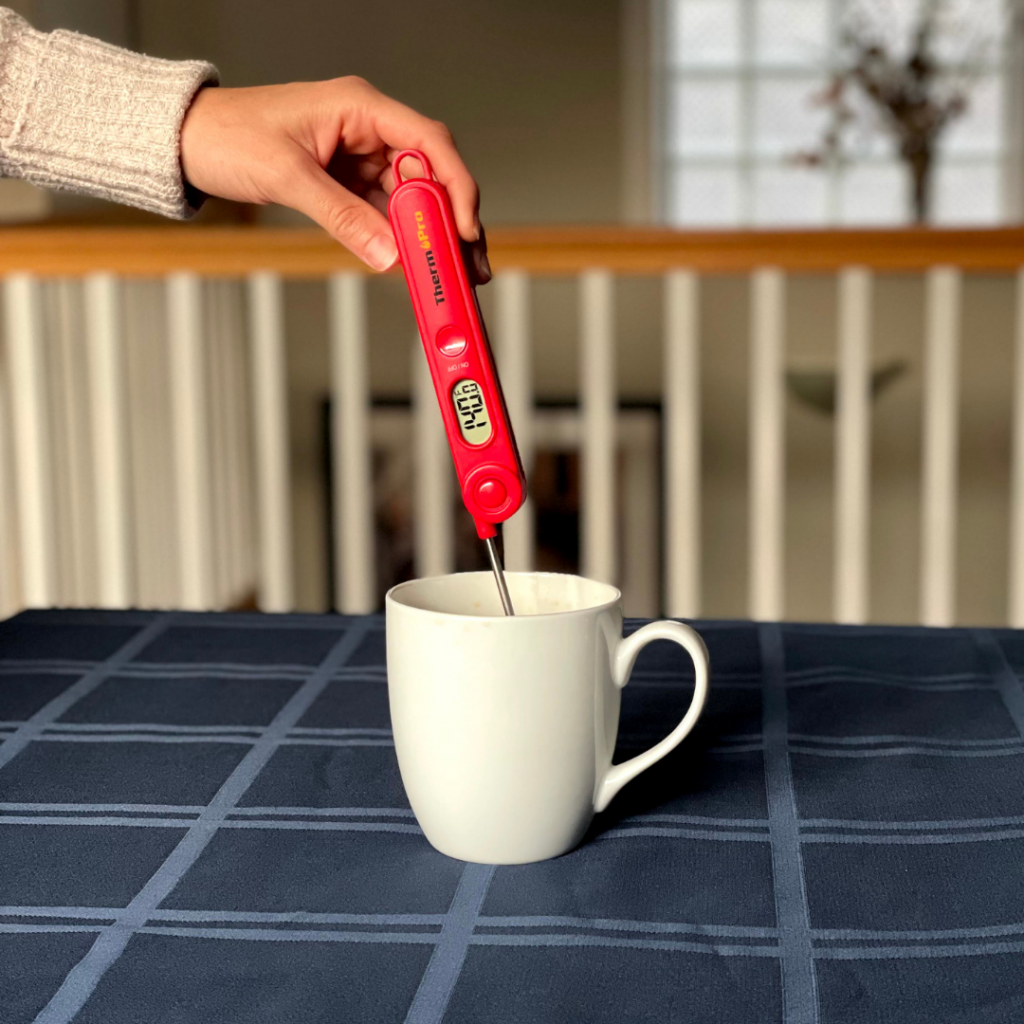
Grind size is another crucial factor. For the best pour over coffee, aim for a medium-coarse grind. This will ensure a balanced extraction and a delicious, full-bodied flavor. 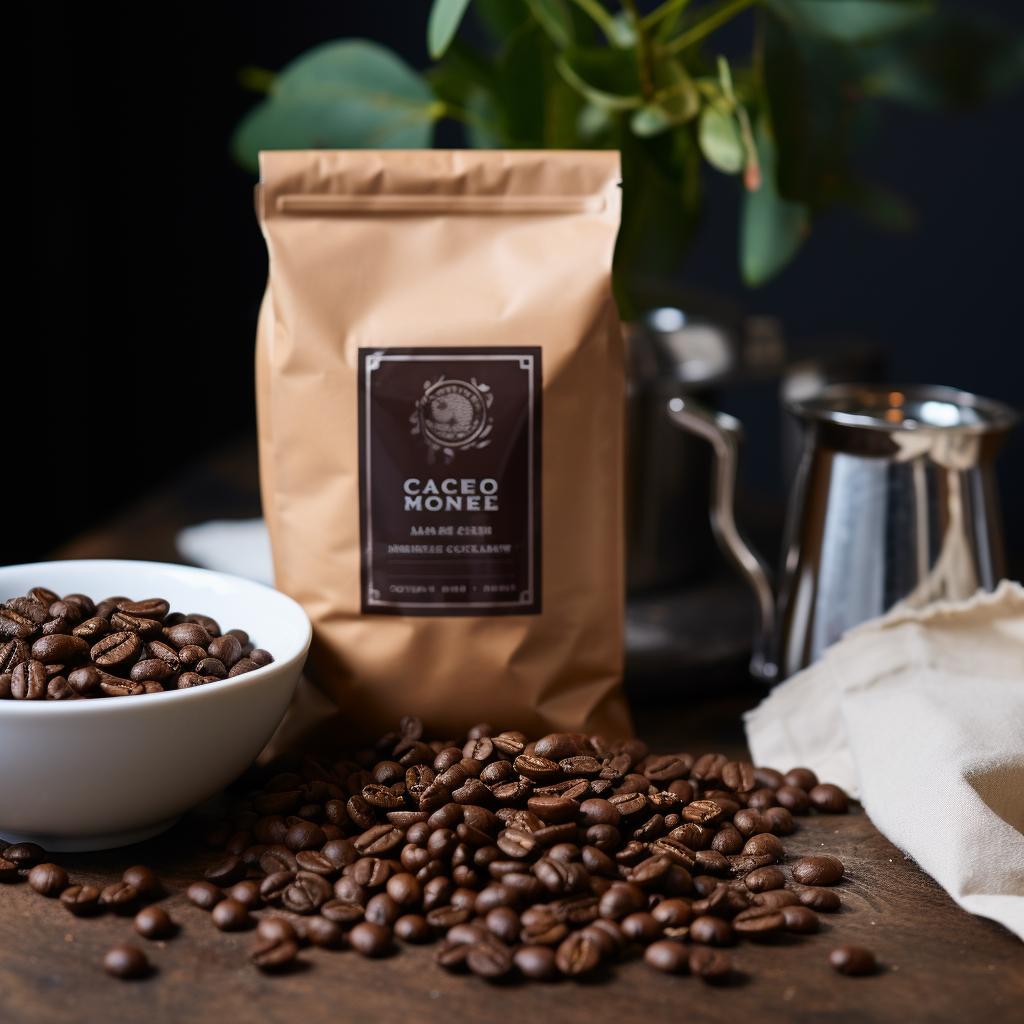
Lastly, don't forget about the pour itself. Pour your water slowly and evenly over the coffee grounds, starting from the middle and working your way out in a circular motion. This will ensure all the coffee grounds are evenly saturated, leading to a more balanced and flavorful brew. 
Remember, the joy of coffee lies in the journey, not just the destination. So take your time, experiment with these tips and techniques, and find what works best for you. As your coffee guide, I, Emma Latte, am here to help you navigate this aromatic world. So let's continue our exploration, one delicious cup at a time.
Selecting the Right Coffee Beans for Your Pour Over Brewing
As we journey deeper into the world of pour over coffee, we arrive at a crucial juncture: Selecting the Right Coffee Beans for Your Pour Over Brewing. The beans you choose will significantly influence the final taste of your pour over coffee. So, how do you make the right choice? Let's dive in.
Firstly, it's essential to understand that coffee beans are not all created equal. They come in different varieties, each with its unique flavor profile. For instance, Arabica beans are known for their sweet, delicate flavor and low acidity, while Robusta beans have a stronger, more bitter taste with a higher caffeine content. 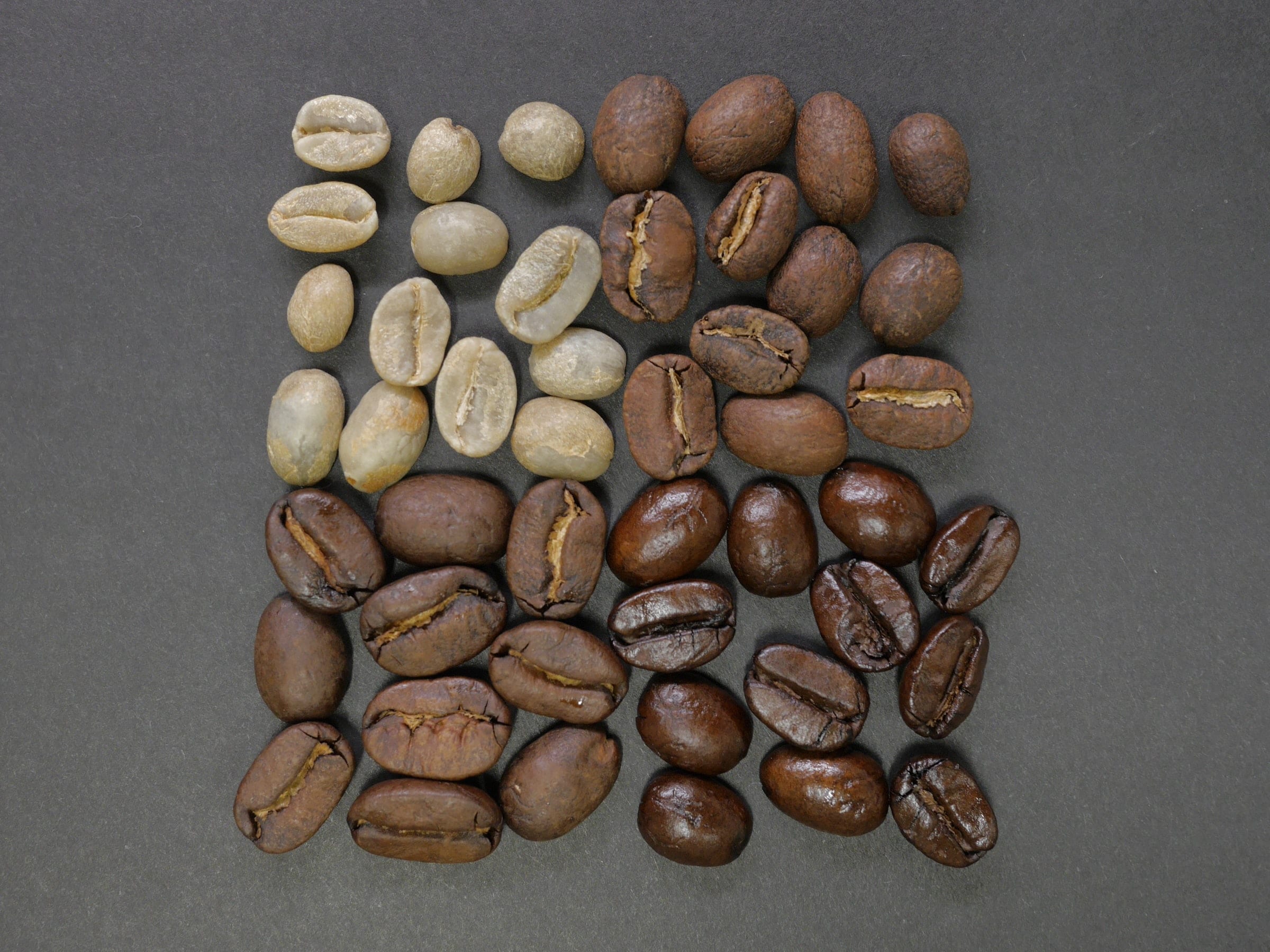
When choosing coffee beans for your pour over, consider the roast level. Light roasts are perfect for those who prefer a more acidic, complex flavor. Medium roasts strike a balance between acidity and bitterness, while dark roasts are less acidic and have a robust, full-bodied flavor. 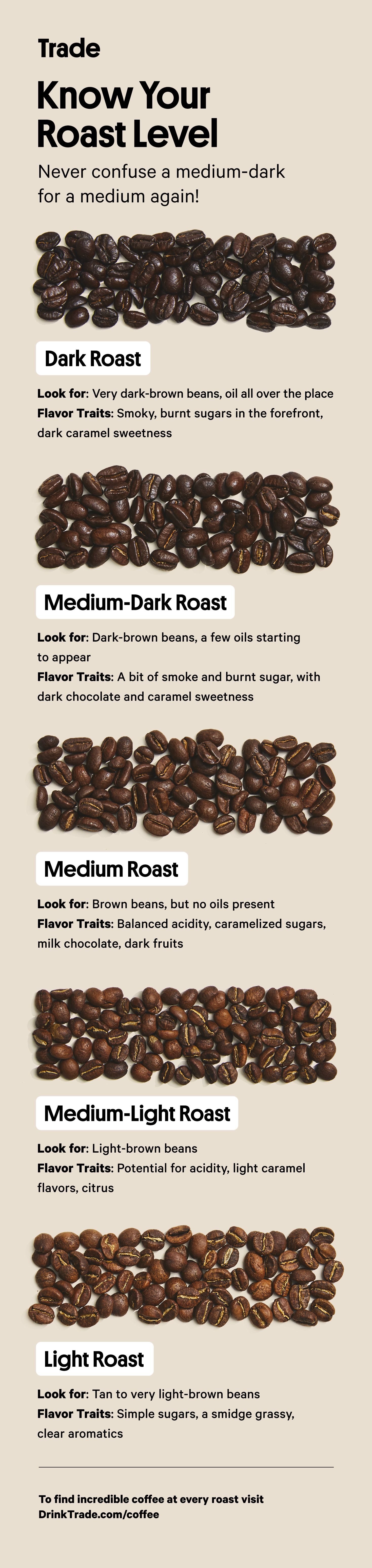
Another factor to consider is the origin of the beans. Coffee beans from different regions have distinct flavors. For example, Ethiopian coffee is often fruity and wine-like, while Colombian coffee is typically nutty and chocolatey. 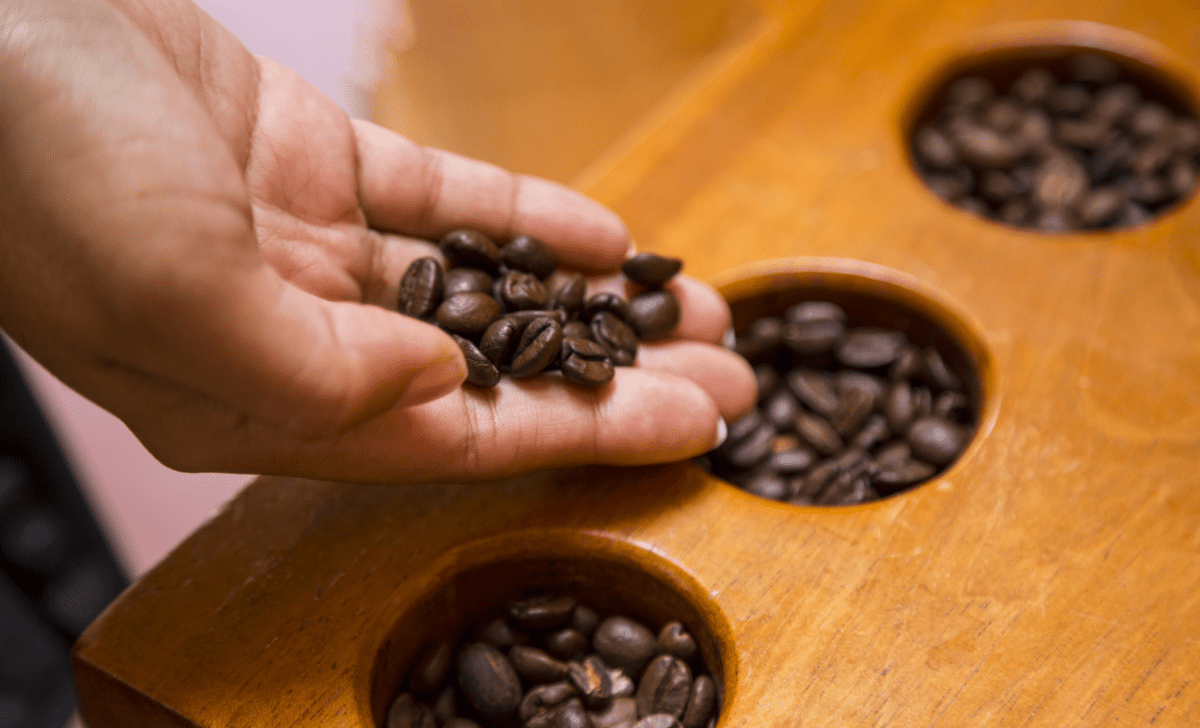
Finally, always opt for whole beans and grind them just before brewing. This will ensure maximum freshness and flavor. Remember, the best pour over coffee dripper can only do so much. The quality of your beans is just as important. So, take your time, explore different beans, and find the ones that tantalize your taste buds the most. As your coffee guide, I, Emma Latte, am here to help you savor the rich, aromatic world of coffee. 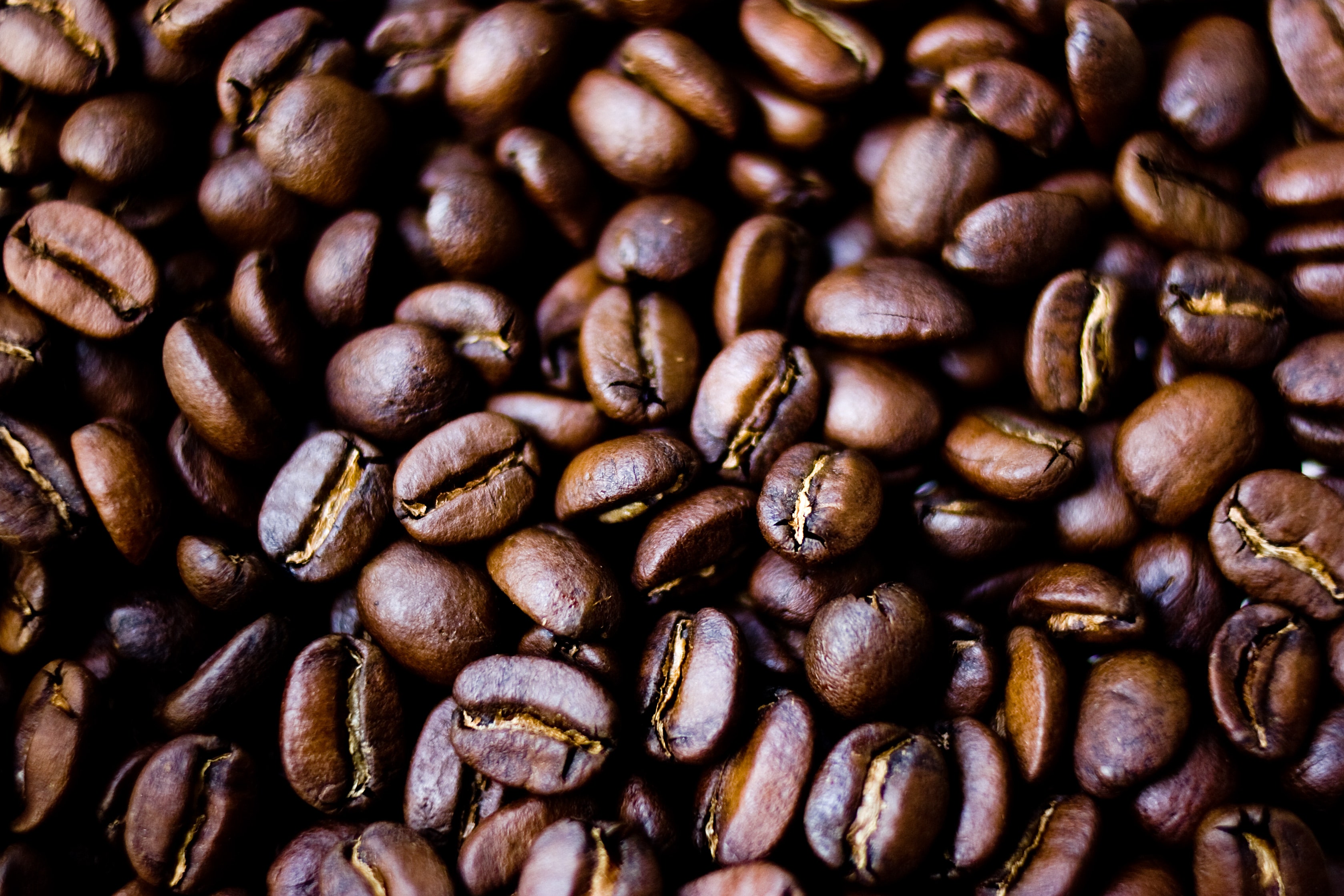
No comments yet. Be the first to share your thoughts!